REVIEW · HISTORICAL TOURS
4 UNESSCO World heritage sites of Kathmandu-private tour
Book on Viator →Operated by Outdoor Himalayan Treks P Ltd. · Bookable on Viator
Four UNESCO stops, one focused day. This private Kathmandu tour is a smart way to connect Hindu and Buddhist sites without zigzagging on your own, with hotel pickup and comfortable transfers built in. It also moves beyond postcard views by giving you historical background based on what you care about, not a one-size script.
I like two things most. First, the logistics are handled: front-door pickup and drop-off plus an air-conditioned private coach between sights. Second, the route creates a clear story arc—from Patan’s art world to Shiva at Pashupatinath, to Buddhist practice around Boudhanath and Swayambhunath. A possible catch: admission tickets and meals aren’t included, so you’ll want to budget extra, and the sunset moment at Swayambhunath depends on clear weather.
In This Review
- Key things that make this tour work
- A First-Time-Friendly UNESCO Loop Through Kathmandu Valley
- Price and What You Actually Get for $60
- How Private Pickup and Transfers Keep the Day From Spinning Out
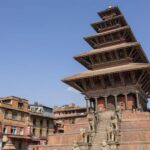
- Stop 1: Patan Museum and the Art-Focused Patan Area
- Stop 2: Pashupatinath Temple, Shiva, and the Cremation Tradition
- Stop 3: Boudhanath Stupa and Tibetan Buddhist Practice
- Stop 4: Swayambhunath Monkey Temple and Sunset Potential
- Guide Style, Language Options, and When to Upgrade
- What to Plan for: Tickets, Meals, and a Smooth Day
- Should You Book This 4 UNESCO Kathmandu Private Tour?
- FAQ
- What sites are included in the 4 UNESCO Kathmandu private tour?
- How long is the tour?
- Are hotel pickup and drop-off included?
- Is food or lunch included?
- Are admission tickets included?
- Do you get a guide, and in what language?
- Is there a bottled water included?
- Do I need a passport?
- Is this tour private?
- What happens if the weather is poor?
Key things that make this tour work
- Door-to-door pickup plus a private air-conditioned coach keeps the day from turning into traffic misery.
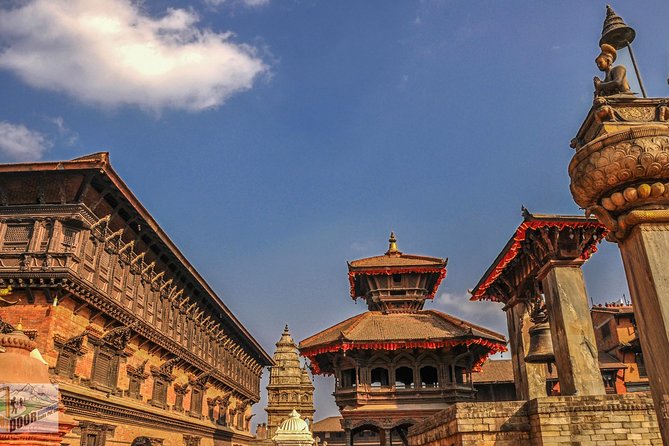
- Four UNESCO-listed stops in one outing, so you can see the range of Kathmandu Valley’s sacred heritage fast.
- A guide who tailors the story to your interests, with language upgrades available.
- Pashupatinath viewing with a living tradition (as part of Hindu cremation practice).
- Boudhanath and Tibetan Buddhism setting, including time to visit monasteries and eat nearby.
- Swayambhunath sunset potential on a clear day, with enough time to climb up and look around.
A First-Time-Friendly UNESCO Loop Through Kathmandu Valley
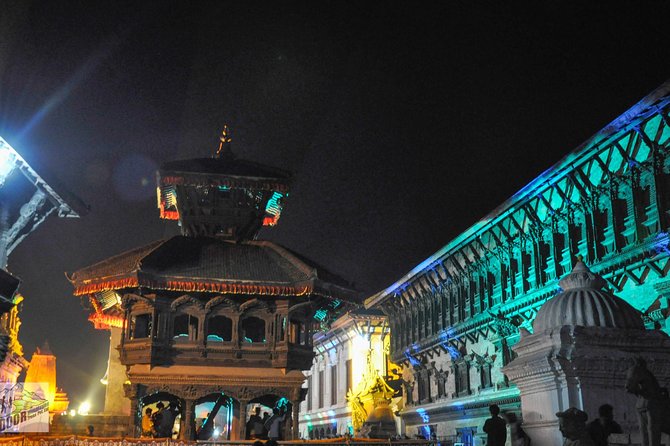
If it’s your first time in Kathmandu, you’ll quickly realize the city is layered—religion, art, and daily life overlap in a way that’s hard to sort out alone. This tour gives you a practical framework: you move through four World Heritage anchor points and your guide ties them together with Nepal’s history and culture in the order you’ll actually see it.
The pacing is built for real visits, not just passing by. Each stop has about an hour, which is enough time to take in the main sights, ask questions, and not feel rushed the whole day. That matters because these places aren’t just sightseeing backdrops; they’re active religious spaces. Having a guide helps you understand what you’re looking at, and you don’t have to guess what’s important.
I also like that the itinerary covers both major traditions highlighted in Nepal: Hinduism and Buddhism. You start with a Patan-area museum stop, then shift into Hindu practice at Pashupatinath, and finish with Buddhist landmarks at Boudhanath and Swayambhunath. It’s a clean progression, so the day feels coherent instead of random.
You can also read our reviews of more private tours in Kathmandu
Price and What You Actually Get for $60
At $60 per person, you’re paying for more than a driver and a checklist. Your money goes toward a private, air-conditioned coach (including driver costs, road tax, parking, fuel, and insurance) plus an English-speaking guide. You also get a bottle of mineral water per person. For a 5 to 7 hour day, that’s often where the value shows up in Kathmandu: time saved, fewer hassles, and one person handling the hard parts.
What you should know up front: entrance tickets aren’t included. The Patan Museum stop specifically lists admission as not included, and the temples/stupas also note that tickets aren’t included. Food and drinks are not included either. So yes, $60 covers the core experience, but you’ll likely spend additional money on site entry and your own meals.
Still, compared with piecing together separate taxis or hiring multiple guides for separate areas, this route tends to make financial sense. You’re buying the convenience of a private loop with one guide, not just transportation.
How Private Pickup and Transfers Keep the Day From Spinning Out
Kathmandu traffic can turn good plans into long days. This tour is designed to reduce that problem by giving you pickup and drop-off back at the meeting point and using a private coach for transfers between stops. The total duration is listed as 5 to 7 hours, and transfer time depends on the time of day and traffic, so it’s smart to stay flexible.
There’s also a practical benefit to having everything scheduled. You don’t have to coordinate each jump across the city. Instead, you spend energy on the sights: asking questions, taking photos where allowed, and actually looking at details.
One small but helpful note: the meeting point is at Outdoor Himalayan Treks on Thamel Marg. If you’re staying somewhere else, you’ll want to confirm the pickup arrangements when you book, since pickup is offered but you’ll want the exact timing locked in.
And if you’re the type who hates being stuck waiting around, you’ll likely appreciate the private format—only your group participates.
Stop 1: Patan Museum and the Art-Focused Patan Area
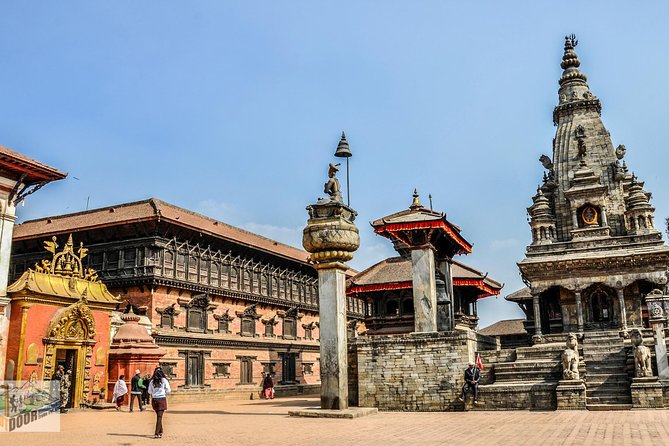
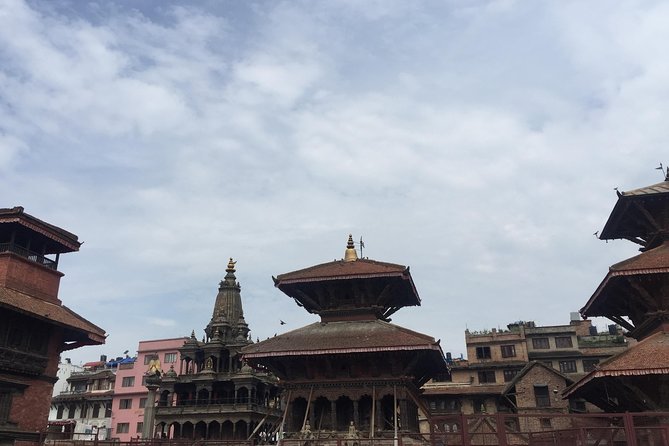
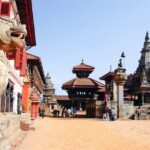
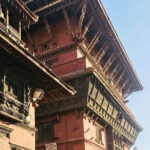
Your day starts in the Patan area with a museum stop. Patan is described as the city of fine art, and that theme makes sense as an opening act. Starting here can soften the shift into religious spaces later, because it grounds you in the local culture before you move into temple and stupa territory.
You’ll have about one hour here. That’s a decent window for getting your bearings: enough time to see key exhibits, connect what you’re learning to what you’ll see later in Kathmandu Valley, and still not feel like the day is dragging.
What I find useful about starting with Patan is that it gives context. Even if you’re not a museum person, a museum-style stop can help you understand why art and architecture matter in these sacred places. Your guide can tailor the background to your interests, so you might focus on religious art themes, historical connections, or just how Patan fits into the bigger Kathmandu Valley story.
A consideration: since admission isn’t included, check whether you’re comfortable paying extra for this specific stop, or if you prefer to budget everything in one go before the day begins.
Stop 2: Pashupatinath Temple, Shiva, and the Cremation Tradition
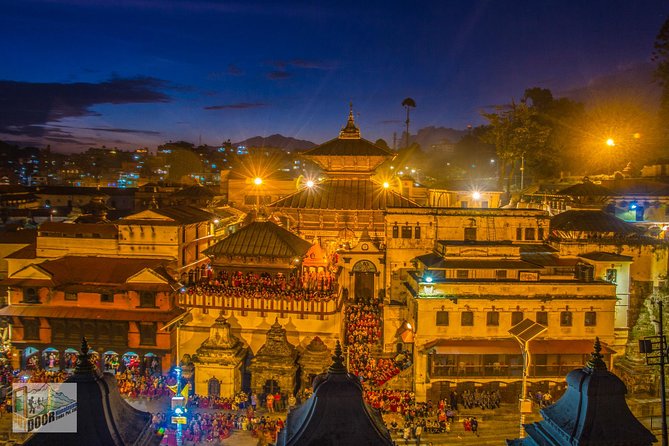
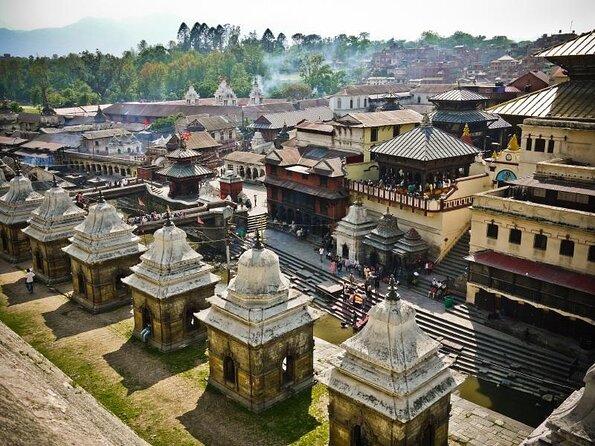
Next up is Pashupatinath Temple, one of the holiest Hindu places for devotees worldwide. This is the point where the tour shifts from culture and art into living spiritual practice.
The key thing to know here is what the description highlights: Pashupatinath is associated with Lord Shiva, and you can see the live cremation process as part of Hindu tradition. That’s not a casual sightseeing moment. It’s a deeply meaningful event, and it can be emotional and intense for some visitors.
From a value perspective, this is also one of the tour’s strongest reasons to book. A guide helps you understand what you’re witnessing, so it doesn’t feel like you’re watching something without context. If you have questions—about tradition, symbolism, or what you’re seeing day to day—this is where those questions can land.
You’ll get about an hour at Pashupatinath. That’s enough time to take in the temple complex environment and still have time to settle into the rest of the day without rushing.
A practical consideration: because this is an active religious site and a tradition tied to cremation practice, you should expect that the experience may feel very different from the calmer parts of a typical sightseeing day. The tour’s private format helps here—you’re not just blending into a crowd with no context.
You can also read our reviews of more historical tours in Kathmandu

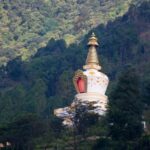
Stop 3: Boudhanath Stupa and Tibetan Buddhist Practice
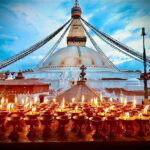
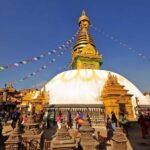
After the intensity of Pashupatinath, Boudhanath Stupa offers a different kind of focus. This stop is described as one of the largest stupas in the world, and it’s tied to Buddhist culture with a strong connection to Tibetan Buddhism. You’ll have time to see monasteries and traditions there.
What I like about this portion of the route is that it’s not only about looking up at a monument. You also get time to explore the surrounding religious environment. That makes the hour feel more flexible: you can choose what to pay attention to, whether that’s monasteries, surrounding structures, or just the general rhythm of the complex.
Another nice detail: the description specifically mentions terrace restaurants in the Boudhanath Stupa complex where you can have meals. Since meals aren’t included in the tour price, this is helpful. It gives you a realistic built-in place to eat without having to plan your own transport mid-day.
A small heads-up: admission ticket details for the stupa area are listed as not included, so you’ll want to assume extra costs may pop up depending on what you enter. Your guide can usually help you understand what’s required versus optional.
Stop 4: Swayambhunath Monkey Temple and Sunset Potential
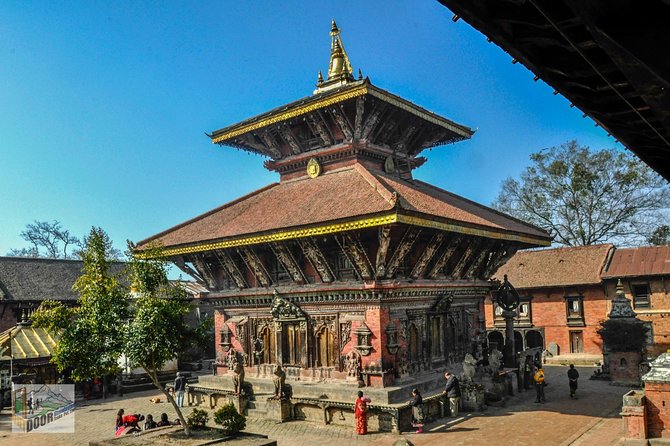
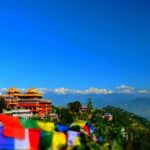
You finish at Swayambhunath, also called the Monkey Temple. The description notes harmony between Hinduism and Buddhism, which is a great way to close the loop on the tour’s main theme: how sacred traditions can overlap in Kathmandu.
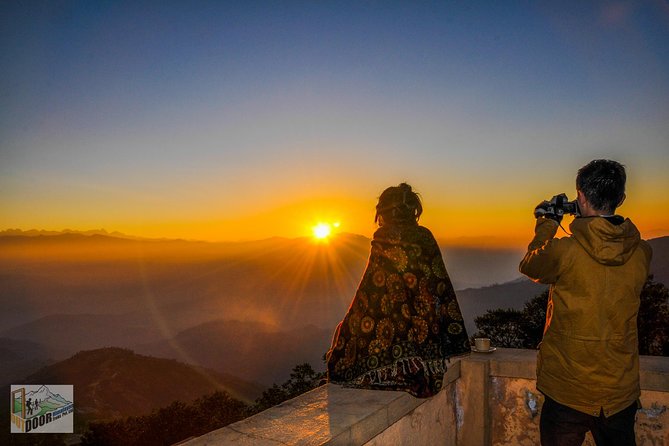
This stop is also where the tour can deliver a very nice payoff if the sky cooperates. You can wait for a sunset view from the top of the stupa complex on a clear day. The tour gives you about an hour, so it’s not an all-afternoon linger—but enough time to climb, explore, and still catch the light if conditions are right.
Even if you don’t get the sunset, the name “Monkey Temple” suggests you’ll be seeing a lively atmosphere. Since the description emphasizes the harmony of traditions, you can expect your guide to point out how the site reflects that mix rather than treating it as one tradition only.
If you’re sensitive to weather, this is worth noting: the experience is described as requiring good weather. So plan to be flexible. If clouds roll in, you still get the main stop—but the sunset component may not happen.
Guide Style, Language Options, and When to Upgrade
The guide is a major part of this experience, and the feedback names it directly. People have praised the professionalism of the team, including Ram and guides like Badri and Crisna in Kathmandu. The highlights were consistent: being professional, going beyond expectations, and being helpful and knowledgeable while respecting visitors’ wishes.
You also have a lever to pull if you want more than English or Nepali. The tour offers an upgrade for a guide fluent in other languages for an additional USD 15 per group. That’s a small cost when you’re comparing it to the value of understanding cultural context without translation strain.
So how do you decide? If you feel comfortable asking questions in English and you mainly want the big historical connections, the standard guide may be enough. If you want deeper explanations with fewer gaps—especially around the religious aspects at Pashupatinath and the mixed traditions at Swayambhunath—then the language upgrade can be worth it.
What to Plan for: Tickets, Meals, and a Smooth Day
Here’s the practical reality: the itinerary time is tight and the inclusions are focused. You get private transport, a guide, and bottled water. You do not get tickets or meals.
That means you’ll want to budget for:
- Entrance/admission fees at stops where listed as not included
- Your own lunch or snacks (with Boudhanath offering terrace restaurant options)
- Any additional costs like souvenir photo add-ons (not included, available for purchase)
Clothing and comfort matter, but without specific dress-code rules listed here, I’d keep it simple: wear something you can move in, because you’ll be touring temple/stupa areas that often involve stairs or walking. Bring a light layer for changing temperatures.
Also remember the paperwork detail: a current valid passport is required on the day of travel. That’s unusual for a local day tour, but it’s clearly part of the requirements you’ll need to follow.
Finally, the tour is private and your group participates only. That usually means less waiting, fewer compromises, and better flexibility with questions. If you like to steer the conversation—history first, photography tips, or faith background—this format gives you that room.
Should You Book This 4 UNESCO Kathmandu Private Tour?
I’d book this if you want a first-time-friendly day that connects four major Kathmandu Valley World Heritage sites in a way that feels organized and explained. The door-to-door pickup, private coach, and dedicated guide make it easy to focus on the sights instead of navigating logistics.
You might skip it or choose another option if you hate paying extra for admissions and meals. Since tickets and food aren’t included, the final cost will be higher than $60 once you account for entry fees and lunch. Also, if sunset timing is your top priority, you’ll want to remember it’s tied to clear weather.
One more deciding point: the guide quality seems to be a standout feature, with strong praise for guides like Badri and Crisna, and professionalism from Ram. If you care about understanding what you’re seeing—not just taking photos—this tour’s structure makes that kind of visit much easier.
FAQ
What sites are included in the 4 UNESCO Kathmandu private tour?
The tour covers Patan Museum, Pashupatinath Temple, Boudhanath Stupa, and Swayambhunath.
How long is the tour?
It lasts about 5 to 7 hours overall.
Are hotel pickup and drop-off included?
Pickup is offered, and the tour ends back at the meeting point.
Is food or lunch included?
No. Food and drinks, including lunch, are not included.
Are admission tickets included?
Admission tickets are not included for the stops listed (including Patan Museum).
Do you get a guide, and in what language?
Yes, you get an English speaking tour guide. Upgrades are available for guides fluent in languages other than English or Nepali.
Is there a bottled water included?
Yes. The tour includes a bottle of mineral water per person.
Do I need a passport?
Yes. A current valid passport is required on the day of travel.
Is this tour private?
Yes. It is a private tour/activity, and only your group will participate.
What happens if the weather is poor?
The experience requires good weather. If it’s canceled due to poor weather, you’ll be offered a different date or a full refund.