REVIEW · ANNAPURNA BASE CAMP TREKS
Annapurna Base Camp Trek
Book on Viator →Operated by Mount Elegance Treks and Expedition · Bookable on Viator
Annapurna Base Camp feels close with good planning. This 11-day trek in Nepal mixes classic village walking with licensed English-speaking guiding and practical support like a porter service (1 porter for 2 trekkers). I like that the package handles the big moving parts, from hotel transfers to permits, and keeps you fueled with full-board meals during the trek. One thing to think about up front: this is a mountain trek, so expect long days of walking and no hot showers included on the trail.
You’re also not left guessing on the paperwork. The trek includes the Annapurna Conservation Area Permit and TIMS card, plus a 3-star hotel base in Kathmandu and Pokhara, which makes the start and finish feel smoother than many do-it-yourself plans. If you want the best of organized comfort without turning your trip into a logistics project, this one makes a strong case.
In This Review
- Key highlights at a glance
- Annapurna Base Camp, run like a real plan
- Price and logistics: what $240 covers (and what it doesn’t)
- Day 1 in Kathmandu: land, get transferred, get settled
- Day 2 Kathmandu to Pokhara: the long bus ride that pays off
- Day 3 Nayapul to Ghandruk: first trail time, classic views
- Day 4 Ghandruk to Sinuwa: the climb stretches into a full day
- Day 5 Sinuwa to Deurali: bamboo forests and higher cold
- Day 6 Deurali to Annapurna Base Camp: the main goal at 4,130m
- Day 7 Base Camp morning to Bamboo: views first, descent second
- Day 8 Bamboo to Jhinu Danda: forest walking and a warmer finish
- Day 9 Pokhara return: short walking, then a bus ride
- Day 10 Pokhara to Kathmandu: scenic road, tired legs
- Day 11 Kathmandu: time to rest before your flight
- Comfort on the trail: teahouses, meals, and what to expect
- Altitude reality check for 4,130m days
- Who should book this Annapurna Base Camp trek
- Should you book it?
- FAQ
- What are the starting and ending locations?
- How long is the Annapurna Base Camp trek?
- What is the highest altitude on this trek?
- Are airport transfers included?
- Are trekking permits included?
- What meals are included during the trek?
- Is a guide included?
- Are hot showers included during the trek?
Key highlights at a glance
- ACAP and TIMS permits included for the Annapurna Conservation Area route
- Porter support (1 porter for 2 trekkers) to keep your load reasonable
- Annapurna Base Camp at 4,130m as the main altitude goal
- 3-star hotel stays in Kathmandu and Pokhara (breakfast included)
- Full-board meals on trek days with tea/coffee (no meals left to chance)
Annapurna Base Camp, run like a real plan
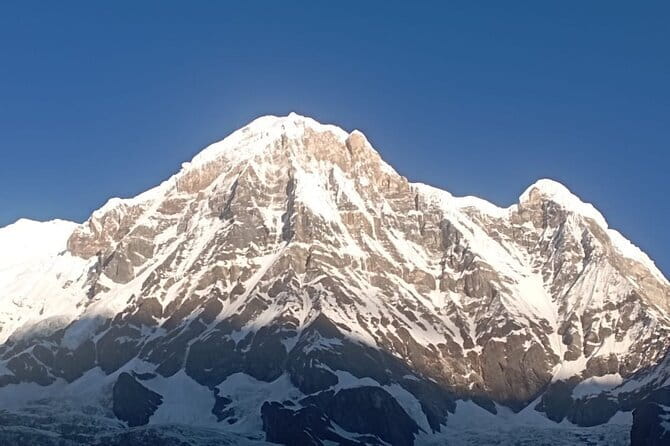
The Annapurna Base Camp trek works best when someone handles the details and you focus on the walking. Here, the structure is very clear: you get a licensed guide, porter assistance, trekking permits sorted, and daily meals arranged. That matters because this trek isn’t just about one dramatic view. It’s about staying steady for days, especially when your body starts noticing altitude.
I also like the “group-only” setup. Your booking is private in the sense that it’s only your group participating, so the pace and rhythm are easier to manage. In practice, that means fewer awkward mismatches and a smoother flow at the teahouses and on the trail.
The other quiet win is how the trip balances effort with comfort. You’re not camping in the cold, and you aren’t doing all the meals yourself. You’re in twin-sharing teahouses during the trek (best available), plus hotel nights in Kathmandu and Pokhara before and after. That combo makes it more realistic for people with moderate fitness who still want the full Annapurna Base Camp experience.
You can also read our reviews of more hiking tours in Kathmandu
Price and logistics: what $240 covers (and what it doesn’t)
$240 per person is the kind of price that gets your attention fast. The value isn’t just the number. It’s what’s wrapped into it:
What’s included that usually costs money on the ground:
- Airport transfers in Kathmandu
- Tourist bus between Kathmandu and Pokhara and back
- ACAP and TIMS trekking paperwork
- 3-star hotel accommodation in Kathmandu and Pokhara with breakfast
- Full-board meals during the trek (breakfast, lunch, dinner) plus tea/coffee
- Licensed English-speaking guide
- Porter service (1 porter for 2 trekkers)
- A first aid medical kit
- Duffel bag and sleeping bag issued for the trek (then returned at the end)
- Farewell dinner
What you should budget for separately:
- International airfare and the Nepal visa
- Travel and rescue insurance
- Tips for trekking staff and the driver
- Personal expenses (laundry, phone calls, etc.)
- Alcohol and bottled water/beverages
- Meals in Kathmandu and Pokhara beyond what’s specifically included
- Hot showers during the trek are not included
So yes, the trek is good value if you’re comfortable arranging your own insurance and covering staff tips. If you want everything handled end-to-end—including visa, insurance, and hot showers—this may feel a little more “budget-friendly organized” than “luxury with no effort.”
Day 1 in Kathmandu: land, get transferred, get settled
Your trip starts at Tribhuvan International Airport, where a representative meets you and transfers you to your Kathmandu hotel. The drive is short (30–45 minutes), and you’re in at “starting altitude” around 1,400m.
This first day is mostly about getting your bearings without forcing a long walk. That matters here because you’ll spend the next days going higher. If you rush too hard on day one, you lose time later when your body needs a little more rhythm.
Day 2 Kathmandu to Pokhara: the long bus ride that pays off
On day two, you travel from Kathmandu to Pokhara by road. The distance is about 200 km, and the drive takes roughly 7–8 hours. You’ll land in Pokhara at around 822m.
This is a practical move. Pokhara gives you a calmer launch point for the trek than Kathmandu. Also, you’re not trekking on day two. You’re saving your legs for the Annapurna-region days ahead.
One caution: that drive is long. It’s worth planning for a comfortable seat, water you can buy on your own (bottled water isn’t included), and the usual road-trip patience.
Day 3 Nayapul to Ghandruk: first trail time, classic views
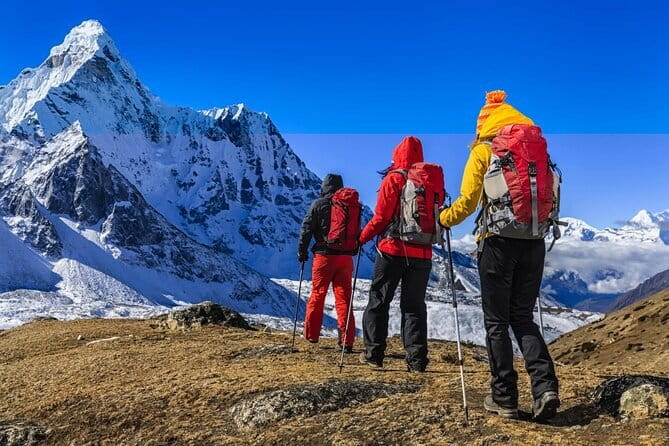
After breakfast, you drive toward Nayapul, then begin the first trekking day. Today’s walking is listed as 5 km and 3–4 hours, reaching Ghandruk at 1,940m.
Ghandruk is a name you’ll hear again in Annapurna conversations for a reason: it’s a village stop that feels built around travelers and tea houses, while still looking like a real community. It’s a good first trek day because you get movement without the brutal all-day slog.
You’ll notice the altitude shift right away—this isn’t extreme yet, but you’ll start feeling the thinner air. I’d treat day three as a warm-up both for pace and for what’s ahead.
Day 4 Ghandruk to Sinuwa: the climb stretches into a full day
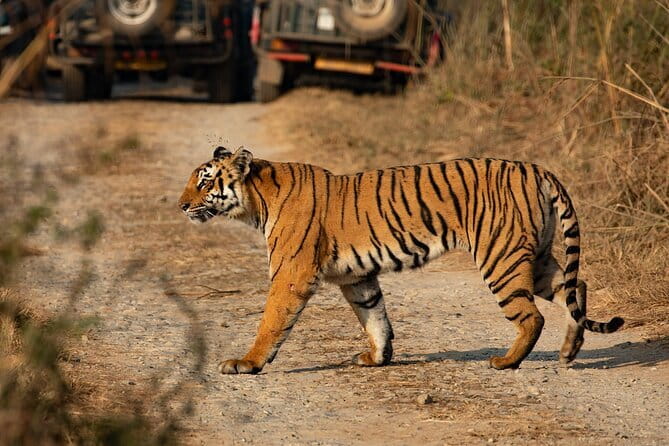
Today is a longer effort: 12 km over about 6–7 hours, with a high point around Sinuwa at 2,340m. The route description includes a descent toward Kimrong Khola and then a steady push upward.
This is one of those days where you learn your trekking pace fast. If you go out too fast early, you’ll pay later. A guide’s job isn’t just directions—it’s also keeping you from burning too much energy before you reach the higher camps.
Also note the meal setup. You’re getting breakfast, lunch, and dinner as part of the trek package, which removes one major planning headache. You can focus on walking, not tracking where you’ll eat.
Day 5 Sinuwa to Deurali: bamboo forests and higher cold
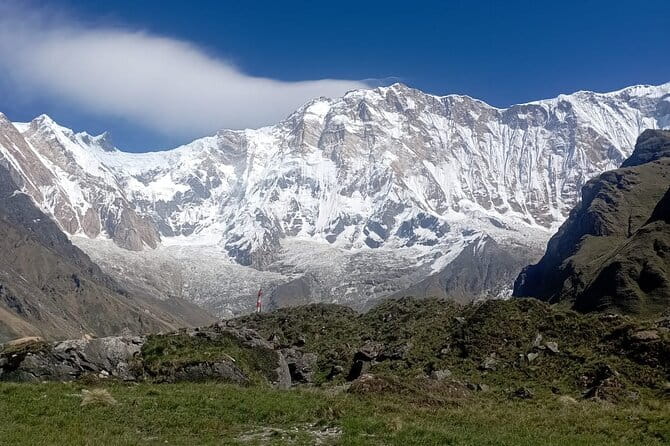
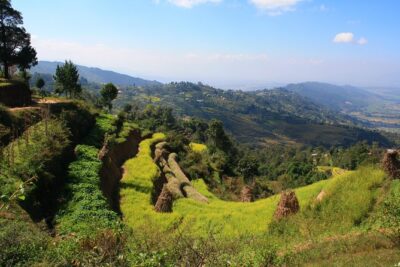
Day five steps things up again. The trek is listed as 10 km and 6–7 hours, climbing to Deurali at 3,200m. The description points to lush bamboo forest sections and a gradual climb toward colder air.
At this height, “gradual” still feels like climbing. Even if the trail doesn’t look steep all day, the altitude makes every movement more work. This is where porter support helps in a big way. You’re carrying your own essentials, and the porter handles the rest.
If you’re the type who likes to keep stopping for photos, you’ll still want to manage it. Short breaks are fine. Long breaks can make you feel stiff before you start again.
Day 6 Deurali to Annapurna Base Camp: the main goal at 4,130m
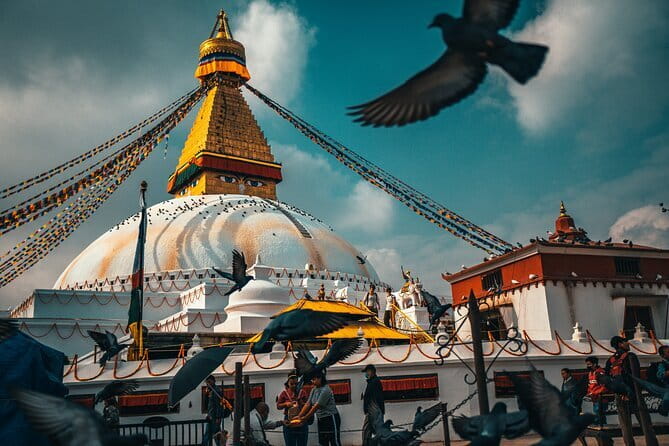
This is the big day. You trek about 9 km in 6–7 hours to Annapurna Base Camp (4,130m). The plan flags this as one of the most exciting days of the trek, which makes sense. Base Camp is where the whole climb finally clicks into place.
Even if the views are partly hidden by clouds, you’ll still get the feeling of reaching the summit of this particular journey. And at 4,130m, your breathing and energy levels are part of the experience, not a distraction.
Your included meals (breakfast, lunch, dinner) help you keep steady. I like that you’re not left hunting for food choices at altitude. More predictability here usually means fewer stress spirals.
Day 7 Base Camp morning to Bamboo: views first, descent second
You spend the morning at Annapurna Base Camp, then begin descending to Bamboo. The walk is listed at 13 km for 6–7 hours, with Bamboo around 2,310m.
Descent days are sometimes easier than the climb, but they can be rough on knees and shins. If you’ve never done a long downhill before, this is where you’ll feel it. The guide and pacing really matter on a day like this.
This is also one of those schedule points where the trek gives you recovery time. You drop from base-camp altitude to a much more comfortable range, and the day becomes more about steady footing than fighting breathlessness.
Day 8 Bamboo to Jhinu Danda: forest walking and a warmer finish
Day eight drops you to Jhinu Danda (1,780m) after a trek of 11 km over about 5–6 hours. The description highlights a pleasant journey through lush forest sections.
The point of this day is clear: you’re finishing the trek with a lower-altitude walk, which makes the final days feel less like a battle against the air. Jhinu Danda at 1,780m is also where the whole trip starts to feel real in a different way. You’re coming back down toward the life of Nepal rather than just higher scenery.
If you’ve been careful with pacing, you’ll probably feel better today than you did on the earlier climbs.
Day 9 Pokhara return: short walking, then a bus ride
Today is shorter: about 6 km of trekking in roughly 3–4 hours, then a 2–3 hour drive to Pokhara. You’re back at around 822m by the end of the day.
A short trek day on the schedule is a relief for most people. It gives you a chance to enjoy the surroundings and not feel like you’re sprinting to the finish.
One small detail that matters: you only get breakfast and lunch listed for this day. Dinner isn’t listed as included here, so you’ll want to plan for your evening meal on your own in Pokhara.
Day 10 Pokhara to Kathmandu: scenic road, tired legs
On day ten, you drive from Pokhara to Kathmandu again. The distance is about 200 km and takes 7–8 hours. You’ll end near Kathmandu’s 1,400m altitude.
This is the right kind of “travel day” after a trek. You’re not doing big hikes, but you are moving back into city life. If you’re someone who likes a shower and a real meal afterward, this is when you’ll start thinking about it—especially since hot showers are not included during the trek.
Day 11 Kathmandu: time to rest before your flight
Your final day includes a short hotel day and whatever time you have based on your flight. A representative may help based on your schedule, and you’ll be at 1,400m in Kathmandu.
This day can be simple: sleep in, stretch, and make sure your gear is packed correctly for departure. After nearly two weeks of mountain rhythm, you’ll feel it in the little things—like walking up stairs without thinking.
Comfort on the trail: teahouses, meals, and what to expect
This trip is often described with a “premium” feel, but your day-to-day comfort will still be mountain-based. Here’s what you can count on:
Teahouses with best available twin-sharing rooms. You’re not camping. You do get an actual bed setup in the standard style for the region, and you’re sharing with one person.
Full-board meals with tea/coffee. Breakfast, lunch, and dinner are included during trek days. That reduces decision fatigue, especially when you’re already focused on breathing and footwork.
Sleeping bag and duffel bag issued. This can make packing less stressful. Just remember they’re meant to be returned after your trek completion.
First aid kit and licensed guide. You’re not traveling alone in the practical sense. The kit supports basic medical needs, and the guide is there to keep the plan moving safely.
What’s not included is equally important:
- No hot showers during the trek
- Alcoholic drinks and bottled water are not included
- Laundry and phone calls are personal expenses
I’d call this “comfort-forward trekking” rather than “spa experience.” You’ll be comfortable enough to keep going, not comfortable enough to forget you’re in the Himalayas.
Altitude reality check for 4,130m days
The highest altitude is listed at Annapurna Base Camp, 4,130m. The climb is staged: you start at 1,400m in Kathmandu, end up around 822m in Pokhara, then climb through 1,940m (Ghandruk), 2,340m (Sinuwa), and 3,200m (Deurali) before reaching base camp.
That step-by-step approach matters. It doesn’t remove altitude risk, but it’s a more sensible way to give your body time to adjust than jumping straight to high elevations.
Still, you should come in with a realistic mindset. The trek specifies moderate physical fitness. If you’re not used to walking 6–7 hours on uneven ground, you’ll feel it. And at high altitude, you may also feel it faster than you expect.
Who should book this Annapurna Base Camp trek
This is a strong fit if you:
- Want an organized Annapurna Base Camp plan with guide, porter support, and permits handled
- Prefer hotel comfort before and after the trek (3-star Kathmandu and Pokhara stays)
- Would rather spend your energy on walking than on planning meals and logistics
- Are okay with teahouse-style accommodations and the fact that hot showers aren’t included
It may be less ideal if you:
- Expect hot showers during the trek
- Want meals fully handled in Kathmandu and Pokhara (some meals there aren’t included)
- Don’t want to handle visa, insurance, and tips on your own
Should you book it?
If your priority is a well-run Annapurna Base Camp trek with practical support and a clear schedule, I think this one makes sense. The biggest value comes from combining the basics that usually create stress—permits, guides, porters, and meals—into one package. You’ll likely spend your trip focusing on trail rhythm and views, not chasing paperwork or wondering where you’ll sleep.
My “yes, but” checklist before booking:
- Make sure your travel plans include visa, insurance, and any staffing tips you’re responsible for.
- Don’t count on hot showers during the trek.
- If you’re sensitive to long travel days, plan for the 7–8 hour drives between Kathmandu and Pokhara.
Also, it’s worth knowing this experience depends on weather and has free cancellation up to 24 hours in advance for a full refund. That kind of safety net is comforting when mountain conditions can change.
If you want the classic Annapurna Base Camp payoff with less hassle and more structure, you’re in the right place to book.
FAQ
What are the starting and ending locations?
The trek starts at Tribhuvan Airport in Kathmandu, Nepal. After trekking, you return to Kathmandu for the final day.
How long is the Annapurna Base Camp trek?
The duration is listed as about 11 days.
What is the highest altitude on this trek?
The highest altitude listed is Annapurna Base Camp at 4,130m.
Are airport transfers included?
Yes. Airport transfers in Kathmandu are included.
Are trekking permits included?
Yes. The Annapurna Conservation Area Permit (ACAP) and TIMS card are included.
What meals are included during the trek?
The package includes full-board meals during the trek: breakfast, lunch, and dinner, with tea/coffee.
Is a guide included?
Yes. An experienced, English-speaking, government-licensed trekking guide is included.
Are hot showers included during the trek?
No. Hot shower availability during the trek is not included.