REVIEW · BHAKTAPUR & PATAN DAY TRIPS
Patan Heritage Tour – Private/Small Group
Book on Viator →Operated by Amazing Kathmandu Tours · Bookable on Viator
Patan’s lanes have stories at every corner. This Patan Heritage Tour turns a simple walk into a clear history lesson tied to Newar Buddhism and daily life in Lalitpur. You move through big landmarks and small alleyways that explain why the city still feels the way it does.
I like that it’s built for a max of 5 people, so questions don’t get rushed. I also like that the tour is led by an English-speaking guide, with time set aside for both major sites and the small details that most people miss on their own.
One consideration: the tour price is low, but several sites list admissions as not included, and Patan Durbar Square requires a cash payment at the entrance.
In This Review
- Key Things I’d Pay Attention To
- Patan in Three Hours: What This Small-Group Walk Actually Covers
- Start at Patan Dhoka: Gate Murals and Malla City Security
- Ganesh Mandir Stop: The Elephant-Head Story on the Way
- Golden Temple (Hiranya Varna Mahavihar): Newar Buddhism and Vajrayana Clues
- Patan Durbar Square: Palace Power, Nepalese Architecture, and Courtyard Reality
- Durbar Square costs (and what to bring)
- A quick realism check
- Patan Museum: Sacred Arts in a Former Royal Court
- Your Guide Makes It Work: From Bajey to Santosh to Shreya
- Price and Fees: Is It Really Good Value?
- Practical Tips for a Smooth Walk Through Patan
- Should You Book This Patan Heritage Tour?
- FAQ
- FAQ
- How long is the Patan Heritage Tour?
- What is the maximum group size?
- Where do I meet, and where does the tour end?
- What entrance fees should I expect?
- Is the tour price all-inclusive?
- Do I need cash for the tour?
- Is there a student/youth price?
Key Things I’d Pay Attention To
- Small group (max 5) keeps the pacing flexible and questions easy to answer
- Ganesh Mandir + Golden Temple + Durbar Square covers Hindu and Newar Buddhist sites in one route
- Patan Museum is a full hour, not a quick peek
- Most of the tour is guided walking, so wear comfy shoes for older stone streets
- Durbar Square needs cash (NRP 1000, and they recommend a small donation)
Patan in Three Hours: What This Small-Group Walk Actually Covers
This is a compact, guided overview of Patan (Lalitpur). You’re not just ticking off monuments. The route connects religious ideas to physical places—temples, courtyards, palace areas—and then ties them to how people move through the city today.
The total time is about 3 hours, which is ideal if you only have a partial day in Kathmandu Valley. It’s also long enough to do real walking and still stop for context at each major point.
And because the group is capped at 5, the guide can tailor the level of detail. In the feedback I read, guides adjusted what they emphasized based on what the group cared about—history vs. religion vs. street-level culture.
You can also read our reviews of more private tours in Kathmandu
Start at Patan Dhoka: Gate Murals and Malla City Security
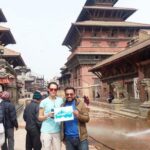
You meet at Patan Dhoka (Patan Gate) and end right back there. That matters because it sets the tour’s frame: the Malla kings weren’t just building monuments; they were organizing an entire city-world with gates, security, and symbolic power.
At the gate, you’ll hear about how the Malla rulers arranged the security of the old city of Patan, plus what to look for in the murals. This is the kind of “explain the basics first” move that makes the rest of the walk click.
Even if you’ve visited Patan before, starting at the gate helps you read what you’re about to see. After that, the walk becomes less random and more like following a story.
Ganesh Mandir Stop: The Elephant-Head Story on the Way
The first listed stop is Ganesh Mandir, near Patan Dhoka as you head toward the golden temple area. It’s a quick stop—about 15 minutes—but it’s a smart one, because it gives you a Hindu anchor before the tour shifts into Newar Buddhist space.
You’ll hear the story of how Lord Ganesha got the elephant head. It’s short, but it’s the kind of background that makes later religious sites easier to understand. And the shrine entrance here is free, so you’re not stuck waiting on tickets.
Practical note: this stop is perfect for photographers too. Shrines like this often show the layers of devotion—little offerings, daily routines, and the city’s mix of sacred and everyday.
Golden Temple (Hiranya Varna Mahavihar): Newar Buddhism and Vajrayana Clues
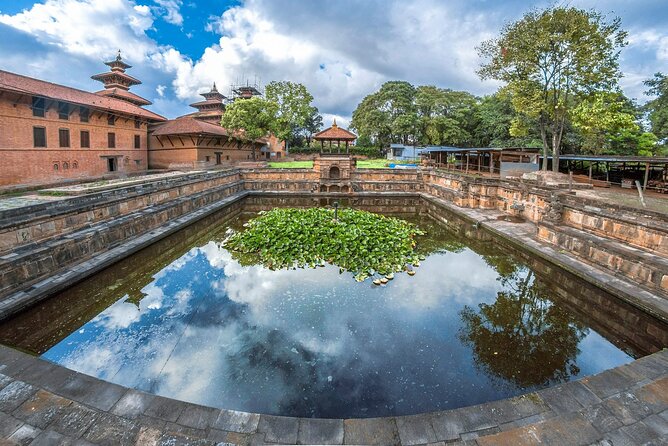
Next comes the Golden Temple (Hiranya Varna Mahavihar), a Newari Buddhist monastery dating to the 14th century. The guide uses this stop to connect Buddhism in Patan to the wider picture of Buddhist practice, including Vajrayana and how it’s influenced by traditions often described through Theravada connections.
It’s scheduled for about 15 minutes, so you’re not getting a long lecture. Instead, it’s more like a guided orientation: who Buddha is in teaching, what Vajrayana means in practice, and how those ideas show up in Patan’s religious landscape.
The entrance is listed as not included, so you should plan to pay separately if you want to go in. That’s not a dealbreaker for a value tour, just be ready to handle a cash cost without surprise.
What I like about this stop is that it’s not only about architecture. You get the “why” behind the religious presence in the city, which helps everything else feel connected rather than separate.
Patan Durbar Square: Palace Power, Nepalese Architecture, and Courtyard Reality
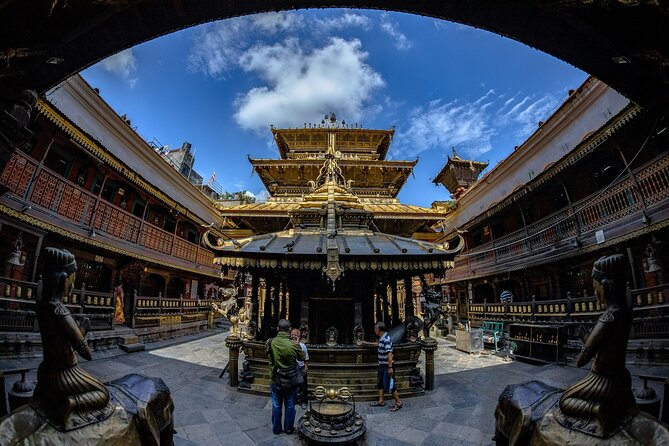
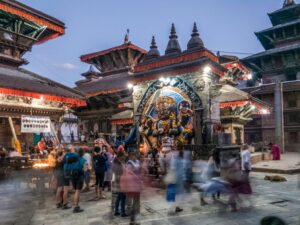
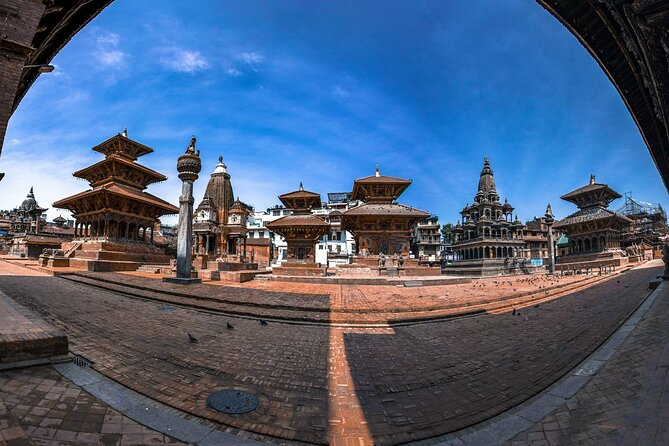
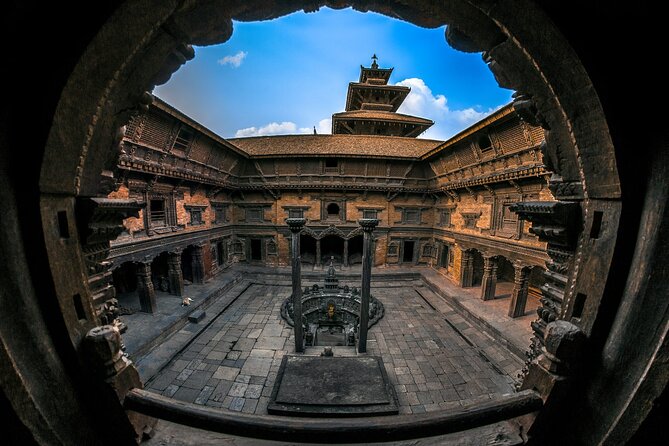
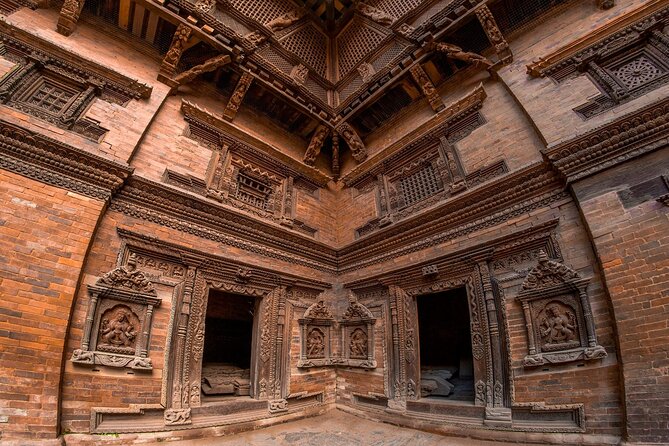
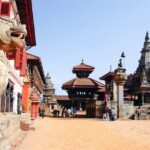
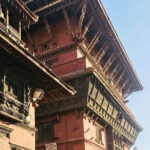
The biggest historical block is Patan Durbar Square. This part runs about 45 minutes, and it’s where the Malla kings’ world feels most physical. You’re moving through the palace area and shrines, focusing on Nepalese architecture and the stories behind the buildings.
The key thing here isn’t just seeing structures. It’s understanding why this place functioned as a royal hub—politics, religion, and public life all mixed in one space.
You can also read our reviews of more historical tours in Kathmandu


Durbar Square costs (and what to bring)
Entrance to Durbar Square is NRP 1000 (about US$9) and it has to be paid in cash at the entrance. They also recommend paying minimum NRP 100 as a donation to the Royal Kumari.
That little detail can matter if you’re trying to do the visit respectfully and smoothly. Bring cash in small notes if possible. If you walk in expecting to pay by card, you’ll waste time.
A quick realism check
Forty-five minutes sounds reasonable, but this is Patan. If you’re the type who likes to pause often for photos and explanations, you may want to keep an eye on time. The best guides can steer you to what matters most in your group’s interest, but the main landmarks won’t stretch infinitely.
Patan Museum: Sacred Arts in a Former Royal Court
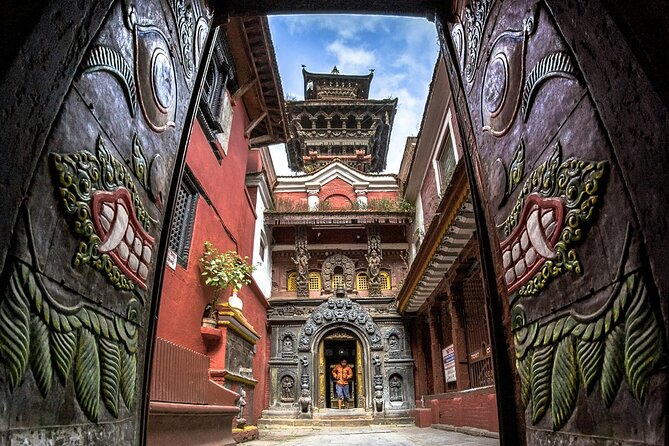
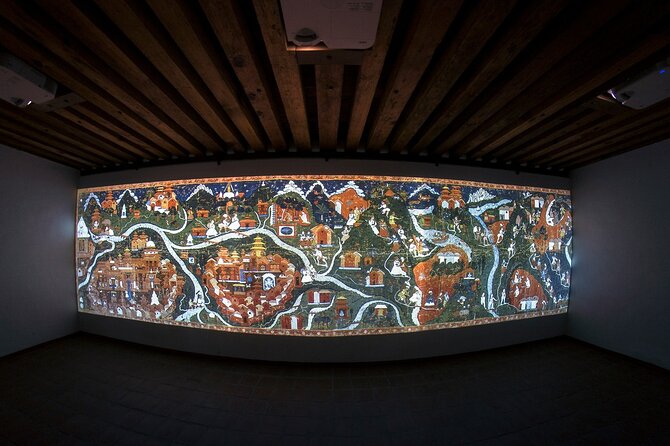
After the palace square, you’ll head to Patan Museum for about 1 hour. Admission is listed as not included, and this stop is about one thing: the traditional sacred arts of Nepal—shown in an important architectural setting that’s itself part of the story.
The museum is housed in an old residential court of Patan Durbar, tied to the former Malla kings’ royal palaces. That means you’re not just looking at art in a generic museum building. You’re seeing it in a space that used to belong to the city’s ruling environment.
This stop is especially valuable if you want context without relying only on street views. Architecture outside can be hard to interpret quickly. Inside, you can slow down and learn what you’re looking at.
If you’re short on time in Patan, the museum is still worth the hour because it turns monuments into meaning. It helps you connect temple forms, religious objects, and craft traditions.
Your Guide Makes It Work: From Bajey to Santosh to Shreya
This tour stands or falls on the guide, and the feedback around this experience is consistently about people-first guiding. Several guides were praised for leading you through narrow alleys and passages you’d probably never find on your own.
Names that came up include Bajey/Baje, Santosh/Santos, and Shreya Karki. The common thread: the guide can tell stories with energy, but also adjust to you. In one case, the guide changed the amount of detail depending on what the group found interesting. In another, the guide balanced Hinduism and Buddhism, linking each site to daily cultural life.
One more thing that came through: the guides were described as patient, friendly, and respectful—so even if religion and local history aren’t your usual travel strengths, you should still feel at ease asking questions.
If you want a tour where you’re not just following a script, this is the format that usually delivers.
Price and Fees: Is It Really Good Value?
The listed price is $5.00 per person and the tour is usually booked about 27 days in advance. Youth pricing is noted for students with a student card.
That base price is strikingly low for a guided walking tour, especially one designed for a small group. What you’re really paying for is the English-speaking guide and the route planning: the “how to see Patan in a few hours without getting lost” part.
But do the math with the site fees. The big known separate cost is Patan Durbar Square, at NRP 1000 paid in cash at the entrance, plus the recommended donation of NRP 100 to the Royal Kumari. Also, some other stops list admissions as not included, including the Golden Temple and Patan Museum.
So the true on-the-ground budget is more than the $5 guide fee alone. Still, for what you get—major sights, structured context, and the kind of alley-level navigation that saves time—you can come out feeling like you spent wisely.
Practical Tips for a Smooth Walk Through Patan
Because this is a walking tour through older city lanes, comfort matters. I’d plan on uneven stones and tight spaces, especially near courtyards and shrine areas.
A few practical ideas based on how the route is laid out:
- Bring cash ahead of time for Durbar Square
- Pack a little flexibility: some sites are quick, others take close to an hour
- If you care about religion vs. architecture vs. everyday culture, tell the guide early so they can emphasize what you want
- If you need a break from walking, ask—small groups make that easier than with large crowds
It also helps that the tour is near public transportation. You’re starting at Patan Dhoka, and the experience returns there, so you’re not stuck figuring out how to get back from a far-off pickup point.
Should You Book This Patan Heritage Tour?
Book it if you want a focused Patan introduction that connects temples and palace spaces to the culture still lived there. The small group size and the reputation of guides who lead you through alleyways—and explain what you’re seeing—make it a good match for first-timers and repeat visitors alike.
Skip it or at least adjust expectations if you’re hoping for a tour with only included entrances, or if you hate paying cash at the door. The base price is friendly, but Durbar Square requires extra payment, and a couple other stops note admissions not included.
If you want a practical win—see key Patan landmarks in about three hours, guided in a way that feels personal—this is one of the easier ways to do it without turning your day into a maze.
FAQ
FAQ
How long is the Patan Heritage Tour?
The tour lasts about 3 hours.
What is the maximum group size?
The tour is a small group experience with a maximum of 5 travelers.
Where do I meet, and where does the tour end?
You meet at Patan Dhoka, Lalitpur 44600, Nepal, and the tour ends back at the same meeting point.
What entrance fees should I expect?
Entrance to Patan Durbar Square costs NRP 1000 and must be paid in cash at the entrance. The tour also lists admissions as not included for some other stops, so you should be ready for separate payments if you want to enter those sites.
Is the tour price all-inclusive?
The guide is included (English speaking), but coffee/tea is not included, and several site admissions are not included. Durbar Square has a separate cash entrance fee.
Do I need cash for the tour?
For Patan Durbar Square, yes. Payment is in cash at the entrance (NRP 1000), and they recommend a donation of at least NRP 100 to the Royal Kumari.
Is there a student/youth price?
Yes. The youth price is for students with a student card.