REVIEW · 1-DAY TOURS
From Kathmandu / Pokhara / Chitwan: River Rafting – 1 Day
Book on GetYourGuide →Operated by Rainbow Adventure & Travel · Bookable on GetYourGuide
Hold on: Trishuli has teeth. This one-day Trishuli River rafting trip gives you real whitewater fun in a compact plan, with a standout section rated Class 3–4 on the common Colorado scale. I like how the day is run with a short, focused safety briefing and a safety kayaker in the mix, and I also like that you’ll learn the rapids by Nepali names and their common equivalents as you go.
The main thing to consider: it’s not suitable for pregnant women. If that applies, you’ll want to choose a different activity with less physical risk.
In This Review
- Key highlights you’ll feel fast
- Trishuli’s rapids: the part you’re really paying for
- The drive and pickup: Kathmandu, Pokhara, Chitwan, or Lumbini
- Gear, guide, and the safety rhythm
- What happens on the water (and why the timing feels smart)
- Naming the rapids: Nepali labels you’ll actually remember
- Lunch by the river: simple, welcome, and not a tourist trap
- Price and value: what $43 buys you in a real rafting day
- Who should book, and who should skip it
- FAQ
- FAQ
- Where are the pickup locations for this rafting trip?
- Which river do you raft on?
- How long is the rafting portion?
- What languages are the guides available in?
- What’s included in the price?
- Is personal insurance included?
- What should I bring with me?
- Final call: should you book this Trishuli rafting day?
Key highlights you’ll feel fast
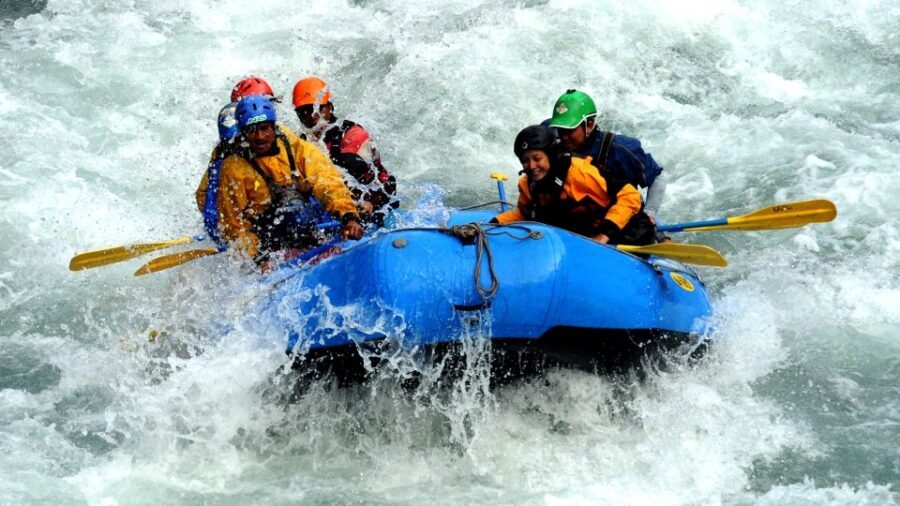
- Class 3–4 rapids near Majhimtar, leading up to the more intense upset section
- Safety crew on the water, including a licensed English-speaking guide and a safety kayaker
- Lunch on the river beach, timed just before the upset rapids
- Rapids explained in Nepali and common names, so you’re not just grabbing a rope and hoping
- International standard rafting equipment plus first aid kit and permits
Trishuli’s rapids: the part you’re really paying for
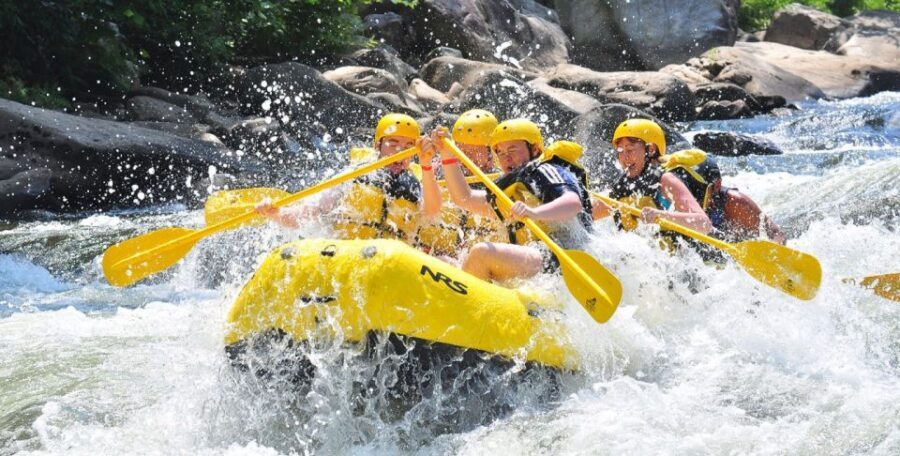
This trip is built around white-water rafting on the Trishuli River, with about 2.5 hours on the water inside a total plan closer to a half-day. You’ll hit several small and big rapids, so it’s not just one dramatic moment. It’s a steady flow of action, with the most memorable sequence coming after Majhimtar, just before the upset rapid.
The rapids you’ll face aren’t all the same. That’s the point. The day is paced so you warm up with smaller sections first, then the water starts getting more serious as you approach the main trouble spots. If you want a rafting day that feels like a full story instead of a quick roller-coaster, this format works.
One detail I really like: the rafting crew doesn’t treat the river like a blur. They explain tricky rapids using Nepali names as well as common names. Even if you don’t remember every word, it makes the experience feel tied to the place, not just a generic thrill.
You can also read our reviews of more tours and experiences in Kathmandu



The drive and pickup: Kathmandu, Pokhara, Chitwan, or Lumbini
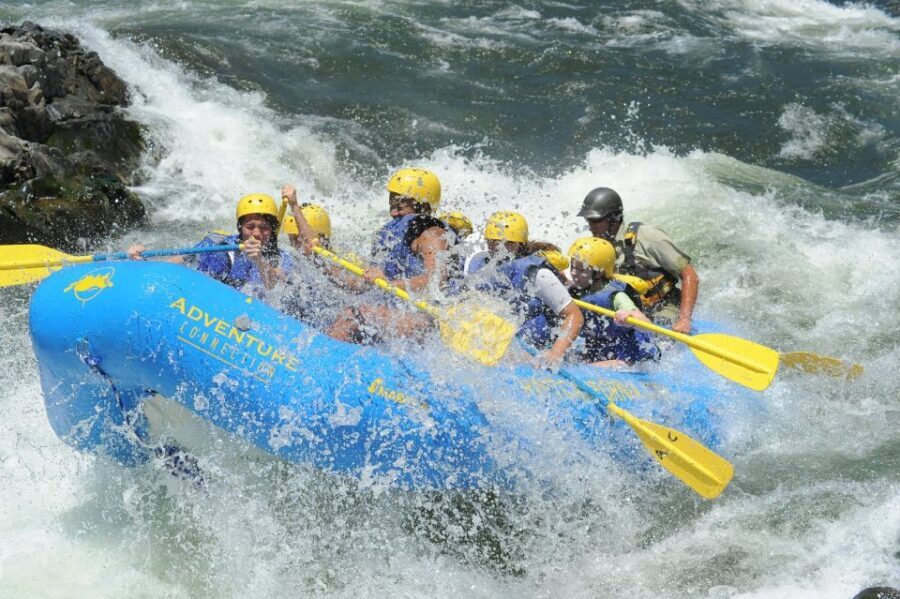
Logistics matter more on day trips than people think. Here, you get pickup from four options: Chitwan, Lumbini, Pokhara, or Kathmandu. That’s a big deal because it helps you avoid wasting a precious day stitching together your own transport.
After the rafting portion, you’re transferred onward to your finishing point—described as Chitwan District—as part of the same overall plan. So plan your day with the expectation that you’re moving from start to finish, not hanging around the river village for hours.
If you’re based in Kathmandu or Pokhara, this kind of pickup is a simple way to get out to the river without turning the day into a schedule puzzle. It’s also useful if you’re already in Chitwan or Lumbini and want to add one more adventure without backtracking too much.
Gear, guide, and the safety rhythm
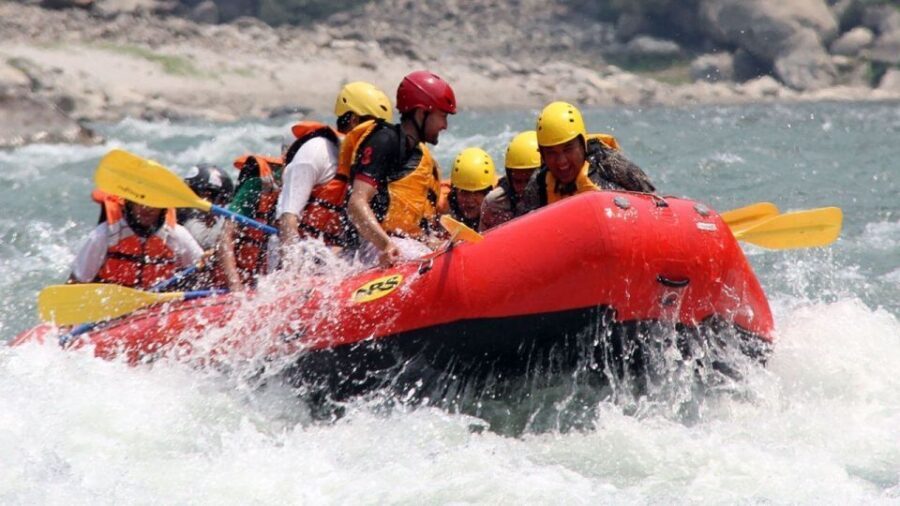
You’re not just renting a helmet and hoping. The experience includes international standard rafting equipment, a licensed English-speaking guide, and a safety kayaker. That combination matters because it changes how the rapids get handled. You’ll have someone focused on the route and someone watching from close by, which is what you want when water gets chaotic.
Before you drop in, the raft leader gives a short safety briefing on the procedures you need to follow. It’s not a 45-minute lecture, but it’s the right kind of prep: the kind that helps you react fast when you’re already surrounded by moving water.
A practical note: you’ll be dealing with sand, splash, and river grit. So even though you’re carrying this “adventure” mindset, bring your comfort basics—especially the change of clothes part—so you don’t end the day cold, damp, and cranky.
A recent verified booking from Lukas (Netherlands) specifically praised the friendly guide and staff. That’s a good sign, because rafting days run smoother when the crew communicates clearly and keeps people calm.
What happens on the water (and why the timing feels smart)
The flow of the day is pretty direct: you meet the raft crew, get your safety briefing, then start encountering rapids. The plan includes several big-small rapids, building toward a key sequence after Majhimtar.
The “why this works” detail is lunch placement. You’ll have lunch served on the beach of the river right before you go through the upset rapids. That’s thoughtful timing. Eating before a tougher section means you’re not dealing with both stress and an empty stomach at the same time. And after you’ve eaten, you can focus on your job on the raft.
Then the rapids continue: after the upset section, you’ll still get a run of small and big rapids before arriving at the put-out point. It’s not just a single dramatic event. It’s a full raft day, with the hardest-feeling part arriving in the middle rather than at the beginning.
If you’re the kind of person who likes to know what’s coming next, this structure gives you that mental ladder: warm-up rapids, main sequence, then the final stretch.
Naming the rapids: Nepali labels you’ll actually remember
One of the most “real Nepal” touches here is the way the crew talks about the rapids. Tricky sections have Nepali names and common names, and the rafter tells you both.
That’s not just trivia. When you hear the name of a rapid, you start recognizing the river features as you move through them. It turns the ride into something you can follow instead of white noise and spray.
Also, the use of local naming helps you feel like this isn’t a copy-paste adventure imported from somewhere else. It’s happening on an actual Nepali river, with a river culture that uses language the locals know.




Lunch by the river: simple, welcome, and not a tourist trap
Lunch is included, and it’s served on the beach of the river just before the upset rapids. Even if you’re not a food critic, this detail matters because it keeps the rafting day from feeling like nonstop effort.
Think of it as a reset moment. You get a break from paddling, you can adjust your gear and clothing, and you get your energy back before the most challenging water.
The day’s value is tied to this pacing. You’re not paying just for a wet hour. You’re paying for a complete rafting experience: briefing, equipment, a long stretch of water time, and a proper meal before the hard section.
Price and value: what $43 buys you in a real rafting day
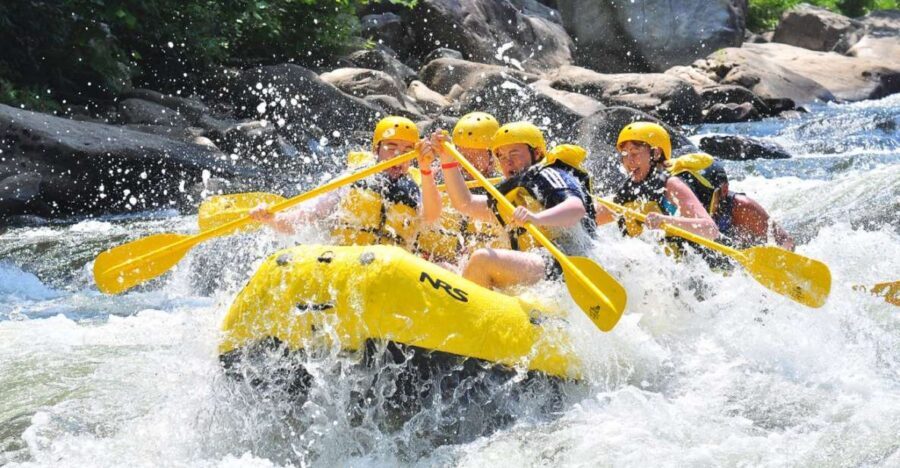
At $43 per person (about a 3-hour overall experience), this can look like a bargain or a warning label, depending on what you expect. The trick is to compare what’s included.
Here, you’re getting:
- a licensed English-speaking rafting guide plus a safety kayaker
- international standard rafting equipment
- lunch
- first aid kit and river permits
- one-way transport elements (tourist transport and public transfer are both included in the described package)
That’s the value equation. You’re not just paying for access to water. You’re paying for the staff, gear, safety system, and legal permissions that make rafting possible.
The only clear miss is personal insurance, which is not included. If you’re already covered through your own policy, you’re fine. If not, that’s the one gap you should fix before you go. Day rafting is the kind of activity where having the right coverage can save you a lot of hassle.
Who should book, and who should skip it
This rafting trip is a strong fit if you:
- want white-water rafting on the Trishuli River in a time-efficient format
- like structured adventure with a guide, safety kayaker, and clear briefing
- want a day that includes lunch on the river beach rather than just changing and rushing
It’s not a fit if you:
- are pregnant (explicitly stated)
- don’t want to get wet and sandy (you’ll want the change of clothes and sandals)
You’ll also enjoy it more if you’re comfortable with a day that’s mostly active, not scenic sightseeing. Even with lunch, the focus is the river and the rapids.
FAQ
FAQ
Where are the pickup locations for this rafting trip?
Pickup options are listed as Chitawan, Lumbini, Pokhara, and Kathmandu.
Which river do you raft on?
The rafting is on the Trishuli River.
How long is the rafting portion?
The rafting portion is about 2.5 hours.
What languages are the guides available in?
The live tour guide is available in English, Nepali, Japanese, and Hindi.
What’s included in the price?
Included items are licensed English-speaking guide and safety kayaker, international standard rafting equipment, lunch, first aid kit, river permits, and one-way tourist transport plus one-way public transfer.
Is personal insurance included?
No. Personal insurance is not included.
What should I bring with me?
Bring change of clothes and sandals.
Final call: should you book this Trishuli rafting day?
If you want a straightforward Trishuli River white-water rafting day with safety support, a real block of time on the water, and lunch timed before the upset rapids, this is a solid booking. The price looks fair because it’s paired with licensed guidance, equipment, permits, and a meal, not just a handoff.
Skip it only if the trip isn’t suitable for you personally—especially since it’s explicitly not for pregnant women—or if you know you can’t handle getting wet and dealing with sandy conditions. If you can handle that, you’ll likely walk away feeling like the river delivered exactly what it promised.