REVIEW · HISTORICAL TOURS
Traditional Kathmandu Day Tour with History and Mystery
Book on Viator →Bookable on Viator
A day in Kathmandu can feel like a blur. This tour slows it down and sends you into quieter corners of the valley with temple stops and village stories. I like the clear focus on daily life outside the main World Heritage circuit, and I also like that it’s built to help you meet people even if you’re traveling solo. One thing to consider: it’s not a “museum-and-monuments” day, so if you mainly want big iconic landmarks, this may feel more small-and-human than flashy.
What makes it work is the mix of sacred places and lived-in neighborhoods, all in one reasonably paced half-day to full-day swing. The guide brings context as you move through Kirtipur and surrounding areas, then you end at Taudaha Lake for a calmer finish. The downside is practical: entrances aren’t included for every stop, and there are no meals, so you’ll want to plan small expenses and snacks.
In This Review
- Quick hits before you go
- Why this Kathmandu day tour feels more personal than the usual circuit
- Price and logistics: what $32 really buys (and what it doesn’t)
- Getting started at Leknath Marg (and using the day’s rhythm well)
- Stop 1: Bagh Bhairab Temple in Kirtipur and that valley-view moment
- Stop 2: Chilancho Bahal and a Buddhist walk through tight lanes
- Stop 3: Khokana Bus Park and the village rhythm you almost miss
- Stop 4: Bungamati Museum, wood carving masks, and the pond vibe
- Stop 5: Taudaha Lake—peaceful walking, ducks in winter, and fish time
- How the guide’s stories turn streets into meaning
- Meeting people without forcing the vibe
- What to bring so the day stays easy
- The one booking risk to check before you commit
- Who this tour is best for
- Should you book this traditional Kathmandu day tour?
- FAQ
- Where does the tour start and end?
- What time does the tour begin?
- How long is the tour?
- Is there a mobile ticket?
- What’s included in the price?
- Are entrance fees included?
- Are meals or drinks included?
- What’s the group size?
- Can I get a full refund if I cancel?
Quick hits before you go
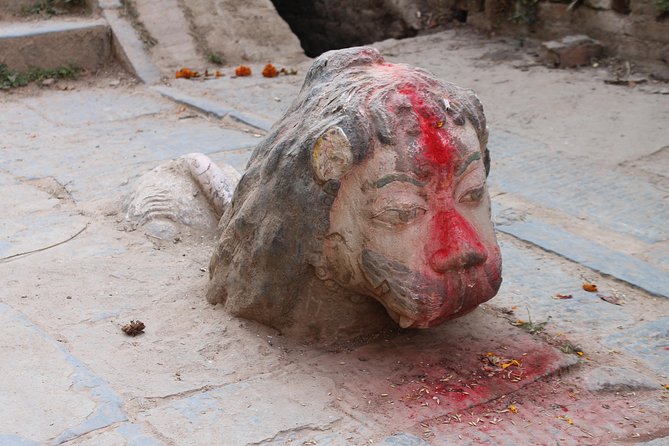
- Kirtipur first: view over the valley from Bagh Bhairab Temple and a walk through narrow lanes to Buddhist sites
- Newar villages, not the main track: Khokana and other less-visited areas focus on everyday culture
- A calm nature payoff: Taudaha Lake includes a peaceful lakeside walk and time by fish-filled waters
- Local crafts and pond-life: Bungamati Museum area includes traditional arts and wood carving masks
- Small-group friendliness: capped at 30 travelers, with a built-in “make friends” vibe
- Mobile ticket: reduces fuss on the day
Why this Kathmandu day tour feels more personal than the usual circuit
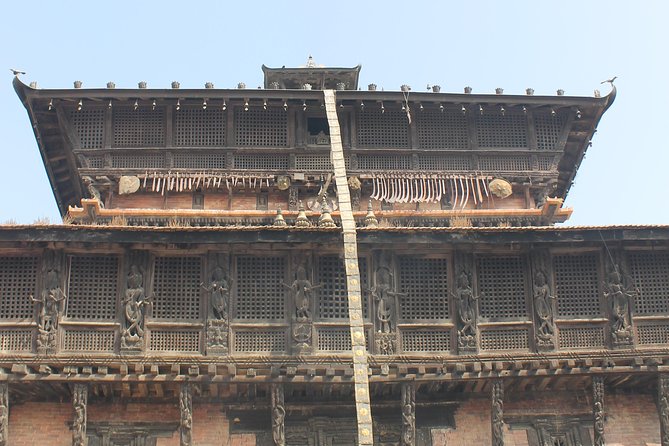
Kathmandu Valley has famous sights, but the “best moments” often happen on side streets—when you’re close enough to see how people live around temples, markets, and water. This tour is designed for that kind of day. You’ll spend most of your time in areas tied to the Newar community and their traditions, not only the well-photographed heritage hubs.
I like that the pacing supports actual looking. You’re not sprinting between landmarks. Instead, you get guided context while you walk through places where religious life blends into everyday routines. And because the day is aimed at friendship and social comfort, you’re less likely to feel stuck alone while moving around a busy city.
You can also read our reviews of more historical tours in Kathmandu

Price and logistics: what $32 really buys (and what it doesn’t)
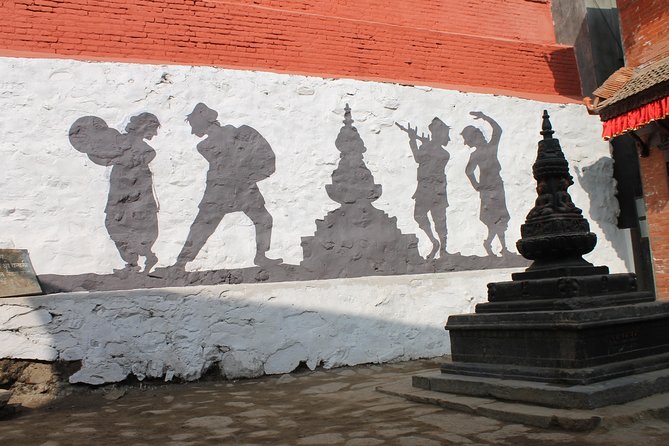
At $32 per person for about 5 to 7 hours, this is priced like a straightforward guided outing with a vehicle, not a high-end private experience. You do get an air-conditioned car, a government-certified English-speaking guide, and all taxes and service charges. For many independent travelers, that’s the main value: someone local guiding the day so you’re not guessing your way through temples and village lanes.
What’s not included is also important. Entrance fees aren’t covered for every stop, and no meals are provided, and there’s no bottled water. That means the real cost is “$32 plus a little extra,” depending on which sites charge you that day and how long you go before snacks. If you’re the type who likes to buy lunch on the spot, budget time to do that near your route; otherwise, bring a simple snack and water so you don’t have to scramble.
Also, there’s a reality check: the tour is limited to 30 travelers. That’s big enough to feel lively, but small enough that the guide can still manage the group. Still, if you dislike crowds or tightly packed walking, you may feel some squeeze in narrow lanes.
Getting started at Leknath Marg (and using the day’s rhythm well)
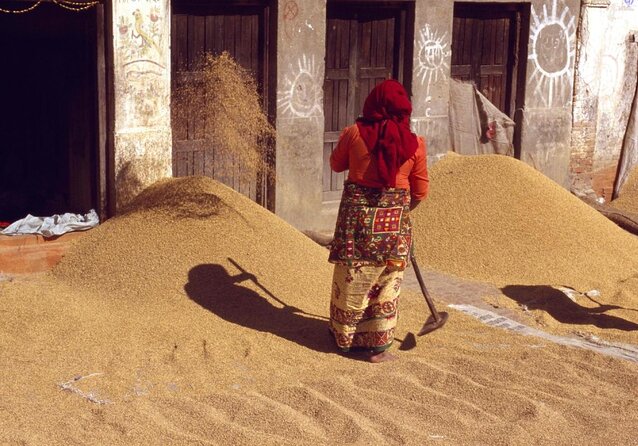
The day begins at 9:45 am at Leknath Marg, Kathmandu 44600, Nepal, and it returns to the same meeting point. That simplicity matters. You’re not dealing with multiple drop-offs or a complicated end location—just one clear starting place.
Because you’re on a fixed schedule, you’ll want to arrive a few minutes early. Also, since you’ll be outdoors for temple walks and village strolling, dress for comfort. Wear shoes you trust on uneven ground, and plan for indoor-to-outdoor transitions as the guide moves you between sacred and residential areas.
One more practical point: the itinerary includes both free and paid areas. You’ll likely save money at the free stops, but you should still have a little cash ready in case you hit paid entries, especially at the first and lake segments.
Stop 1: Bagh Bhairab Temple in Kirtipur and that valley-view moment
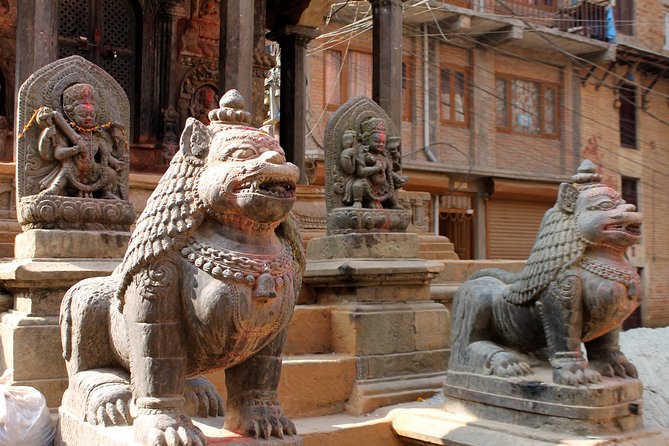
You’ll start in Kirtipur, with its own identity tied to the Newar community. The first stop is Bagh Bhairab Temple. From here, you can enjoy a topographical view of Kathmandu Valley—one of those “get your bearings fast” moments that helps the rest of the day make sense.
Bagh Bhairab is Hindu, and the setting gives you a sense of how sacred sites function as both spiritual places and viewpoint anchors. The guide’s commentary is the key benefit here: Kirtipur isn’t just a place you pass through—it has legends, stories, and mysteries you’ll hear along the walk.
Good to know: admission is not included for this temple stop, and the time on-site is about 30 minutes. That’s enough for the view and a short temple look, but not long enough to wander slowly if you’re the kind of visitor who wants to linger for ages.
Stop 2: Chilancho Bahal and a Buddhist walk through tight lanes
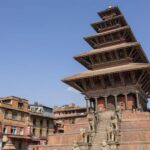
Next you move through Chilancho Bahal, described as a popular Buddhist temple in Kirtipur. You’ll also pass by Uma Maheshwar Temple along the route. This is where the tour shifts from viewpoint and legend to the feel of a lived neighborhood.
The experience here is the walk itself: narrow alleys, old-town textures, and the sense that religious spaces are woven right into daily movement. If you like architecture but also care about human scale—doorways, side shrines, small community corners—this section is a strong match.
Time is about 1 hour, and admission here is free. That makes it a nice balance: you’re not paying for every stop, and the guide can spend time interpreting what you see instead of racing you through entry lines.
Stop 3: Khokana Bus Park and the village rhythm you almost miss
Then comes Khokana, a traditional Newar town that’s described as less visited even by locals from Kathmandu. You’ll get a chance to watch everyday livelihood and the feel of traditional houses and culture in this area.
The tour description adds a memorable detail: you’ll not see chicken in the village. Whether that means there are different farming patterns or just specific local practices, it signals you’re not in the usual tourist-familiar type of street scene. It’s a “slow looking” stop—more about observing daily life than checking off a landmark.
Expect around 1 hour, and this stop is free. Because it’s less tourist-heavy by nature, it can feel more intimate. Just be respectful: these are working neighborhoods, not staged attractions.
Stop 4: Bungamati Museum, wood carving masks, and the pond vibe
After Khokana, you’ll visit Bugmati (Bungamati) Museum and the Macchendranath Temple. This stop leans into Newar culture and crafts. The museum area gives you a sense of the artistic side of village life—especially wood carving, including traditional masks made by locals.
There’s also a pond element here. Multiple traditional ponds are part of the environment, and that changes the mood from dry streets-and-stone to a softer, slower atmosphere. If you like photography, this kind of setting is where you’ll capture details that people miss when they only chase palace views.
Admission for this stop area is free, and you’ll spend about 1 hour. That’s a good slot because it’s long enough to see the main exhibits and temple area without dragging on into exhaustion. Still, if you’re not a “craft” person, you might want to focus on the mask-making details and any displays that explain materials and tradition.
Stop 5: Taudaha Lake—peaceful walking, ducks in winter, and fish time
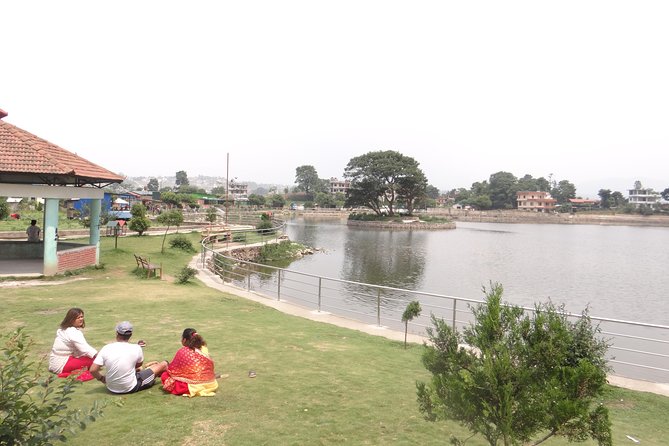
The final major stop is Taudaha Lake, about 10 km south of Kathmandu. It’s described as a lake with historical and religious importance. The day ends here with a calmer rhythm, and that’s exactly what you want after temples and village lanes.
Here’s what makes Taudaha special from a visitor perspective:
- In winter, Siberian ducks come for migration
- There are local myths and beliefs tied to the area
- It’s a home of a popular snake called Karkotatk Naag
- You can enjoy a peaceful walk around the lake
- Plenty of fish are in the water, and you can feed fish
That combination—quiet nature, light legend, and a gentle activity—makes Taudaha an easy emotional payoff. You’re not required to “perform” sightseeing. You can just walk, look, and take your time.
Timing is about 1 hour. Admission is listed as not included, so this is another place where you may need a small extra budget. Also, since bottled water and meals aren’t included, plan to bring water so you can stay comfortable while you walk and watch the fish activity.
How the guide’s stories turn streets into meaning
A lot of Kathmandu tours list stops. This one adds the part that matters: commentary that explains why places matter. The tour description calls out legends and mysteries, and it’s the kind of framing that makes a temple or lane feel like a living story rather than a random stop.
You’ll notice this effect most in Kirtipur and the village segments. The guide’s job isn’t only translation; it’s helping you understand the local “why.” When you know a little more about the area’s cultural logic—religion, community identity, and the relationship between people and sacred spaces—you’ll remember the day longer than the usual checklist.
Meeting people without forcing the vibe
This is labeled as a friendship-style day tour, with the explicit aim that solo travelers shouldn’t feel lonely. That doesn’t mean it turns into a forced group party. It means your schedule includes enough shared walking and shared stops that conversations can happen naturally.
With a maximum group size of 30, you’re unlikely to be stuck in a tiny clique, and you also aren’t facing a huge crowd where everyone disappears instantly. If you want to chat, the shared timing at temples and viewing points gives you natural moments to ask where someone else is from or what they’re doing next.
If you’re shy, you can still enjoy the day. You’ll get guided explanations and enough structure to not feel lost. Think of it as “guided plus social optional.”
What to bring so the day stays easy
Because entrance fees and meals aren’t included (and bottled water isn’t provided), you’ll want to show up ready for real-life comfort.
Bring:
- Water (at least one bottle), since bottled water isn’t included
- A small snack if you tend to get hungry mid-day
- Cash for any paid entries
- Comfortable walking shoes
- Sun protection (the lake stop and village lanes can be bright)
Also, keep your expectations realistic. Some stops are free and fast. Others may require an entry payment. Plan on a “choose flexibility” approach: if you’re tired, ask the guide where to focus so you still get the most from each stop.
The one booking risk to check before you commit
One of the biggest warning signs you should respect: there is at least one report of the tour not actually existing or not running as expected. That’s rare, but it’s serious when you’re on a limited schedule.
My practical advice:
- Confirm that your date is showing as active and operating before you finalize anything else that day
- If you’re in Kathmandu for only a short window, consider having a backup plan for your morning or a similar day tour
- Keep your confirmation details on your phone so you can quickly verify the pickup reality at Leknath Marg
This kind of “mismatch” is more likely to impact people with tight itineraries, not flexible travelers.
Who this tour is best for
This day tour is a strong fit if you:
- Want Kathmandu Valley culture beyond the most famous heritage stops
- Like village life, temple context, and walking with a guide’s narrative
- Travel solo and prefer a structured day where meeting people is easier
- Enjoy crafts and everyday community details (the mask wood carving angle helps here)
It may be less satisfying if you:
- Want only major landmarks and signature monuments
- Prefer a tour where meals are fully covered and you don’t want to manage anything yourself
- Hate uncertainty around paid entrances
Should you book this traditional Kathmandu day tour?
I think it’s worth considering—especially because it targets the less-touristed Newar areas and ends with a genuinely calm natural stop at Taudaha Lake. The guide-led storytelling is the value engine here: you’ll come away with more meaning than just photos of temples.
Book it if you’re curious about how people live around sacred sites, and you’re happy to bring your own water and snack. Don’t book it if you’re traveling with very tight time windows and can’t handle the small operational risk shown by that one negative report.
If you do book, come prepared for a “real day” pace: walking, a mix of free and paid entries, and a final hour that’s more about calm than sprinting to the next photo.
FAQ
Where does the tour start and end?
It starts at Leknath Marg, Kathmandu 44600, Nepal, and ends back at the same meeting point.
What time does the tour begin?
The start time is 9:45 am.
How long is the tour?
It runs approximately 5 to 7 hours.
Is there a mobile ticket?
Yes, the tour includes a mobile ticket.
What’s included in the price?
You get an air-conditioned vehicle, a government certified licensed English-speaking guide, and all service charges and taxes.
Are entrance fees included?
Entrances or tourist entry tickets are not included. Some stops are listed as free, but others, like Bagh Bhairab Temple and Taudaha Lake, are listed as admission ticket not included.
Are meals or drinks included?
No. Any meals or drinks are not included, and bottled water is not included.
What’s the group size?
The tour has a maximum of 30 travelers.
Can I get a full refund if I cancel?
Yes. You can cancel up to 24 hours in advance for a full refund.