REVIEW · ANNAPURNA CIRCUIT TREKS
Kathmandu: 8-Day Annapurna Circuit Trek via Thorong La Pass
Book on GetYourGuide →Operated by MTA Trekking Pvt. Ltd. · Bookable on GetYourGuide
Thorong La hits like a movie scene. This 8-day trek strings together dramatic mountain stages with classic villages, then tops it off with the big crossing at 5,416m and a final stop at the Muktinath Temple.
What I really like is the way the trip keeps you moving toward views without completely ignoring safety. I also appreciate the human side: guides such as Chakra, San Bhai, Shishir, and Ghanshyam show up again and again in feedback for being calm, responsive, and very focused on making you feel secure. One consideration: the route can feel fast-paced for anyone who’s not fit or who worries about altitude, even with a Manang rest day built in.
In This Review
- Key Points Worth Noticing
- Annapurna Circuit via Thorong La: Why This Route Feels Different
- Kathmandu to Chame: The Ride That Matters More Than You Think
- Chame to Pisang: Pine Forests, Apple Orchards, and Suspension-Bridge Views
- Pisang to Manang: Braga, Monastery Stops, and the Long View Trend
- Manang Acclimatization Day: Your Best Weapon Against Altitude Sickness
- Yak Kharka to Thorong Phedi: Juniper, Alpine Pasture, and Base-Camp Energy
- Crossing Thorong La at 5,416m: Early Start, Wind Advice, and the Gorge Finish
- Muktinath to Pokhara: From High-Pass Silence to Lakeside Reset
- Value for $348: What You’re Really Paying For
- Packing and Altitude Reality Check (Without Panic)
- Should You Book This Annapurna Circuit via Thorong La?
- FAQ
- How long is the trekking program?
- Where does the trek start and end?
- What is the highest point on this trek?
- Are meals included?
- What accommodation is included?
- Do I need trekking permits?
- What should I pack for cold conditions?
- Is a guide included, and what languages do they speak?
- Is porter service available?
- Is the tour suitable for everyone at altitude?
Key Points Worth Noticing
- Upper Pisang: a rare stretch where the village setting and big peak views feel close
- Thorong La Pass timing: early start around 4 AM to help avoid strong winds
- Manang acclimatization: a true reset day before the high, exposed section
- Muktinath Temple: a pilgrimage stop for Hindus and Buddhists after the long descent
- Teahouse sleeping most nights: expect simple comfort and spend your effort on the walking
Annapurna Circuit via Thorong La: Why This Route Feels Different
The Annapurna Circuit has a reputation for variety, and this version delivers it in a tidy, doable package: forest and orchards early on, alpine pastures later, then a high-pass day that changes your entire perspective. You start with drive-and-trek segments that make Day 1 feel like it sets the rhythm, not like a sudden wall of altitude.
You’ll be walking through places that still feel like home to local life, not just a sightseeing corridor. Suspension bridges, apple orchards, juniper forests, prayer flags, and alpine grazing areas show up along the way. The high point is Thorong La Pass at 5,416 meters, but the real payoff is how the scenery keeps shifting as your body climbs.
You can also read our reviews of more hiking tours in Kathmandu
Kathmandu to Chame: The Ride That Matters More Than You Think
Your trek begins with a long transfer out of Kathmandu. Plan for a 9–10 hour drive through towns and green hills to Besisahar, then you switch to a local jeep for a 3–4 hour onward stretch toward Chame. It’s a big travel day, but it pays off: you arrive in time to settle into teahouse life and sleep before the first real climb.
This is also where you can set up your practical win for the trek. Use the ride to get your layers organized, confirm your trekking permit paperwork has been handled (your guide handles permits and the TIMS fee), and pack anything you’ll want for morning light. If you’re the type who hates fumbling at trailhead time, the early prep on this day helps a lot.
What to watch: roads can be winding and slow. If you get carsick, bring what you need, because the day is built on transit hours, not comfort.
Chame to Pisang: Pine Forests, Apple Orchards, and Suspension-Bridge Views
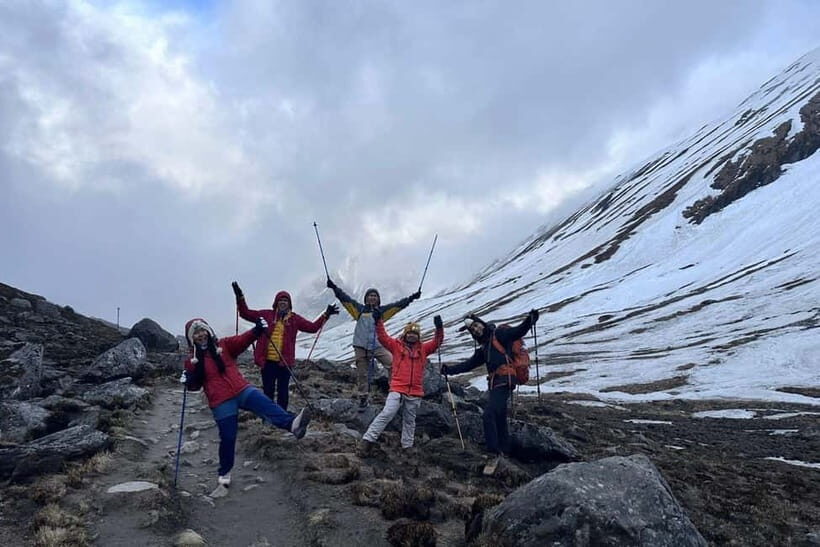
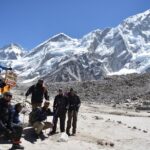
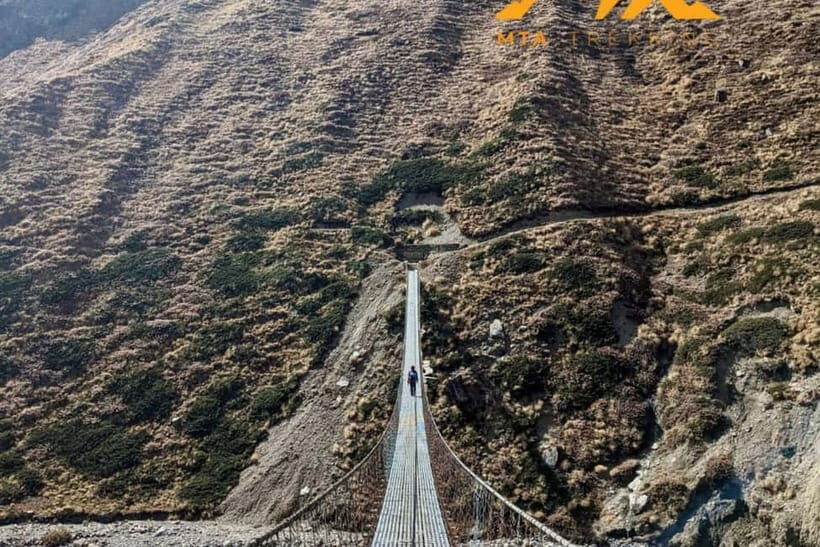
Day 2 is a classic “get moving, then get rewarded” day. You trek from Chame to Pisang in about 4–5 hours, passing through pine forests and apple orchards. You’ll cross a suspension bridge, then start climbing toward Dhukur Pokhari for lunch.
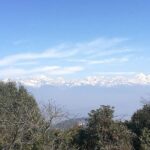
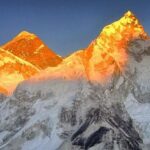
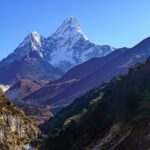
The clever part of this day is how it layers rewards. The walking isn’t just hard climbing; it’s a sequence of changing terrain. When you reach Pisang, you’re in the right zone for big sightlines, including views tied to Annapurna II, Annapurna IV, and Pisang Peak.
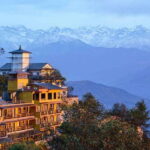
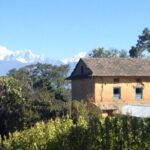
Then comes the village time: you explore Upper and Lower Pisang and sleep in a teahouse. Upper Pisang in particular is a standout for the kinds of mountain views that feel framed by the village itself, not just spotted from a random trail bend. If you like the “small place, huge backdrop” feeling, you’ll enjoy this stop.
Pisang to Manang: Braga, Monastery Stops, and the Long View Trend
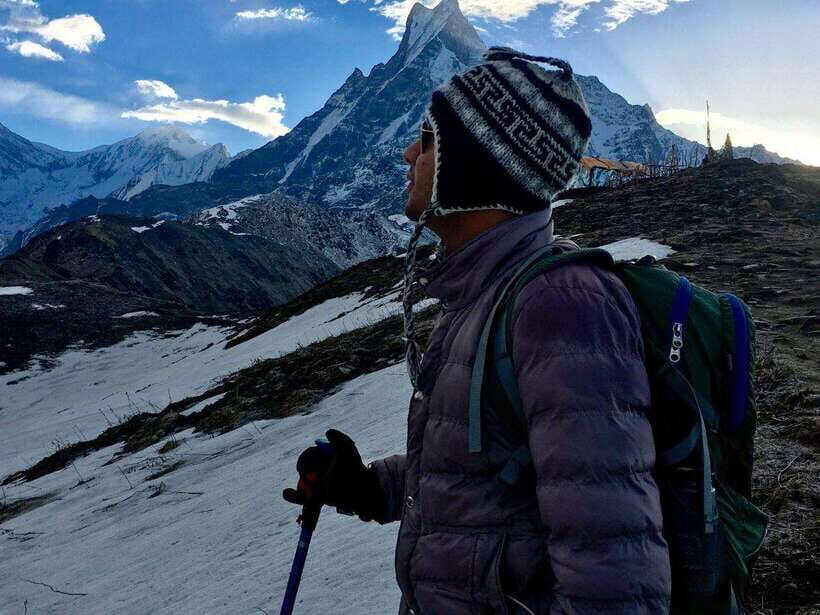
Day 3, Pisang to Manang, takes about 5–6 hours. You’ll trek through pine valleys and pass through Braga, with an option to visit its hillside monastery if it’s open. Even when it’s just a quick visit, it adds a cultural beat to the hiking rhythm, and it’s the kind of stop that makes the trek feel less like a checklist.
The walking continues with suspension bridges and slopes, then you finish in Manang. This is where the Annapurna Circuit starts to feel more alpine. In Manang, you settle into a teahouse and get views of Annapurna and Gangapurna.
A practical note: Manang is also where you’ll feel the altitude more clearly. That’s normal. The key is staying calm that night, eating what you can, and not turning Day 3 into a “let’s power through” day.
Manang Acclimatization Day: Your Best Weapon Against Altitude Sickness
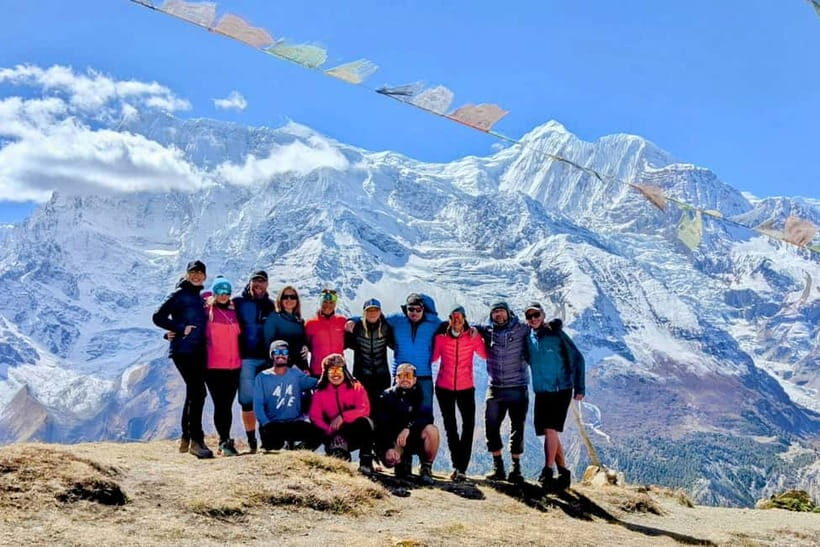
Day 4 is an acclimatization day in Manang, and it’s not filler. You rest and adjust so your body has a better chance when Thorong La day shows up. You can explore viewpoints, monasteries, and a cultural museum at a relaxed pace.
There’s also optional hiking for glacial-lake views, with sights tied to Gangapurna and Tilicho peaks. Even if you keep it short, the value is that you test your breathing at altitude without committing to a huge elevation spike.
I like acclimatization days like this because they give you something useful to do besides worry. You’re not stuck in your room counting hours. You’re walking gently, taking in the cultural side, and giving your body a better chance later.
Yak Kharka to Thorong Phedi: Juniper, Alpine Pasture, and Base-Camp Energy
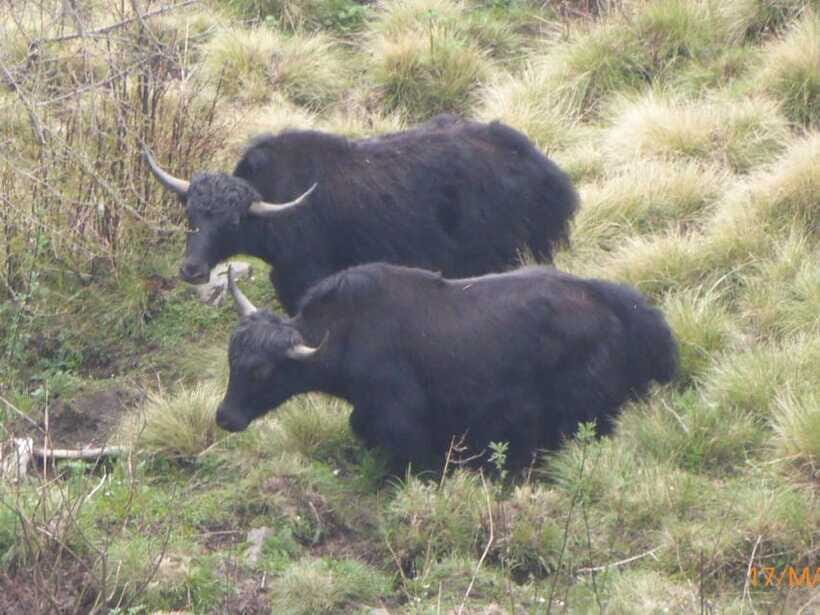
Day 5 takes you from Manang to Yak Kharka in about 4 hours. It’s a steady climb past Tengi, and you’ll cross paths with locals and pack animals. There’s a lunch stop in Gunsang, where you get views of Annapurna II and Annapurna IV, before you continue through juniper forests to Yak Kharka.
What this day does well: it keeps the effort consistent. Instead of one big jump, it builds altitude gradually. That matters for comfort and for keeping morale high.
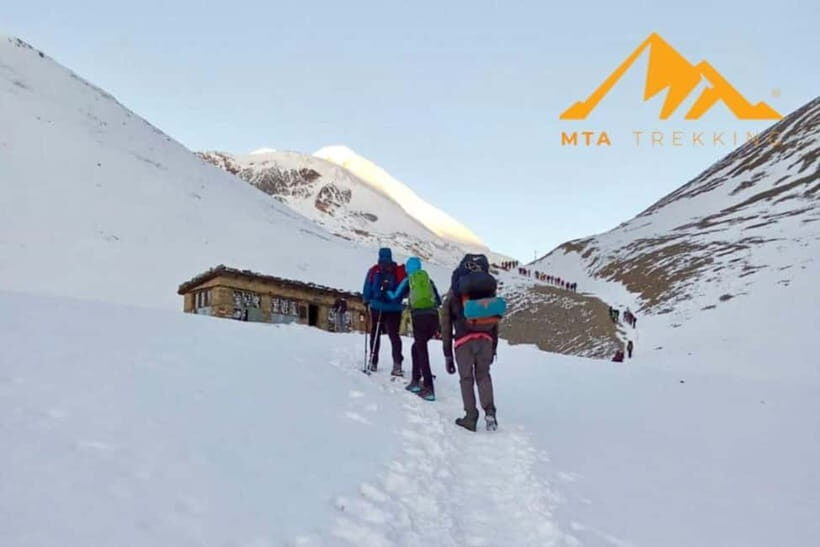
Day 6, Yak Kharka to Thorong Phedi, takes about 4–5 hours. You move into alpine pastures, where you might see roaming horses and Himalayan griffons. You cross another suspension bridge and then tackle rocky slopes to Thorong Phedi, which is the base camp for the big pass.
This is also the day that shifts your mindset. You’re not just trekking now; you’re preparing for an exposed, early-morning crossing. Take your time at dinner, double-check warm layers, and sleep like you mean it.
Crossing Thorong La at 5,416m: Early Start, Wind Advice, and the Gorge Finish
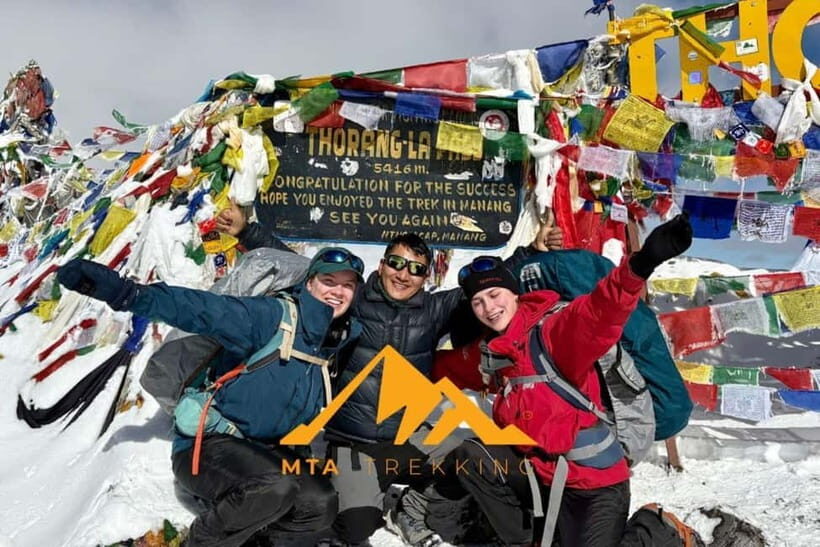
Day 7 is the headline day: Thorong Phedi to Muktinath via Thorong La, about 7–8 hours. You start very early, around 4 AM, to help avoid strong winds on the pass at 5,416 meters. That timing isn’t a random suggestion; it’s practical mountain advice. In high passes, conditions change fast, and morning weather tends to be more manageable.
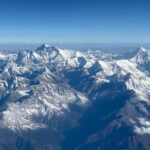
As you climb, you’ll see snow-capped peaks and prayer flags fluttering. Your guide helps you cross safely, and the route through the pass is where your trekking experience turns into something more intense: a long, cold, bright stretch where staying steady matters more than speed.
Then you descend into the Kali Gandaki Gorge, described as one of the world’s deepest. The gorge is dramatic because it compresses scale: steep walls, shadowed sections, and a long sense of travel downward.
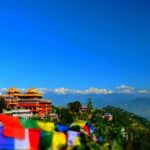
Finally, you reach Muktinath, a sacred pilgrimage site for both Hindus and Buddhists. You explore temples and shrines, then spend the night in a teahouse.
For many people, this is the emotional contrast point. You go from the raw effort of high altitude to a place built around ritual, devotion, and long-standing tradition.
Muktinath to Pokhara: From High-Pass Silence to Lakeside Reset
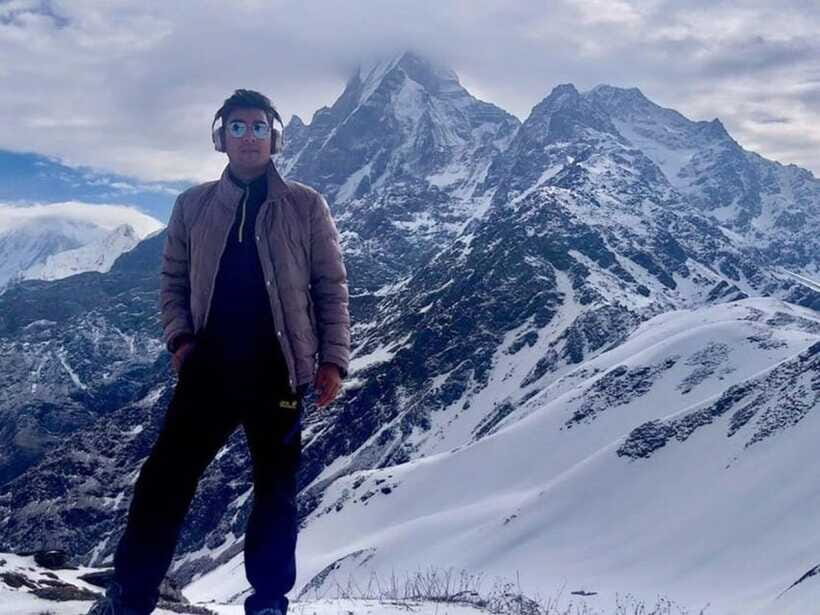
Day 8 is a travel-and-recovery day. You head from Muktinath to Pokhara by local bus for 9–10 hours, driving through the lower Mustang Valley. It’s a long sit, but it’s also a useful landing step after a demanding week.
When you arrive, you check into Hotel Orchid for your final night. Then you can reset: stroll the lakeside streets, eat local or international food, and enjoy a proper night where you’re not counting steps.
The trip also includes a farewell with Nepalese typical dinner in Lakeside Pokhara, which gives your last evening a memorable anchor.
Value for $348: What You’re Really Paying For
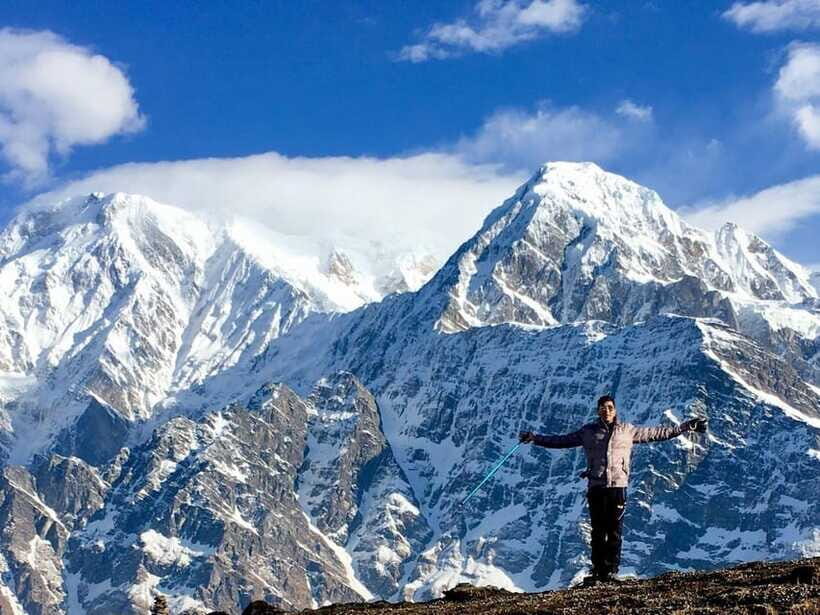
At $348 per person for an 8-day trek, you’re buying more than route planning. You’re paying for logistics that protect your time and your mental energy.
Here’s what the package includes that often costs extra when you arrange it yourself:
- Teahouse/lodge accommodation for 7 nights during the trek
- A tourist standard luxury hotel in Pokhara for the last night (Hotel Orchid)
- All meals during the trek for Full Package (breakfast, lunch, dinner)
- Trekking permits and all necessary paperwork, plus the TIMS fee
- Guide support with their insurance included
- Transport connecting Kathmandu, trekking access points, and Pokhara
- A Nepalese farewell dinner in Pokhara
- A comfortable AC tourist bus from Pokhara to Kathmandu is listed as part of the included transportation
What’s not included is also important for true value:
- Porter help is available at $20 per day (you’ll want this if you’d rather conserve energy for the pass)
- Mineral water, tea/coffee beside breakfast, hot water/hot shower aren’t included
- If you choose a Standard Package, meals beyond what’s listed will not be covered
So the question isn’t just whether $348 is low. It’s whether the included structure matches how you like to travel. If you want someone else handling permits, transport timing, and day-to-day logistics, this feels like strong value.
If you’re the type who enjoys heavy self-planning and already has permits sorted, you may feel the price is more about convenience than savings.
Packing and Altitude Reality Check (Without Panic)
You’ll want warm clothing, sunglasses, sunscreen, and comfortable trekking clothes. Bring travel insurance, plus a passport (a copy is accepted) and an ID card (a copy is accepted). If your trekking permits need your details in advance, the operator asks you to send your passport copy before they prepare paperwork.
A key note: you should bring your own sleeping bag for winter treks (November–December), or contact them to arrange a rental. That’s a practical detail, and it matters because you’ll be sleeping in teahouses where warmth varies.
Also consider who this trek is designed for. It’s not suitable for pregnant women, people with altitude sickness, or people over 70 years. The pass and altitude demands are real, even with an acclimatization day.
The good news: you’re not hiking blind. You’re crossing a planned route with a guide, and you start the pass early to reduce exposure to strong winds.
Should You Book This Annapurna Circuit via Thorong La?
Book this trek if you want a classic Annapurna experience with a clear high-point objective and solid support. The mix of Upper Pisang views, a meaningful Manang acclimatization day, and then the big Thorong La crossing followed by Muktinath makes this more than “just a hike.” It’s also structured enough that you can focus on walking and taking in the world around you.
Skip or rethink if you’re worried about a fast pace relative to your fitness level. Reviews highlight that it’s paced to cover a lot of ground, and the rest day helps, but you still need to be honest about your stamina and comfort at altitude.
Finally, choose it if you like the teahouse rhythm and don’t mind long transit days. If that’s your style, $348 can be good value because the package handles permits, guide support, and most major logistics.
FAQ
How long is the trekking program?
It lasts 8 days.
Where does the trek start and end?
It starts with travel from Kathmandu to the trekking route area, and it finishes with a drive to Pokhara from Muktinath.
What is the highest point on this trek?
Thorong La Pass is the highest point at 5,416 meters.
Are meals included?
Meals are included during the trek for the Full Package. For the Standard Package, meals are not included as listed.
What accommodation is included?
The package includes tea house/lodge accommodation during the trek for 7 nights, plus 1 night at Hotel Orchid in Pokhara.
Do I need trekking permits?
Yes. The package includes trekking permits, necessary paperwork, and TIMS-related fees.
What should I pack for cold conditions?
Bring warm clothing. For winter treks (November–December), you should bring your own sleeping bag or contact for a rental.
Is a guide included, and what languages do they speak?
An authorized English-speaking guide is included, and the live tour guide is listed as English and Hindi.
Is porter service available?
Porters are available to hire for $20 per day.
Is the tour suitable for everyone at altitude?
No. It’s listed as not suitable for pregnant women, people with altitude sickness, and people over 70 years.