REVIEW · BHAKTAPUR & PATAN DAY TRIPS
Patan and Bhaktapur Boutique Tour
Book on Viator →Operated by Amazing Kathmandu Tours · Bookable on Viator
Patan and Bhaktapur feel like two answer keys for Newar art. This day trip is built for real looking: you’ll walk through Patan Durbar Square and Bhaktapur Durbar Square, then slow down for smaller details like the Golden Temple, the carved water spout at Manga Hiti, and the pottery hands at Pottery Square. I also like the practical setup—an air-conditioned van, onboard WiFi, and a guide handling the flow for a small group (max 10).
One thing to plan for: major squares usually require paying entrance fees in cash at the gate, so your final cost can creep up from the base price once you add NRPs.
In This Review
- Key highlights worth your time
- Patan and Bhaktapur: what this 9.5-hour day really delivers
- Price and logistics: where the $40 goes (and what to budget)
- Stop-by-stop in Patan: from Patan Dhoka to Durbar Square
- Patan Dhoka (Patan Gate)
- Pimbahal
- Nag Baha Galli (Nagbahal)
- Golden Temple (Hiranya Varna Mahavihar)
- Manga: Water Stone Spout (Manga Hiti / Manga Dhara)
- Patan Museum (restored Malla-era palace)
- Patan Durbar Square (UNESCO)
- Bhaktapur portion: temples, gates, and craft in the same day
- Bhaktapur Durbar Square (UNESCO)
- Pottery Square: watch the craft happen
- Taumadhi Square: Nyatapola Temple
- Dattatraya Temple: the Peacock Window
- A final walk through Patan’s connected lanes
- What I think makes the route work (beyond the obvious sights)
- Lunch, coffee, and the timing gap you should plan for
- Who this tour suits best
- How the guides can shape your experience
- Should you book the Patan and Bhaktapur Boutique Tour?
Key highlights worth your time
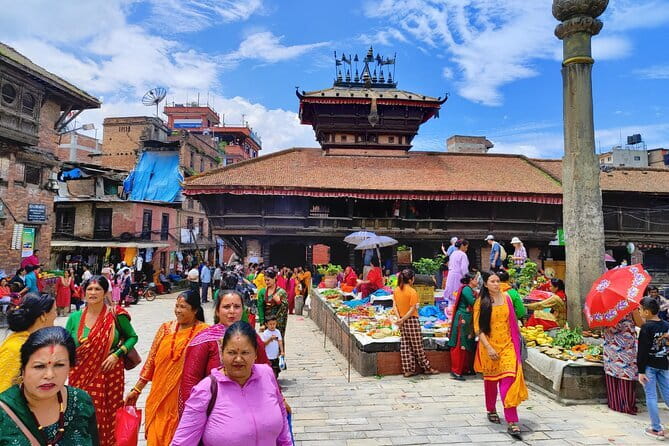
- UNESCO World Heritage immersion in both Patan Durbar Square and Bhaktapur Durbar Square, not just photo stops
- Small-group pace (up to 10) with a dedicated guide and time for short walks and explanations
- Temple and craft mix: pagodas, stone-carved details, water spouts, and pottery-making in action
- Guided context at religion-heavy sites, from Asta Matrika paintings at Patan Dhoka to serpent festival traditions around Nagbahal
- Good morning timing with a start around 8:30 am so you can see more before the heat and crowds stack up
Patan and Bhaktapur: what this 9.5-hour day really delivers
This tour strings together two historic cities that are close enough for a single day, but different enough to feel like separate journeys. You get the big-ticket sights—temple squares, palaces, and UNESCO sites—plus a handful of stop-and-look moments that help you understand what you’re seeing. The big win is that the day isn’t just a checklist. It’s structured walking with time to absorb carvings, courtyards, and working craft life.
The duration is about 9 hours 30 minutes, and that includes transportation plus time for lunch and a coffee stop (both not included). The group size stays under 10, which matters in these dense old-city lanes. You won’t be trapped in a long human chain the whole time.
Physically, you’ll want moderate fitness. You’re walking through older streets and temple areas, so expect uneven pavement and lots of steps in and around squares. If you’re traveling with a stroller or very young kids, this one won’t fit—minimum age is 9, and children under 9 aren’t allowed to sit on laps due to insurance rules.
You can also read our reviews of more tours and experiences in Kathmandu.


Price and logistics: where the $40 goes (and what to budget)
The base price is $40 per person, which is fairly solid for a guided day that includes:
- air-conditioned vehicle
- onboard WiFi
- a guide
- mobile ticket
But the tour also calls out something important: entrance fees are not included, especially for Durbar Squares. You’ll need to pay at the entrance in cash. Patan and Bhaktapur Durbar Square access is listed as NRP 1000 (about US$9). The instructions also recommend paying a minimum of NRP 100 as a donation to the Royal Kumari, which is another note that can add to your total.
So, think of the real budget as:
- your $40 tour price
- plus square entrance fees in cash
- plus lunch and coffee (since those aren’t included)
I like this setup because it’s transparent, and you can control the spending by planning your cash before you go.
For meeting points: the start is around 8:30 am, with pick up described from Boudha and KGH Hotel in central Thamel. Your stated meeting point is Filli chai at Kathmandu Guest House Road. In practice, that usually means you’ll either be collected from a pickup point or you’ll meet at that location—either way, it’s worth arriving a few minutes early so you don’t start the day stressed.
Stop-by-stop in Patan: from Patan Dhoka to Durbar Square
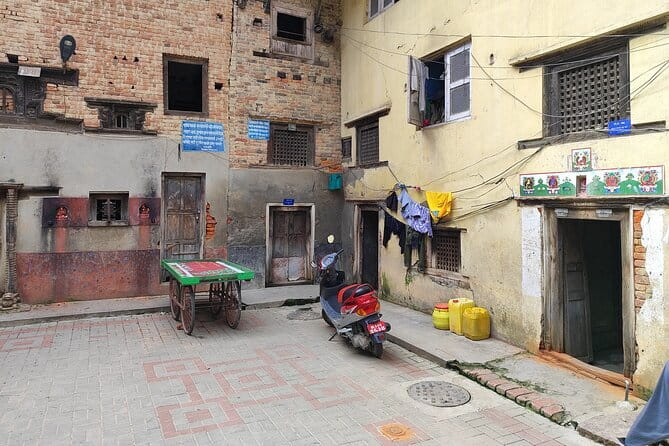
Patan (Lalitpur) feels like Nepal’s version of a carved museum, except you’re walking through it like a local route. The day’s Patan portion is packed, but the timing gives you brief breathing room at each stop.
Patan Dhoka (Patan Gate)
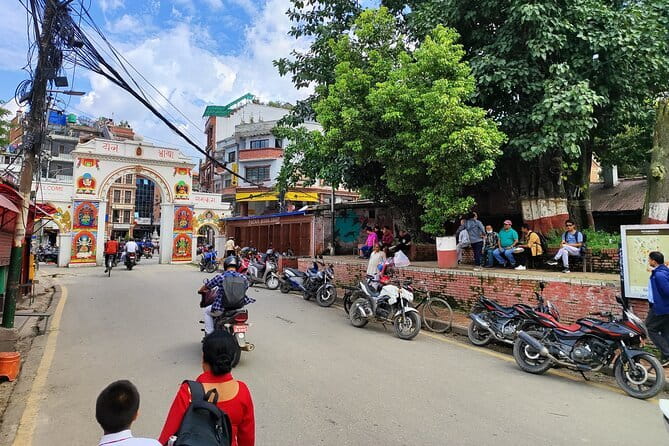
Your tour begins at Patan Dhoka (Patan Dhoka). This is the historic gate marking the entrance to the ancient city. It’s decorated with paintings of the Asta Matrika—the eight mother goddesses. That matters because gates in these cities aren’t random ornaments. They’re a visual reminder that the city was designed around belief, ceremony, and protection.
Time on this stop: about 15 minutes.
Admission here is free.
Pimbahal
At Pimbahal, you’ll see how ancient travelers, pilgrims, and traders handled daily life: cooking, fetching water, and resting. The guide also shares the story of Gaya Baje, a Hindu priest. Even if you’re not religious, these courtyard spaces help you understand why the city’s architecture feels intimate and practical, not just ceremonial.
Time on this stop: about 20 minutes.
Admission is listed as free.




Nag Baha Galli (Nagbahal)
Nagbahal is a serpent-focused courtyard. The tour connects it to Samyak Mahadan, a festival of giving that happens every five years. Whether or not you’re there in festival season, the point is that you’re not just seeing a cool courtyard—you’re learning why it’s shaped the way it is.
Time on this stop: about 30 minutes.
Admission is listed as free.
Golden Temple (Hiranya Varna Mahavihar)
This is one of the highlights. The Golden Temple is a three-story pagoda with a gilded roof and intricate carvings. It’s dedicated to Gautam Buddha, and the atmosphere tends to feel quieter than the surrounding streets. It’s a good moment to slow down, look at the carvings, and notice how the religious function shapes the architecture.
Time on this stop: about 30 minutes.
Admission is not included, so plan for an extra fee if needed.
Manga: Water Stone Spout (Manga Hiti / Manga Dhara)
Manga Hiti is a historic stone water spout built during the Lichhavi period. What you’ll like here is that it’s functional. It’s also carved—gods, details, and designs that turn an everyday water source into public art.
Time on this stop: about 15 minutes.
Admission is free.
Patan Museum (restored Malla-era palace)
Patan Museum sits in a restored Malla-era palace, which means you get two layers at once: the museum exhibits and the building itself as a cultural artifact. If you’ve enjoyed the street carvings so far, this stop helps you connect the dots with context—why things were made, what they represent, and how they fit into broader Nepali art.
Time on this stop: about 30 minutes.
Admission is not included.
Patan Durbar Square (UNESCO)
Then you reach the main square: Patan Durbar Square, another UNESCO World Heritage site. This area is tied to the Malla kings’ royal palace world and is packed with intricately carved temples, courtyards, and open spaces. It’s the kind of site where you’ll see different details each time you turn your head: doorframes, stone motifs, small shrines, and multiple levels of architecture.
Time on this stop: about 30 minutes.
Admission is not included, and you’ll pay at the entrance.
Bhaktapur portion: temples, gates, and craft in the same day
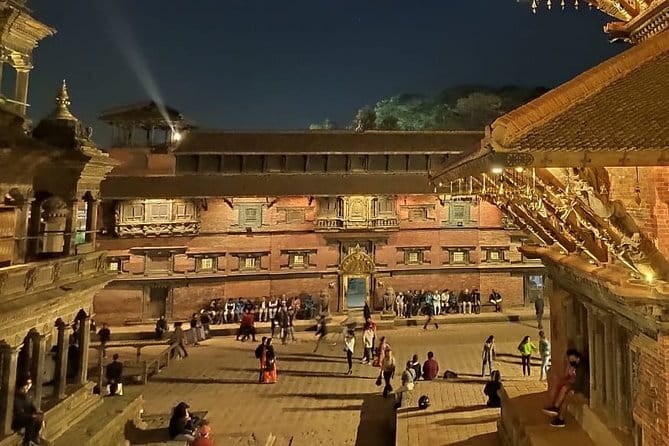
After Patan, you’ll shift gears to Bhaktapur. Bhaktapur Durbar Square can feel more condensed and iconic—like the whole city is a set of repeating architectural themes. This part of the day is where the tour adds variety beyond just temples.
Bhaktapur Durbar Square (UNESCO)
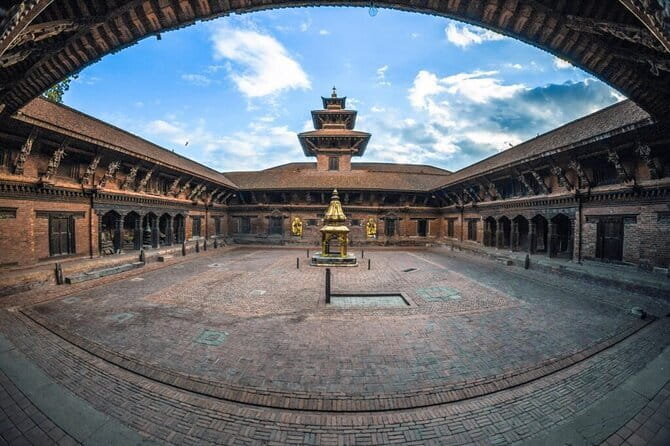
This UNESCO site is known for traditional Newar architecture and a collection of ancient temples, court spaces, and historic structures. If Patan is the art-and-royal-palace vibe, Bhaktapur leans into the feeling of a living old-city center.
Time on this stop: about 30 minutes.
Admission is not included.
Pottery Square: watch the craft happen
Pottery Square is where the day starts to feel more everyday. You’ll spend time around artisans working with clay and selling handmade pottery. You get a chance to see the craft process and the business side of it, not just admire finished objects.
Time on this stop: about 30 minutes.
Admission is not included.
If you’re shopping, I suggest keeping it simple: pick one or two pieces you genuinely like, not ten souvenirs you’ll carry until the end of the trip. And ask questions about how items are made if your guide has time.
Taumadhi Square: Nyatapola Temple
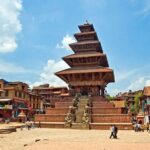
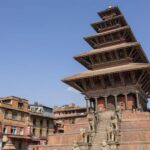
At Taumadhi Square, you’ll find the five-story Nyatapola Temple, one of the tallest temples in Nepal. It’s dedicated to the goddess Siddhi Lakshmi, and the temple’s height and layered design make it a powerful stop even if you’re not big on temples.
Time on this stop: about 30 minutes.
Admission is not included.
Dattatraya Temple: the Peacock Window
Dattatraya Square is home to the Dattatraya Temple dedicated to the idea of Brahma, Vishnu, and Shiva unity. The standout detail here is the Peacock Window. If you like spotting fine stonework and symbolic motifs, this is a fun place to slow down and look at how the window is shaped and decorated.
Time on this stop: about 30 minutes.
Admission is free.
A final walk through Patan’s connected lanes
There’s also a final Patan segment that focuses on walking through narrow connected pathways and open spaces—palaces, stupas, and peaceful temples. The point is to give you a less formal feel after the big squares, so you’re not spending the entire day only in the headline monuments.
Time on this stop: about 30 minutes.
Admission is free.
What I think makes the route work (beyond the obvious sights)
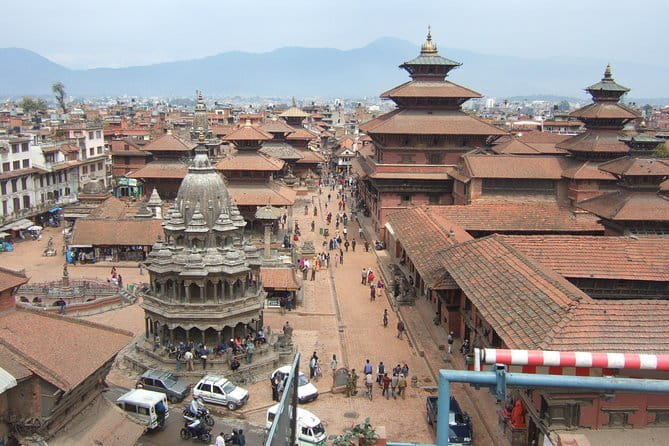
You might be wondering if cramming two UNESCO cities into one day turns into rush hour sightseeing. The route helps because it alternates high-impact monuments with smaller “pattern recognition” stops.
- You start with gates and courtyards, which teaches you the logic of old-city design.
- Then you hit major temple icons like the Golden Temple and Nyatapola Temple, where your eyes can rest on scale and carving.
- Then you switch to craft: Manga Hiti (public art you can imagine using) and Pottery Square (working skills you can see).
That mix makes the day feel more like understanding than just collecting landmarks. Also, the guide and the air-conditioned van make a difference on long days. Old cities require patience; transport comfort reduces the stress.
Lunch, coffee, and the timing gap you should plan for
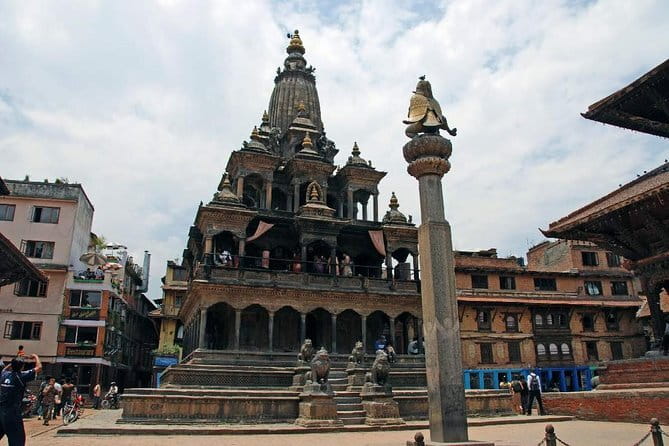
The tour duration includes time for lunch and a coffee stop, but neither is included in the ticket. That means you’ll want to be flexible about what you eat and where you stop. If you have dietary restrictions, this is the part where you’ll likely want to communicate early with your guide.
A practical tip: since you’ll be paying entrance fees in cash, it’s smart to keep your cash portion accessible for the day, not packed away in a bag you need to unzip every time you stand up.
Who this tour suits best
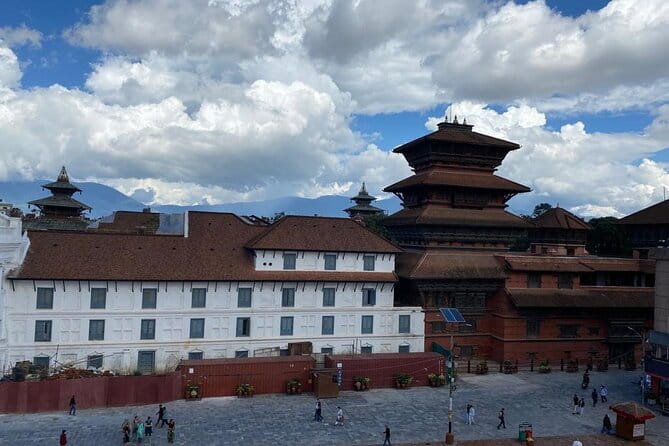
This is a good fit if:
- you want UNESCO sites but also want time to notice details
- you like guided context at religious and historical sites
- you prefer a smaller group for walking in tight old-city lanes
- you’re okay paying a few extra admission fees on top of the base price
It might be less ideal if:
- you’re very sensitive to walking and steps
- you’re traveling with kids under 9 (not allowed to sit on laps for insurance reasons)
- you hate carrying cash for entrance payments
If you’re the type who enjoys architecture and craftsmanship—water spouts, windows, pagoda layers, stone carvings—this day should click.
How the guides can shape your experience
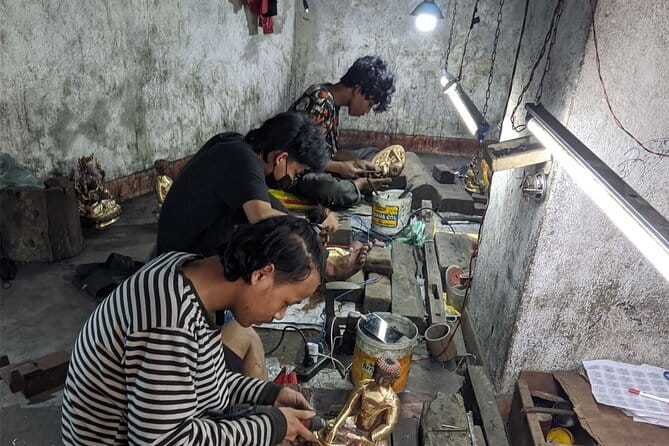
The guides here are a big part of why this tour gets strong comments. One guide named Shreya Karki is praised for explaining Nepal’s culture, history, and traditions clearly. Another guide, Santosh, is also highlighted for charm and an organized feel across multi-site days. Even if your guide isn’t the same person, you can expect that the explanations are a major part of the tour value, not just a vehicle driver and a timer.
Should you book the Patan and Bhaktapur Boutique Tour?
I’d book it if you want one guided day that hits UNESCO squares, temple architecture, and a real craft stop—without needing to plan transport between cities yourself. The base $40 is a reasonable start price, and the included van + guide help you stay sane in a long day.
Just go in with one expectation set: entrance fees and lunch aren’t baked into the ticket, so your final budget will be higher than $40. If that doesn’t bother you, you’ll get a satisfying mix of big monuments and smaller details that make the cities feel lived-in.