REVIEW · KATHMANDU
Mt Everest Base CampTrek | Budget Package
Book on Viator →Operated by Adventure Vision Treks and Travels · Bookable on Viator
Everest Base Camp is the big dream, and this package is the budget route there. You’re getting round-trip flights to Lukla, plus 10 nights in tea houses with an English speaking guide and a full set of guided climbing days. The itinerary also builds in altitude time with dedicated acclimatization days in Namche Bazaar and Dingboche.
The main trade-off is what’s not included: meals, visa, trekking gear, and insurance are on you. At this price, you’ll want to plan extra spending so the trip stays comfortable and safe, not stressful.
In This Review
- Why this trek feels like good value for the effort
- Key highlights you’ll care about
- Getting from Kathmandu to the trekking start: flights, prep, and first altitude hits
- Day 2-3: Lukla to Phakding, then to Namche Bazaar
- Day 4: Acclimatization in Namche Bazaar (rest day with a purpose)
- Day 5-6: Tengboche to Dingboche—scenery climbs, cold creeps in
- Day 7: Acclimatization in Dingboche
- Day 8: Dingboche to Lobuche—getting closer to the high country
- Day 9: Lobuche to Gorak Shep, then Everest Base Camp
- Day 10: Kala Patthar at 5,545 m, then down to Pheriche
- Day 11-12: Backtracking with a reason—Pheriche to Namche, then Namche to Lukla
- Day 13-14: Fly to Kathmandu and finish with a real reset
- The reality behind the $400 budget price
- Comfort, safety, and altitude: what the package does and doesn’t promise
- Guide team you’ll want to listen to: Jiban, Tony, and Tika
- Who this trek suits best
- Should you book this Everest Base Camp budget trek?
- FAQ
- What is included in the $400 Everest Base Camp budget package?
- Are meals included on this trek?
- Do I need to arrange my own visa and international airfare?
- Is trekking equipment included?
- Where do the flights go during the trek?
- How many nights are spent in tea houses?
- How hard is the trek and who is it for?
- What group size should I expect?
- What if the weather forces changes or cancellation?
Why this trek feels like good value for the effort
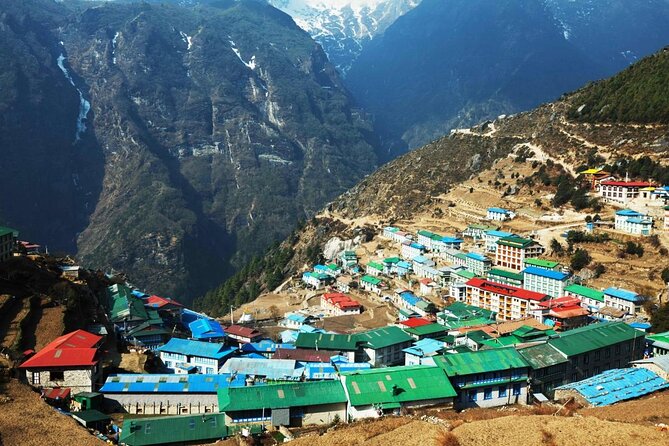
I like how the pace is built around real mountain logic: climb slowly, rest on purpose, then push higher near the end. And it’s not just about reaching Everest Base Camp; the pre-dawn push to Kala Patthar is where the views tend to feel most jaw-dropping. One other consideration: you’ll be depending on weather for flights to and from Lukla, so you should stay flexible.
The operator details matter too. In the team setup, Jiban is the responsive coordinator, with guides Tony and Tika noted as patient and organized. That kind of on-the-ground support is a big deal on a trek where timing, weather, and altitude all call the shots.
Key highlights you’ll care about
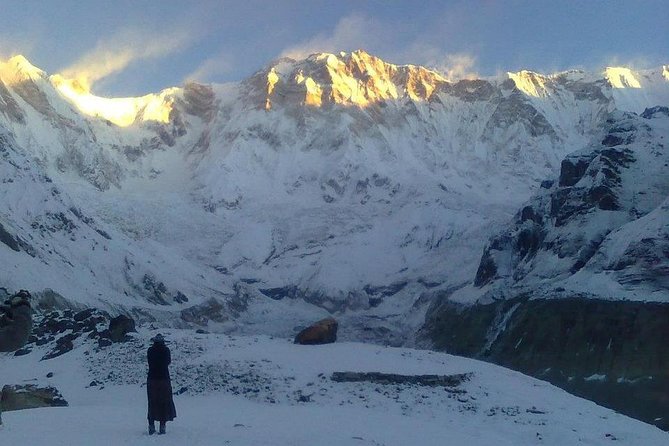
- Lukla flights included (KTM–Lukla–KTM), so you skip the long approach and save days
- 10 nights tea house lodging included for a true budget baseline
- Acclimatization in Namche and Dingboche to reduce the risk of rushing altitude
- Kala Patthar sunrise style climb for panoramic Everest region views
- Small group size (up to 15), which keeps things organized on busy trail sections
- English speaking trekking guide plus a medical kit and preparatory sessions before and after arrival
You can also read our reviews of more tours and experiences in Kathmandu.
Getting from Kathmandu to the trekking start: flights, prep, and first altitude hits
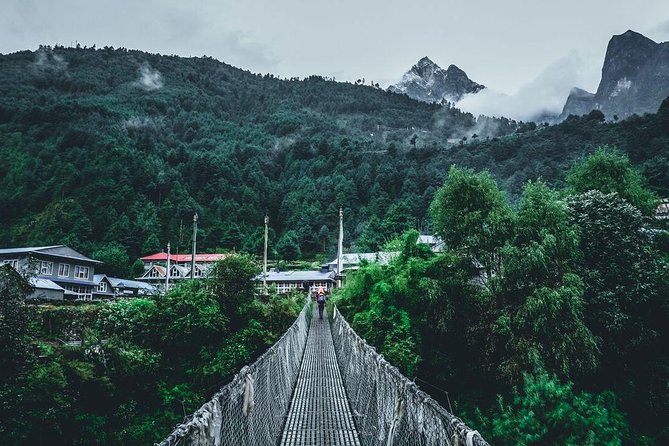
Your trip begins in Kathmandu with an arrival day, then you fly to Lukla for the start of the trek. This is one of the biggest reasons this package works as a budget option: round-trip flights are included, and that usually takes a big chunk out of time and cost compared to overland routes.
Before the trekking days roll, you get a preparatory session after arrival, and the package also includes a session before departure. That matters because Everest trekking isn’t just about legs. You’ll need a basic plan for how you’ll handle cold, slow climbs, and the very real fact that altitude changes how you breathe within a day.
You also get private transportation pickup and drop in Kathmandu. It sounds like a small detail, but it cuts out a lot of confusion when you’re tired from travel and just trying to meet the team.
Day 2-3: Lukla to Phakding, then to Namche Bazaar
On day two, you fly in to Lukla and trek to Phakding (about 8 km, roughly 3 to 4 hours). The goal here is not to crush distance. It’s to get your body used to the rhythm: steady walking, frequent stops, and managing breath as the air thins.
Day three goes from Phakding to Namche Bazaar (about 11 km, roughly 5 to 6 hours). This is the first day where the trek starts feeling like an actual Himalaya journey, not just a scenic warm-up. Namche is a key hub—busy enough to have services and energy, but still perched high in the valley system.
What you’ll like here: the transition from lower trekking villages into a real altitude town. Namche is where you’ll start to feel like you’ve arrived in the Everest region, not just traveled through it.
Day 4: Acclimatization in Namche Bazaar (rest day with a purpose)
Day four is an acclimatization day in Namche Bazaar (around 3,440 m). This is where budget trekking can either feel smart or rushed. The fact that the schedule includes an extra day is a positive sign: it gives your body time to adjust before you climb higher.
On acclimatization days, you’re usually not trying to set records. You’re trying to set your body up for the weeks ahead—especially for the higher sections after Namche.
Day 5-6: Tengboche to Dingboche—scenery climbs, cold creeps in
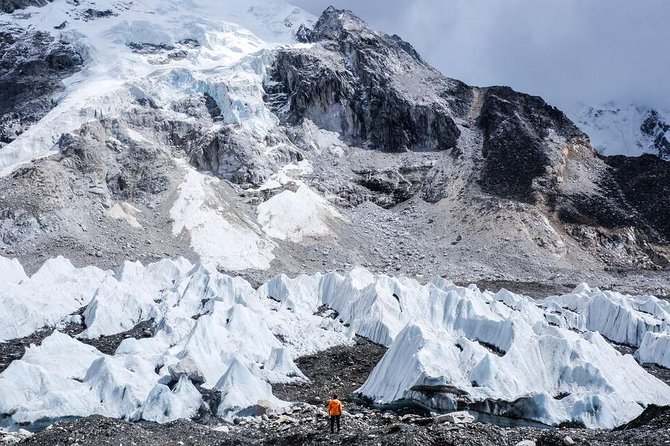
Day five takes you to Tengboche (about 10 km, roughly 5 to 6 hours). This is the kind of day where even if the trail feels long, the setting makes each turn worth it—plus it’s a step toward the high-among-the-peaks zones you came for.
Day six climbs from Tengboche to Dingboche (about 9 km, roughly 5 to 6 hours), reaching around 4,360 m. As altitude rises, walking becomes slower and more deliberate. That’s normal. If anyone in your group treats it like a casual hike, this is where they’ll feel it.
Day 7: Acclimatization in Dingboche
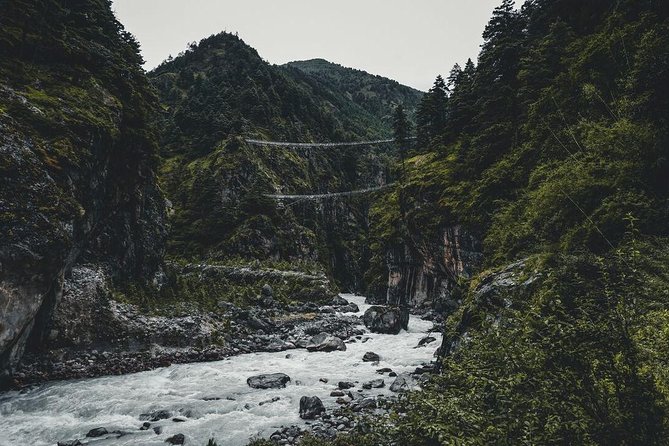
Day seven is another acclimatization day, in Dingboche (about 4,360 m). This is a major checkpoint in the itinerary because you’re moving toward higher camps and the final Everest push. Having a planned rest day here helps you avoid the classic mistake: going too fast simply because you’re excited.
If you want one practical rule for this trek, it’s this: follow the schedule. On Everest Base Camp routes, the profile matters more than willpower.
Day 8: Dingboche to Lobuche—getting closer to the high country
Day eight goes from Dingboche to Lobuche (about 7 km, roughly 5 to 6 hours), reaching about 4,940 m. Lobuche sits in the higher terrain where the feel of the landscape changes—colder air, harsher light, and a stronger sense you’re heading into a more alpine zone.
This is also a day where your energy planning matters. Since meals are not included in the package, you’ll be buying food and drinks separately at tea houses. Build in the mindset that you’re budgeting daily for fuel, warm drinks, and anything you need to keep you comfortable.
Day 9: Lobuche to Gorak Shep, then Everest Base Camp
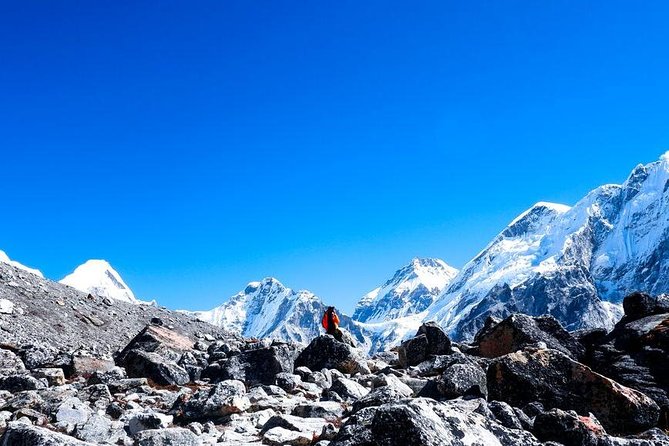
Day nine is the long one: Lobuche to Gorak Shep (about 13 km, roughly 6 to 7 hours), and you also visit Everest Base Camp at about 5,364 m. It’s a big day in terms of time and effort because you’re traveling at high altitude, then adding the iconic stop.
Gorak Shep is a staging point, and Everest Base Camp is the headline. But remember: getting there is only part of the challenge. You’ll likely want to pace yourself so you can enjoy the moment when you reach the base camp area.
What you’ll take from this day: that surreal feeling of being in the Everest zone itself. It’s not about luxury. It’s about proximity—peaks, glacier views, and the sense of scale that’s hard to find anywhere else.
Day 10: Kala Patthar at 5,545 m, then down to Pheriche
Day ten is built around the pre-dawn climb to Kala Patthar, up to about 5,545 m (about 7 to 8 hours total including onward trekking), then down to Pheriche (around 4,288 m).
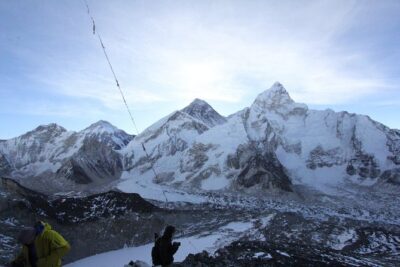
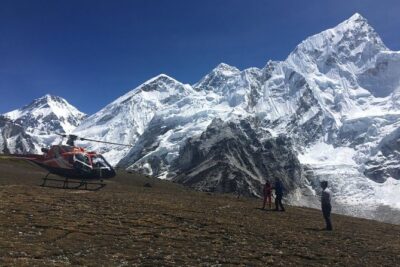
This is one of the most important parts of the trip. The early start is what gives you the kind of wide-open visibility that’s so sought after: views of Everest, plus areas like the south Col and Nuptse, with lower glacier views. If you want one day that helps justify the whole trek, it’s usually this one.
After Kala Patthar, you go back down to Pheriche. That descent is not just a relief—it’s smart acclimatization practice in motion. Your body benefits from lowering altitude after you’ve done the high exposure.
Day 11-12: Backtracking with a reason—Pheriche to Namche, then Namche to Lukla
Day eleven goes from Pheriche to Namche Bazaar (about 20 km, roughly 6 to 7 hours). It’s a longer day on paper, but it’s mostly back in lower altitudes compared with the hardest section earlier.
Day twelve takes you from Namche Bazaar to Lukla (about 19 km, roughly 6 to 7 hours), dropping you again and setting you up for the final flight.
This return route is practical. You retrace your steps through familiar tea house systems, which helps with logistics and reduces uncertainty about where you’ll sleep. It also means you’ll notice the trail more the second time—how the valleys shift, how weather changes over the ridgelines, and how quickly your legs learn the rhythm.
Day 13-14: Fly to Kathmandu and finish with a real reset
On day thirteen, you fly from Lukla back to Kathmandu. Then day fourteen is your final departure.
This is the point where you shift from trekking mode to recovery mode. Even though you’re back in Kathmandu, don’t rush your body too fast. Trekking has a delayed effect, especially after high-altitude days.
The reality behind the $400 budget price
For many people, the headline cost is what makes this trek tempting. At $400, it’s clearly priced as a budget option for the Everest Base Camp experience—especially because the package includes round-trip flights to Lukla and 10 nights of tea house accommodation.
Still, you shouldn’t treat $400 as your total trip cost. The package explicitly does not include:
- Visa cost
- International airfare
- Insurance
- Meals and drinks
- Trekking equipment
So the value comes from what’s included: transportation to the trail and basic lodging. Your budget planning should focus on daily meals, your visa/insurance situation, and making sure you have what you need equipment-wise.
If you’re comfortable managing those add-ons, the package price can feel like a smart deal. If you need everything handled for you, you may end up spending more elsewhere to close those gaps.
Comfort, safety, and altitude: what the package does and doesn’t promise
This is a trek with big elevation numbers and real altitude exposure. The tour says it suits people with moderate physical fitness. That’s helpful, but it doesn’t mean it’s easy. The schedule includes acclimatization days, which is the right kind of safety planning for this route.
You also get a comprehensive medical kit and certificates as part of the included services. While a kit can’t prevent altitude sickness on its own, it’s a sign that the operator expects to handle small issues promptly.
Another practical safety factor: group size. With a maximum of 15 travelers, you’re not stuck in a giant herd. That can help with pace control and with getting help when things get slow.
Guide team you’ll want to listen to: Jiban, Tony, and Tika
One thing I’d pay attention to before trekking is how the team runs the day. From the feedback patterns tied to this operator, coordination matters. Jiban is named as a responsive travel coordinator, and guides Tony and Tika are described as patient, knowledgeable, and helpful.
On a trek like this, that style of leadership matters because small decisions—when to pause, how to manage pace, how to keep the group together—add up fast.
Who this trek suits best
This package fits well if you:
- Want the Everest Base Camp goal without paying a high-end price tag
- Are okay with buying meals and warm drinks separately
- Prefer tea house trekking rather than upgrading to more private lodging
- Like a structured itinerary with acclimatization days built in
- Can handle a physically demanding schedule at altitude, even if you consider yourself moderately fit
It might be less ideal if you want a fully packaged, meal-inclusive trip with all gear handled for you. In this budget setup, you’ll do more self-management.
Should you book this Everest Base Camp budget trek?
I’d book it if your priorities match the deal: Lukla flights included, tea house nights included, and a clear route with acclimatization days—plus a team that’s known for staying responsive. At $400, the pricing only makes sense if you’re willing to plan for visa, insurance, meals, and your trekking equipment.
You should pause and reconsider if you’re hoping meals are included, or if your budget is tight enough that you’ll feel forced to cut meals during high-altitude days. On this trek, comfort isn’t a luxury. It affects how steady you are on the trail.
If your main goal is to reach Everest Base Camp and you’re ready to manage the extra costs that come with budget trekking, this is a solid path into the Everest region.
FAQ
What is included in the $400 Everest Base Camp budget package?
You get 10 nights of tea house accommodation, round-trip flights between KTM and Lukla, private transport pickup and drop in Kathmandu, an English speaking trekking guide, preparatory sessions before and after arrival, a comprehensive medical kit, government and local taxes, and certificates.
Are meals included on this trek?
No. Breakfast, lunch, and dinner are not included, and drinks and beverages cost extra.
Do I need to arrange my own visa and international airfare?
Yes. Visa cost and international airfare are not included.
Is trekking equipment included?
No. Trekking equipment is not included, so you’ll need to bring it or arrange rentals separately.
Where do the flights go during the trek?
The package includes round-trip flights KTM–Lukla–KTM.
How many nights are spent in tea houses?
You get 10 night tea house accommodation included.
How hard is the trek and who is it for?
It’s aimed at travelers with moderate physical fitness, but it still involves significant daily trekking and high altitude.
What group size should I expect?
The tour has a maximum of 15 travelers.
What if the weather forces changes or cancellation?
The experience requires good weather. If it’s canceled due to poor weather, you’ll be offered a different date or a full refund. You can cancel up to 24 hours in advance for a full refund.