REVIEW · COOKING CLASSES
Cook and Eat: Cooking Class in Kathmandu near Thamel
Book on Viator →Operated by Shepherd Holidays · Bookable on Viator
Cooking in Kathmandu is a shortcut to flavor. In about three hours, you choose three Nepali dishes, shop for ingredients with a guide, and cook alongside the chef in a structured, low-stress format; I especially like the market ingredient hunt and the clear, step-by-step way the food comes together. One thing to consider: the pace is tight, so if you want long, slow kitchen time or lots of freestyle learning, this may feel a bit scheduled.
You’ll get a classic Kathmandu flow—start with tea/coffee, meet the team, cook in a clean kitchen, then sit down to eat what you made, plus more tea/coffee before you go. The staff also tends to explain things in clear English, which makes a big difference when you’re trying to repeat the dishes back home.
In This Review
- Key highlights at a glance
- Why This Kathmandu Cooking Class Works in 3 Hours
- Meeting Near Thamel: Time, Duration, and What to Expect
- Welcome Tea, Staff Intro, and Picking Your Three Dishes
- The Local Market Walk: Spices, Staples, and Smarter Cooking Back Home
- From Cutting Board to Wok: How Chef-Led Cooking Gets Real
- Cooking 3 Nepali Favorites, Then Eating Them on the Same Schedule
- The Flow Details That Make It Comfortable (Tea, Pace, Group Size)
- Price and Value: Is $24 Worth It?
- Who This Cooking Class Suits Best
- Should You Book This Cooking Class Near Thamel?
- FAQ
- How much does the Kathmandu cooking class cost?
- How long is the cooking class in Kathmandu?
- Where does the class start?
- Where does the class end?
- How many people are in the group?
- What dishes can I cook?
- Is the market visit included?
- What’s included in the price?
- What isn’t included?
- What is the cancellation and weather plan?
Key highlights at a glance
- Pick any three dishes from the menu and focus on what you actually want to eat
- Market visit with a guide so you understand where spices and staples come from
- Chef-led cooking with an instructor and helper, in a practical kitchen setup
- You eat your own work in the same session (not just watching and leaving)
- Small-group feel with a maximum of 15 people
Why This Kathmandu Cooking Class Works in 3 Hours
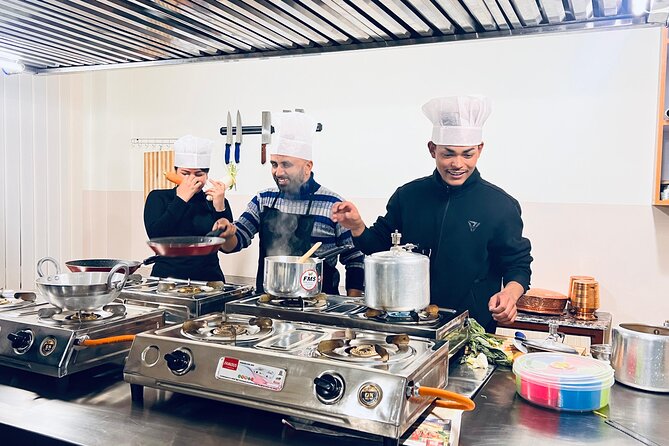
If your Kathmandu plan is packed with temple visits and walking days, this is a great way to add something memorable that doesn’t require all-day commitment. The format is built around a simple arc: choose dishes, gather ingredients, cook, then eat. It’s short enough to fit even on a travel day, but structured enough that you’re not left guessing in the kitchen.
I also like how the class forces you to learn by doing, not just listening. You’re not studying recipes in the air; you’re cutting, prepping, cooking, and plating in real time. And because you’ll choose your dishes, you can tailor the experience toward what you crave—momo-style dumplings, noodle soups, rice-and-lentils meals, or sweet dumplings, depending on what’s on the menu.
The other practical win: you don’t need to bring cooking supplies or figure out ingredient logistics. Ingredients and equipment are provided, and you’re guided from the first tea to the final taste.
You can also read our reviews of more tours and experiences in Kathmandu
Meeting Near Thamel: Time, Duration, and What to Expect
This experience runs in Kathmandu, and it ends back at the meeting point, so you’re not stuck on a separate drop-off route. The start point is Shepherd Holidays on Yapikhya Marg, Kathmandu 44600, Nepal. The class lasts about three hours, and it’s capped at a maximum of 15 travelers, which usually helps keep things organized and manageable.
You’ll receive confirmation at booking, and you’ll use a mobile ticket. That’s helpful if you’re juggling apps, transfers, and other activities around Thamel where many visitors base themselves.
One small detail to watch: beverages aren’t listed as included in the general inclusions, even though the flow includes tea/coffee. In practice, plan on the tea/coffee being part of the experience timing, but if you want extra drinks beyond that, it may cost extra.
Welcome Tea, Staff Intro, and Picking Your Three Dishes
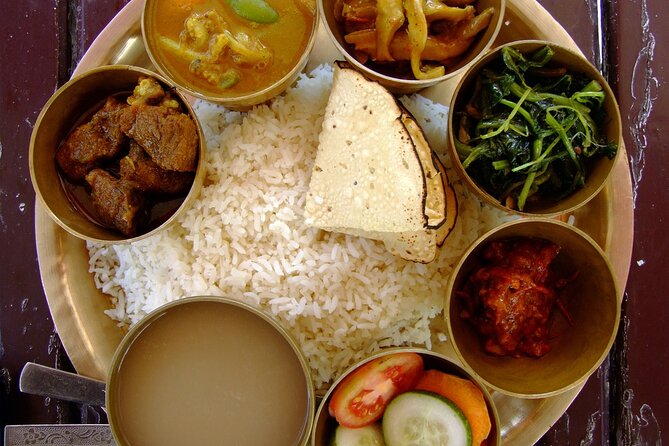
The class begins with a welcome tea/coffee, then a staff introduction. After that, you choose three cuisines or dishes from the menu. I like this because it prevents the common problem where you end up making food you don’t care about just to fill a class requirement.
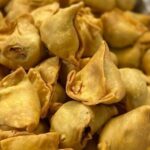
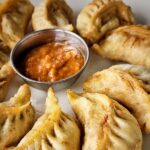
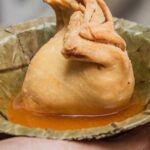
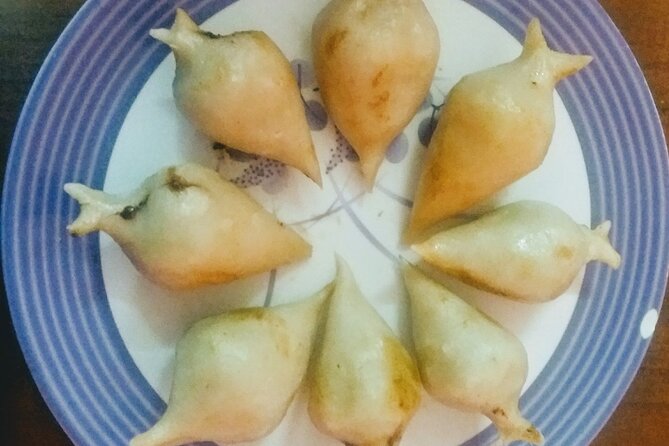
From the dishes people have cooked here, you can expect menu options that may include favorites like momos, thukpa, dal bhat, and yomari—those show up in real examples from past participants. Even if you don’t pick the same combinations, the menu-driven choice is the point: you leave with dishes you actually wanted.
If you’re someone who eats slowly or likes to adjust flavors, tell the chef during prep. Since you’ll be cooking your selections, a quick message early on can help steer spice levels and technique.
The Local Market Walk: Spices, Staples, and Smarter Cooking Back Home
One of the most valuable parts is the visit to the local market with a guide for ingredients. This isn’t a photo walk for its own sake; it’s tied directly to what you’ll cook later. You’ll see the items you’ll use, learn what they are for, and get context for how Nepali kitchens build flavor.
For me, that makes the recipes easier to repeat later. When you’ve seen what a key spice looks like at the source, you’re less likely to accidentally swap in the wrong thing when you’re home shopping. You also pick up the everyday logic of cooking here: what’s used fresh, what’s dried, what’s ground, and what’s used for depth rather than heat alone.
Practical tip: eat lightly beforehand if your stomach is sensitive to new smells and flavors. The market part can be aromatic, and then you’re cooking and eating soon after.
From Cutting Board to Wok: How Chef-Led Cooking Gets Real
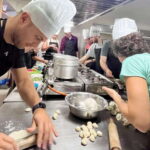
After the market, the kitchen work starts. The class moves into cutting and preparing ingredients, then cooking begins with the chef. There’s an instructor and a helper, which matters more than you might think. When one person is running the cooking process, the other can support with prep, questions, and hands-on guidance so you’re not standing around.
In at least some sessions, the teaching team includes a chef such as Vikram with a helper such as Kamal, and the instruction is explained in excellent English. Even if your team has different names, the key is that the process is meant to be understandable—clear steps, practical demonstrations, and time for you to do the work.
What you’ll likely notice in a good class like this is how technique is taught through action. You’ll learn timing by watching the ingredients change, not just by memorizing a recipe card. And you’ll understand how to prep for the dishes you chose, since everything loops back to your three selections.
If you want to maximize learning, ask one question per dish. For example: what’s the first sign the cooking step is on track, or which ingredient is doing most of the flavor work.
You can also read our reviews of more cooking classes in Kathmandu
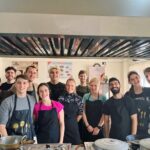
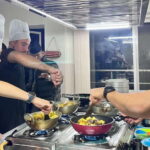
Cooking 3 Nepali Favorites, Then Eating Them on the Same Schedule
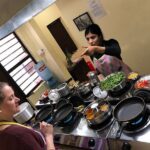
Once the cooking finishes, you serve and savor the prepared cuisines, then enjoy consuming the food as part of the class. This is a big deal because it turns the session into a complete loop. You don’t leave with just skills—you leave with the taste result and the satisfaction of having made it yourself.
Depending on your picks, you may end up with a mix of savory mains and soups, plus something sweet. Examples from past menus include momo-style dumplings, thukpa noodle soup, dal bhat rice-and-lentils meals, and yomari, a sweet dumpling. Even when the dishes vary, the structure stays consistent: cook → plate → eat.
A practical note: because you’re making three items in one session, you should expect portions designed for tasting and sharing rather than an all-you-can-eat feast. But you’ll absolutely get enough to feel like you had a proper meal, not just a snack.
The Flow Details That Make It Comfortable (Tea, Pace, Group Size)
The class includes tea/coffee again before departure, followed by a farewell. That matters for two reasons: it’s a natural wrap-up after the kitchen work, and it gives you a small moment to settle before you head out.
Group size is capped at 15, and in past experiences the group can be quite small. Smaller groups usually mean you spend more time cooking and less time waiting. If you like to ask questions, this helps.
Also, the team appears to care about getting you where you need to be afterward. While the activity itself ends back at the meeting point, there’s evidence the staff helps coordinate return plans so you’re not left wondering.
One drawback to keep in mind: because the class is timed and you choose only three dishes, you won’t get deep training on every Nepali dish you’ve ever heard of. Think of it as focused learning with satisfying results, not a full Nepal-cuisine curriculum.
Price and Value: Is $24 Worth It?
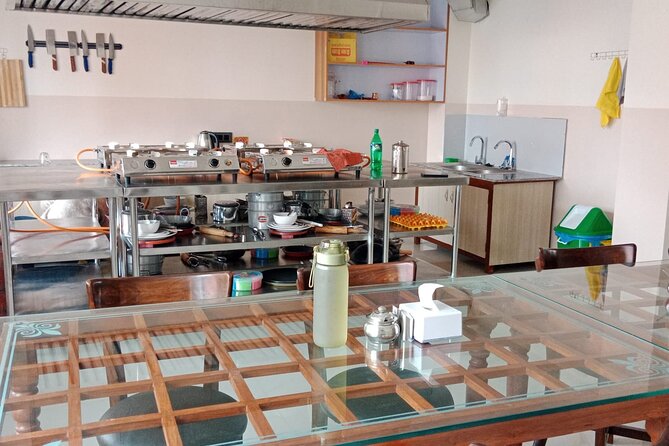
At $24.00 per person for about three hours, the value mostly comes from what’s included. You’re paying for instruction, ingredient prep, cooking equipment, and the food and drink prepared during the class. That’s a lot bundled into a short, guided experience, especially in a city where dining and classes can add up fast.
You’re also getting a guide-led market component. If you’ve ever tried to shop for spices in a new place without knowing what matters, you’ll understand why that’s valuable. The market visit turns shopping into learning, and it directly supports what you’ll cook next.
The only costs you might add are beverages beyond what’s provided during the tea/coffee moments, and optional private pickup/drop-off by vehicle if you want it. Since accommodation and personal expenses aren’t included, you’ll still handle your own day-to-day spending in Kathmandu.
For many people, the best way to judge this price is simple: would you pay $24 to cook three dishes with a chef, eat the results, and learn while someone handles the equipment and ingredient planning? If that sounds like your kind of activity, you’re in the right place.
Who This Cooking Class Suits Best
This is a good fit for food-focused travelers who want something hands-on and practical without a full-day commitment. If you’re staying near Thamel and you want a break from constant sightseeing, this class becomes an easy “anchor activity” with a clear start and finish.
It’s also ideal if you like structure. The session is paced across multiple moments—tea/coffee and welcome, dish selection, market ingredients, cutting and cooking, then serving and eating, then tea/coffee before you go. That timeline helps you stay relaxed even if you’re traveling solo or you’re not confident in the kitchen.
Where it may not be perfect: if you want to sample a huge variety of Nepal in one sitting, this won’t replace a longer culinary tour. And if you’re expecting a totally freeform cooking workshop where you invent dishes, the class is designed around your three menu choices and the chef’s process.
Should You Book This Cooking Class Near Thamel?
I’d book it if you want a short Kathmandu activity that ends with a real meal and leaves you with skills you can repeat. The combination of choose-your-own dishes, a market ingredient walk, chef-led cooking, and eating what you made makes this feel like more than a “look and taste” experience.
I’d skip it if you only want casual food curiosity with zero prep and no timing structure, or if you’re hoping for a very long cooking session with many more dishes than three. But for most visitors who want Nepali food knowledge in a few hours, this is a solid, well-supported choice.
FAQ
How much does the Kathmandu cooking class cost?
The price is $24.00 per person.
How long is the cooking class in Kathmandu?
The duration is about 3 hours.
Where does the class start?
The start point is Shepherd Holidays, Yapikhya Marg, Kathmandu 44600, Nepal.
Where does the class end?
The activity ends back at the meeting point.
How many people are in the group?
The class has a maximum of 15 travelers.
What dishes can I cook?
You choose any three items from the menu.
Is the market visit included?
Yes. Part of the experience includes a visit to the local market with a guide for ingredients.
What’s included in the price?
The price includes ingredients and all equipment, an instructor and helper, and the food and drink prepared during the class.
What isn’t included?
Accommodation and personal expenses are not included, and beverages are not listed as included. Pickup and drop-off by private vehicle is also not included (it’s available for an extra charge).
What is the cancellation and weather plan?
You can cancel for a full refund up to 24 hours in advance. The experience requires good weather, and if it’s canceled due to poor weather, you’ll be offered a different date or a full refund.