REVIEW · HIKING & TREKKING
Langtang Valley Trek
Book on Viator →Operated by Mosaic Adventure · Bookable on Viator
Getting to the roof of the world starts with a bus ride. Then the Langtang Valley trail delivers big mountain views—high mountain lakes, forest paths, and the peaceful Kyanjin Gompa area—without needing fancy gear or complicated logistics.
I like that this trek is built for real hiking days, not just sightseeing. You get a clear plan from Kathmandu to Syabrubesi, then a gradual climb through pine and river valleys, and finally a monastery visit that feels calm and local.
One thing to consider: this is a teahouse trek, so comfort is simple. Expect basic rooms and bring a mindset for walking days, especially if you’re sensitive to altitude or fatigued by long travel days.
In This Review
- Key takeaways
- Why Langtang Valley feels different from Kathmandu’s usual travel
- Getting to Syabrubesi: the 6:45 am start that matters
- Day-by-day: forests, riverbank paths, and Kyanjin Gompa calm
- Day 1: Kathmandu to Syabrubesi
- Day 2: Syabrubesi to Lama Hotel (easy to moderate, around 2500m)
- Day 3: Lama Hotel to Langtang Village (about 3430m)
- Day 4: Langtang Village to Kyanjin Gompa (about 5 hours)
- Optional summit-style hikes: Kyanjin Ri or Tsergo Ri
- The return trail: retracing steps, pine scent, and giant beehives
- Day 6: back to Lama Hotel (about 6 hours)
- Day 7: down to Syabrubesi and ready for Kathmandu
- Day 8: Kathmandu time, shower, and Thamel wandering
- Price and logistics: what $560 buys you in real hiking terms
- The team factor: pacing, support, and handling altitude reality
- Who should book this trek—and who should take extra caution
- Should you book the Langtang Valley Trek with Mosaic Adventure?
- FAQ
- What’s the duration of the Langtang Valley Trek?
- What time does the tour start?
- How high do you go on the optional hikes?
- What’s included in the price?
- Are beverages and bottled water included?
- What’s the cancellation refund policy?
Key takeaways
- Early start with a long transfer: the local bus to Syabrubesi takes about 7 hours, and the day kicks off at 6:45 am.
- Kyanjin Gompa is the emotional center: farmland trails and gentle ascents lead you to the monastery area.
- You choose your second summit day: Kyanjin Ri (4773m, about 3 hours round trip) or Tsergo Ri (4984m, 7–8 hours round trip).
- Porter support is practical: one porter for two participants can take weight off your shoulders.
- Views depend on weather: when skies clear, the mountains really show off. When they don’t, you still get forest-and-village Nepal.
- The price covers more than you expect: bus, fees/taxes, teahouse lodging, and most meals are included in the $560 cost.
Why Langtang Valley feels different from Kathmandu’s usual travel
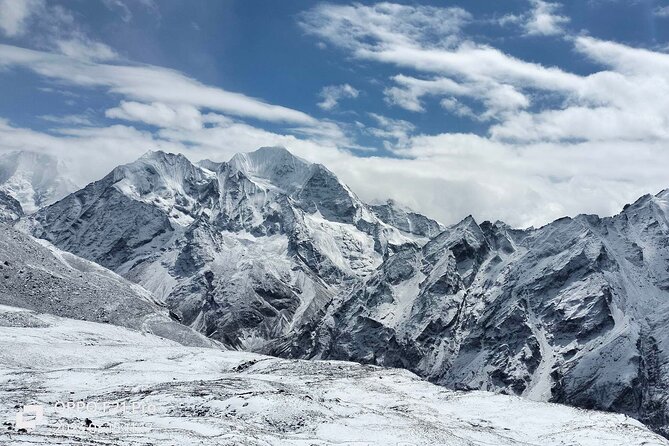
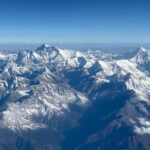
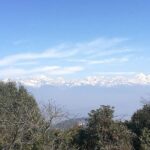
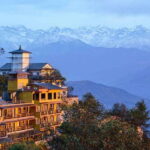
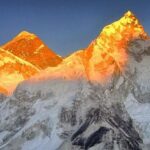
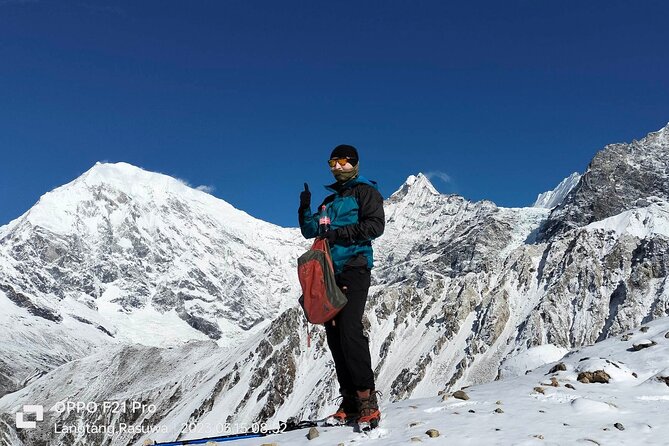
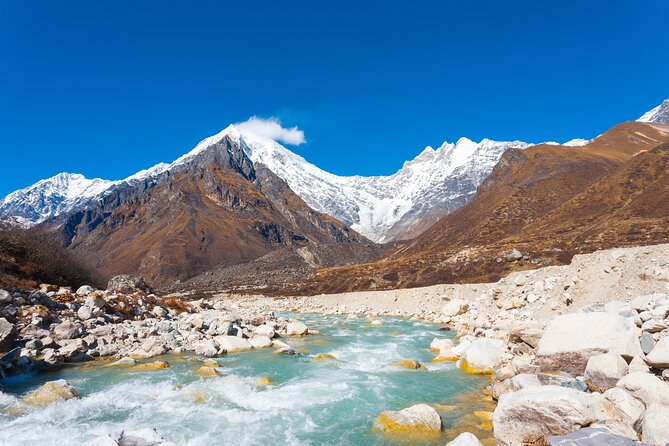
Langtang sits north of Kathmandu near the Tibetan border, close enough for an 8-day trek, but remote enough to feel like you’ve stepped into another tempo. Snow-capped peaks like Langtang Lirung (7246m) dominate the skyline, while the valley floor mixes forests, farmland, and traditional villages.
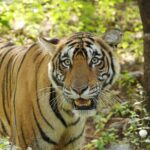
You’ll also be walking through a national park environment where wildlife is part of the setting. Keep your eyes open for birds and other animals (and yes, the description includes creatures like Himalayan black bears and red pandas), but don’t build your day around spotting them. The real win is the constant change—river sounds, pine shade, rhododendron color in season, and mountain views that pop up when the trail bends.
You can also read our reviews of more hiking tours in Kathmandu
Getting to Syabrubesi: the 6:45 am start that matters
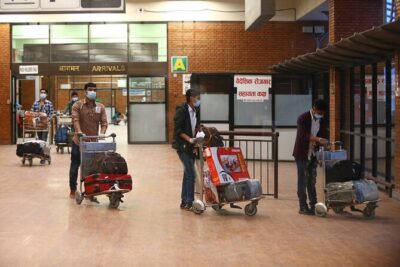
The trek begins with an early start—6:45 am—followed by a local bus ride to Syabrubesi. Plan for roughly 7 hours on the road, traffic permitting. If you’ve only done short day trips from Kathmandu, this part is a rude awakening in the best way: Nepal travel is real, and you’ll get plenty of countryside views to settle in.
This is also when you’ll feel the value of a guided package. A good team helps you handle the transfer without wasting time, and once you arrive at Syabrubesi, you’re ready to start walking rather than scrambling for connections.
If you hate early mornings, consider this your compromise: you’re trading sleep for clearer light later and more energy for the trail.
Day-by-day: forests, riverbank paths, and Kyanjin Gompa calm
Day 1: Kathmandu to Syabrubesi
After that long bus day, your job is simple: arrive, rest, and get your legs ready. You’ll want to keep your evening easy—early night if you can—because the trekking start comes quickly.
Day 2: Syabrubesi to Lama Hotel (easy to moderate, around 2500m)
You start trekking with a day that’s graded as easy to moderate, reaching about 2500 meters at Lama Hotel. The trail has gentle inclines, well-defined paths, and riverbank sections, plus forest tracks and crossings that keep things interesting.
This is the day to practice your trekking rhythm: steady pace, small breaks, and enough water. Even on a “moderate” day, your body adjusts. If you can, keep your first day snacks simple and consistent so you don’t gamble with your stomach.
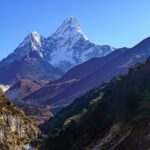
Day 3: Lama Hotel to Langtang Village (about 3430m)
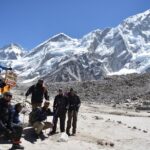
Today pushes to Langtang Village at roughly 3430 meters after about 6.5 hours of walking. Expect forest and riverbank trails with gentle inclines, then open grassy meadows that show you the mountain backdrop more clearly.
This is where the trek becomes more about scenery and atmosphere than just distance. When you reach the village area, you’ll likely feel the altitude more—not dramatic yet, but noticeable. Slow down if you feel breathy. The goal is to arrive, not to win.
Day 4: Langtang Village to Kyanjin Gompa (about 5 hours)
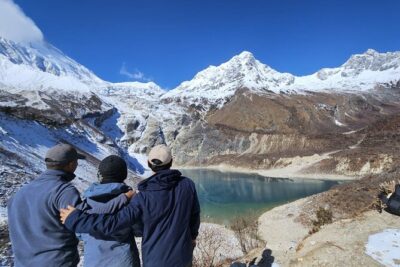
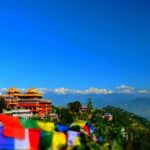
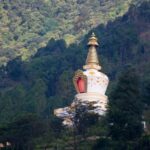
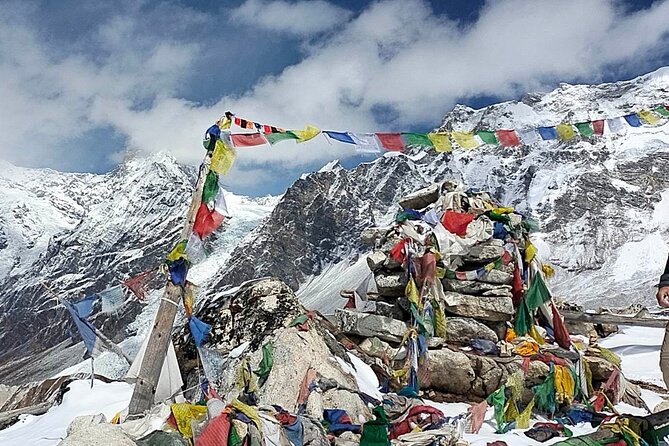
You’ll walk for around 5 hours on a route that’s described as moderate, passing farmland, bridges, and gentle ascents. The payoff is Kyanjin Gompa, a famous monastery area in the Langtang region, with views toward Langshisha and Langtang Lirung.
This is the day I’d call the “slow down and look up” moment. Past the hard work of getting elevation, you get rewarded with a place that feels meaningful and lived-in. If you’re into photography, this is one of your best chances—because gompa-area views tend to frame the mountains in a way that flat plains never do.
Optional summit-style hikes: Kyanjin Ri or Tsergo Ri
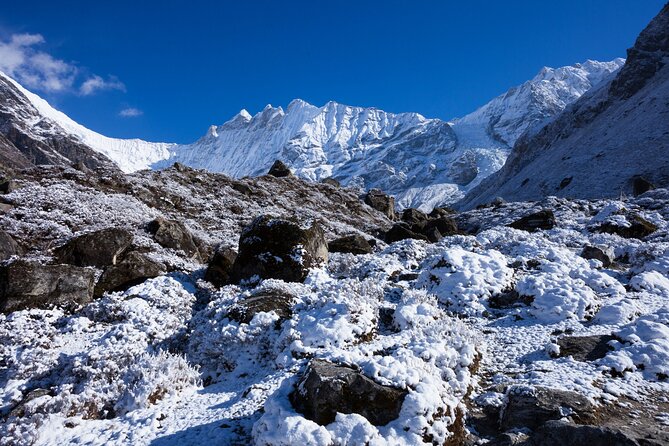
Day 5 gives you real choice. You can do either a shorter viewpoint hike or a longer high-altitude outing, and that flexibility is worth paying attention to.
- Kyanjin Ri (4773m): about 3 hours round trip. This is your “get the big view without spending all day” option.
- Tsergo Ri (4984m): roughly 7–8 hours round trip, reaching about 4984 meters. This is the longer effort, and you’ll feel it.
If you’re unsure, I’d go with Kyanjin Ri unless you’re already moving comfortably at altitude. Longer doesn’t always mean better; it just means more time for fatigue to pile up. Your day will be judged by how you feel, not by how far you pushed on paper.
Either way, bring the right attitude: treat these as viewpoint hikes, not speed contests. Climb gradually, rest when you need to, and watch the sky. Clear weather makes the mountains look close enough to touch.
The return trail: retracing steps, pine scent, and giant beehives
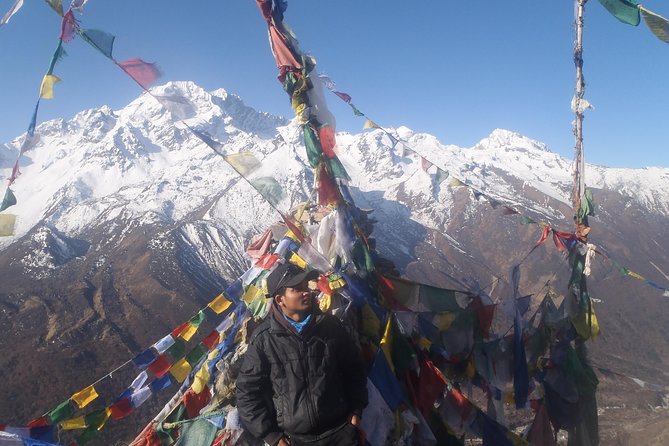
Days 6 and 7 are about descent and recovery, but don’t assume they’re easy. Going down still taxes your legs, especially if your knees hate steep angles.
Day 6: back to Lama Hotel (about 6 hours)
You trace back to Lama Hotel over about 6 hours through riverbank and forest trails. The walk is described as giving you views of sweet-smelling pine forests, with a chance to spot wildlife and giant beehives.
This day is mentally important. You’ve already hit the monastery area and optional viewpoints; now you focus on steady steps and not overstriding. A slower pace here usually makes the final descent feel smoother.
Day 7: down to Syabrubesi and ready for Kathmandu
Another descent returns you to Syabrubesi after gentle and some steep descents. The goal is to end trekking days and get ready for the ride back to Kathmandu.
If you want a practical rule: keep your steps short on downhill sections. It reduces knee pounding and helps you walk confidently on uneven terrain.
Day 8: Kathmandu time, shower, and Thamel wandering
On the last day you ride back to the capital again by local bus. Once you’re back, you’ll have time to enjoy a hot shower and then take it easy around Thamel. A massage is mentioned as a natural way to deal with tired legs—sounds like a cliché, but it’s also a very logical use of your evening.
Price and logistics: what $560 buys you in real hiking terms
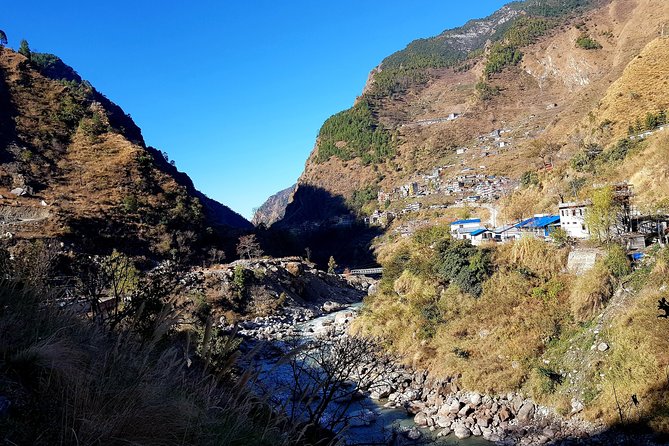
At $560 per person, this trek includes a lot of the stuff that usually makes group travel feel worth it—especially in a place like Nepal where you want things handled correctly.
What’s included:
- Bus to/from Syabrubesi
- All fees and taxes
- Teahouse accommodation
- Porter support (one porter between two participants)
- Meals: breakfast most mornings, and dinner in the villages, plus lunches during the trek days
What’s not included:
- Beverages like tea/coffee and bottled water
- Tipping
For value, the key detail is the combination of transport + lodging + meals + porter support. That reduces your daily decision fatigue and lets you focus on the trail.
Just don’t expect hotel-style comfort. Teahouses are functional. One note I’d take seriously is that accommodations may not be top-tier, and that’s normal for this type of trek. You’re paying for mountain days, not luxury sheets.
The team factor: pacing, support, and handling altitude reality
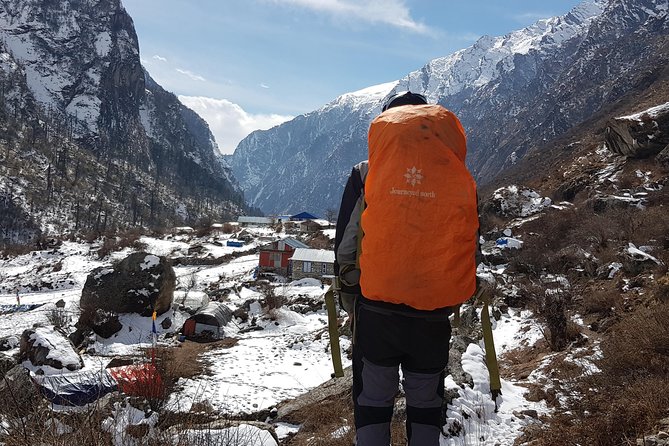
A trek is only as good as how it’s managed when conditions get tough. Here, the staff support seems to be a standout.
In particular, names like Purna and Ram show up in accounts of great guide-and-porter teamwork, and Madhav is referenced for smooth office communication and organization. You’ll also see references to guides like Pralhad and Madan, with an emphasis on energy, professionalism, and—importantly—patience.
One story I’d treat as practical advice for your own safety: when altitude issues show up, the best response is not pushing harder. It’s staying with the person, slowing the pace, and managing the ascent. Even a short pause can make the difference between feeling “okay” and feeling miserable.
So when you book, ask questions upfront about pace and how your guide handles slower hikers or altitude discomfort. Good teams are ready for real bodies, not just ideal hiking resumes.
Who should book this trek—and who should take extra caution
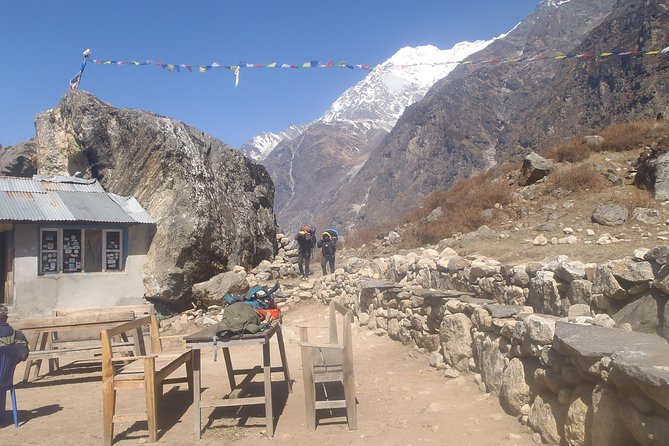
This is a good fit if you:
- have moderate physical fitness
- want a classic Langtang experience without complex route planning
- like a trail that mixes forest paths, villages, and viewpoint hikes
- value having a team manage logistics, meals, and transport
It’s less ideal if you:
- are sensitive to altitude and don’t know how you respond between roughly the 3000m range and near 5000m
- dislike long days of walking plus a 7-hour bus transfer before you start
- expect comfortable rooms as a priority
Also, if you’re traveling as a couple, porter allocation (one between two) is a smart perk. You still pack your essentials, but you’re less likely to haul a heavy daypack the whole time.
Should you book the Langtang Valley Trek with Mosaic Adventure?
If you want a trek that feels remote but not unreachable from Kathmandu, this one makes sense. The combination of Kyanjin Gompa, optional hikes up near 4773m or 4984m, and the built-in support (bus, meals, teahouse stays, porter) is a solid package for $560.
I’d book if you’re comfortable with basic accommodations and you can handle a moderate walking schedule plus altitude variability. I’d hesitate if you’re hoping for guaranteed summit conditions or “luxury comfort.” In mountains, nature decides some parts of the plan—but you still get a meaningful trail either way.
FAQ
What’s the duration of the Langtang Valley Trek?
The trek is listed as 8 days (approx.).
What time does the tour start?
The start time is 6:45 am.
How high do you go on the optional hikes?
On Day 5, you can choose Kyanjin Ri (4773 meters) or Tsergo Ri (4984 meters).
What’s included in the price?
The package includes bus to/from Syabrubesi, all fees and taxes, teahouse accommodation, porter support (one between 2 participants), and meals including lunches, dinners, and breakfasts as listed.
Are beverages and bottled water included?
No. Beverages like tea/coffee and bottled water are not included.
What’s the cancellation refund policy?
You can cancel up to 6 days in advance for a full refund. For a 50% refund, cancel 2–6 full days before the experience start time. If you cancel less than 2 full days before, the amount you paid is not refunded.