REVIEW · 3-HOUR EXPERIENCES
3 Hours Night Pashupatinath Aarati Tour
Book on Viator →Operated by Peak to Peak Tours and Treks Pvt Ltd · Bookable on Viator
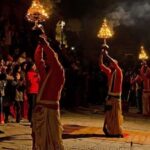
The night aarti changes the whole temple. This 3-hour private tour takes you to Pashupatinath after dark with a licensed English guide, so you can understand what’s happening instead of just watching in the dark. I like that the pace is controlled and you get help with proper conduct at one of Nepal’s most revered UNESCO-listed sites.
The main thing to consider is visibility. At busy worship times, you may only get partial views if you end up shifting around, so you’ll want your guide to place you for the best sightlines and timing.
In This Review
- Key things to know before you go
- Night Pashupatinath Aarti: what you’re really paying for
- The 3-hour experience plan: expect a focused evening
- Pashupatinath after dark: UNESCO setting plus real ritual
- A licensed English guide does more than translate
- Getting there in comfort: AC transport in Kathmandu’s evening
- What you’ll actually see (and what can limit your view)
- Price and value: is $70.80 a good deal?
- Etiquette and comfort: how the somber atmosphere becomes manageable
- Who this tour suits best (and who should think twice)
- Should you book this Night Pashupatinath Aarti tour?
- FAQ
- FAQ
- How long is the Night Pashupatinath Aarati tour?
- Is the tour private or shared?
- Is pickup included?
- Is admission to Pashupatinath included?
- Do I get a guide who speaks English?
- What’s included in the price, and what’s not?
- What is the cancellation policy?
Key things to know before you go
- Private guide, private group: You’ll go with only your group, not a mixed crowd.
- English guidance included: A licensed English-speaking guide helps you make sense of the ritual and etiquette.
- AC vehicle pickup: Get to the temple in comfort, especially after a long day in Kathmandu.
- Admission ticket included: Temple access is part of the tour cost.
- Mobile ticket: Easier check-in once you arrive.
- Free cancellation up to 24 hours: You can cancel with a full refund if you give it a day.
Night Pashupatinath Aarti: what you’re really paying for
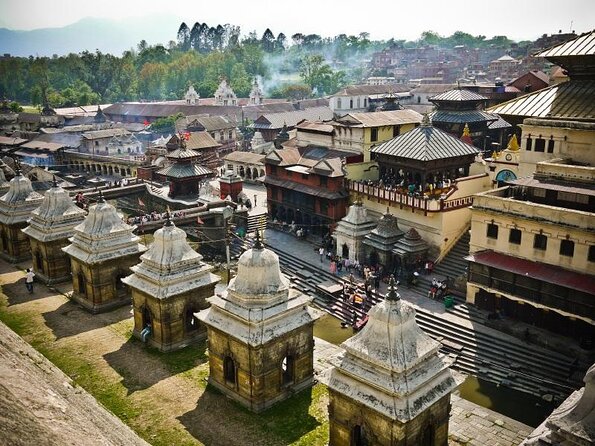
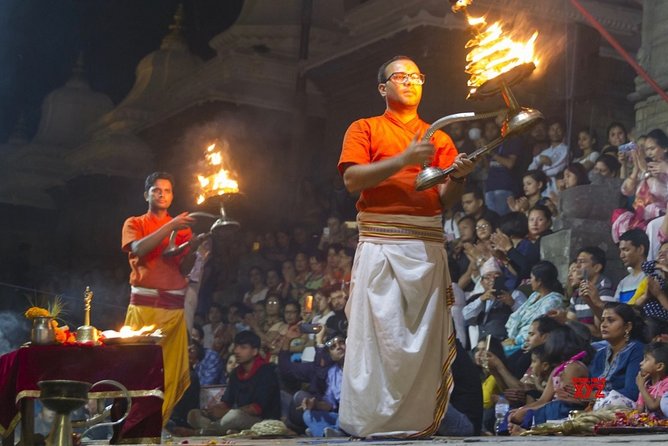
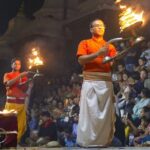
Pashupatinath isn’t just a famous temple. It’s the kind of place where the evening ritual makes everything click. When the nightly aarti starts, the temple feels less like an attraction and more like a living religious moment. If you care about Nepali Hindu culture beyond photos, this is the format that helps.
What you’re buying here is structure. Without a guide, you can run into confusion fast: where to stand, what not to do, how ceremonies work, and how to move through a solemn space without being in the way. With a guide, the same setting turns from intimidating to manageable. I love that your guide’s job isn’t only explanation. It’s also making sure you follow the right etiquette, which matters at a place like this.
Also, this tour is built around timing. Aarti is a specific moment. The value is in being there after dark, with help getting the timing and flow right, so you don’t waste your limited 3 hours.
You can also read our reviews of more evening experiences in Kathmandu



The 3-hour experience plan: expect a focused evening
This is a short tour by design—about 3 hours total. That’s a sweet spot. You get meaningful time at Pashupatinath when the worship is happening, without it eating your whole night or forcing you to stand around for hours.
The core rhythm is simple:
- You travel to Pashupatinath Temple in an air-conditioned vehicle.
- You spend time at the temple during the nightly worship.
- You return after you’ve seen enough of the ceremony to understand what you’re witnessing.
Because the tour duration is tight, I recommend you treat it like a live event. You’ll want to stay close to your guide, especially at the moments when worship ramps up. One review-style lesson I take seriously from the feedback: wandering for a better view can backfire. It can shrink what you actually see of the ceremony.
Pashupatinath after dark: UNESCO setting plus real ritual
Pashupatinath is dedicated to Lord Shiva, and it’s part of Nepal’s UNESCO World Heritage sites. Even if you don’t know Hinduism deeply, the evening scene communicates a lot: devotion, order, and repeated ritual actions with meaning.
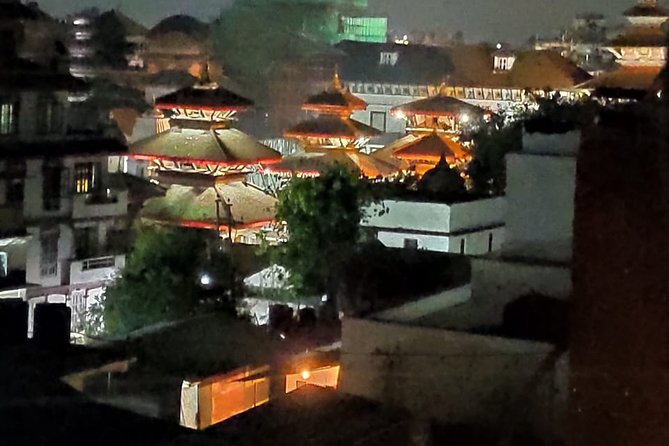
At night, the temple atmosphere becomes somber and concentrated. That’s not a problem—just a reminder. This tour is built for visitors who want context, not just atmosphere. Your guide helps you read what’s going on: the structure of the worship and why certain actions happen when they do.
A practical note: this is the kind of place where your best experience comes from paying attention rather than hunting for the perfect angle. If you follow your guide’s instructions on where to stand and when to move, you’ll likely catch more of the ceremony as it unfolds. If you constantly shift positions, you might end up with scattered impressions instead of a coherent view.
A licensed English guide does more than translate
The guide is the difference-maker here. You don’t just get a “talking head.” You get help with:
- Etiquette and movement, so you aren’t accidentally disruptive.
- Ritual explanation, so the aarti makes sense, not just looks impressive.
One of the strongest bits of praise tied to this tour is the kind of guidance you can expect. In particular, a guide named Madhu was described as punctual and congenial, with a lot of useful information about the aarti ritual. He was also noted for sharing personal details like photos from a recent wedding, which adds a human layer when you’re trying to understand a tradition from the outside.
That matters. When you’re trying to respect a religious space while learning quickly, a guide who can keep the mood calm and informative makes the whole experience feel easier. It’s the difference between feeling like you’re in someone else’s home and feeling like you’ve been welcomed in with rules and context.
Getting there in comfort: AC transport in Kathmandu’s evening
Kathmandu evenings can be lively, but not always convenient. This tour includes an air-conditioned vehicle, and pickup is offered. That’s not a small detail. It’s one less variable you have to manage when you’re headed to a specific ceremony time.
Safe, efficient transport helps because you’re going somewhere time-sensitive. Aarti isn’t something you can arrive “when you get there.” Being on schedule gives you more of what you came for.
Another practical advantage: the tour is set up to be easy to join. The meeting area is described as near public transportation, which can help if you’re already navigating the city. And since you get a mobile ticket, you’re not stuck with paperwork stress during a busy night.
You can also read our reviews of more tours and experiences in Kathmandu


What you’ll actually see (and what can limit your view)
Pashupatinath is active. At aarti time, parts of the area can be crowded and fluid. That’s normal, and your guide understands it. Still, it’s worth being honest about the viewing challenge.
One piece of feedback highlighted that the group ended up seeing only glimpses of the ceremony because they wandered around trying to improve their view. I take that to heart. If you want the ceremony as a whole experience—rather than a series of short snapshots—your best move is to stay with your guide and commit to the spot they position you in.
Here’s how you can increase your odds of a better view without overthinking it:
- Follow your guide’s lead on where to stand.
- Don’t sprint to chase angles mid-ceremony.
- If you want a better view, ask your guide what timing or movement will actually work during the worship.
Your goal is to understand what you’re seeing, not just catch fragments.
Price and value: is $70.80 a good deal?
At $70.80 per person for about 3 hours, this isn’t the cheapest way to visit Pashupatinath. But it’s also not just “transport and a ticket.” The value comes from what’s included and what would cost you effort on your own.
Here’s what you’re getting for the price:
- AC vehicle (and pickup is offered)
- Licensed English-speaking guide
- All fees and taxes
- Admission ticket included
- Private tour format (only your group)
- Mobile ticket
Meanwhile, you’re not getting:
- Food and drinks (you’ll need to plan separately)
So the real question is how much you value a guided, time-focused night visit where someone handles etiquette and interpretation. If you’re the type who doesn’t just want to see a place but wants to understand it fast, paying for the guide and the entry is often money well spent. If you’re comfortable moving around religious sites alone and you don’t mind not getting ceremony context, you might decide it’s less worth it.
Also, booking timing matters. It’s noted that this tour is commonly booked about 18 days in advance on average. If you’re traveling around peak periods, you may want to lock it in sooner rather than later, especially because night events can fill up.
Etiquette and comfort: how the somber atmosphere becomes manageable
Pashupatinath can feel intense at night. That’s not marketing language—it’s a real atmosphere shift. The ceremony is serious. People aren’t there to perform for visitors. They’re there to worship.
This is why I think the guide’s role is so important for first-timers. Your guide is there to ensure you follow the right etiquette, and that you don’t end up in a situation where you’re blocking or mis-timing your movements.
Even if you’re not religious, you can still respect the space by:
- staying calm and quiet in sensitive moments
- following your guide’s cues
- keeping your curiosity focused on what’s happening, not on where to squeeze in
A good guide helps you do exactly that. And the consistent praise on this tour points to professional, kind, patient handling of guests—plus navigation that makes it feel like less of a maze.
Who this tour suits best (and who should think twice)
This tour fits best if you want a guided night introduction to Nepali Hindu culture. You’ll probably enjoy it if:
- you care about understanding rituals, not only taking photos
- you want someone to help with etiquette and movement
- you prefer clear logistics—pickup, transport, ticket, and a guide all handled
It may feel less satisfying if:
- you mainly want maximum viewing space and don’t care about explanations
- you’re hoping to roam freely and choose your own vantage points
- you’re sensitive to crowds in a live religious setting
One final suitability tip: because you’re with a private group, you’ll likely feel more comfortable asking questions. If you want to learn, this setup supports that.
Should you book this Night Pashupatinath Aarti tour?
I’d book it if you want your first visit to Pashupatinath at aarti time to feel understandable and respectful. The combination of an English-speaking licensed guide, AC transport, and admission included is a practical package for a short 3-hour window.
I’d also go in with the right expectation: you’ll get a real ceremony experience, but you’ll need to work with your guide on viewing positions. If you stay close and follow their plan, you’re far more likely to see the worship clearly rather than collecting scattered glimpses.
If you’re on a tight budget and don’t need context, you might decide to do Pashupatinath independently. But if you want to leave with a clearer understanding of what the aarti is doing and why, this tour is the kind of choice that turns a night visit into something you can actually interpret.
FAQ
FAQ
How long is the Night Pashupatinath Aarati tour?
It runs for about 3 hours.
Is the tour private or shared?
It’s private. Only your group participates.
Is pickup included?
Yes, pickup is offered, and you’ll travel by air-conditioned vehicle.
Is admission to Pashupatinath included?
Yes. The admission ticket is included.
Do I get a guide who speaks English?
Yes. The tour includes a licensed English speaking guide.
What’s included in the price, and what’s not?
Included: AC vehicle, licensed English guide, and all fees and taxes. Not included: food and drinks.
What is the cancellation policy?
You can cancel for a full refund up to 24 hours before the experience starts. If you cancel within 24 hours, the amount paid isn’t refunded.