REVIEW · EVEREST BASE CAMP TREKS
Short Everest Base Camp Trek 10 Days
Book on Viator →Operated by Eco Holidays Nepal · Bookable on Viator
A short trek to Everest can still feel huge. This 10-day Everest Base Camp plan puts you quickly into the high-mountain story, with the iconic Lukla flight and classic Sherpa-area sights. I especially like the hands-on guide support and the way meals plus tea house lodging take a lot of guesswork out of daily planning. One thing to consider: because this route depends on mountain weather, flights and timing can be affected.
You also get real value in the basics. Meals (breakfast, lunch, dinner) and tea house accommodation are included, and the package comes with essential cold-weather gear like a sleeping bag, down jacket, and duffel bag (returned after the trek). That matters when you’re trying to travel light and still stay warm.
The final piece is the comfort level of the logistics. Pickup is offered, and an air-conditioned vehicle plus a private setup mean fewer handoffs and less waiting around. Just remember: you still need moderate fitness to hike day after day at altitude, even on a “short” trek.
In This Review
- Key Highlights You’ll Care About
- Lukla Flight and the Quick Launch Into the Everest Zone
- Namche Bazaar: Sherpa Life, Not Just a Scenic Stop
- Tyangboche Monastery and the Altitude Rhythm
- Khumbu Glacier, Icefall Country, and What You’ll Be Looking For
- Everest Base Camp Day: The Photo Is Real, But So Is the Feeling
- Meals, Tea Houses, and the Gear That Saves Your Trip
- Price and Logistics: What the $1,690 Gets You
- Who This Short Everest Base Camp Trek Fits Best
- The Guide Factor: Why People Keep Saying It Felt Hassle-Free
- Should You Book This Short Everest Base Camp Trek?
- FAQ
- How long is the Short Everest Base Camp trek?
- Where does the tour start?
- Are flights to Lukla included?
- Where will I stay during the trek?
- What meals are included?
- What gear is provided for the trek?
- Is hotel accommodation in Kathmandu included?
- Do I need moderate physical fitness?
- Is travel insurance included?
- Is this a private tour?
Key Highlights You’ll Care About
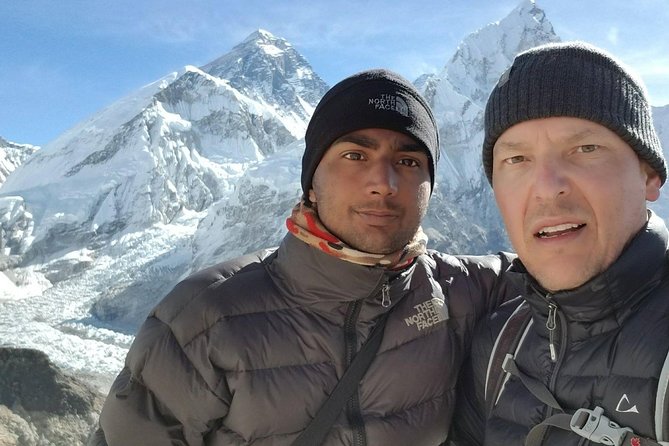
- Roundtrip Kathmandu–Lukla flights included so the trek starts fast
- Meals and tea house accommodation included for day-to-day simplicity
- Cold-weather trekking gear provided (sleeping bag, down jacket, duffel bag)
- Sherpa culture stops built in, including time around Namche Bazaar
- Tyangboche monastery and Everest region glaciers on the highlights list
- Private tour setup with only your group participating
Lukla Flight and the Quick Launch Into the Everest Zone
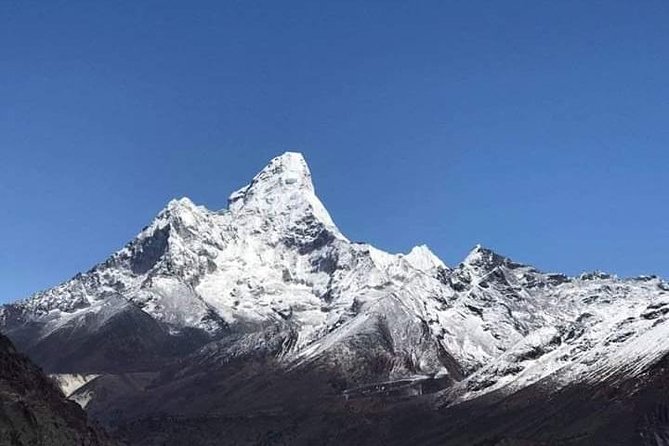
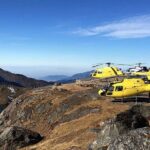
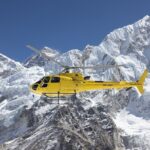
The real start of this trek is not Kathmandu streets. It’s the short-but-serious flight from Kathmandu to Lukla and then back at the end. If you’re picturing this as an “easy hop” to Everest, temper that thought a bit: you’re flying into the mountain world first, then hiking into it. Still, it’s a huge advantage for a 10-day itinerary, because it reduces time lost to transit and lets the trek feel like the main event.
On arrival in the Everest region, you’ll spend time walking through the Dhudhkosi river valley scenery (the kind of views that make you stop even when your legs are ready to keep going). What I like here is that you’re not just chasing a summit photo. You’re seeing how the region is laid out—water, ridgelines, and villages all feeding into the bigger idea of Khumbu.
Possible drawback to plan for: mountain flights can be weather-dependent. If conditions are poor, your schedule may shift. The good news is the experience is built around weather reality, with options offered if the trek can’t run on the expected date due to conditions.
You can also read our reviews of more hiking tours in Kathmandu
Namche Bazaar: Sherpa Life, Not Just a Scenic Stop
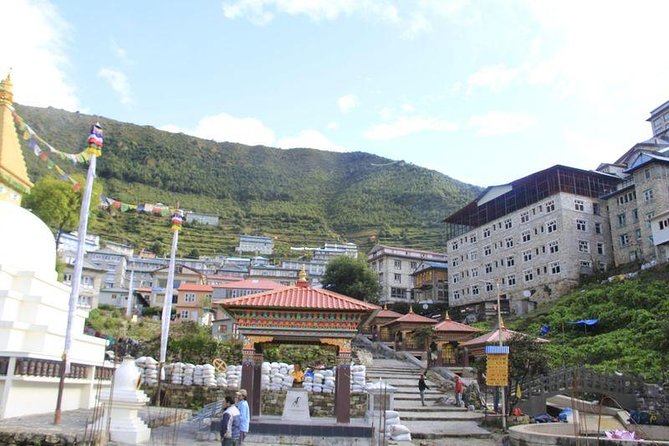
Namche Bazaar is described as the Sherpa capital, and that’s exactly how it helps you understand the trek. This isn’t just a place to pass through for a photo. It’s a cultural and community hub where Sherpa life is part of the daily rhythm—shops, tea houses, and the practical details that make high-altitude living possible.
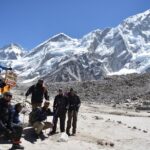
In a short 10-day trek, Namche hits at the right time. It gives you a sense of place. You also get a more human scale for Everest—people live, work, trade, and prepare here, then head into the mountains. That context makes the later days feel more grounded. When you start seeing the talk of 8000-meter neighboring peaks and the Khumbu glacier, it’s easier to connect the names to real geography, not just numbers.
Why this is good for value: if you’ve paid for an expensive flight and you’re spending days hiking, you want your time to mean something beyond walking. A cultural stop like Namche makes the trek feel earned, not rushed.
A consideration: Namche can feel busy compared with the quiet hours on the trail. If you’re the type who likes solitude, you might want to plan your pacing—slow down, take breaks, and don’t let the village energy speed up your day.
Tyangboche Monastery and the Altitude Rhythm
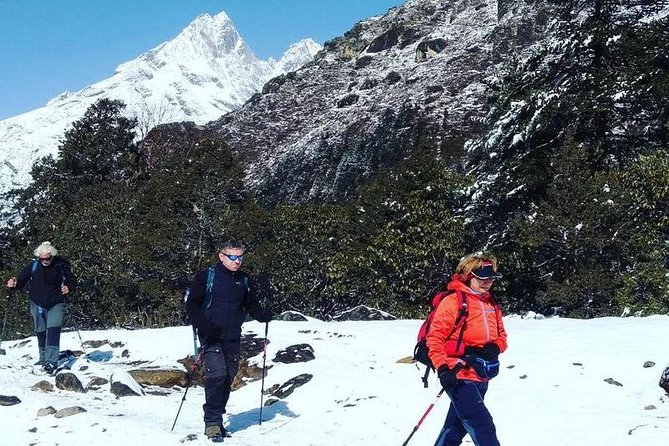
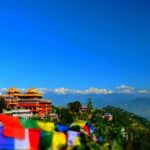
Tyangboche monastery is one of the most meaningful landmarks on the classic Everest route, and it’s included as a highlight. Reaching it on foot makes a difference. You get the steady build of altitude, you feel the cold sharpen, and the monastery becomes more than a point on a map—it’s a place you arrive at with your body doing the work.
This is also where trekkers often start noticing the difference between looking at the mountains and being in their weather. The air can feel thin, wind can matter more, and each climb can feel like it lasts longer than it did lower down. That’s not a flaw of the trek; it’s the point. A shorter trek still gives you enough time for that rhythm to show up.
If you’re hoping for a “spiritual moment” as much as a “view moment,” Tyangboche delivers. Even without getting lost in details, you’ll feel the shift from everyday village life toward a place that has long been tied to the mountains and the people who move through them.
Practical tip: take your pace seriously. For most people, the biggest factor in enjoyment isn’t how fast you walk—it’s whether you avoid overheating early, then have energy for the later climbs.
Khumbu Glacier, Icefall Country, and What You’ll Be Looking For
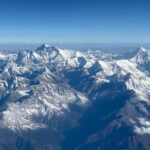
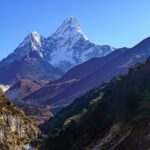
The Everest Base Camp area isn’t just a campsite. It’s a whole system of ice, rock, and routes. In this trek, you’re specifically set up to see the Khumbu glacier and the Khumbu icefall. You’ll also get views of Mount Everest and neighboring peaks that rise above 8000 meters.
Here’s what makes these inclusions valuable: they help you “read” the mountain. It’s one thing to see Everest from afar; it’s another to understand how the icefall shapes the landscape, how glaciers define the feel of the valley, and why trekking in this region takes planning and attention.
Also, this trek is marketed for the most visited trekking destination in the world for a reason. The views are famous, yes. But the bigger reason is that the route gives you repeated chances to orient yourself: you see the peaks, then you see how they sit with the ice and the valleys, then you reach the base area where everything becomes real.
Possible drawback to keep in mind: the icefall and glacier areas are visually dramatic, but conditions can be cold and change quickly. Your day will go better if you dress in layers and don’t rely on one “perfect” jacket.
Everest Base Camp Day: The Photo Is Real, But So Is the Feeling
Reaching Everest Base Camp is the main goal, and it should feel like a payoff after a few days of acclimation and hiking. What you’ll likely remember most is not only the view of the mountain but the sense of arrival: you’re at the foot of the biggest peaks, in a place where the entire region’s purpose starts to click.
Because this is a short trek, you’re not spending weeks at altitude. That can be a good thing if you have limited time. But it also means you should treat the hike carefully. You want to arrive feeling focused, not wrecked. The included meals and tea house lodging support that, because you’re not trying to solve logistics every day while your body is adjusting.
One more thing I like about this plan: it connects Everest Base Camp to the surrounding story. You’re not just “going to a point.” You’re also seeing Tyangboche monastery, walking through the Dhudhkosi river valley, and viewing the Khumbu glacier and icefall on the lead-in. That way, base camp doesn’t feel like a disconnected stop.
Meals, Tea Houses, and the Gear That Saves Your Trip
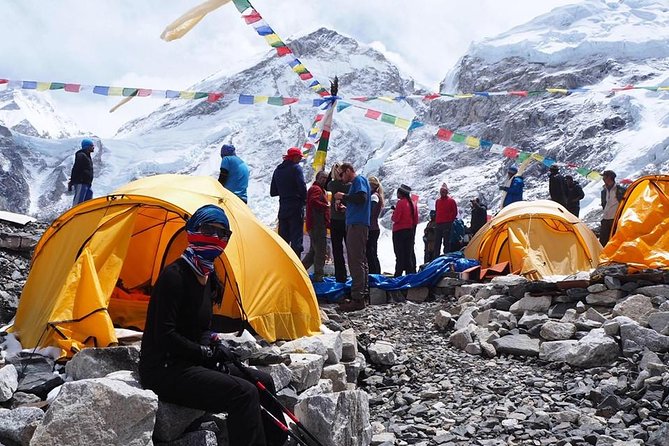
A lot of trek packages advertise the big headline. This one backs it up with practical support you can feel in daily life.
Included with your trek:
- Breakfast, lunch, and dinner
- Tea house accommodation during the trek
- Cold-weather equipment like a sleeping bag, down jacket, and a duffel bag (returned after the trek)
- A route map
That gear part is a big deal. Buying a high-quality sleeping bag for one trip can be pricey, and carrying it home is worse. With this package, you get what you need for cold nights and you’re not forced into bulky extra baggage. The duffel bag also makes life simpler for daily carry, because you don’t have to find a workable system from scratch.
A note on comfort: tea houses are basic by design. The point is warmth, food, and a bed for the night so you can hike again. If you’re expecting hotel-level luxury, you’ll be disappointed. If you’re expecting reliable shelter and meals while hiking at altitude, you’ll probably feel right at home.
What’s not included (so plan it): coffee/tea, bottled water, alcohol, soda/pop, and personal expenses. You’ll also need travel insurance of your own, and Kathmandu hotel nights aren’t included.
Price and Logistics: What the $1,690 Gets You
At $1,690 per person, this isn’t a bargain trek. But it’s not just “paying for scenery,” either. The value is in what’s bundled and what it removes from your planning.
What stands out for value:
- Both-way flight tickets between Kathmandu and Lukla included
- Meals included across the trek
- Tea house accommodation included
- Air-conditioned vehicle included
- Necessary cold-weather equipment provided
- All fees and taxes included
For many people, those items are the real cost drivers on Everest trips. Flights are expensive. Gear can be expensive. Then you add meals and lodging. When the package covers those pieces, your budget becomes easier to manage.
What you should verify before you go: the price does not include the hotel in Kathmandu, and it does not include a porter if you want one. If you’re carrying a heavier pack than you expect, you might want to budget for porter support or reduce what you carry.
The trip also states it’s private, meaning it’s only your group. That usually means less waiting, fewer compromises, and more direct communication with your guide and team.
Who This Short Everest Base Camp Trek Fits Best
This trek is designed for people with moderate physical fitness who want Everest without turning it into a multi-week mission. Ten days is a tight timeline, so you’ll want to be honest about your hiking base.
You’ll likely love it if you:
- Want the Everest Base Camp goal without spending weeks on logistics
- Prefer a guided plan that handles the day-to-day structure
- Like a mix of scenery and real culture, including Namche Bazaar and Tyangboche monastery
You might want a different option if you:
- Know you struggle with altitude hikes or long daily walking
- Want luxury comfort as a non-negotiable requirement
- Hate weather uncertainty tied to mountain flights
The Guide Factor: Why People Keep Saying It Felt Hassle-Free
One of the most praised aspects in the feedback is how well people felt looked after from start to finish. Names that come up repeatedly include guides such as Pradeep, Dhruba Dharel, BK, and Susil, plus the broader Eco Holidays Nepal team. What I take from those comments is not just that the guides were friendly. It’s that they paid attention to safety and details and made the trip feel organized.
That matters on a short trek. With fewer days, there’s less room to recover from mistakes like moving too fast, packing wrong, or losing time to confusion. A guide who watches the small things helps you avoid big problems.
Also, one helpful pattern in the feedback: people felt the plan stayed flexible when the weather didn’t cooperate. That kind of decision-making is crucial on Everest itineraries, because conditions can change fast.
Should You Book This Short Everest Base Camp Trek?
If your goal is Everest Base Camp in about 10 days, and you want most of the heavy lifting handled for you—flights, meals, tea house lodging, and key trekking gear—this is a strong match. The inclusion of Lukla flights is especially important because it compresses your time and keeps the trek focused.
I’d book it if:
- You’re comfortable with moderate physical exertion and altitude trekking
- You like a private-group setup with fewer logistics to manage
- You want Sherpa culture time at Namche Bazaar plus Tyangboche monastery and the glacier/icefall story
I’d think twice if:
- You’re not comfortable with cold-weather basics (even with provided gear)
- You rely on hotels in Kathmandu to be included
- You need guaranteed flight timing regardless of mountain weather
If you can handle a weather-sensitive, guide-supported trek and you want Everest without stretching your vacation too thin, this is the kind of plan that often feels worth the money.
FAQ
How long is the Short Everest Base Camp trek?
It’s listed as 10 days (approx.).
Where does the tour start?
The meeting point/start is Tribhuvan Airport, Kathmandu, Nepal.
Are flights to Lukla included?
Yes. Roundtrip flight tickets Kathmandu–Lukla–Kathmandu are included.
Where will I stay during the trek?
Tea house accommodation during the trek is included.
What meals are included?
Breakfast, lunch, and dinner are included.
What gear is provided for the trek?
You’re provided necessary trekking equipment like a sleeping bag, down jacket, and a duffel bag, and it’s returned after the trek.
Is hotel accommodation in Kathmandu included?
No. Hotel in Kathmandu is not included.
Do I need moderate physical fitness?
Yes. Travelers should have a moderate physical fitness level.
Is travel insurance included?
No. Travel insurance is not included.
Is this a private tour?
Yes. It’s private, and only your group will participate.