Manaslu Circuit is the kind of trek that feels quietly epic. You’ll move through Manaslu Conservation Area villages, then climb to Larkya La Pass, with Tibetan-influenced culture showing up in everyday ways people live and pray. I like that the route is described as more sedate than some big-name treks, which can make the whole experience feel less chaotic and more human.
I also love the way the trip handles the practical stuff: an English-speaking guide, teahouses/guesthouses on a twin-sharing basis, and a porter system (2:1 guest-to-porter) so you’re not hauling your whole world up steep trails. Add the purified water setup during the trek, and you’ll spend more energy on walking and less on logistics.
One consideration: the trek includes multiple high-altitude days with extra acclimatization, and it’s still a mountain circuit—weather can affect the schedule, and you’ll want solid moderate fitness to enjoy it.
In This Review
- Key things I’d circle before you go
- Manaslu Circuit Trek: why this route feels special
- Price and logistics: what $1,900 per person really buys you
- Days 1 to 2 in Kathmandu: getting oriented without wasting time
- From Machha Khola to Jagat: river trails, bridges, and village life
- Jagat to Deng and Gorkha: early starts and forested river valleys
- Namrung and Shyala: panoramic pauses before the big altitude segment
- Samagaun: acclimatization with options near the high country
- Samdo and the border area: two extra days you’ll be thankful for
- Larkya La Pass: your highest day and your biggest payoff
- Tilche to Besisahar: finishing the circuit with a satisfying descent
- Teahouses, twin-sharing rooms, and the included water plan
- Guides, porters, and small-group attention to detail
- Should you book? A straight answer
- FAQ
- What is the duration of the Manaslu Circuit Trek?
- Where does the trek start and end?
- Is airport pickup and drop-off included?
- What kind of trekking lodging do you use?
- Are permits included for the trek?
- Is there a porter and will the guide speak English?
- Can I get a full refund if I cancel?
Key things I’d circle before you go
- Larkya La Pass is the high point you plan your day around, with an early start for the toughest section
- Acclimatization days in Samagaun and near the Tibetan-border area help you handle altitude more safely
- Porter support (2:1 ratio) keeps your load realistic for long days and steep bits
- Restricted area permit included, which matters because this circuit is not an open-access hike
- Teahouse/guesthouse nights are part of the deal, so you’re traveling the way locals travel
Manaslu Circuit Trek: why this route feels special
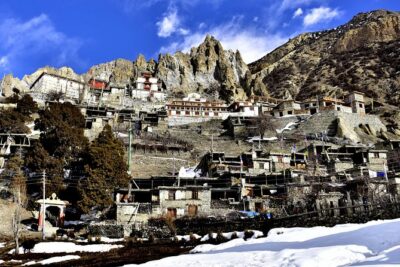
If you’re tired of trekking that feels like a conveyor belt, this circuit’s “sedate” reputation makes sense. You’ll be in the Manaslu Conservation Area, moving through isolated villages rather than constant crowds, and the culture you see has that Tibetan flavor you notice in prayer flags, monastery-adjacent rhythms, and how people talk about the high country.
What makes the itinerary particularly appealing is the mix of day types. Some days are steady uphill progress through valleys and settlements; others give you breathing room with acclimatization. That pacing is a big deal on a trek where the biggest payoff comes after the hard days.
Also, the operator includes the administrative heavy lifting: permits required for the trek (including a restricted area permit) and the government taxes. That’s one less thing to stress about when you’re already planning gear, altitude, and the timing of your Nepal trip.
You can also read our reviews of more hiking tours in Kathmandu



Price and logistics: what $1,900 per person really buys you
At $1,900 per person for a 15-day trek (approx.), the value comes from what’s bundled—not just what’s listed. You’re paying for an English-speaking guide for the full duration, porter assistance for your duffel bag, and the permits that can be a stumbling block for independent travelers.
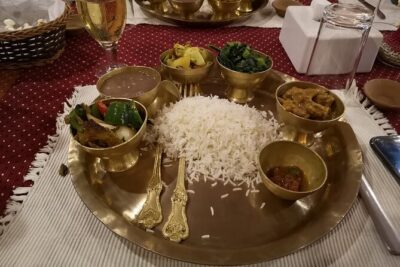
You’re also getting structure around meals and water. The trek includes breakfast daily (15), plus lunch and dinner for 14 days, and drinking water is handled with a purifier or chemical tablets. That matters because on mountain routes, improvising food and hydration can turn a manageable day into a stressful one.
Here’s what you should expect to pay separately. Kathmandu accommodations and most Kathmandu meals are not included (except the welcome and farewell dinner). International flights, tourist visa costs, travel insurance and emergency evacuation charges, and personal expenses aren’t included either. If you’re budget-tight, this is where you’ll need to plan ahead.
One more practical note: the group size has a stated maximum of 16 travelers. That usually helps keep things organized without feeling like a huge bus herd.
Days 1 to 2 in Kathmandu: getting oriented without wasting time
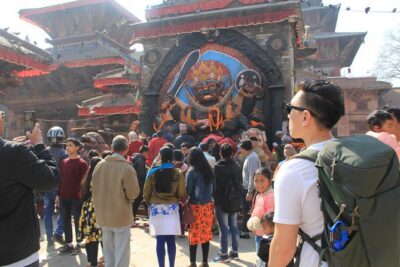
You’ll start in Kathmandu with airport pickup and a transfer to the hotel. The meeting point is Kathmandu Business Hotel in Thamel (Kathmandu 44600), and the itinerary indicates you’ll be guided from arrival into the trip rhythm quickly.
Day 2 is when the trek energy turns on. After a scenic drive toward Machha Khola, you’ll begin walking as the route follows the Budhi Gandaki region’s flow. This setup is helpful: it gives you a first taste of the terrain without jumping straight into the highest-demand hiking on Day 1.
If you’re coming in fresh from an international flight, pay attention to what you do the night before. You’re not just traveling—you’re entering a multi-day walking pattern. A smooth first transfer and an early start can make your whole circuit feel calmer.
From Machha Khola to Jagat: river trails, bridges, and village life
Day 2 takes you to Machha Khola, setting the stage with rural villages and green hills along the drive. Then Day 3 moves from Machha Khola to Jagat on the trekking trail beside the Budhi Gandaki River.
What I like about this portion is the “human scale.” You’re not only chasing views; you’re walking through terraced fields and crossing numerous suspension bridges. Those bridges are exactly the kind of small feature that keeps your attention up when the walking gets steady.
A realistic consideration here is that Day 3 is listed as about a day of trekking with bridge crossings and trail work. If you’re prone to knee fatigue, I’d recommend pacing like a pro—shorter steps, controlled downhill, and no rushing just because the scenery looks easy.
Jagat to Deng and Gorkha: early starts and forested river valleys
On Day 4, the trek continues to Deng, with an early rise. The description points to river valleys and lush forest-like sections, which is a nice contrast after the more open village sections earlier on.
In plain terms, this is the kind of day where your mind starts to accept altitude gradually. You’ll feel the change in air and the growing sense that you’re moving into a higher world, but you’re not dropped into an extreme pass day yet.
The route also stays grounded in the local landscape. You’re walking between communities, which helps the circuit feel like a journey rather than a checklist of peaks.

Namrung and Shyala: panoramic pauses before the big altitude segment
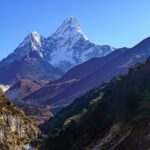
Day 5 continues to Namrung from Deng. The walk is framed as winding through alpine scenery and traditional settlements, and it’s timed around a reward: panoramic views of the surrounding peaks as you ascend gradually.
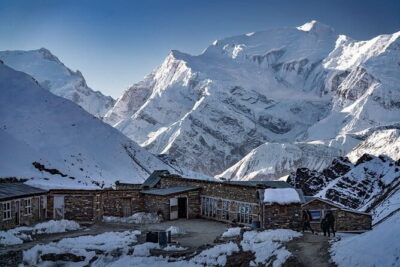
Day 6 takes you from Namrung to Shyala, described as a village encircled by majestic peaks. This is one of those “walk, look, breathe” segments where the cultural part and the view part overlap. You’re still trekking, but you’re also getting those dramatic backdrops that make you slow down and pay attention.
A practical tip: take your view breaks seriously. Use them to check how you’re breathing and how your legs feel, not just to snap photos. On high circuits, small pauses help you avoid the common mistake of starting too fast because it looks good.
Samagaun: acclimatization with options near the high country
Day 7 brings you to Samagaun, a large village with deep cultural heritage and stunning mountain views. Day 8 is built for your body as much as your route: you get an additional acclimatization day.
This is where the trek gives you choice. You have the option to trek to Manaslu Base Camp during that acclimatization window. If you’re comfortable and the weather is cooperative, this optional push can add a strong sense of place—like you’re reaching the base zone of the mountain system rather than just passing by.
Even if you don’t do the base camp option, Day 8 matters. It supports your ascent later toward the border area and the big pass. And because teahouses/guesthouses are part of the included plan, you’re not improvising your rest day either.
Samdo and the border area: two extra days you’ll be thankful for
Day 9 heads to Samdo, a village near the Tibetan border. The description emphasizes high-altitude landscapes and serene paths, and you’ll likely feel the sense of remoteness increase as you go.
Day 10 is another acclimatization day near Samdo, with a scenic hike. Then Day 11 is listed as Dharamsala, described in a way that still points to additional acclimatization around the area. The key takeaway for you: this trek doesn’t treat altitude as something you can power through with willpower. It builds rest into the plan.
That matters most for two reasons. First, altitude discomfort can change your energy more than your legs. Second, you’re trying to arrive fresh for Larkya La Pass, not just brave.
Larkya La Pass: your highest day and your biggest payoff
Day 12 is your big one. You’ll start early to tackle Larkya La Pass, described as the highest altitude section and one of the trek’s most demanding yet rewarding segments.
The itinerary estimates a longer hiking day (about 9 hours). This is not a “speed day,” it’s a “manage effort” day. If you’ve never hiked at altitude, you’ll want to treat slow as fast. Smooth breathing rhythm beats pushing for distance.
This pass day also tends to shape memories. Even if your body struggles a bit, the moment you reach the top zone usually makes sense of the hard weeks of buildup. And because the itinerary has you return to the circuit afterward, the pass feels like a turning point, not a one-day adventure.
Tilche to Besisahar: finishing the circuit with a satisfying descent
Day 13 takes you from Bimthang to Tilje (listed as Tilche), walking through alpine meadows and forests with scenic landscapes. This is a nice shift from pass-focused intensity into a more flowing trekking feel.
Day 14 moves you from Tilje toward Besisahar via Dharapani. You’ll wake early, trek, then transition to a drive that brings you back to the lower country rhythm. Ending with a drive after long days is one of those small planning choices that makes the last day feel easier than it could.
Day 15 returns to Kathmandu with a scenic ride back and the trip ending back at the meeting point in Thamel. You’ll feel that mixed relief-and-sadness thing here. You’re done with the hardest walking, but the mountains have already gotten under your skin.
Teahouses, twin-sharing rooms, and the included water plan
This trek runs on teahouses/guesthouses, and your stay is twin-sharing. That’s often the difference between a comfortable trekking trip and a “camping survival course,” and here it’s part of the included package.
Meals are included on the trail: breakfast on the trekking days, and lunch and dinner across most of them. You’re still ordering from what’s available each night, but you’re not paying daily meal-by-meal from scratch.
One detail I genuinely appreciate for comfort and peace of mind: drinking water is handled with a purifier or chemical purifying tablets. That doesn’t eliminate the need to carry your own water system, but it reduces the chance you’ll run into a tricky mid-day situation.
If you prefer bottled water, note that bottled water and beverages are listed as not included. You’ll likely want to pack a plan for hydration that fits your stomach and preferences.
Guides, porters, and small-group attention to detail
A trek like this lives or dies by practical organization, and the included support is clear. You’ll have an English-speaking guide for the full trek, plus a porter to carry your duffel bag, with a 2:1 guest-to-porter ratio.
That porter ratio is worth thinking about. You’re still responsible for your personal day items, but your bulky bag doesn’t have to become a weight problem every time the trail turns uphill.
The feedback also highlights support staff by name. In the information you provided, guides and helpers such as Raman Shrestha and Bipin come up in positive remarks, which usually means the human side of the trip was handled well—communication, responsiveness, and morale when the altitude day isn’t cooperating.
Should you book? A straight answer
I’d book this trek if you want a structured Manaslu Circuit with permits handled, a small group size, and real acclimatization time built in. The combination of Larkya La Pass planning, Samagaun and border-area rest days, plus porter and purified water support makes it feel more like a guided mountain journey than a DIY project.
You should pause and think twice if you’re not ready for high-altitude trekking patterns or you’re unsure about your moderate physical fitness. Even with an organized route, this is still a 15-day walking commitment with a pass day that’s explicitly described as challenging.
One last reality check: the experience requires good weather, and it’s also weather-sensitive enough that cancellations or date changes can happen. If your Nepal window is flexible and your fitness is solid, this circuit can be one of the most memorable treks you’ll do.
FAQ
What is the duration of the Manaslu Circuit Trek?
The trek is listed as about 15 days (approx.).
Where does the trek start and end?
It starts at Kathmandu Business Hotel in Thamel, Kathmandu, and ends back at the same meeting point.
Is airport pickup and drop-off included?
Yes. Airport pickup and drop-off are included for both domestic and international travel.
What kind of trekking lodging do you use?
The trek uses teahouses/guesthouses on a twin-sharing basis.
Are permits included for the trek?
Yes. All permits required for the trek are included, including a restricted area permit.
Is there a porter and will the guide speak English?
Yes. You’ll have an English-speaking guide throughout the trek, and there is a porter to carry your duffel bag with a 2:1 guest-to-porter ratio.
Can I get a full refund if I cancel?
Free cancellation is offered, and you can cancel up to 24 hours in advance for a full refund.