REVIEW · KATHMANDU
Kathmandu Day Tour
Book on Viator →Operated by Frolic Adventure Pvt. Ltd. · Bookable on Viator
Four UNESCO stops, one well-run day. I like the hotel pickup and private-vehicle comfort, and I really appreciate how the guide connects what you see to religion, rituals, and everyday culture. One thing to plan for: entry fees aren’t included, so your total cost can be a little higher than the headline price.
This is a 7 to 8 hour Kathmandu city tour starting at 9:30 am, built for a small group (max 12). You cover four major UNESCO cultural sites across different neighborhoods, including the ancient royal palace area and two of the city’s biggest religious hubs.
You’ll spend real time at each stop—usually about an hour at the more focused sites, and longer at the ones with wide layouts and lots to notice. If you’re sensitive to ritual scenes, note that Pashupatinath includes a look at Hindu cremation at the Bagmati River.
In This Review
- Key Highlights You’ll Care About
- The UNESCO Four-Stop Plan That Makes Sense for Most Visitors
- Price and Value: What $55 Covers (and What It Doesn’t)
- Morning Logistics: Pickup at 9:30 and Private Transport in Real Kathmandu Traffic
- Stop 1: Kathmandu Durbar Square and the Royal-Palace World
- Stop 2: Swayambhunath Hill Stupa Views Over Kathmandu Valley
- Stop 3: Pashupatinath Temple and Cremation Rituals by the Bagmati
- Stop 4: Boudhanath Stupa and Buddhist Community at Its Grand Scale
- How the Guide Really Changes the Tour
- Time, Walking, and Comfort: Make the Day Feel Easier
- What About Food and Shopping?
- Who This Tour Is Best For
- Should You Book This Kathmandu Day Tour?
- FAQ
- What time does the Kathmandu Day Tour start?
- How long is the Kathmandu city tour?
- Which UNESCO sites are included on the day tour?
- Is hotel pickup and drop-off included?
- Are entrance fees included in the tour price?
- Is free cancellation available?
Key Highlights You’ll Care About
- Small group size (max 12) keeps the day feeling personal, not rushed-chaos
- Hotel pickup and drop-off + private transport save time and stress in Kathmandu
- Four UNESCO sites in one loop: Kathmandu Durbar Square, Swayambhunath, Pashupatinath, Boudhanath
- Ritual context at Pashupatinath helps you understand what you’re watching by the river
- Hilltop views from Swayambhunath give you a clear look over Kathmandu valley and distant mountains
- Mobile ticket option simplifies check-in so you can spend more time sightseeing
The UNESCO Four-Stop Plan That Makes Sense for Most Visitors
Kathmandu can feel overwhelming fast. Traffic, crowds, and unfamiliar rules at temples can turn a simple walk into a puzzle. This day tour is designed to solve that. You get a route that hits four UNESCO cultural sites without you needing to map the city yourself.
The big win is variety. Kathmandu Durbar Square gives you the royal palace atmosphere and carved temple details. Then you switch to a Buddhist hilltop landmark at Swayambhunath. After that, the tour moves to Hindu spiritual life at Pashupatinath by the Bagmati River. You end at Boudhanath, where Buddhism comes through in a different style—vast, communal, and visually unforgettable.
One practical benefit: the sites are spread out enough that you’ll avoid the common mistake of doing only one area thoroughly. But the day is still short enough (about 7 to 8 hours) that it doesn’t eat your whole trip.
You can also read our reviews of more tours and experiences in Kathmandu.



Price and Value: What $55 Covers (and What It Doesn’t)
At $55 per person for a full-day tour, this is aimed at good value: you’re paying for a professional guide, hotel pickup and drop-off, and transport by private vehicle. For many visitors, that’s the hardest part to do well on your own—getting reliable guidance and minimizing wasted time.
The main budget note is simple: entry fees aren’t included. Admission is listed as not included for Kathmandu Durbar Square, while Swayambhunath, Pashupatinath, and Boudhanath are marked as free. So your day cost is mostly the guide and transport, plus the one likely paid admission site.
Tips for the guide and driver are also not included. That’s normal for tours like this, but it matters for planning. If you’re the kind of traveler who hates surprises, keep a small extra budget set aside for admission and gratuities.
Morning Logistics: Pickup at 9:30 and Private Transport in Real Kathmandu Traffic
Start time is 9:30 am, and pickup is offered from your hotel. That changes the day more than you might expect. Instead of spending your morning negotiating directions or waiting for a ride, you meet your guide and leave on schedule.
The tour uses private vehicle transport for the full day. Kathmandu roads can be chaotic, with constant stopping and starting. Having a driver who understands the flow means you’re less likely to lose your visit windows to delays.
Also, with a maximum of 12 travelers, you’re not stuck in a huge group where the guide has to shout over everyone. The smaller size often makes it easier to ask questions about what you’re seeing—especially at the more sensitive sites.
Stop 1: Kathmandu Durbar Square and the Royal-Palace World
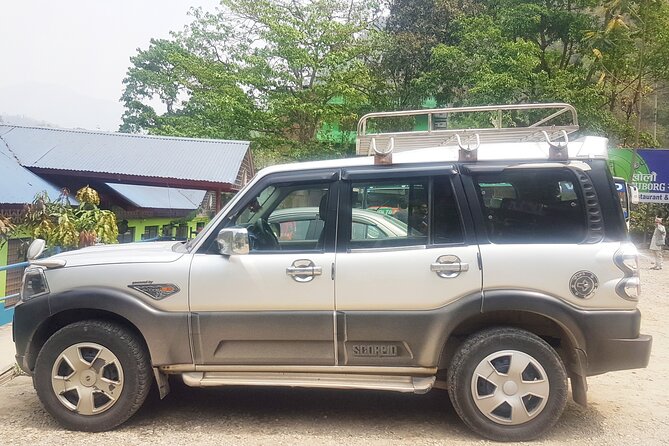
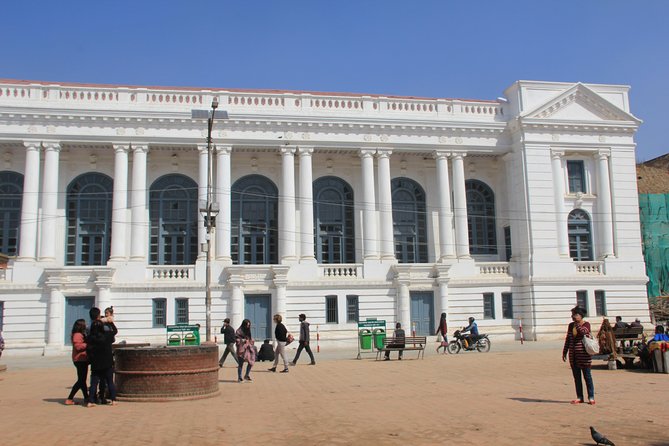
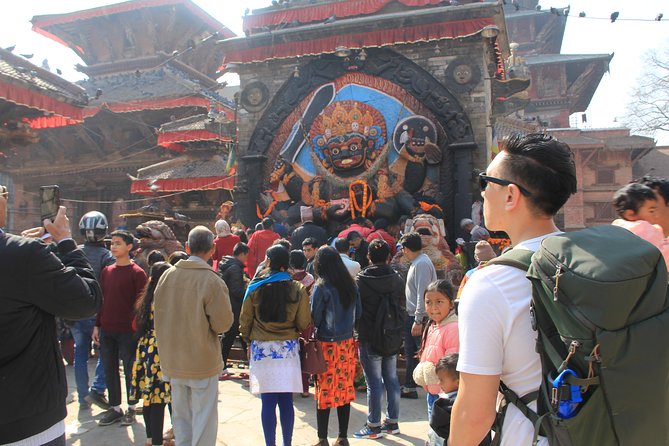
Kathmandu Durbar Square is the old royal palace area, with many pagoda-style temples and carved details. This is your “history you can walk through” stop. You’ll spend about 2 hours here.
What makes Durbar Square special is the way it mixes architecture and identity. This wasn’t just a place of worship; it was tied to the royal center of Nepalese life. If you enjoy noticing craftsmanship, you’ll likely enjoy the windows, facades, and layered temple forms—especially because the guide can point out what you’d otherwise miss.
One practical drawback: this stop often involves uneven ground and lots of time looking upward and around. Wear shoes you can trust. If you’re tired quickly by standing and walking, plan a small break when your guide suggests it.
Admission tickets here are not included, so expect one paid component to factor into your day budget.
Stop 2: Swayambhunath Hill Stupa Views Over Kathmandu Valley
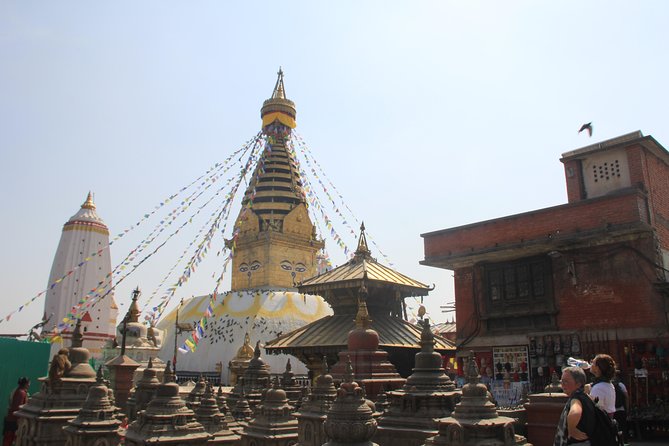
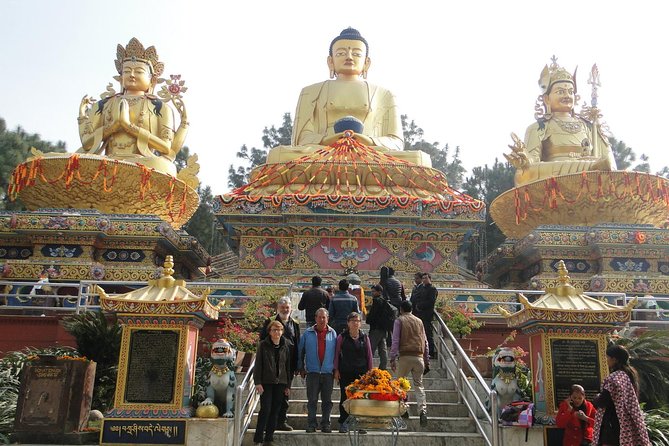
Next is Swayambhunath, a Buddhist stupa located on a hill station. You get about 1 hour here, and admission is listed as free.
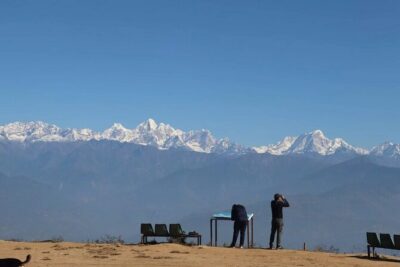
The big reason to go is the viewpoint. From Swayambhunath you can see Kathmandu valley and distant white mountains under the right conditions. Even if the weather isn’t perfect, you’ll usually get a sense of how the city sits in its valley setting.
This is also a spiritual site with strong Buddhist significance. The guide’s role matters here. Temple rules and respectful behavior can be confusing, and having someone explain the context helps you avoid common mistakes like walking into the wrong areas or misunderstanding what’s happening.
Since it’s only about an hour, it’s not a slow pilgrimage experience. It’s more of a strong “orientation stop”: you get the stupa, you understand its meaning, and you leave with a clearer sense of Kathmandu’s religious landscape.




Stop 3: Pashupatinath Temple and Cremation Rituals by the Bagmati
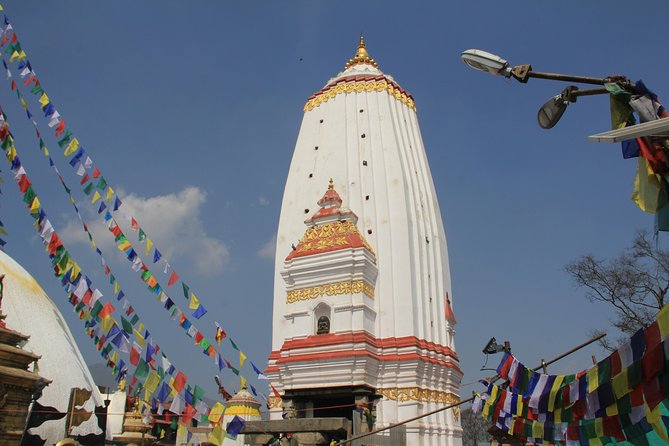
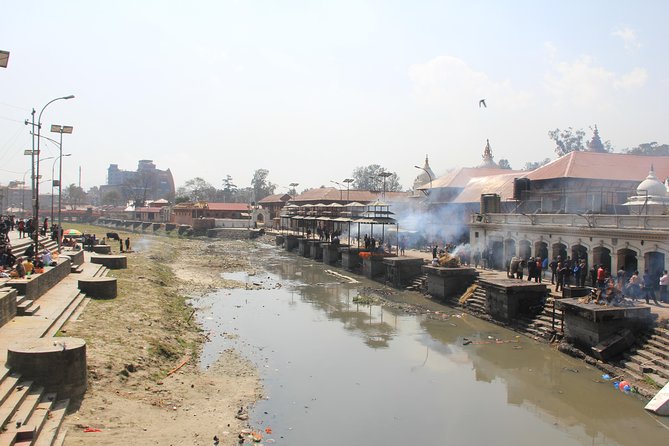
Pashupatinath is where the day turns more serious. This is a Hindu holy site, and the tour includes an explanation of cremation rituals—open at the side of the Bagmati river.
You’ll spend about 1 hour here, and admission is listed as free. Still, treat this stop with extra sensitivity. Seeing death rituals in an active spiritual setting can be emotionally heavy even if you came expecting it. If you’re sensitive to scenes like this, it helps to go in with your expectations clear.
What you’ll get from a guided visit is meaning. Without context, the scene can feel like just a spectacle. With context, you start understanding the cultural logic behind the rituals and why the site is revered.
Respectful distance and quiet attention are key. If you plan to take photos, follow what your guide advises on where and when it’s appropriate.
Stop 4: Boudhanath Stupa and Buddhist Community at Its Grand Scale
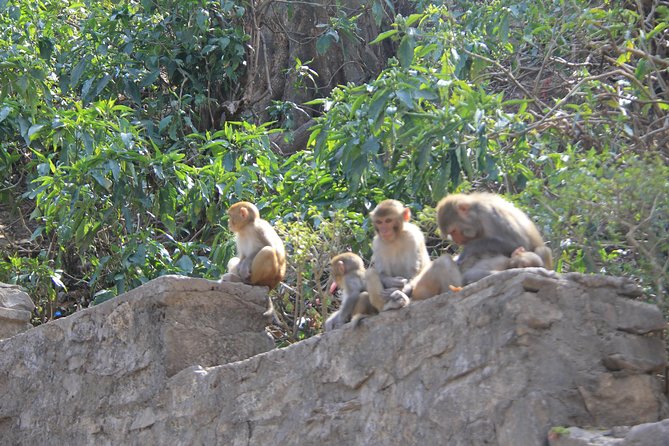
After Pashupatinath, you head to Boudhanath, also a Buddhist site with deep roots going back to the 3rd/4th centuries. You’ll have about 2 hours here, and admission is listed as free.
Boudhanath is known for its size and atmosphere. You’ll likely notice how the stupa becomes the focal point for everyday religious life—people moving around it, watching, praying, and engaging in ritual actions.
This is a great closing stop because it balances the day. You started with palace architecture, moved through hilltop Buddhism, then saw Hindu rituals tied to the river. Ending at Boudhanath makes the day feel complete and gives your eyes a chance to rest on one massive, coherent symbol.
If you enjoy slow looking, use the extra time here to watch how people interact with the stupa and how the guide explains what you’re seeing. Two hours gives you room to do more than take a single photo and rush onward.
How the Guide Really Changes the Tour
A tour like this lives or dies on the guide. In these kinds of Kathmandu heritage days, the guide turns sites into understanding. You’re not just passing buildings; you’re learning what they mean and how people use them.
Frolic Adventure is the provider, and the guide name Rajesh comes up in strong feedback. The pattern is consistent: people appreciate clear explanations of the history, culture, and religious significance at each stop. That’s exactly what you want when you’re visiting places with active spiritual rules.
A small-group format also helps. When you have fewer people, the guide can slow down where your attention needs it most—like when a temple detail matters or when a ritual scene needs context.
Time, Walking, and Comfort: Make the Day Feel Easier
This is a full day, so comfort matters. You’re out for about 7 to 8 hours, with multiple transfers by private vehicle and several walking segments around heritage sites.
Here are practical things that help:
- Wear closed-toe shoes with grip for temple areas and uneven surfaces.
- Bring a light layer. Even in warmer months, religious sites can feel cool under shade.
- Plan for sun and humidity. You may want water even though food and drinks aren’t included.
- Keep your phone charged for the mobile ticket and quick navigation.
Also, remember your pace will be guided. The schedule is built around key highlights, not wandering. If you love spontaneous detours, you may find you’re grateful for the structure but still want time to explore on your own afterward.
What About Food and Shopping?
Food and drinks are not included. That means you’ll need to handle meals on your own during the day. The benefit is flexibility: you can pick something that fits your taste and budget instead of being rushed into a set meal.
Personal shopping is also not included, so if you want souvenirs, textiles, or small religious items, treat it as your own add-on time. Your best move is to ask your guide what’s realistic within the schedule and what areas are most worth your attention.
If you’re not trying to shop, that’s fine. This tour already covers a lot of visual and cultural ground.
Who This Tour Is Best For
This one-day Kathmandu cultural circuit fits best if you want:
- A structured way to see UNESCO heritage sites without planning every route
- A guide to explain religion and ritual so you don’t feel lost
- Hotel pickup and private vehicle transport to reduce friction in the city
It also works well for many traveler types because it’s presented as suitable for most participants. If you’re coming with kids, note the child rate applies only when sharing with 2 paying adults.
If you’re very experienced and enjoy independent travel, you could build your own route. Still, the value here is the guided context and the smooth transport plan.
Should You Book This Kathmandu Day Tour?
I think you should book if you want a day that feels organized, culturally focused, and not exhausting to plan. The mix of UNESCO sites is strong, and the big practical perks—pickup, private transport, and a professional guide—matter in Kathmandu more than in many other cities.
You might skip or adjust expectations if you hate any exposure to ritual scenes. Pashupatinath includes a guided look at Hindu cremation at the Bagmati River, and that’s not something to treat casually.
My final take: for $55, you’re mostly paying for convenience plus interpretation. When you’re spending limited days in Kathmandu, that’s a fair trade. Just budget for the one site where admission applies, and keep your day flexible enough for respectful, quiet attention at the more serious stops.
FAQ
What time does the Kathmandu Day Tour start?
The start time is 9:30 am.
How long is the Kathmandu city tour?
It runs about 7 to 8 hours.
Which UNESCO sites are included on the day tour?
The tour includes Kathmandu Durbar Square, Swayambhunath, Pashupatinath, and Boudhanath.
Is hotel pickup and drop-off included?
Yes. Hotel pickup and drop-off are included.
Are entrance fees included in the tour price?
Entry fees are not included. Kathmandu Durbar Square has admission not included, while Swayambhunath, Pashupatinath, and Boudhanath are listed as free.
Is free cancellation available?
Yes, you can cancel for a full refund up to 24 hours in advance of the experience’s start time.
—
If you tell me your travel dates and whether you prefer early mornings or slower afternoons, I can help you pair this day tour with the best next activity in Kathmandu.