REVIEW · HIKING & TREKKING
Everest Three Pass Trek
Book on Viator →Operated by Base Camp Adventure Pvt. Ltd. · Bookable on Viator
Three passes means three big tests.
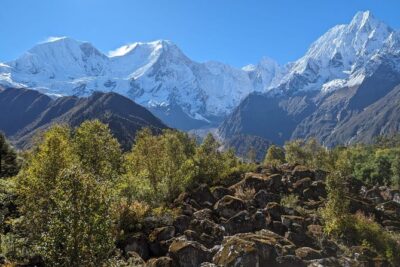
This 15-day Everest Three Pass Trek takes you from Lukla into the Khumbu valleys, then up over Kongma La, Cho La, and Renjo La for epic views of the Mahalangur range and Everest (8848m). You’ll spend your days on steep climbs, stony paths, and snow/ice sections, with hard-earned sightlines that feel worth every sore step.
What I really like is the way the itinerary builds in time to adjust—rest and acclimatization in Namche and again around the Gokyo area—so you’re not just grinding uphill every day. I also like the practical setup: you get a licensed English-speaking guide, porter support, park permits (including TIMS), and even key cold-weather gear like a down jacket and sleeping bag.
The main drawback is also the obvious one: this is not a walk in the park. If your fitness is shaky or altitude makes you a bit cautious, the pass days (especially the ice-covered section on Cho La) can feel brutally slow—and cold—fast.
In This Review
- Quick take: what makes this trek work
- The real hook: Lukla flights and the Dudh Koshi rhythm
- Namche and Tengboche: acclimatization with Sherpa life in the mix
- Dingboche to Chhukung: prepping your body for Kongma La
- Kongma La day and Kala Patthar sunrise: the moment Everest feels close
- Cho La to Gokyo lakes: ice walking and big water views
- Renjo La to Namche: the third pass and the long, satisfying descent
- Price and value: what $1,800 covers (and what it doesn’t)
- Guides and organization: the kind of team that matters up high
- Fitness and gear reality check for the three-pass challenge
- Should you book Everest Three Pass Trek with Base Camp Adventure?
- FAQ
- How long is the Everest Three Pass Trek?
- Where does the trek start and end?
- What time does the experience start?
- Does the package include the flights to Lukla?
- What permits are included?
- Does the trek include meals and lodging?
- What trekking gear is provided?
- Which passes does the itinerary include?
- Is this a private tour?
Quick take: what makes this trek work
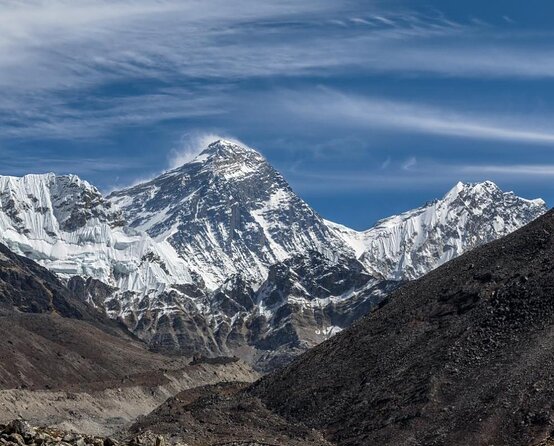
- Three high passes: Kongma La (5535m), Cho La (5420m), Renjo La (5360m), each with its own brand of steep and slippery
- Altitude-aware pacing: Namche and the Gokyo side give your body more time to settle
- Big sunrise payoff options: Kala Patthar (5550m) is part of the plan for that early light on Everest
- National Park trek experience: part of the trail runs through Sagarmatha National Park
- Supported logistics: licensed guide, porter help, guesthouses in twin sharing, and meals included
- Down jacket + sleeping bag provided: reduces the gear headache, if you don’t lose the set returned after the trek
The real hook: Lukla flights and the Dudh Koshi rhythm
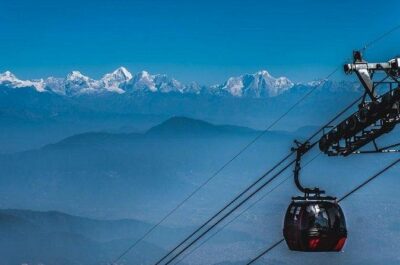
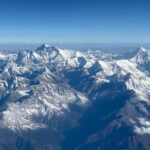
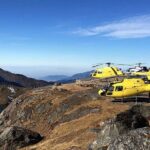
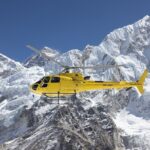
Day 1 starts with a morning flight from Kathmandu to Lukla, landing at Tenzing-Hillary Airport. If you’ve never done a Lukla flight before, you’ll see why people remember it: you’re high above rolling hills and snow-studded peaks before you drop into the Khumbu world. Then it’s straight into trek mode.
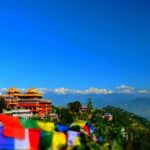
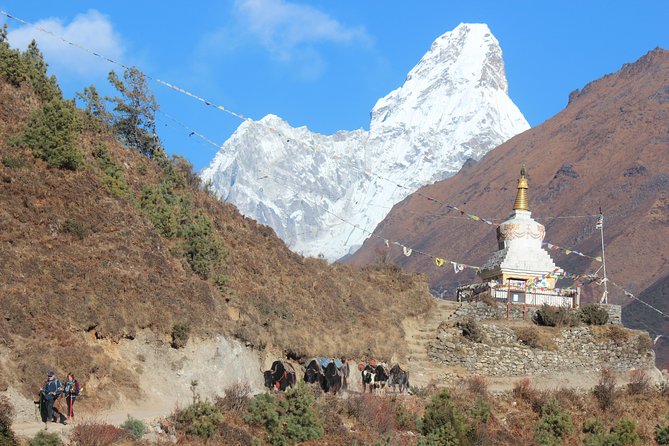
Day 2 gets you moving along the Dudh Koshi River. This is where the vibe starts to feel like Everest region trekking: suspension bridges strung over the gorge, prayer flags fluttering along the way, and a trail that keeps you looking up even when your legs want to stare at the ground. You also enter Sagarmatha National Park, which matters because it’s part of the reason the trail feels so carefully managed.
Small consideration here: those bridges and repeated river crossings can be tough on tired knees by day’s end. It’s not the hardest walking day, but it’s a great warm-up that teaches you how the terrain behaves.
You can also read our reviews of more hiking tours in Kathmandu
Namche and Tengboche: acclimatization with Sherpa life in the mix
Day 3 is an acclimatization/rest day in Namche Bazaar. This is one of the most important days on the whole trek because you’ll likely be feeling the altitude by then. The plan includes exploring the town and climbing a short way up toward Everest View Hotel for wide peak views. Even if you don’t get a perfect weather day, the Namche area is where the trek shifts from hiking challenge to high-altitude lifestyle.
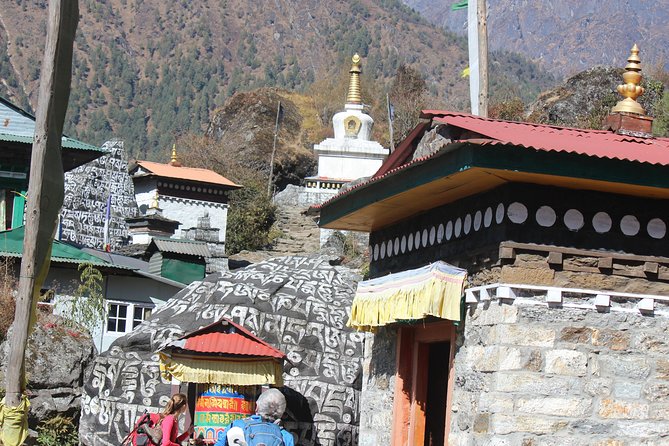
Day 4 moves upstream along the Dudh Koshi area again. You’ll pass near water-driven prayer wheels around Phunke Tenga, then continue above Imja Khola to reach Tengboche. This is often where trekkers start to feel the emotional “I’m really here” moment, because you’re deep in the Khumbu and the ridgelines look close enough to touch (they’re not, but your brain will try).
What can be a drawback: rest days make you feel like you can breathe better, and then you get reminded how fast altitude works when you start climbing again. Use the Namche day to hydrate, eat steadily, and keep your pace calm.
Dingboche to Chhukung: prepping your body for Kongma La
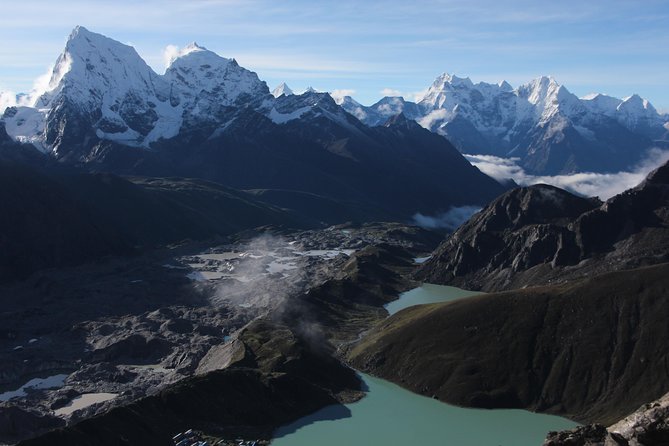
Day 5 is a climb to Dingboche, with major mountain views along the way. You’ll hike past Pangboche, and the views include big names like Ama Dablam (6856m), Lhotse (8414m), and Everest (8848m) in the broader panorama. This day is special because it combines the steep effort with that instant sense of scale: you’re not guessing where the Himalaya is. You’re walking toward it.
Day 6 changes the pacing: instead of staying longer in Dingboche, you go to Chhukung. The point is smart—Chhukung helps you avoid a longer slog later when you’re setting up for Kongma La. This is a “short but meaningful” kind of day: you still climb, but you do it with a purpose.
Practical note: by the time you reach Chhukung, the trek stops feeling like a line on a map. Your body starts asking for slower steps, more pauses, and consistent warmth as temperatures drop.
Kongma La day and Kala Patthar sunrise: the moment Everest feels close
Day 7 is your first major pass crossing: Kongma La (5535m). It’s listed as the highest of the three passes, and the trail to reach it is steep uphill. Expect serious effort here—especially because you’re coming off days of altitude and you’ll likely feel it in your breathing even if your legs are strong.
Then Day 8 takes you to Gorakshep. This walk is rewarding, with stony trekking tracks and wide views of snow peaks and glaciers. Gorakshep is also where you start to feel “high camp energy,” even though you’re sleeping in guesthouse comfort rather than a tent.
Day 9 is the sunrise push to Kala Patthar (5550m). This is a classic for a reason: you hike early for early light, watch valleys wake up below you, and get that moment when the first rays land on Mt. Everest. Even if you’ve seen photos, the scale from here can still surprise you—your brain struggles to measure it.
Consideration: you’ll need to be ready for early-morning cold and wind. The effort is short-distance but intense because you’re going high and sleeping lower the night before.
Cho La to Gokyo lakes: ice walking and big water views
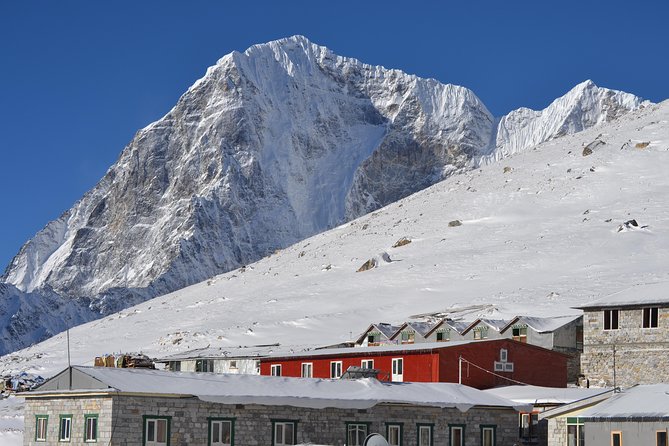
Day 10 brings the second pass: Cho La (5420m), heading toward Gokyo. The description is clear that the climb includes an ice-covered trail to reach the top. This is one of the days that separates a good trek from a great one—because when you move carefully on ice, you feel in control rather than guessing.
Once you reach the Gokyo side, Day 11 is a rest day with Gokyo Ri (5360m) in the morning. This is designed for payoff: you hike up above Gokyo village for views across the Gokyo valley and its many lakes. It’s a change of scenery from rocky pass walls to water and glacier shapes.
What to keep in mind: rest days don’t mean you stop working. Plan to use that day to manage breathing, warmth, and energy. Eat enough during the day so you’re not playing catch-up later.
Renjo La to Namche: the third pass and the long, satisfying descent
Day 12 is early again for your final pass: Renjo La (5360m). The trail is described as gradually hiking on a snow-filled path, with big views as you go. This is the pass day that feels like a sequel to Kongma La and Cho La—but with a different feel because you’re coming off the Gokyo lakes area.
Day 13 starts your return toward Namche. The trek is described as more relaxed with an easier trail, so you can enjoy the surrounding scenery and still look out toward Everest and other peaks from a distance. This is where many people find their trekking rhythm again: less brutal, more “soak it in.”
Day 14 is the long walk back to Lukla. You’ll pass through villages, forests, and river crossings on suspension bridges again. When you reach Lukla, you rest and then explore the market area. That small market break matters because it’s where you switch from high-altitude survival mode back to normal human routines—food tastes better, and even a simple meal feels earned.
Day 15 finishes with an early flight back to Kathmandu, often with dramatic mountain-to-green-hills views through the clouds if conditions cooperate.
Price and value: what $1,800 covers (and what it doesn’t)
At $1,800 per person for a trek around 15 days, you’re paying for a package that handles a lot of the real-world Everest friction.
What you get included:
- Best available guesthouses (mainly twin sharing)
- A local government licensed English-speaking guide
- Porters/staff to carry luggage
- National Park entry permit and TIMS permit
- Down jacket and a sleeping bag (and a duffel/kit bag setup)
- First aid medical kits
- Domestic airfare Kathmandu–Lukla–Kathmandu and airport tax
- Meals: 14 breakfasts, 14 lunches, and 14 dinners
What you’ll likely have to plan for:
- International flights and airport departure taxes
- Personal trekking equipment
- Tips for trekking staff
- Alcohol and extra drinks, laundry, and hot showers (not included)
So is it good value? For me, yes—because the included pieces reduce the biggest non-trekking costs: permits, domestic flights, meals, lodging, guide, and porters. The part that can change your “true cost” is what you still need to buy or bring personally, and tips at the end.
Guides and organization: the kind of team that matters up high
This trek runs with Base Camp Adventure Pvt. Ltd., and the package includes an English-speaking, licensed guide plus the staff/porter support needed to carry your luggage. That’s not a small detail. On a pass-heavy itinerary, organization keeps you moving with fewer surprises.
In past Everest-region trips associated with this operator, names like Nabracht, Shiva, and Jwala show up as guide/support roles, alongside team members such as Bhim and Ram. The owner Shree also appears in customer feedback as part of how trips get arranged with a Westerner-friendly mindset. Your exact guide can differ, but the consistent theme is clear: communication and scheduling matter when weather can change quickly and you’re rising to high passes.
Fitness and gear reality check for the three-pass challenge
The trek calls for strong physical fitness. That makes sense because the itinerary includes:
- Steep uphill sections to Kongma La
- An ice-covered Cho La crossing
- A snow-filled climb over Renjo La
- High-altitude days like Kala Patthar at over 5550m
The operator helps with cold-weather support by including a down jacket and sleeping bag, which is huge if you don’t want to purchase dedicated gear. Still, you’ll need your own personal trekking gear since that’s listed as not included.
If you’re deciding whether you’re ready, I’d judge it like this:
- If you can handle long uphill days with steady effort, you’re in the right neighborhood.
- If you’re only comfortable on gentle trails, this will feel like a constant fight.
Should you book Everest Three Pass Trek with Base Camp Adventure?
Book it if you want an Everest-region trek where the highlights are earned on foot: three passes, a Kala Patthar sunrise, and the Gokyo lakes side with real altitude time for acclimatization. You’ll also appreciate the practical package—meals, permits, domestic flights, lodge support, and key cold-weather gear.
Don’t book (or consider another option) if you know you struggle with altitude or if winter-cold walking and ice sections make you anxious. This is the kind of trek where calm pacing beats heroics, and where being prepared matters as much as being fit.
If you do book, my best advice is simple: plan your training for sustained uphill effort, and keep your pace conservative on early days. The passes get your attention later. Your success starts on day one.
FAQ
How long is the Everest Three Pass Trek?
The duration is listed as about 15 days.
Where does the trek start and end?
It starts in Kathmandu, Nepal, and ends back at the same meeting point in Kathmandu.
What time does the experience start?
Start time is listed as 6:15 am.
Does the package include the flights to Lukla?
Yes. Domestic airfare (Kathmandu–Lukla–Kathmandu) and airport tax are included.
What permits are included?
The included permits are the National Park entry permit and the TIMS Permit (Trekker’s Information Management System).
Does the trek include meals and lodging?
Yes. It includes accommodation in guesthouses (mainly twin sharing) and 14 breakfasts, 14 lunches, and 14 dinners.
What trekking gear is provided?
A down jacket, sleeping bag, and duffel/kit bag are included, and the bag/gear needs to be returned after the trek.
Which passes does the itinerary include?
It includes Kongma La (5535m), Cho La (5420m), and Renjo La (5360m).
Is this a private tour?
Yes. It is listed as private, and only your group will participate.