REVIEW · BHAKTAPUR & PATAN DAY TRIPS
Kathmandu and Patan Heritage and Living Goddess Experience Tour
Book on Viator →Operated by Bold Himalaya Treks and Travels Pvt Ltd · Bookable on Viator
One short walk can feel like a whole cultural course. This Kathmandu experience is built around two big draws: the Living Goddess Kumari and the Kathmandu Durbar Square UNESCO setting, plus a calm stop at Shree Gha and time in a local market. I like how it keeps moving so you see a lot in a short window, and I also like that the guide helps you connect the dots between temples, dynasties, and daily life. The main thing to think about is that you’re walking a fair amount on uneven old-city paths, and the Kumari viewing is tied to how things are arranged at her residence.
What makes this tour extra appealing is the way it mixes big sights with human details. Guides such as Badri and Sovit are repeatedly praised for clear explanations and friendly pacing, and one group even had time for simple street snacks like momos and chai during the walk. The “private tour” setup also means you’re not stuck with strangers’ group-speed decisions, which matters when you’re trying to catch meaningful moments around temples and shrines.
In This Review
- Key Highlights You’ll Care About Before You Go
- Why Kumari and Durbar Squares Beat a Standard Sightseeing Loop
- From Shree Gha to the Market and Into Kathmandu Durbar Square
- Kathmandu Durbar Square: Temples, Museums, and the Kumari Moment
- Basantapur Durbar Square and the Malla & Shah Architecture Story
- The Quiet Power of Shree Gha and Why the Tour Balance Works
- Getting the Most From the Local Market Stop
- Price and Value: What $50 Buys in Real Terms
- Walking, Timing, and the Practicalities of Old Streets
- Guides Like Badri and Sovit: How the Right Person Changes Everything
- Who This Tour Suits Best (And Who Might Want Something Different)
- Should You Book the Kathmandu Kumari Heritage Walk?
- FAQ
- How long is the Kathmandu and Living Goddess experience?
- Is pickup offered for this tour?
- Is this a private tour or will I be mixed with strangers?
- What is included in the price?
- Are admission tickets included?
- Is free cancellation available?
- Can service animals participate?
Key Highlights You’ll Care About Before You Go
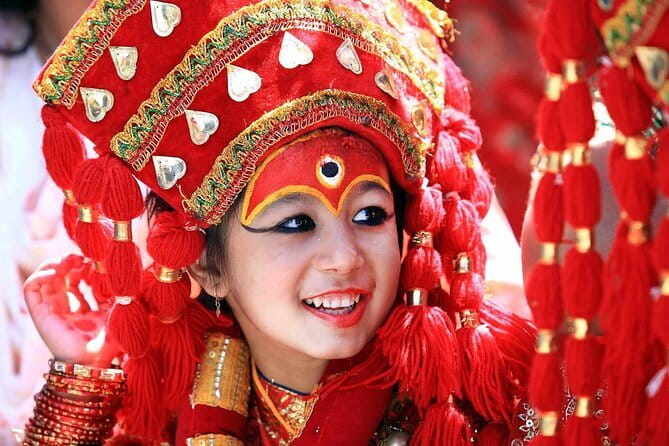
- Living Goddess (Kumari) access during Durbar Square time: You’ll be taken to Kumari’s residence and related spots tied to her role in Nepalese Hindu tradition.
- UNESCO Durbar Square focus: You get guided context right in the historic complex, including temples and museum areas.
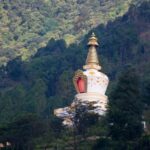
- Shree Gha as the calm pause: A quiet Buddhist shrine stop helps balance the heavier temple sightseeing.
- Short, practical walk-and-see route: A mix of walking and pickup keeps this doable in about 2.5 hours.
- Basantapur Durbar Square architecture lesson: You’ll see the Malla & Shah-era look and learn what you’re looking at.
- Time for local market browsing: You’ll pass through a market area where you can watch everyday buying, selling, and street life.
Why Kumari and Durbar Squares Beat a Standard Sightseeing Loop
If you’re in Kathmandu for a short stay, this kind of tour can be a smarter use of your time than trying to piece together scattered landmarks on your own. The reason is simple: the stops are close enough to connect in your mind, and the guide gives you the story behind what you’re seeing.
The headline moment is the Living Goddess experience. Kumari is not just a statue or a photo op. She’s a living presence in Nepalese culture and Hindu belief, and the tour’s structure is designed to place you near the right locations during your visit window. Even if you’ve seen temple photos before, being guided to the specific Kumari-related sites makes the whole thing feel more grounded.
I also like that this tour doesn’t only chase spectacle. You start with a walk that includes Shree Gha (the tranquil Buddhist shrine) before moving into Kathmandu’s historic core. That calm break matters. It helps you shift from street noise into a slower rhythm before you hit the dense cluster of temples.
One more practical plus: this is a private activity. That doesn’t mean it’s flashy. It means your group can move at a pace that fits you, ask questions without feeling rushed, and spend a little longer where the details actually grab you.
You can also read our reviews of more historical tours in Kathmandu

From Shree Gha to the Market and Into Kathmandu Durbar Square
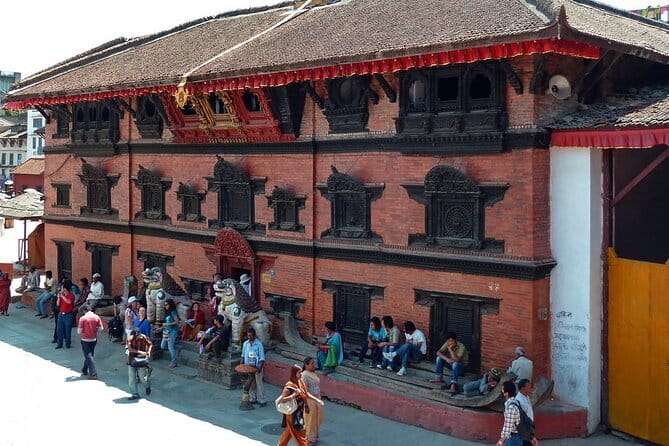
Your tour begins with a meeting at your hotel, then a walk that’s long enough to feel like you’re living in the neighborhood, not just passing through it. You’ll head toward Shree Gha first, described as a serene Buddhist shrine. Think of this as your mental warm-up. It sets a quieter tone right before the Durbar Square area, where the architecture and religious activity pick up fast.
Next comes the local market time. You’ll be able to look around the goods being sold and watch daily commerce in action. It’s not a museum. You’ll see normal life: people bargaining, vendors working, and the steady flow of foot traffic. This is one of those moments where a guide helps more than you might expect. Even when you can’t read everything on signs, you can understand what items are common and why the area matters to locals.
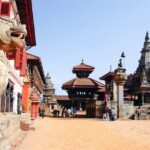
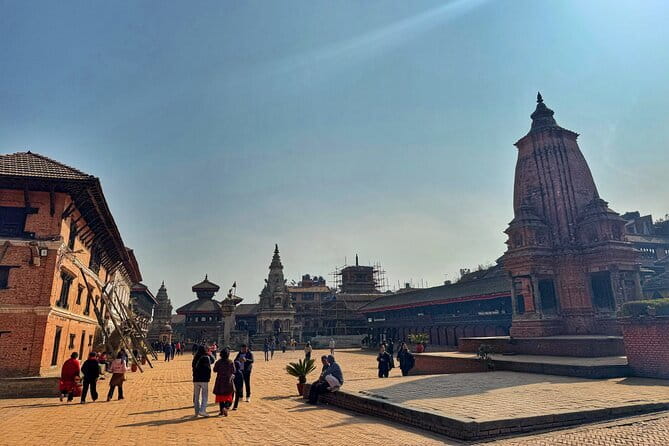
Then you reach Kathmandu Durbar Square, the UNESCO-listed highlight. This is where you’ll see temples and museum areas, and where the Living Goddess connection comes into play. You’re not just standing in a plaza taking snapshots. You’re walking through a place that still functions as a religious and cultural center.
One thing to keep in mind: the tour duration is short (about 2 hours 30 minutes), and Stop 1 is listed as about 1 hour 30 minutes. So expect a “see it, understand it, move on” rhythm. If you want long lingering breaks, you may need to ask your guide how to manage the pace.
Kathmandu Durbar Square: Temples, Museums, and the Kumari Moment
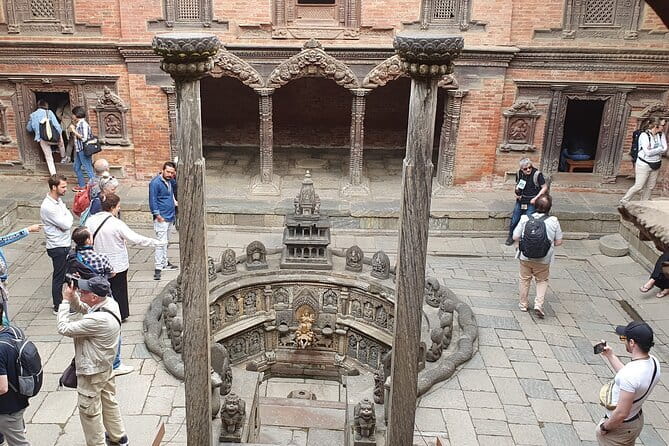
Kathmandu Durbar Square is the kind of UNESCO site that can feel overwhelming if you show up without context. The architecture is old, detailed, and layered with different religious influences over time. That’s why the guided approach matters here.
At this stop, the tour focuses on temples and museum areas inside the complex. The big emotional hit is seeing Kumari connected to her residence and the areas associated with her role. In Nepal, Kumari is treated with deep respect, and the fact that she is a living deity worshipped in local practice changes how you experience the space. You’re more likely to stand with care, watch quietly, and notice small rituals rather than rush toward the next photo.
A practical note: the tour materials say admission tickets are not included in the stop descriptions. At the same time, they also list the UNESCO Durbar Square fee entrance fee as included. That can happen when some parts are covered but other tickets or add-ons might still be requested at the site. My advice is simple: ask the provider or confirm in advance what exactly is covered at the gate, so you’re not surprised by any missing ticket line items.
Also, take your cues from your guide about where photos are welcome and where they’re not. Temple etiquette in Nepal can be strict, and it’s usually best to follow local guidance rather than guess.
Basantapur Durbar Square and the Malla & Shah Architecture Story
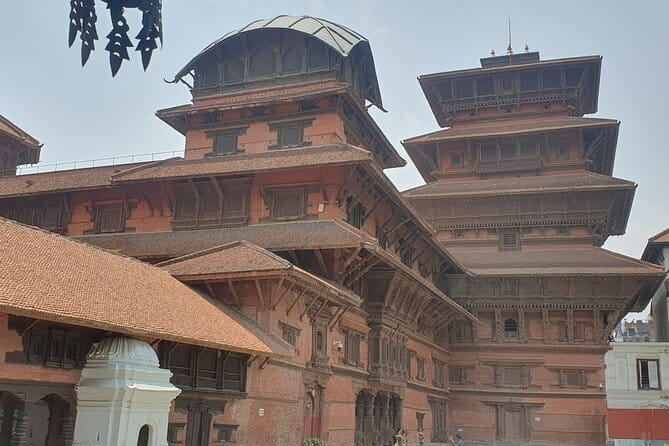
After the first walk, you’ll go to the second major area: Basantapur Durbar Square. This part includes pickup before the tour begins at that stage, and you’ll spend about 1 hour here.
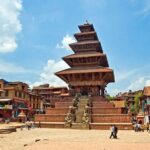
This stop is especially valuable if you like architecture or want to understand how Kathmandu’s old power centers looked. You’ll learn that Basantapur’s durbar squares reflect the Malla & Shah dynasty influence, dating from the 12th through the 19th centuries. That’s a huge stretch of time, and it shows in the mix of styles, carvings, and the way spaces were built to serve religious and civic life.
You’ll also visit the Living Goddess’s residence here again as part of the Basantapur experience. So while the tour starts with Kathmandu Durbar Square, you’re basically getting a second, more focused look around Kumari’s context and the surrounding historic area.
A neat detail you’ll get from this stop: a 17th-century stone sculpture of the god Kalvairabh. It’s included specifically as a thing to see, and it helps turn the site from generic “pretty buildings” into a place with names, legends, and meaning.
You’ll also stop by the local museum connected with Basantapur’s history. Museums here tend to work best when you come with a guide who can explain what you’re looking at. That museum time is where you start fitting the pieces into a bigger story, not just collecting facts.
The Quiet Power of Shree Gha and Why the Tour Balance Works
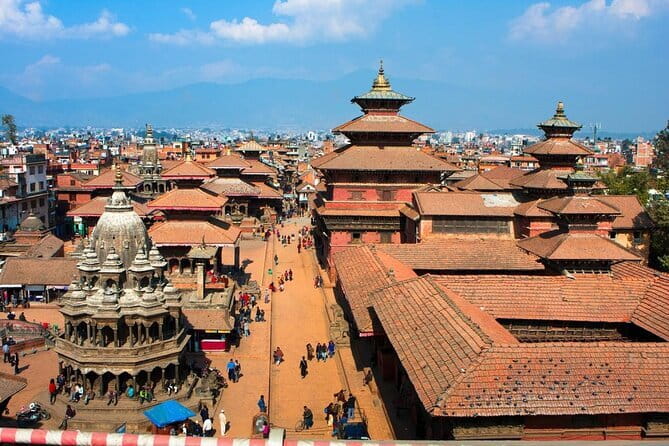
It’s easy to build a “temple-heavy” tour that leaves you tired, cranky, and photo-stuffed. This one does something smarter by placing Shree Gha early in the route. You get that calm, Buddhist-shrine energy before the Hindu temple complex and Kumari-related spots.
That balance has a real effect on how you experience the day. When you arrive at Kathmandu Durbar Square after a quiet stop, you’re more likely to slow down. You’ll notice posture, sound, and the feeling of sacred space rather than treating it like a checklist.
It also helps with your own energy. In about 2.5 hours, you’ll be walking and looking at a lot of objects. Having one “breather” stop means you can enjoy the big moments instead of sprinting between them.



Getting the Most From the Local Market Stop
The market portion is short, but it’s the kind of add-on that can make the whole tour feel more like Nepal and less like a set of monuments. You’ll move through the area where people shop for local goods. That means you’ll see everyday objects and normal habits rather than staged tourism.
Two practical tips for the market time:
- Keep an eye on your comfort. Old-city streets can be uneven, and markets mean crowds and sudden changes in footpaths.
- Don’t stress about buying. The value here is watching how the place works, not collecting souvenirs.
If your guide is the kind who talks while walking (and many are), the market is also a perfect place to ask simple questions. Why certain items are common. What people use day-to-day. How the rhythms of temple days can affect commerce. You’ll get answers faster than you would trying to Google everything while holding a camera.
Price and Value: What $50 Buys in Real Terms
The price listed is $50.00 per person for a tour that runs about 2 hours 30 minutes. On paper, that looks like a lot or a little depending on your travel style. In real terms, you’re paying for three things: a guide, organized routing through tightly packed areas, and entrance coverage for the UNESCO Durbar Square fee.
The included items are: a walking tour, a well trained guide, a cultural experience, and UNESCO Durbar Square fee entrance fee included. On the flip side, the stop descriptions list admission tickets as not included. That’s why I keep coming back to one practical step: confirm what’s covered versus what you need to pay at each site.
Also remember the small extra costs that often show up on short city walks: tips for the guide are not included, and they can be a meaningful part of the overall experience value in Nepal. If you liked the pace and explanations, plan to budget for a tip.
You’re also getting a setup that works well for time-crunched visitors. With pickup offered and a private group format, you waste less time figuring out logistics.
Walking, Timing, and the Practicalities of Old Streets
This tour is a walking experience with pickup offered. You’ll do a 30-minute walk at the start, passing Shree Gha and reaching the Durbar Square area. Then you’ll transition to the Basantapur portion where pickup is again part of the flow, and you’ll get the option to be dropped off at your hotel afterward.
What this means for you: you should wear comfortable shoes and expect uneven ground. Even when distances are short on a map, historic centers can feel longer because you stop often, step around crowds, and look up constantly.
The tour format also supports a flexible finish. After the Basantapur segment, you can either go back to your hotel or choose to explore nearby streets and markets with no hard stop imposed right away.
Finally, this is listed as most people can participate, and service animals are allowed. If you have mobility concerns, message the provider before booking and ask about the walk surface and pace. Short tour does not always mean gentle terrain.
Guides Like Badri and Sovit: How the Right Person Changes Everything
The guide is one of the biggest selling points here, and the reasons are consistent: clear explanations, kind energy, and a way of making Kathmandu’s sacred sites understandable without turning it into a lecture.
Names that come up include Badri and Sovit. People describe them as friendly and precise in their topics, with lots of real connection to what you’re seeing. That matters because Kathmandu’s temple world is full of small details that are easy to miss: the symbolism in a carving, the purpose of a shrine space, why a particular building belongs to a specific era.
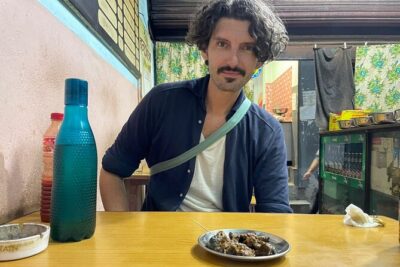
One review-style detail you can count on indirectly: having a guide who chats with you naturally can turn a short tour into a more human experience. In at least one case, the guide and group grabbed momos and chai during the walk, which is exactly the kind of small comfort that helps when you’re moving through warm streets and holy sites.
The biggest thing to aim for is question time. If you’re the curious type, this tour is built to reward it. Ask about Kumari’s role, what the Durbar Squares were used for, or why Shree Gha is placed where it is in the route. If you stay quiet all the time, you’ll still see the sights, but you’ll get less meaning per minute.
Who This Tour Suits Best (And Who Might Want Something Different)
This is a strong fit if:
- You want a compact Kathmandu cultural walk focused on UNESCO sites and a rare chance to see Kumari-related locations.
- You prefer a guided route that helps you understand what you’re looking at.
- You can handle walking on old city streets for about a couple hours with breaks for sightseeing.
You might want a different option if:
- You hate walking or need very level ground.
- You expected Patan-based sightseeing based on the tour name alone, because the detailed stops here focus on Kathmandu Durbar Square and Basantapur Durbar Square. If Patan is a must, confirm the exact scope with the provider before booking.
Should You Book the Kathmandu Kumari Heritage Walk?
If your goal is a focused, short cultural tour with two major emotional anchors—Kumari and Durbar Square—then this is an easy yes. The value isn’t just the famous sights. It’s the way the route balances a calm shrine, a local market, and historic architecture in a tight 2.5-hour window, with entrance fee coverage listed for the UNESCO Durbar Square.
Just do one smart thing first: verify what admission items are included versus what might be paid at the site, and bring comfortable shoes. If you can handle that, you’ll come away with more than photos. You’ll understand why these places matter in everyday Nepalese life.
FAQ
How long is the Kathmandu and Living Goddess experience?
It runs about 2 hours 30 minutes (approx.), with the first main stop listed at around 1 hour 30 minutes and the second stop listed at about 1 hour.
Is pickup offered for this tour?
Yes. Pickup is offered, and for the Basantapur portion you are picked up before that segment begins. After the tour, you can be dropped off at your hotel.
Is this a private tour or will I be mixed with strangers?
This is a private tour/activity. Only your group participates.
What is included in the price?
The tour includes a walking tour, a well trained/certified guide, a cultural experience, and the UNESCO Durbar Square fee entrance fee.
Are admission tickets included?
Admission tickets are marked as not included in the stop details, but the UNESCO Durbar Square fee entrance fee is listed as included. It’s worth confirming what you may still need to pay for at the sites.
Is free cancellation available?
Yes. Free cancellation is available up to 24 hours in advance for a full refund.
Can service animals participate?
Service animals are allowed, and the tour is listed as suitable for most people.