REVIEW · FOOD
Kathmandu Food & Drink Walking Tour Taste Local Delicacies
Book on Viator →Operated by Shepherd Holidays · Bookable on Viator
Street food in Kathmandu can’t be scheduled.
I love the Thamel-to-Asan route because it moves you from the tourist streets into older market corners where locals actually eat. I also like that guides such as Umesh and Ananta explain what you’re tasting and keep the vibe relaxed, so you never feel forced to try something you don’t want.
One possible drawback: the backstreets include tight alleys and quick street crossings, which can feel a little hair-raising at times, especially if you’re not used to busy pedestrian movement.
Still, it’s good value: a $15 walking tour that keeps group size small (up to 15), giving you time for real food conversations, not just a quick stop-and-go sampler.
In This Review
- Key Highlights You Should Know
- Why This Kathmandu Food Walk Feels Like the Real Thing
- Thamel Kickoff: Color, Convenience, and First-Food Momentum
- Jyatha’s Side Streets: Quieter Eating Away From the Main Flow
- Asan Market: Spices, Trade Routes, and What That Means for Cooking
- Indra Chowk Near Kathmandu Durbar Square: Old Temples and Snack Energy
- Chhetrapati’s Intersection Feel: Daily Life, Easy-to-Notice Details
- What You’ll Taste: Newari Street Food, Local Drinks, and Traditional Bites
- Guides Are the Difference: How Umesh and Ananta Set the Tone
- Walking Realities: Pacing, Crowds, and Staying Comfortable
- Price and Value: Why $15 Works (When You Use It Right)
- Who This Tour Suits Best (and Who Should Rethink It)
- Should You Book This Kathmandu Food & Drink Walking Tour?
- FAQ
- How long is the Kathmandu Food & Drink Walking Tour?
- Where does the tour start?
- Is pickup offered?
- How much does it cost?
- What’s included in the tour?
- Is the tour weather dependent and what’s the cancellation window?
Key Highlights You Should Know
- Small-group format (max 15): easier pacing and more time to ask questions.
- Off-the-beaten-path eating: you’ll hit local stalls you’d likely walk past alone.
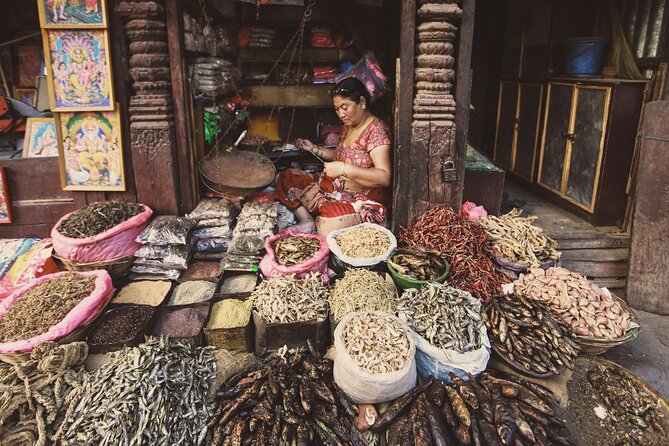
- Asan spice market stop: a focused look at trade goods that shape local cooking.
- Newari + Nepali street food mix: more variety than the usual street-snack circuit.
- Local, brewed drinks: not just soda—expect Kathmandu’s own flavors.
- No-rush guidance: guides are patient and explain dishes clearly.
Why This Kathmandu Food Walk Feels Like the Real Thing
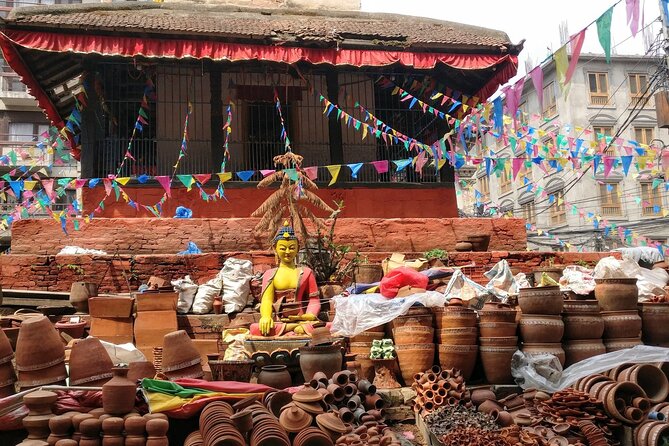
Kathmandu’s food scene is loud, fast, and deeply local. This tour works because it turns that chaos into a guided path: you follow your feet and your guide’s nose, and suddenly the city’s smells make sense. The goal isn’t fancy dining. It’s learning what people actually order, snack on, and drink on a normal day.
I also like that the experience is set up around understanding, not just eating. You’re walking through neighborhoods with distinct characters—tourist-forward streets at the start, then older markets and residential edges as you go. That pacing makes the food feel connected to place, not random.
One more practical reason this tour is worth your time: it’s short. Around 3 hours is enough to taste a lot, without draining an entire day. And with a small group, you’re not stuck behind someone’s slow decision-making when you’re trying something new.
You can also read our reviews of more walking tours in Kathmandu


Thamel Kickoff: Color, Convenience, and First-Food Momentum
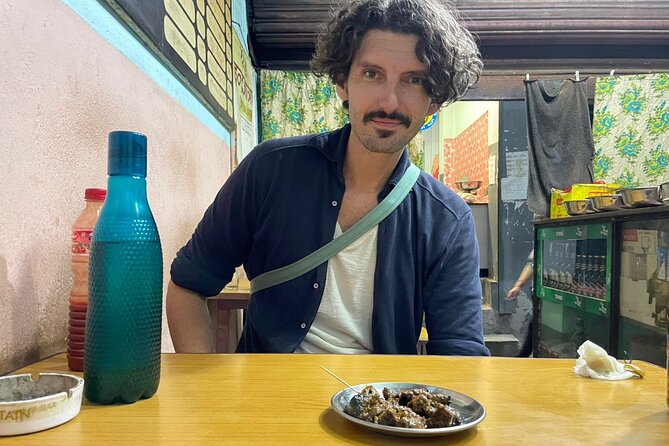
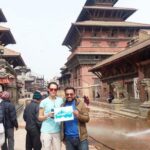
You start in Thamel, Kathmandu’s best-known hub for visitors. It has the most visible mix of small shops, cafés, and street stalls—plus the energy of people coming and going. For you, that matters because the first stop should be welcoming. It gives you a warm-up so you’re comfortable ordering, tasting, and asking questions before the route turns more local.
Even though Thamel is tourism-heavy, it’s still a smart starting point. It’s close to other things you might want to do later, and it’s easy to find your bearings. After a short taste here, the tour can pivot into quieter zones without you feeling like you’ve been dropped into the deep end.
Jyatha’s Side Streets: Quieter Eating Away From the Main Flow
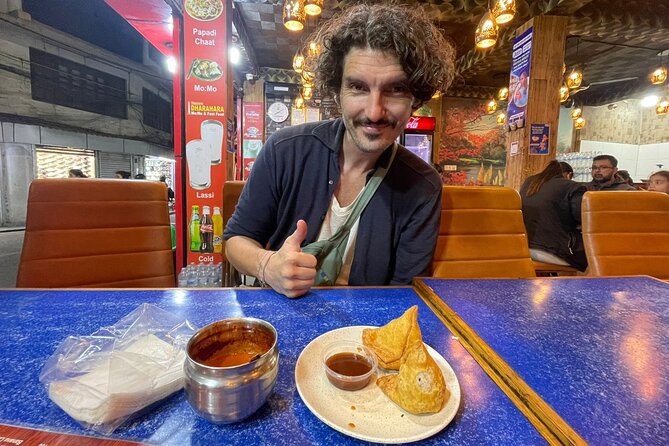
From Thamel, the route moves into Jyatha, described as a more peaceful corner near the tourist area. This is where Kathmandu starts to feel less like a stage and more like daily life. You’ll see smaller eateries and traditional shops, the kind of places that don’t advertise hard to visitors.
I like this stop because it balances the whole day. Thamel can feel like sensory overload. Jyatha slows things down. You get a chance to compare flavors and cooking styles while the street scene is calmer.
Also, because the tour is guided, you’re not just wandering. Your guide can point out what makes a dish local—ingredients, how it’s served, and how people think about it in their own routine.
Asan Market: Spices, Trade Routes, and What That Means for Cooking
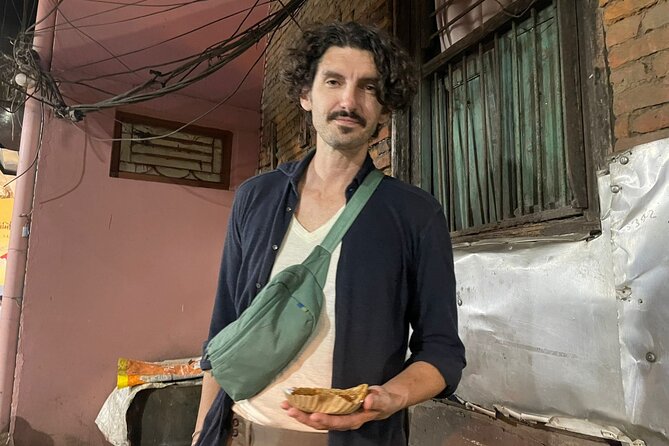
Asan is one of Kathmandu’s oldest and most active market areas, known as a crossroads where multiple streets meet. That history matters for your food experience because spice markets shape more than cooking—they shape what’s available, affordable, and culturally expected.
This is the stop where you get a more direct link between trade and taste. You’re not only eating; you’re seeing the supply chain behind the flavors. If you’ve ever wondered why certain spices show up everywhere in a cuisine, this kind of market stop is the practical answer.
Your guide also helps you connect the dots between what you see and what you taste. That’s especially useful if you’re unfamiliar with Newari and Nepali dishes. Instead of guessing, you get context while you’re still holding the food.
Indra Chowk Near Kathmandu Durbar Square: Old Temples and Snack Energy
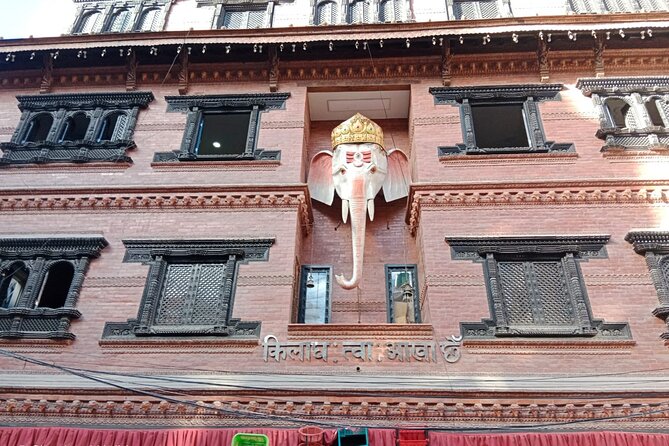
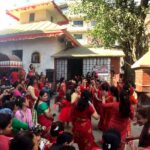
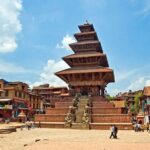
Next comes Indra Chowk (Indrachok), a historical square close to Kathmandu Durbar Square. This area is known for old temples and constant street activity—textile shops, vendors, and food stops that feel rooted in everyday flow rather than packaged for visitors.
Food tours can sometimes become repetitive: one snack after another, no story. Here, the setting gives the story a physical place to live. When you’re surrounded by old structures and active local commerce, your guide’s explanations about dishes land better.
One more reason I like this part of the route: it’s a practical bridge. You’re moving from market culture into a more street-life-focused neighborhood, so the food variety doesn’t feel random.
You can also read our reviews of more food & drink experiences in Kathmandu


Chhetrapati’s Intersection Feel: Daily Life, Easy-to-Notice Details
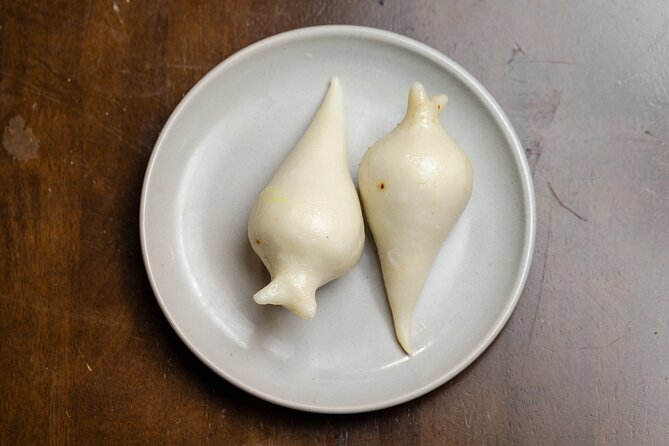
You finish at Chhetrapati, a busy intersection and neighborhood that connects the Thamel side with the historic parts of the city. It’s a good ending because it feels like real Kathmandu street life—people moving through their day, shops turning over, and food being part of the flow.
This stop also helps you reflect on what you’ve learned. By the time you reach Chhetrapati, you’ve sampled multiple food types and learned how the city’s neighborhoods each bring something different. The last taste isn’t just a finale. It’s a moment to compare the flavors and think about where you’d want to eat again on your own.
What You’ll Taste: Newari Street Food, Local Drinks, and Traditional Bites
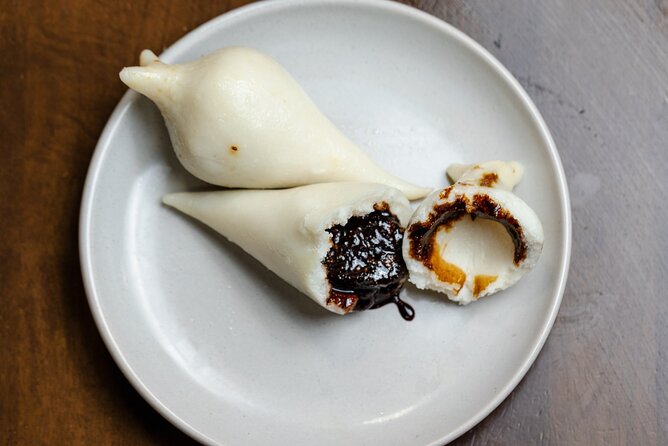
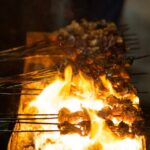
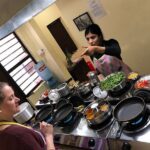
The tour is built around Newari and Nepali street food, which is a smart choice if you want more than the same few international snacks. Newari cuisine tends to be spice-forward and portion-focused, and it often includes dishes that feel made for sharing. That fits a walking tour well.
You can also expect locally brewed drinks and stops that lead you into small alleyways for unique flavors. Drinks matter here because they change the whole tasting experience. Something tangy or fermented can reset your palate between savory bites, and it helps you notice differences between similar-looking dishes.
Your guide explains the cultural significance behind what you’re eating. That’s key. Street food can look simple, but it often carries a clear reason for being there—ingredients available locally, traditions around meals, or even regional identity.
Guides Are the Difference: How Umesh and Ananta Set the Tone
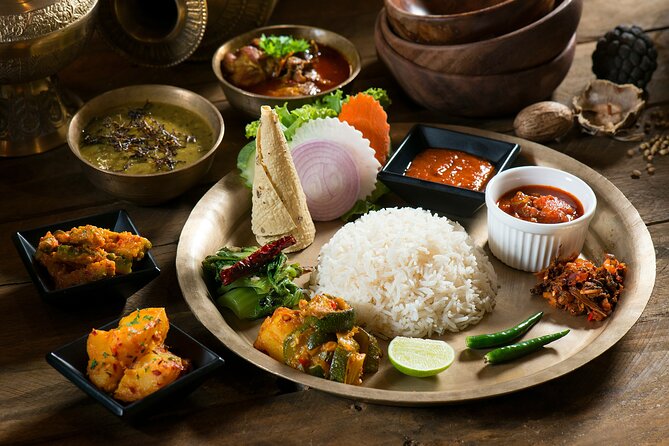
This tour stands out because the guidance is the product, not just the route. In the best versions of this kind of experience, a guide does two jobs at once: they keep it comfortable, and they make it understandable.
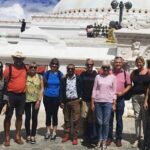
Guides like Umesh and Ananta are praised for being patient and respectful about your choices. If there’s a dish you’d rather pass on, you’re not pressured. You also get thorough explanations, so you don’t just taste random items—you learn what they are.
That style makes the tour feel safer, too. When you’re walking unfamiliar streets and trying unfamiliar foods, having someone who can steer you both verbally and practically is a big deal.
Walking Realities: Pacing, Crowds, and Staying Comfortable
This is a walking tour, and Kathmandu streets can be tight. You should expect a mix of backstreet walking plus stops that involve navigating through crowds around busy markets and intersections.
At the same time, the pacing is designed around short blocks of time at each area. Each main stop is about 30 minutes, which helps you avoid the classic food-tour problem: getting stuck in one place too long while everyone else has already moved on.
If you want a smooth experience, wear comfortable shoes and keep your phone handy for navigation after the tour. You’ll learn the city’s logic on this route, but Kathmandu can still be a puzzle once you’re on your own.
Price and Value: Why $15 Works (When You Use It Right)
At $15 per person for roughly 3 hours with a guide, multiple food stops, and bottled water, the value is strong. The cost isn’t just paying for food. You’re paying for:
- access to small stalls you’d likely skip
- explanations that help you order confidently later
- a route plan that strings neighborhoods together in a sensible way
One practical tip: eat smart before you go. You don’t want to arrive starving and then hit a stop where you’re too overwhelmed to enjoy the variety. If you come hungry but not frantic, you’ll get more out of each tasting.
Also, consider this a bargain if you’re short on time in Kathmandu. One afternoon to learn the city’s food map can save you days of wandering and guessing.
Who This Tour Suits Best (and Who Should Rethink It)
This is a great fit if you want authentic street food without spending time hunting down the right stalls yourself. It’s also ideal when you enjoy small-group walking experiences and don’t mind that the route includes lively street segments.
You might want to rethink it if:
- you strongly dislike walking and crowds
- you prefer a completely low-energy, sit-down meal format
- you’re very sensitive to the idea of tight alleyways and fast crossings
If you’re open-minded and curious, the tour has a lot going for you—especially if you like Newari cuisine, market culture, and local drinks.
Should You Book This Kathmandu Food & Drink Walking Tour?
I’d book it if you’re coming to Kathmandu with one goal: understand the food culture quickly and taste dishes you can’t easily recreate from memory. The route makes sense, the pacing is manageable, and the guide style—patient, explanatory, and not pushy—turns a street-food crawl into a real learning experience.
If you’re worried about feeling rushed or being forced to try everything, this is one of the better options because the tour’s approach is more respectful than pushy. And with a small group capped at 15, you’re not just a face in the crowd.
On the practical side, wear good walking shoes and expect some intense street moments. Once you accept that, this becomes one of the most cost-effective ways to taste Kathmandu like a local.
FAQ
How long is the Kathmandu Food & Drink Walking Tour?
It runs for about 3 hours.
Where does the tour start?
The meeting point is NEPAL HANDLOOM PASHMINA TRADERS, Narsingh Chowk Marg, Kathmandu 44600, Nepal. The tour ends back at the meeting point.
Is pickup offered?
Yes, pickup is offered.
How much does it cost?
The price is $15.00 per person.
What’s included in the tour?
Inclusion items listed are coffee and/or tea, snacks, meals (including lunch and breakfast), bottled water, and a local experienced helpful guide. (The listing also includes brunch and dinner.)
Is the tour weather dependent and what’s the cancellation window?
The experience requires good weather. If it’s canceled due to poor weather, you’ll get a different date or a full refund. You can cancel for a full refund up to 24 hours in advance.