REVIEW · EVEREST BASE CAMP TREKS
14 Days Everest Base Camp Trek
Book on Viator →Operated by Magic Himalaya Treks · Bookable on Viator
Everest Base Camp is serious business. This 14-day trek pairs classic Sherpa country with smart acclimatization and a real shot at the Kala Patthar sunrise payoff plus the Everest Base Camp area at about 5,463 meters.
I especially like two things: the way the route is structured around acclimatization walks on rest days, and the support system behind the scenes with an experienced licensed guide and required porters, plus a medical kit on hand. One drawback to consider: altitude is real, and your plan may change if you need to stop early or slow down.
In This Review
- Key Things I’d Pay Attention To
- First Look: What This Everest Base Camp Trek Gets Right
- Price and Value: What $1,680 Covers (and What It Doesn’t)
- Your Trek, Day by Day: The Route and Its Real-World Feel
- Day 1: Kathmandu Arrival and Airport Handoff
- Day 2: Kathmandu to Lukla and Downhill Trek Starts
- Day 3: Along the Dudhkoshi River to Namche Bazaar
- Day 4: Rest Day That Still Helps You Breathe Better
- Day 5: Tyangboche and the Everest-First Views
- Day 6: Dingboche Arrives With Big Amadablam Energy
- Day 7: Second Rest Day, Nangkartshang Acclimatization Hike
- Day 8: To Lobuche via Thukla Pass Monuments
- Day 9: The Long Day to Everest Base Camp Area (Gorakhshep Base Camp Night)
- Day 10: Sunrise at Kala Patthar (Then Back to Breakfast)
- Day 11: Descent Toward Namche Bazaar (Tengboche and a Namche Reset)
- Day 12: Final Trek Day to Lukla and Porter-Style Celebration
- Day 13: Fly Back to Kathmandu and Take a Real Rest
- Day 14: Depart Nepal After Breakfast
- Lukla Flight Reality Check: Why This Part Is Not Just a Ride
- Acclimatization Strategy: How the Trek Trains Your Body
- The Staff Factor: Guides, Porters, and the Kind of Support That Matters
- What to Pack and How to Think About Gear (Without Guessing)
- Who This Trek Fits Best (and Who Might Reconsider)
- Should You Book This Everest Base Camp Trek?
- FAQ
- What are the main inclusions in the trekking price?
- What is not included in the tour price?
- What is the meeting/start time for the experience?
- How high do you get on this trek?
- How does the trek begin and end in Kathmandu?
- Do I need travel insurance and a Nepal entry visa?
Key Things I’d Pay Attention To
- Lukla flight is the make-or-break moment: you fly from Kathmandu to Lukla on the trek days, with round-trip flight included for guide/clients.
- Rest days aren’t wasted days: you’ll do short hikes for acclimatization instead of sitting still.
- Kala Patthar is the big visual goal: early hike to about 5,450 meters for sunrise and mountain views, then breakfast back at Gorakhshep.
- The Everest Base Camp area can shift: the “base camp” location changes year to year as glaciers move.
- You get a full meal plan and park fees: breakfasts, lunches, dinners plus key government charges are included, so you’re not constantly budgeting on the trail.
- Safety-forward guidance: the operator’s team (including guides like Nabin and Santaji) is praised for professionalism and steady encouragement.
First Look: What This Everest Base Camp Trek Gets Right
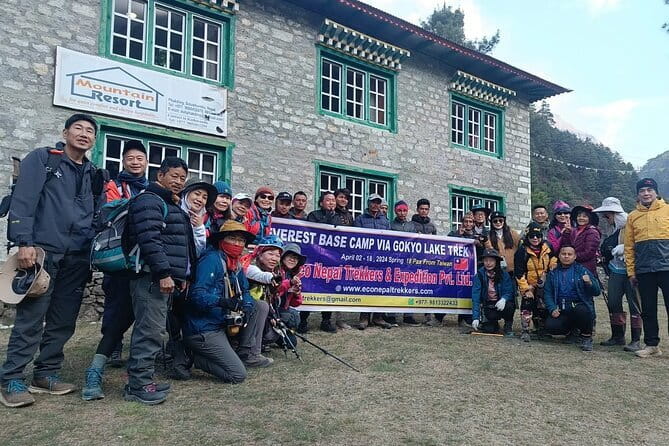
The Everest Base Camp trek is a mix of wonder and workload. You’re walking from the Kathmandu valley into Sherpa settlements, gaining elevation day by day, with a clear goal at the top: the Everest Base Camp area and then the sunrise viewpoint above it.
I like how this trip treats the “getting there” part as part of the experience, not just a hurdle. You start with Kathmandu handoff support, then you transition to the Lukla flight, and after that you move through places like Namche Bazaar, Tyangboche, Dingboche, and Lobuche in an order that makes sense for altitude.
I also like that the operator focuses on practical care. You’ll travel with an experienced licensed guide, porters with salary and expenses covered, and a medical kit box with required medicine listed as included. That doesn’t remove risk, but it does reduce the number of things you have to manage yourself.
You can also read our reviews of more hiking tours in Kathmandu



Price and Value: What $1,680 Covers (and What It Doesn’t)
At $1,680 per person for 14 days, this price looks best if you want an organized trek where most essentials are handled. You’re paying for more than a guide’s time.
Here’s what the tour includes that actually matters on the ground:
- Government fees and park access, including Sagarmatha National Park entrance and Khumbu Municipality charges
- An experienced licensed guide plus required porters (with their salary and expenses)
- A medical kit box and required medicine
- Air-conditioned vehicle in Kathmandu for transfers
- Round tickets for the guide and clients for Kathmandu ↔ Lukla
- Meals: breakfast (13), lunch (11), dinner (13)
- Dinner and meals are timed around trekking days, which helps you avoid constant “Where do we eat?” decisions
What’s not included:
- Tips for guide and porters (listed as compulsory)
- Nepal entry visa fee
- Travel insurance for the trek
- International flights and any departure taxes from your home country
- Personal expenses and drinks
- Rescue operation in an emergency
My value take: you should still budget for insurance and tips, but the core trek logistics—flights, park fees, meals, and staff costs—are already packed into the price. That’s a big deal on an EBC trek, because the mountain punishes poor planning.
Your Trek, Day by Day: The Route and Its Real-World Feel
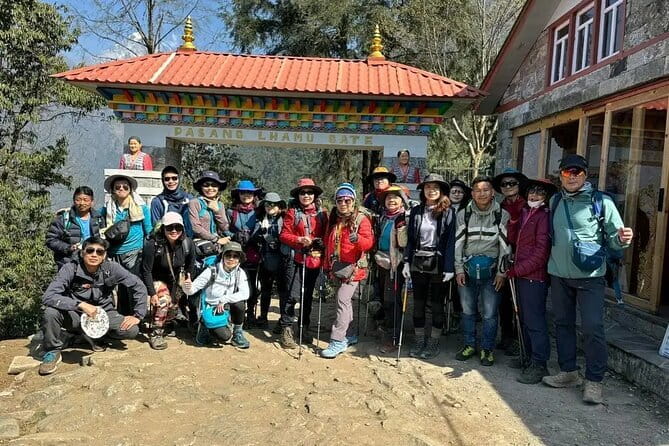
This is a 14-day plan that follows the classic Everest Base Camp approach with a couple of twists that make it more workable: rest days include acclimatization walks, and the final viewpoint push focuses on sunrise at Kala Patthar.
Day 1: Kathmandu Arrival and Airport Handoff
You land at Kathmandu Tribhuvan International Airport, then get met by representatives from Magic Himalaya Treks and Expeditions with your name. That simple step matters more than you’d think—Kathmandu can be chaotic, and you’ll feel better if you’re not figuring things out after a long flight.
Included on this first day is an admission ticket free note, but the main win is the smooth handoff into the trekking timeline.
Day 2: Kathmandu to Lukla and Downhill Trek Starts
Next you meet your trekking guide, get picked up, and head to the domestic terminal for your flight to Lukla. After meeting porters, the trek begins with walking down—common on this route—and your body will notice the pace right away.
This day is one reason I like having flights included: on EBC treks, timing matters. If you’re chasing airport schedules on your own, you’ll waste energy that should be saved for altitude.

Day 3: Along the Dudhkoshi River to Namche Bazaar
You trek for about six hours through Sherpa-inhabited valleys and cross suspension bridges multiple times over the Dudhkoshi River. You stop for lunch in Jorsella village, then continue toward Namche Bazaar.
Namche is where the trek starts to feel like a real town—still high altitude, still basic, but with more services and energy. It’s also a good mental checkpoint: you’ve moved from the “approach phase” into the “climb phase.”
Day 4: Rest Day That Still Helps You Breathe Better
Instead of a full sit-down day, you do an acclimatization walk. The options listed include Syangboche viewpoint or Everest View Hotel, and the day takes about four hours.
This is the kind of rest day I’d recommend even if you’re feeling good. Altitude doesn’t care about your optimism. A short uphill walk helps your body adapt, and it also keeps your motivation up because you’re still earning the views.
Day 5: Tyangboche and the Everest-First Views
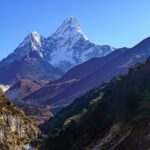
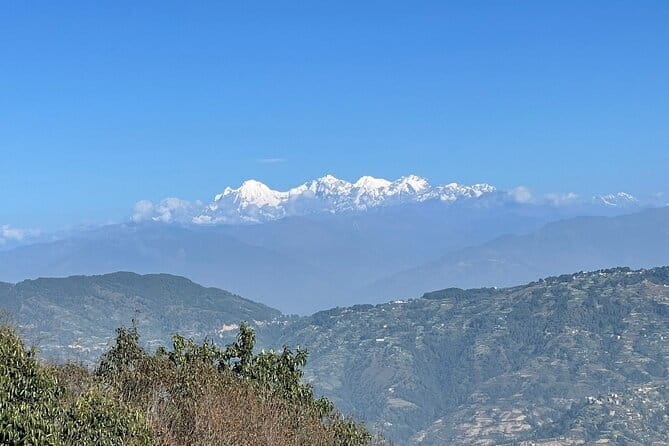
Today’s route is described as the best walk so far, with views facing Mount Everest and other major peaks. You’re also set up to see mountains like Ama Dablam, Thamserku, and Tabauche.
Tyangboche is often a turning point day on this trail. It’s where you can start to feel like the trek is about more than getting steps in. The drawback? If you push too hard because the views feel unreal, you can pay for it later. Keep it steady.
Day 6: Dingboche Arrives With Big Amadablam Energy
This is one of the shortest walking days, about four hours to Dingboche. You pass Pangbochea and Sanasa on the way, then reach lunch-ready time, plus overnight stay.
Shorter walking days are your friend here. You’re still gaining altitude, but you’re reducing cumulative fatigue, which helps you sleep better and keep appetite.
Day 7: Second Rest Day, Nangkartshang Acclimatization Hike
You take another rest day, but again you don’t fully stop. You hike to Nangkartshang hill around 5,000 meters, which is meant to help acclimatize. Views are highlighted for places like Imja Tse Valley and peaks such as Island Peak and Amadablam.
This is one of those days that can feel optional—until you realize optional is exactly how altitude gets people. Use the hike as designed. Keep your breathing calm and don’t race.
Day 8: To Lobuche via Thukla Pass Monuments
You head toward Lobuche, passing Thukla and Thukla Pass. There’s a special stop built in: monuments made by famous climbers at Thukla Pass.
This day tends to carry an emotional weight. You’re closer to the higher, colder zone where names and memorials start appearing more often. It’s not just scenery; it’s a reminder that this area is earned.
Day 9: The Long Day to Everest Base Camp Area (Gorakhshep Base Camp Night)
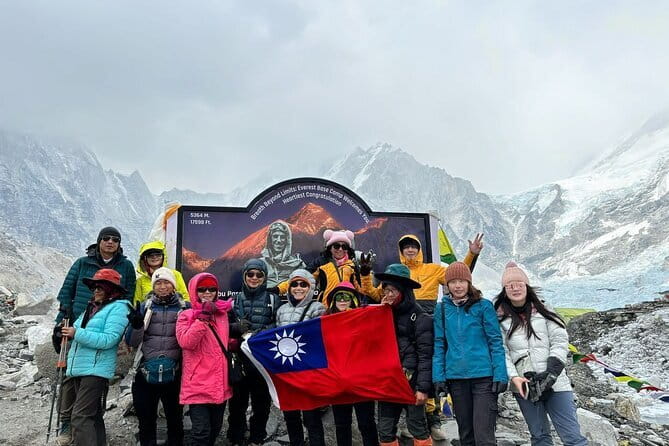
This is one of the longest days. You walk toward Gorekshap in the morning, have a light lunch, and then continue about two hours onward toward the Everest Base Camp area.
The itinerary doesn’t promise a dramatic shortcut—this is where you need endurance. Also, the base camp area can shift year to year because glaciers change, so the exact location may vary even if your goal stays the same.
Day 10: Sunrise at Kala Patthar (Then Back to Breakfast)
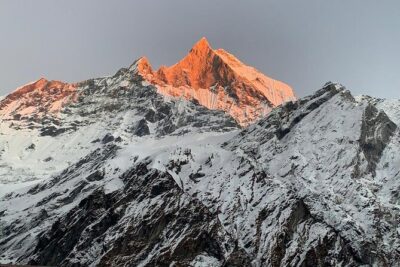
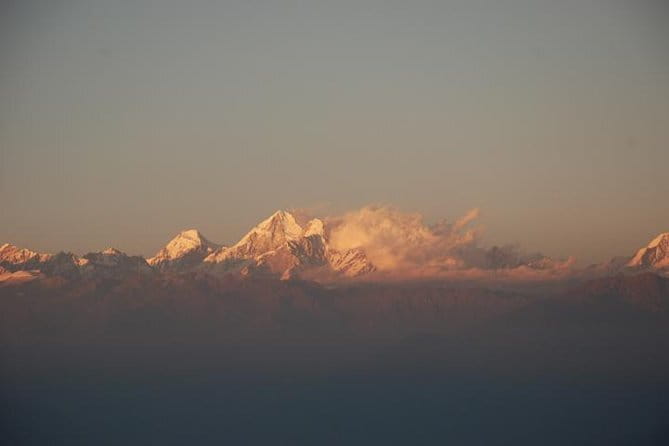
Early morning, you hike to Kalapather for sunrise view and mountain views after tea. The plan lists reaching the top, pictures, a short sit for the view, then descending back to Gorakhshep for breakfast.
Kala Patthar is the viewpoint that many people remember most, not because it’s flashy, but because it’s so direct. You’re high, cold, and focused—and then the mountain answers back with a clear panorama if weather cooperates.
Day 11: Descent Toward Namche Bazaar (Tengboche and a Namche Reset)
After breakfast you trek down toward Namche Bazaar, passing Pangbochea and Tengboche. You eat lunch at Phortse Tangha, then reach Namche and can enjoy the bar and pubs.
This is your mental reset day. Going down feels easier on your legs, but your body can still be tired. Use the Namche downtime for real recovery: warm up, hydrate, and don’t treat your first drink like a training reward you must earn.
Day 12: Final Trek Day to Lukla and Porter-Style Celebration
You trek from Namche to Lukla for about seven hours, stopping for lunch at Phakding. Since it’s the last day of trekking, there’s a celebration tone—making porters happy is mentioned.
This is when you’ll appreciate the staff model. Porters and guides aren’t decoration; they’re part of why this route stays organized in weather and timing. Keep things respectful and simple.
Day 13: Fly Back to Kathmandu and Take a Real Rest
Early after breakfast, you go to the airport depending on flights. Upon reaching Kathmandu, a driver picks you up and transfers you to your hotel, with a full rest day noted (accommodation and breakfast provided).
This is the day to catch up on normal life: shower, sleep, eat something that doesn’t taste like “trail food,” and resist the urge to plan your next mountain challenge before you’ve even recovered.
Day 14: Depart Nepal After Breakfast
You fly home, again with breakfast provided. If you feel proud and tired, that’s normal. Everest Base Camp treks tend to do that: they give you a strong memory and a calmer pace afterward.
Lukla Flight Reality Check: Why This Part Is Not Just a Ride
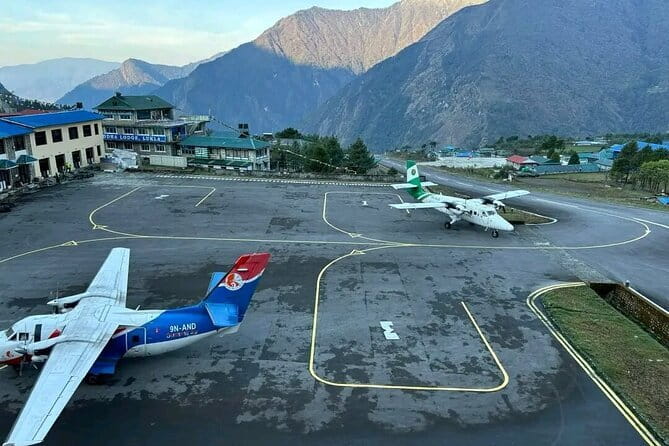
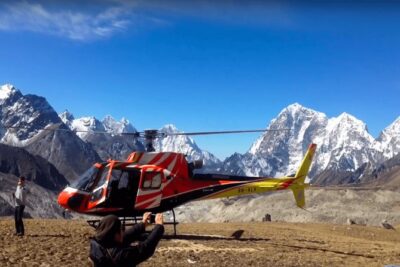
The itinerary includes a flight to Lukla from Kathmandu and return after the trek. This flight is highlighted as a standout, tied to the “world’s most dangerous airport” idea.
Here’s how I’d interpret it practically: you should treat Lukla flights as a weather-dependent component of the schedule. Even with a well-organized tour, flights can shift, and your day-to-day pacing may depend on that.
This is also why having your round tickets included for you and your guide helps. It reduces the odds of last-minute admin problems turning into a stress spiral.
Acclimatization Strategy: How the Trek Trains Your Body
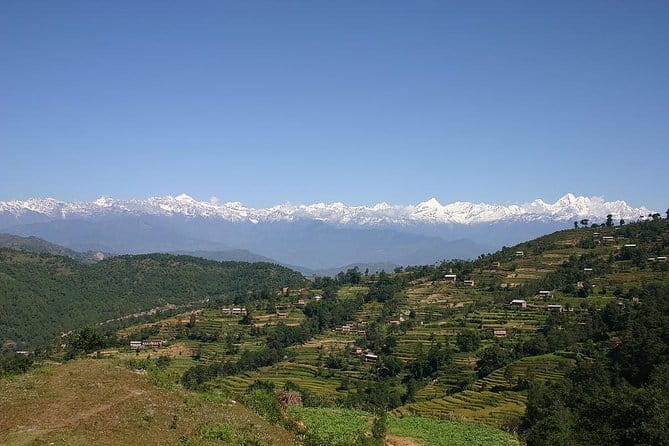
This route uses a clear pattern: you climb, then you add a rest day, and on rest days you walk higher in short doses.
- Day 4 offers an acclimatization walk to Syangboche viewpoint / Everest View Hotel.
- Day 7 includes a hike to Nangkartshang hill around 5,000 meters.
- Day 10 is a heavier effort because you go for sunrise at Kalapather, but it’s timed once you’ve already built altitude.
The pro move here is to follow the pace even when you feel good. On EBC treks, a “good day” can turn into a bad night if you push too fast. Your guide’s job is partly to help you keep your effort consistent.
The Staff Factor: Guides, Porters, and the Kind of Support That Matters
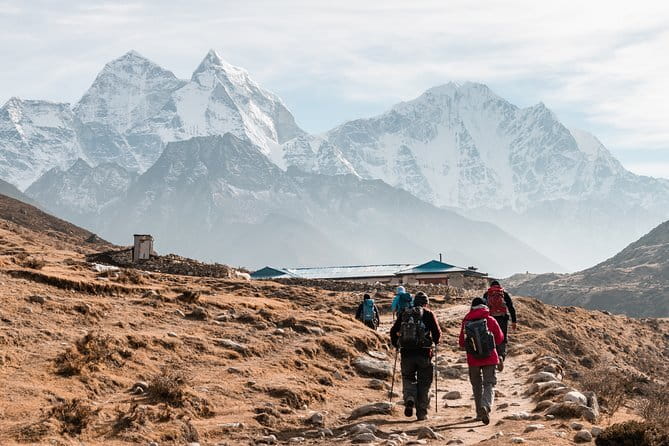
The operator is built around an experienced licensed guide and required porters, with salaries and expenses included. That staffing model is the difference between a trek that feels like a plan, and a trek that feels like chaos.
From the way Nabin and Santaji are described, the support style is not just about logistics. It’s about gentle encouragement when needed and professionalism throughout. That matters most on the days when the walk gets long, when you’re tempted to complain, or when the air feels thin enough to make your brain argumentative.
Also, there’s mention of a friendly banter with guides and porters on other similar routes, which suggests the team can keep the mood light without turning the trek into a party.
What to Pack and How to Think About Gear (Without Guessing)
The tour includes a medical kit box and required medicine, which is a helpful baseline. But you still need to bring your own trekking gear and personal items, especially because the plan notes extra items during meals aren’t included.
If you’re building your packing list, focus on basics that keep you functional:
- layers that handle cold evenings (especially near Gorakhshep and Kala Patthar)
- trekking shoes with real traction
- a system for water and hydration
- a warm head layer for early mornings
Because the itinerary includes early starts and high-elevation viewpoints, the cold factor will show up whether you’re ready for it or not. Bring gear you’ve used before.
Who This Trek Fits Best (and Who Might Reconsider)
This trekking plan calls for strong physical fitness. That’s not marketing language—it’s a requirement. You’ll be walking multi-hour days, plus a few longer or more demanding efforts like the Kala Patthar sunrise push.
This trek is a great fit if:
- you want the classic EBC route through Namche Bazaar, Tyangboche, and Dingboche
- you want acclimatization built into the schedule, not left to you
- you value a guided, organized structure where meals and major fees are handled
It may not fit if you:
- expect an easy hike with minimal altitude effects
- can’t commit to taking rest days seriously
- are not able to handle the early start at Kala Patthar (around sunrise timing)
Altitude sickness risk is always part of EBC treks. Even with good guidance, your body can still say no. The smarter move is to plan for flexibility.
Should You Book This Everest Base Camp Trek?
If you want a well-structured 14-day Everest Base Camp journey with Lukla flights, built-in acclimatization hikes, and a classic push to Kala Patthar, this plan is a strong candidate. The included meals, park and government fees, and staff model add up to real value, especially if you don’t want to micromanage the logistics.
I’d book it if you’re ready to treat altitude like the main character, not a side plot. And I’d double-check your budget for tips, travel insurance, and your Nepal visa fee, since those are specifically called out as not included.
One more reason I like it: free cancellation is offered up to 24 hours in advance, and weather-dependent operation is accounted for. That doesn’t remove the uncertainty of mountains, but it gives you a little breathing room for planning.
FAQ
What are the main inclusions in the trekking price?
The price includes government fees (Khumbu Municipality charges and Sagarmatha National Park entrance), an experienced licensed guide and required porters (with their salary and expenses), a medical kit box with required medicine, air-conditioned vehicle transfers in Kathmandu, round-trip Lukla flight tickets for guide and clients, airport pickup and drop on private transportation, and meals (13 breakfasts, 11 lunches, and 13 dinners).
What is not included in the tour price?
Not included are personal expenses, tips for the guide and porters (stated as compulsory), bar bills (alcoholic and non-alcoholic drinks), rescue operation in case of emergency, and extra items during breakfast, lunch, and dinner.
What is the meeting/start time for the experience?
The meeting/start time listed is 12:45 pm.
How high do you get on this trek?
The itinerary highlights Everest Base Camp at about 5,463 meters and Kalapather (Kala Patthar) at about 5,450 meters.
How does the trek begin and end in Kathmandu?
You arrive in Kathmandu, get met at the airport, then on the trekking start you fly from Kathmandu to Lukla. After completing the trek, you fly back from Lukla to Kathmandu, where you have a full rest day and then depart Nepal the next day after breakfast.
Do I need travel insurance and a Nepal entry visa?
Yes. The tour data states that Nepal entry visa fee and travel insurance for the trek are not included, and you should have travel insurance before going.