REVIEW · EVEREST BASE CAMP TREKS
Luxury Everest Base Camp Trek -11 Days
Book on Viator →Operated by Himalayan Adventure Treks and Tours Pvt Ltd · Bookable on Viator
Luxury on the Everest trail is real, not a fantasy.
This Luxury Everest Base Camp Trek pairs classic high-altitude trekking (Lukla to the Everest region) with a shared helicopter return from Gorakshep, plus upgraded teahouses that feel far more comfortable when you’re cold, tired, and trying to sleep at altitude. I also like that the trip builds in acclimatization days so the pacing makes medical sense, not just marketing sense.
One big consideration: the helicopter and mountain flights are weather-dependent, and the Himalaya can still say no to schedules even on a luxury plan. You’re still hiking serious elevation—this is for people with moderate fitness and realistic expectations.
In This Review
- Key highlights worth your attention
- Luxury Everest Base Camp: what you’re really buying for $4,500
- Kathmandu pre-trek: two nights in comfort before the thin air
- Day-by-day on foot: the route that actually makes altitude sense
- Day 2: Kathmandu to Lukla, then your first step into Khumbu
- Day 3: Phakding to Namche Bazaar (the altitude checkpoint)
- Day 4: Acclimatization day in Namche Bazaar
- Day 5: Namche to Tengboche (views and monastery vibes)
- Day 6: Tengboche to Dingboche (higher, drier, colder)
- Day 7: Acclimatization day in Dingboche
- Day 8: Dingboche to Lobuche (high-altitude terrain)
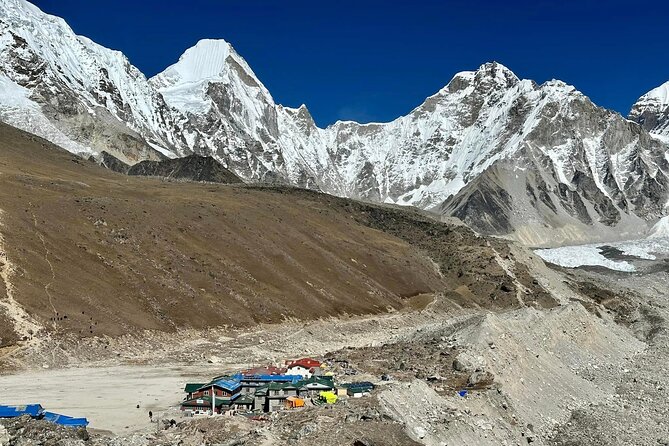
- Day 9: Lobuche to Gorakshep and onward toward Everest Base Camp
- Day 10: Gorakshep to Kalapatthar (the 5,545m viewpoint day)
- Day 11: Helicopter back to Kathmandu, then airport transfer
- Updated tea houses: comfort where it changes your whole day
- Helicopter return: why it feels different on day 11
- The people factor: guide quality and clear communication
- What’s included (and what’s not) in everyday terms
- Price and logistics: is this good value?
- Who should book this Luxury Everest Base Camp Trek?
- What to watch for: fitness, altitude, and weather reality
- Should you book this luxury Everest Base Camp trek?
- FAQ
- What city does the trek start in?
- Is airport pickup included?
- How many nights are included in Kathmandu?
- Are trekking meals included?
- What flights are included for getting to the trail?
- Is the helicopter ride included?
- What about accommodations during the trek?
- Are permits and fees covered?
- Is a vegetarian option available?
- What is not included in the price?
Key highlights worth your attention
- Shared helicopter return from Gorakshep to Kathmandu for a faster, calmer finish
- Upgraded teahouses on twin sharing for more comfort each night
- Private group with a guide plus porter support (1 porter for 2 clients)
- Acclimatization built into the route with a day in Namche and another in Dingboche
- Kalapatthar sunrise-style views potential from the 5,545m viewpoint
- Kathmandu comfort included: two nights in a 5-star hotel with breakfast
Luxury Everest Base Camp: what you’re really buying for $4,500
At first glance, $4,500 per person for an 11-day Everest Base Camp trek can look steep. But when you break down what’s included, the price starts to feel less like a luxury markup and more like paying for risk reduction and comfort where it counts.
Here’s the core value: you’re getting the big Everest milestones (Lukla flight, Namche Bazaar, Tengboche, Dingboche, Lobuche, Gorakshep, Everest Base Camp, Kalapatthar). On top of that, you’re purchasing three kinds of relief:
1) Less hassle in Kathmandu (private airport transfer and a real hotel setup).
2) More comfort in the mountains via upgraded tea houses.
3) A faster return via helicopter from the Everest region—something that matters most at the end, when legs are done and the altitude is still hanging around.
Add in a guide, porter support (not just a “good luck” plan), permits and fees handled, and a last-night farewell dinner with cultural performance, and it becomes a smoother package than the bare-bones version of EBC.
In practice, that means you’re spending your energy on walking and enjoying views, not managing the logistics of what comes next.
You can also read our reviews of more tours and experiences in Kathmandu
Kathmandu pre-trek: two nights in comfort before the thin air
Your trip starts the morning you land at Tribhuvan International Airport in Kathmandu. You’ll get picked up and transferred by private vehicle to your hotel, and you have two nights in a 5-star property with breakfast. That matters more than people think. Everest treks are often derailed by sleep issues, stress, and “where do we go now?” moments.
A well-run Kathmandu base helps you:
- get your timing right for the Lukla flight
- eat without rushing
- sort out layers, water plans, and any dietary needs
Also, the company provides trekkers’ information management support (TIMS permit plus Khumbu valley fees are included). You don’t want to be figuring that out while jet-lagged.
If you’re the kind of traveler who likes everything handled, this part will feel very easy.
Day-by-day on foot: the route that actually makes altitude sense
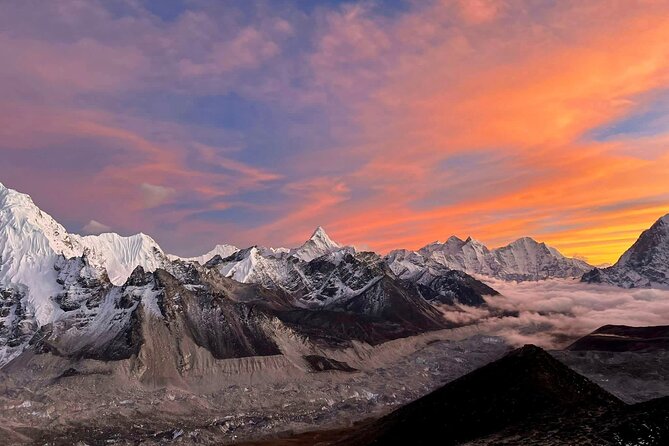
The trek proper follows the classic Everest Base Camp rhythm, just with more comfort and more support.
Day 2: Kathmandu to Lukla, then your first step into Khumbu
After breakfast in Kathmandu, you fly to Lukla (about 2,860m). Lukla is where the Everest journey stops feeling theoretical. From there, the trek begins toward Phakding.
This first hiking day is usually about getting your legs used to the trail and the altitude, not chasing speed. Expect a mix of villages, prayer flags, and that unmistakable sense of moving deeper into the mountains.
Day 3: Phakding to Namche Bazaar (the altitude checkpoint)
You walk from Phakding to Namche Bazaar (a key altitude hub). Namche is where you’ll see more trekking traffic, more gear, and more energy. It’s also a place to refuel: the town setup helps you feel human again before higher elevations.
I like that this itinerary doesn’t jump too aggressively after day one. You’re building experience with the terrain gradually.
You can also read our reviews of more hiking tours in Kathmandu
Day 4: Acclimatization day in Namche Bazaar
You stay at altitude (around 3,880m) for acclimatization. This day is valuable because it supports safety and comfort. Your body gets time to adjust before the next push.
Most importantly, it gives you breathing room for the kind of minor issues that happen at altitude—headaches, slowed appetite, sleep changes—before you stack them with harder hiking days.
Day 5: Namche to Tengboche (views and monastery vibes)
You continue toward Tengboche (about 3,820m). This leg is often short enough to feel doable but still meaningful. Tengboche is known for its views and the spiritual center vibe you’ll notice in the area.
Even if you’re not into monasteries, you’ll still appreciate how Tengboche breaks up the trail mentally. After several days of climbing, a change of scenery helps your brain reset.
Day 6: Tengboche to Dingboche (higher, drier, colder)
Next is the climb to Dingboche (about 4,360m). This is where the cold starts to feel sharper in the evenings. In the daytime, you’ll usually feel the air thinning in a more noticeable way—especially if you walk too fast.
This is the day where your “luxury” choices help indirectly. When you have upgraded tea house accommodations waiting, you’re more likely to keep walking with the right pace and recover better at night.
Day 7: Acclimatization day in Dingboche
Another intentional acclimatization day. You’re staying in Dingboche at about 4,360m to let your body catch up with the elevation gains.
I like that you don’t just get altitude and hope for the best. This schedule is designed so you spend less time compensating for rushed climbs.
Day 8: Dingboche to Lobuche (high-altitude terrain)
You hike to Lobuche (often a 5–6 hour day) and cross high-altitude terrain. This day can come with tougher weather and more exposed conditions.
You’ll likely find that every step feels heavier because you’re higher and the trail is less forgiving. The good part? The scenery builds fast, and the Everest region starts feeling like a place you can finally picture with your own eyes.
Day 9: Lobuche to Gorakshep and onward toward Everest Base Camp
This is one of the big-effort days: roughly 6–7 hours with strenuous hiking. You reach Gorakshep, and from there the push continues toward Everest Base Camp.
It’s rocky, it’s serious, and it’s not the day to try new pacing experiments. Bring the same calm mindset you use on a long-distance hike: slow steps, consistent breathing, and plenty of water and warm layers.
You’ll feel the excitement here, but you’ll also feel how high you are. That’s normal.
Day 10: Gorakshep to Kalapatthar (the 5,545m viewpoint day)
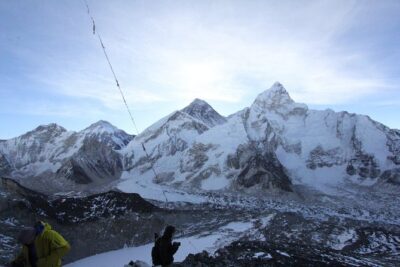
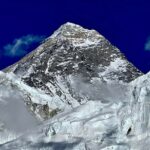
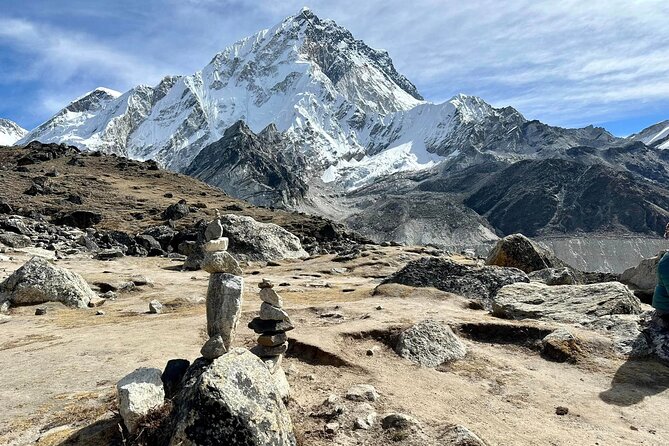
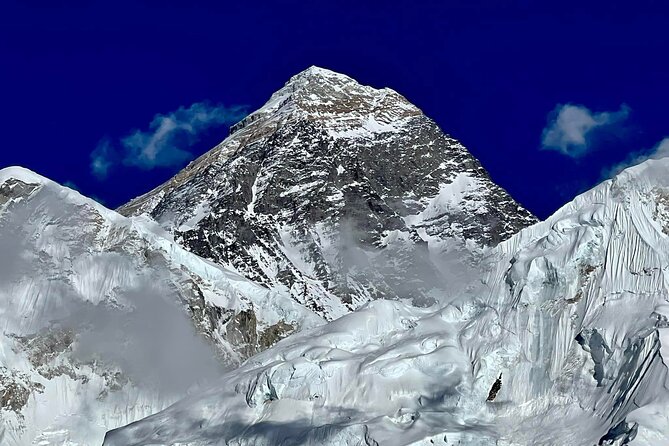
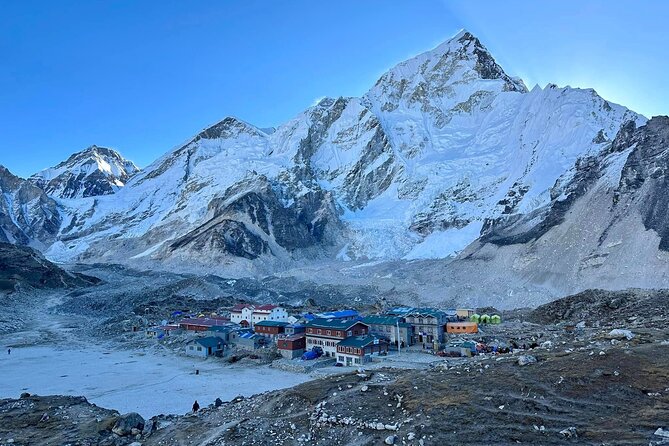
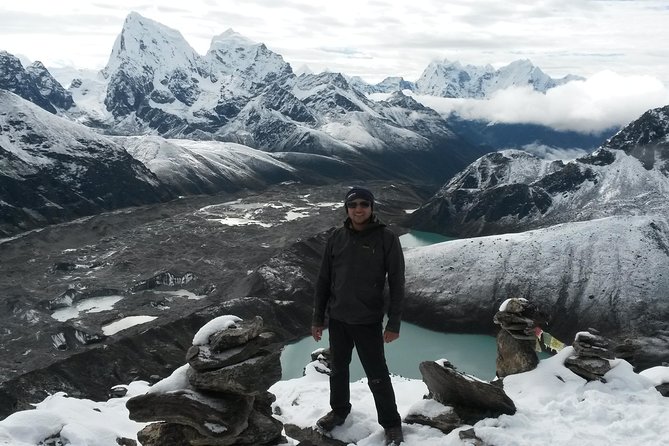
Day 10 is a classic highlight: hiking to Kalapatthar (about 5,545m). It’s one of the most popular Everest Base Camp trek moments because the panoramic views can be breathtaking from that high vantage point.
Expect this day to be a climb within a climb. Even if you reach the top and feel winded, that’s part of the deal at this elevation.
Day 11: Helicopter back to Kathmandu, then airport transfer
Instead of trekking down all the way, you fly by helicopter from Gorakshep to Kathmandu (sharing). On the final day, a representative will take you to the airport about three hours before your scheduled flight.
That last-day helicopter ride is the real “luxury” payoff. It shortens the suffering and reduces the risk of delays caused by trying to power through steep descents with exhausted legs.
Updated tea houses: comfort where it changes your whole day
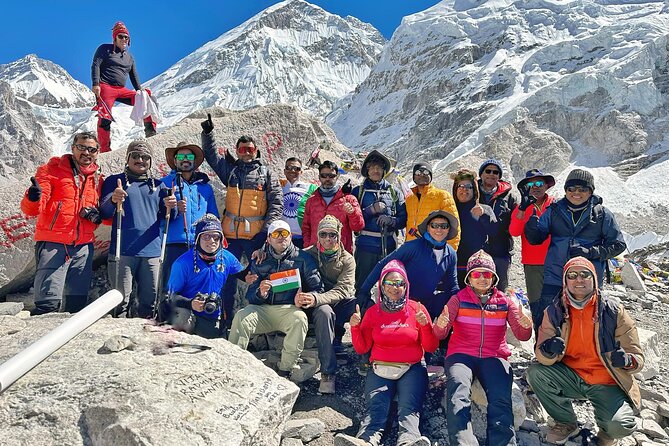
The luxury angle isn’t just about shiny gear. It’s about what happens after you stop walking.
This itinerary uses upgraded teahouses during the trek on twin sharing. That likely means you’ll have more modern amenities than the basic setups many trekkers see in older-style EBC plans. In cold climates, better comfort isn’t a “nice to have”—it affects how well you sleep, how quickly you recover, and how motivated you feel the next morning.
You’ll have lunch, dinner, and breakfast during the trek. Meals aren’t listed in full detail here, but the included meal plan helps you avoid the small daily stress of figuring out what’s available and when.
And yes, you still have to dress smart and keep your warm gear ready. Luxury tea houses don’t change the basic physics of high-altitude nights.
Helicopter return: why it feels different on day 11
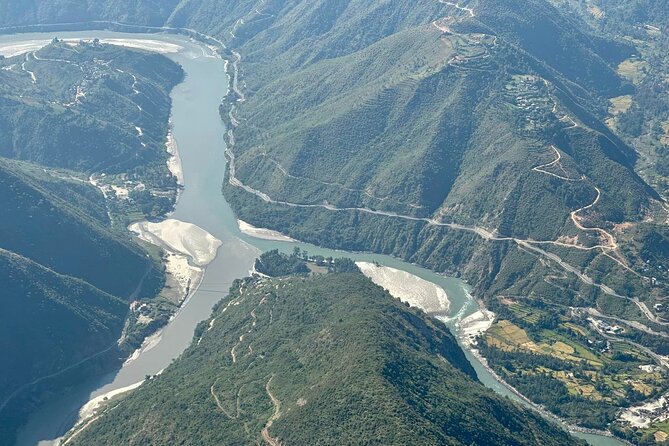
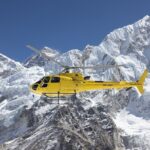
The return helicopter from Gorakshep to Kathmandu is the centerpiece feature.
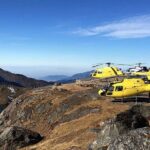
It’s sharing, so you’re not getting a private aircraft experience. But the practical benefit is huge: you trade several hours of trekking and potential bad-weather descent complications for a quicker, more controlled exit.
Two realities to keep in mind:
- helicopter operations depend on weather stability (especially for visibility and safe flying conditions)
- even with luxury logistics, mountain weather can still cause changes
So the best mindset is: plan to hike, and treat the helicopter as a premium safety/comfort bonus when conditions allow.
The people factor: guide quality and clear communication
When you pay for a higher-end trek, you’re also paying for how smoothly it runs behind the scenes.
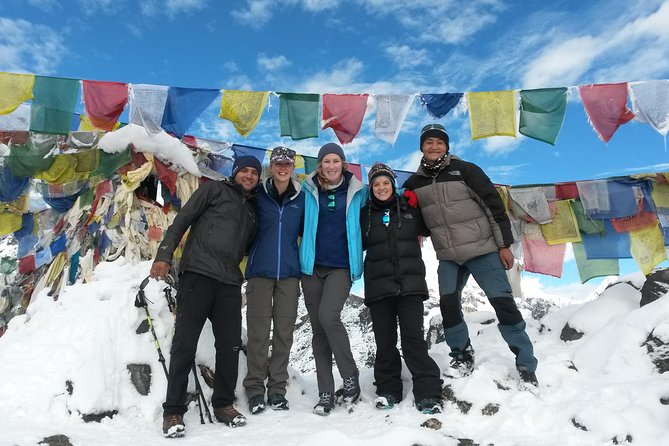
In the feedback from past travelers, the guide experience comes through strongly. One guide named Prakash is highlighted as exceptional—helpful, organized, and clearly a key reason people felt taken care of. The trip leader Bhagwat is also mentioned as very organized and responsive, including a story that he spent months answering detailed questions before the trek.
That kind of attention matters because Everest treks are full of tiny decisions: pace, layer choices, when to push for views, and how to respond if weather shifts.
Also, the company includes “travel and rescue arrangements” and provides medical supplies with a first aid kit available. You’ll still want to bring travel insurance of your own, since insurance is not included here, but the presence of planning support is reassuring.
What’s included (and what’s not) in everyday terms
This trip covers a lot of the big-ticket logistics:
- Airport pickup in Kathmandu and private transfer to your hotel
- Two nights in a 5-star hotel with breakfast
- Meals during the trek (lunch, dinner, breakfast on trekking days)
- Permits and fees (TIMS + Khumbu valley fees)
- Guide and porter support (1 porter for 2 clients)
- Flights to Lukla (Kathmandu to Lukla / Ramachap to Lukla included)
- Duffle bag return after the trek and company T-shirts
- Upgraded tea houses during the trek
- Shared helicopter fare from Gorakshep to Kathmandu
- Travel and rescue arrangements and a first aid kit
- Farewell dinner with cultural performance in Kathmandu
Not included:
- Nepal visa fee
- International flights to/from Kathmandu
- Extra nights in Kathmandu if your timing changes
- Any additional mountain costs if weather causes delays beyond the scheduled plan
- Travel and rescue insurance
- Personal costs like phone calls, laundry, bars/snacks, battery recharging, extra porters, and items like bottle/boiled water or hot shower charges (if available)
- Tips for guide and porter
So the luxury here is real, but you still need to budget for the usual personal spend and tipping. That’s not a deal-breaker; it’s just how mountain travel works.
Price and logistics: is this good value?
At $4,500 per person, the value depends on what you personally hate most about trekking.
If you dislike:
- long down-mountain days
- weather-induced schedule stress
- decision fatigue (what to pack, what to do next, which permit, which meal)
…then this is likely priced fairly for you, because it includes a structured plan, a guide, porter support, and the helicopter finish.
If you’re the type who loves independent travel and doesn’t mind handling permits, arranging flights, and managing your own lodging like a part-time project manager, you could likely find cheaper EBC options. But that would mean trading off the comfort and orchestration you’re paying for here.
Also note this is listed as a private tour/activity, meaning your group travels together. For families or first-timers, private group structure usually reduces friction a lot.
Who should book this Luxury Everest Base Camp Trek?
This works best for you if:
- you want classic Everest Base Camp access with less roughness in the sleeping setup
- you value communication and planning and prefer not to micro-manage everything
- you’re physically able to handle steep days and high altitude, and you want acclimatization to be part of the plan
- you’d like a helicopter return so you don’t spend the final stretch grinding out downhill kilometers
It may not be the right match if:
- you’re aiming for ultra-budget travel
- you’re okay with uncertain helicopter timing and longer returns if weather forces changes
- you have very limited mobility or are not willing to deal with altitude hiking demands
What to watch for: fitness, altitude, and weather reality
Even with upgraded tea houses and modern comforts, Everest Base Camp remains a high-altitude trek.
The itinerary includes acclimatization days in Namche and Dingboche, which is a smart support structure. Still, you’ll be dealing with altitude effects, especially on the higher days toward Lobuche, Gorakshep, and Kalapatthar.
Also plan for the helicopter feature to be at the mercy of mountain conditions. The trip is scheduled so the helicopter return is the luxury bonus, but the Himalaya has final say.
Finally, bring the mindset that guides and porters help you move and manage the trip—but you still own your personal comfort: warm layers, water strategy, and listening to your body.
Should you book this luxury Everest Base Camp trek?
If you want Everest Base Camp with a softer landing—better Kathmandu comfort, upgraded teahouses, porter support, and a helicopter return—this is an easy yes to consider. The price buys you time, comfort, and stress reduction at the points where most trekking breakdowns happen.
I’d book it if you match the physical level and you like the idea of making fewer logistical decisions while still getting the real Everest experience. And if you’re traveling with family, the private structure and guided support can make the whole trip feel calmer.
If you’re the kind of traveler who enjoys grinding the whole route start-to-finish and doesn’t care about comfort tradeoffs, then a simpler trek might make more sense. But for many people, luxury here is not about status—it’s about recovering better, sleeping warmer, and getting home with less wear.
FAQ
What city does the trek start in?
The trek starts in Kathmandu, Nepal, with pickup arranged from Tribhuvan International Airport.
Is airport pickup included?
Yes. You’ll get pickup from the airport and a transfer to your hotel by private vehicle.
How many nights are included in Kathmandu?
Two nights in Kathmandu are included, in a 5-star hotel with breakfast.
Are trekking meals included?
Yes. Lunch, dinner, and breakfast are included during the trekking portion (meals are listed as included for the trekking days).
What flights are included for getting to the trail?
The itinerary includes Kathmandu to Lukla and also a Lukla flight option via Ramachap to Lukla (as part of the included flight ticket).
Is the helicopter ride included?
Yes. Helicopter fare from Gorakshep to Kathmandu is included, and it is a sharing flight.
What about accommodations during the trek?
You stay in upgraded teahouses during the trek on twin sharing.
Are permits and fees covered?
Yes. TIMS permit and Khumbu valley fees are included.
Is a vegetarian option available?
Yes. Vegetarian options are available if you request them at booking.
What is not included in the price?
Not included are the Nepal visa fee, international flights to and from Kathmandu, extra hotel nights in Kathmandu if needed due to timing changes, insurance, tips for guide and porter, and personal expenses in the mountains like phone calls, laundry, and similar items.