REVIEW · EVEREST BASE CAMP TREKS
Luxury Everest Base Camp Trek – 11 Days
Book on Viator →Operated by Himalayan Trekking · Bookable on Viator
Luxury and Everest Base Camp can coexist. This 11-day trek pairs helicopter transfers with well-supported trail days through classic Khumbu stops like Namche, Tengboche, Dingboche, and up to Kala Patthar. You still get the big-mountain feeling, but with luxury accommodations during the trek, plus a very organized pace.
Two things I really like about this kind of trip are the small-group setup (max 15) and the hands-on support system. You’re traveling with a guide and porters whose daily wage, insurance, and meals are covered, so the human logistics are handled and you can focus on the climb. I’ve also seen consistent praise for coordinators and guides such as Surya, Prakash, Keshab, Babu, and Ram, plus porters including Govinda, Kumar, and Partap.
One consideration: this is still a high-altitude trek. If you have asthma, you’ll want to think hard and plan carefully, and the itinerary does include an early-morning push (meeting time is 5:15 am) that can feel intense after days at altitude.
In This Review
- Key highlights that make this Everest trek feel “luxury”
- What you’re paying for: value, not just comfort
- Day 1 to Day 2: Kathmandu hotel in Thamel, then off to Lukla
- Namche Bazaar days: acclimatization with real views and a Sherpa town feel
- Tengboche to Dingboche: monasteries, rhododendron trails, and higher altitude
- Chukhung and the acclimatization strategy: go higher, then make it easier
- Toward Lobuche and the Khumbu Glacier moraine: where the air gets crisp
- Everest Base Camp and Gorak Shep: the payoff is real, but the work isn’t over
- Kala Patthar at first light: why the early start matters
- Getting back to Kathmandu: helicopter ride and a calmer end
- Guides, porters, and the small things that make Everest feel manageable
- Fitness reality check and altitude safety considerations
- Price breakdown: what makes $4,070 feel fair here
- Should you book this Luxury Everest Base Camp trek?
- FAQ
- FAQ
- What’s included in the trek package?
- How do you get from Kathmandu to Lukla?
- How do you return from the high point to Kathmandu?
- Is pickup offered in Kathmandu?
- What’s the group size limit?
- Do I need good physical fitness?
- Is this trip refundable if weather is poor?
Key highlights that make this Everest trek feel “luxury”
- Helicopter to Lukla (and back later) keeps the most flight-dependent segment from running your whole schedule.
- Luxury accommodation during the trek means better recovery between altitude days than the usual stripped-down option.
- Staff support that’s properly budgeted: guide + porters, with insurance and meals included.
- Real acclimatization rhythm through Namche, then higher up in Dingboche/Chukhung.
- You still reach the iconic viewpoints: Everest Base Camp and Kala Patthar at dawn.
- A cap of 15 people helps the trek feel managed and less chaotic than large groups.
What you’re paying for: value, not just comfort
The price is $4,070 per person for an 11-day Everest Base Camp trek that includes helicopters and luxury lodging during the trek. On paper, that’s not cheap. In real life, you’re paying for three things that matter in the Everest region: time saved, fatigue reduced, and fewer moving parts that can go wrong.
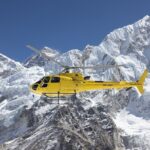
Helicopter transfers are the big headline. They remove the long, variable approach that many trekking groups rely on. You still hike the main acclimatization and summit-view work, but you’re not burning days on uncertain transport. That matters because altitude doesn’t care about your calendar.
The second value driver is the staffing. Here, guide and porters aren’t an afterthought. Their daily wage, insurance, and meals are part of the included package. That usually translates into smoother camp-to-camp transitions and less “figuring it out” for you.
The third is the “luxury” part, limited to what the data actually says: luxury accommodation during the trek. You should assume you’ll sleep better and recover better than the simplest trek packages. Just don’t mistake luxury for altitude relief. You still need to manage your breathing, hydration, and effort day to day.
You can also read our reviews of more tours and experiences in Kathmandu
Day 1 to Day 2: Kathmandu hotel in Thamel, then off to Lukla
Day 1 is the low-stress start. Your guide meets you at the airport and takes you to your booked hotel in Thamel. Thamel is Kathmandu’s tourist base, so you’re near food, supplies, and easy local access. The key point here is that you’re not arriving, then immediately planning your own next steps.
Day 2 is where things start to feel serious. You head to Kathmandu’s airport and take a helicopter to Lukla. In other words, you bypass the long grind that many trekkers do by foot. Once you reach Lukla, you meet your trekking crew and begin hiking toward Phakding, which takes about four hours.
What I’d watch for here: jet-lag plus height can make “easy” hiking feel harder than expected. Keep your pace calm. Your goal for the first trekking day is to get your legs working, not to prove anything.
Namche Bazaar days: acclimatization with real views and a Sherpa town feel
From Lukla you work toward Monjo and then push on to Namche Bazaar. The trail description emphasizes a gentle ascent at first and time through pine forests. That’s exactly what you want early: steady movement without gasping.
Namche is one of the practical goals of the trek. It’s a living base for the Khumbu region, where you can regroup, eat well, and adjust to altitude. This itinerary includes an acclimatization day in Namche with no forced steep climbing. You can wander the town and take in the mountains from viewpoints around the area.
There’s also a day focused on the Everest View Point area. That’s a clever setup because it gives you a high-impact payoff without making you sprint uphill. You get to “feel” Everest early, then save your big effort for later when you’re higher and your body is more ready.
If your energy is better in the morning, plan your hardest-looking hikes earlier in the day. If you feel draggy, don’t try to out-stubborn altitude. The best Everest days tend to be the ones where you move steadily, not aggressively.
Tengboche to Dingboche: monasteries, rhododendron trails, and higher altitude
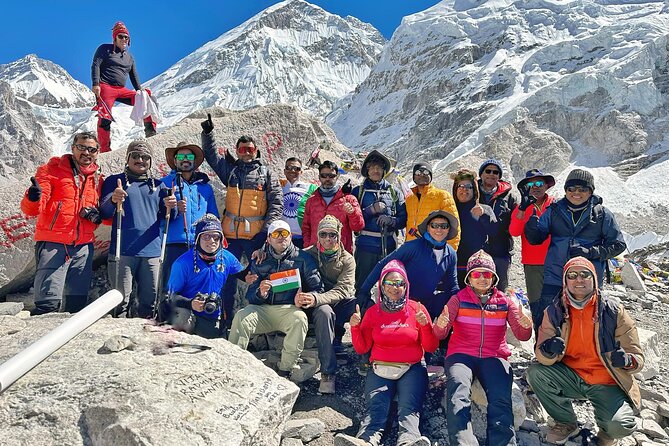
After your Namche recovery day, the trek turns toward Tengboche, described with dense rhododendron forests along the way. Rhododendron season changes the vibe of the walk—some days it’s lush and scented, other days it’s more about the forest ceiling and soft footing. Either way, the message is the same: you’re walking somewhere scenic and important, not just climbing for miles.
Tengboche is a spiritual stop tied to ancient monasteries. Even if you’re not a religious traveler, it’s one of those places that helps you slow down. The architecture and daily life add meaning to the altitude grind.
Next comes Dingboche at about 4,410 meters. The trek from Tengboche typically takes five to six hours in this plan. Dingboche sits in the Imja Valley, and the route gives you more time to adjust as the elevation increases.
Here’s the real benefit of the Dingboche stop: it’s designed for acclimatization. Everest doesn’t reward bravery; it rewards timing. You’re giving your body a chance to catch up before the route gets truly high.
Chukhung and the acclimatization strategy: go higher, then make it easier
On the next day, you reach Chukhung. The itinerary frames this stage as a chance to acclimatize while you draw closer to the ultimate goal. Dingboche acts as an ideal acclimatization location, and Chukhung extends that process so your body doesn’t get hit all at once.
This is where luxury doesn’t change the altitude mechanics, but it can help your recovery. If your lodging and meals are better, you’re more likely to sleep well, eat enough, and maintain the calm energy that acclimatization requires.
My practical advice: treat Chukhung as a “support day,” even if the views tempt you. Take it slow on the uphill portions and keep your breathing steady. If you feel unusually winded, don’t push through. That’s the moment where it’s worth pacing down.
You can also read our reviews of more hiking tours in Kathmandu
Toward Lobuche and the Khumbu Glacier moraine: where the air gets crisp
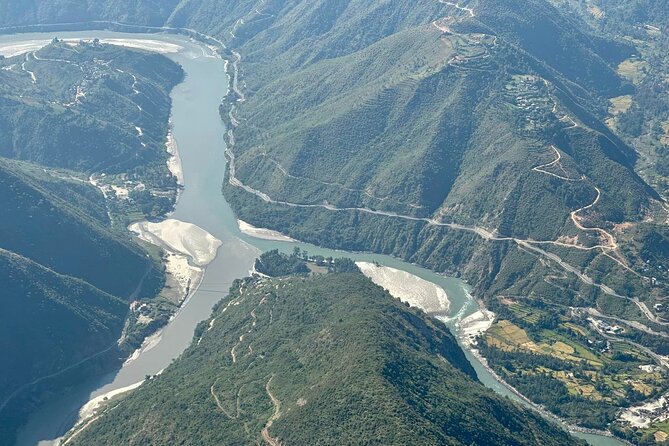
As you move toward Lobuche, the route is described as guiding you through the terminal moraine of the Khumbu Glacier. Even if you’ve seen glacier imagery before, the physical reality hits differently on foot. The air tends to feel sharper. The ground can feel more exposed. And your effort climbs.
These are also the days where you’ll start to feel the difference between “I can hike” and “I can hike comfortably at altitude.” Your goal becomes steady, not fast.
This stage sets you up for the classic high point: Everest Base Camp. You’re not rushing to the finish. You’re building a buffer so you can enjoy the big moment when you reach it.
Everest Base Camp and Gorak Shep: the payoff is real, but the work isn’t over
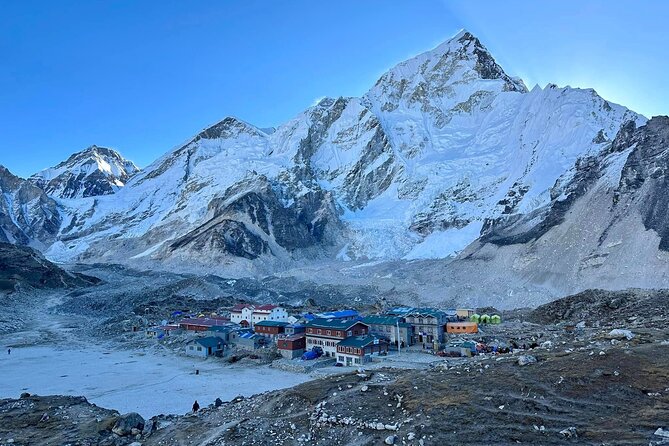
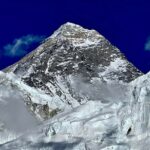
When the itinerary reaches Everest Base Camp, you’re already deep into the Khumbu rhythm. This is the part most people dream about: standing on the route’s spiritual center and seeing the mountain complex in person.
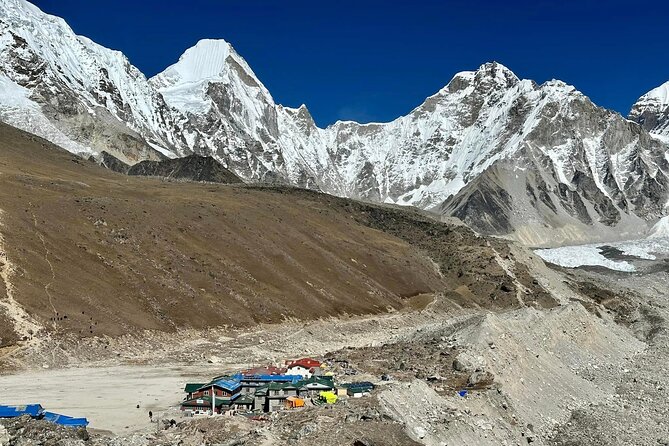
After that, you continue to Gorak Shep, which is listed at about 5,164 meters. Gorak Shep is a small village in the Khumbu region and serves as a last staging point before the dawn push.
This is where I’d expect many people to feel the altitude in a very physical way. Even if you handled earlier days well, you’ll likely notice slower steps and heavier breathing. That’s normal. What’s not normal is ignoring symptoms or forcing pace.
If you’re feeling tight, keep moving slowly and focus on consistent breathing. Everest Base Camp is a place to take in, not a sprint to conquer.
Kala Patthar at first light: why the early start matters
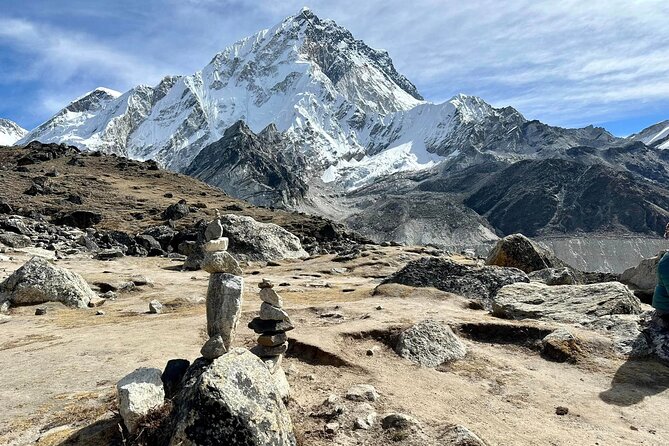
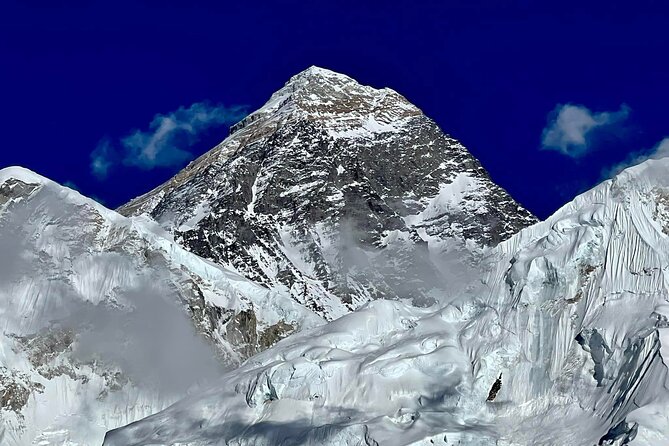
This trek includes a dawn hike to Kala Patthar. The meeting start time given is 5:15 am, and the plan describes rising with first light and hiking early. Kala Patthar is on the south ridge of Pumori above Gorak Shep.
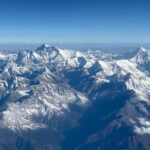
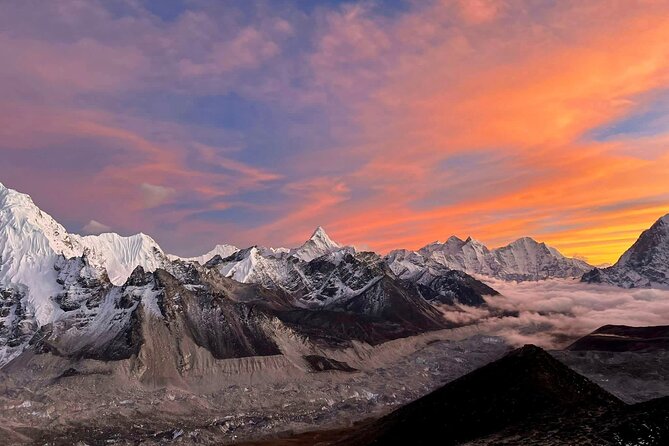
This is one of the most rewarding parts of the itinerary because you get the kind of views that make all the days of walking feel worth it. Also, dawn light changes everything. The mountains look different when the sun hits them. That’s the value of going early: less haze, more clarity, and a calmer atmosphere.
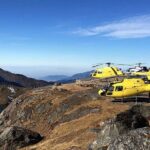
The plan also mentions helicopter landing at Kalapathar. That’s a big logistical and fatigue saver. You finish the highest scenic effort, then you’re not stuck doing additional long transfer days on foot.
Getting back to Kathmandu: helicopter ride and a calmer end
On the return side, the package includes Gorakshep to Kathmandu by helicopter. That means your final altitude days end with a direct lift out of the highest trek area rather than a long down-hike.
Then Day 11 is straightforward: you’ll be transferred to the airport and fly back home. This matters because it reduces the chance you’ll spend your last day dragging your body through steep sections when you’re already mentally spent.
The best part of this design is that it protects your energy for the travel day, not just the trek day.
Guides, porters, and the small things that make Everest feel manageable
One strong theme in the experience is the emphasis on people, not just places. Coordinators and guides named across the program include Surya and Prakash, and other guides such as Keshab, Babu, and Ram. Porters mentioned include Govinda, Kumar, and Partap. That’s not trivia. It signals a system that keeps experienced staff in the loop, which helps a lot when weather or logistics get tricky.
You also have a maximum of 15 travelers. That’s a sweet spot. You still get the shared-group feel, but you’re less likely to experience the chaos that bigger groups create on narrow trails.
Another detail worth noting: the included program covers guide/porter wages, insurance, and meals. If that’s handled, you don’t spend your trek thinking about who’s doing what and whether something is missing.
Fitness reality check and altitude safety considerations
This trip asks for moderate physical fitness. That doesn’t mean it’s easy. It means you should be comfortable with multi-hour hiking, steady uphill walking, and basic endurance at altitude.
If you have asthma, the experience notes it as a consideration. In plain terms: talk with your clinician before you go, bring your medication, and be honest with your guide about symptoms. Altitude can make breathing feel harder even for healthy people, so don’t gamble with uncertainty.
Also remember: start time is early. The meeting start time is 5:15 am, which aligns with dawn hiking. Build routines for early mornings before you start this trek.
Price breakdown: what makes $4,070 feel fair here
Let’s be practical about value.
You’re paying for:
- Kathmandu to Lukla by helicopter
- Gorakshep to Kathmandu by helicopter
- Luxury accommodation during the trek
- Guide and porters (wages, insurance, and meals included)
- Most meals: breakfast (9), lunch (8), dinner (8)
- All fees and taxes
- Pickup offered and a maximum group size of 15
Not included covers international flights, travel insurance, extra Kathmandu nights, and personal expenses. Tips are also not included, which is typical for guided trips but should be planned for.
So is it worth it? If you’d otherwise pay extra for private staffing, better lodging, helicopter transfers, and meal coverage, the package becomes much more sensible. If you’re trying to do the cheapest possible version of Everest, this is not that. But if you want the mountain story with fewer logistical headaches, this price starts looking like a “pay now, stress less” plan.
Should you book this Luxury Everest Base Camp trek?
Book it if you want a classic Everest itinerary with fewer “surprise problems.” The helicopter segments, luxury lodging during the trek, and guided acclimatization make it a smart match for people who want the Everest experience without turning the trip into a logistical project.
Skip it (or at least pause and get medical advice first) if you’re not ready for altitude stress or if asthma is a major concern for you. And be honest: luxury comfort helps recovery, but it doesn’t eliminate high-altitude risk.
If you do book, arrive in Kathmandu with a calm mindset. Everest rewards consistency. Eat what’s offered, drink regularly, and keep your effort controlled on uphill days.
FAQ
FAQ
What’s included in the trek package?
The package includes all fees and taxes, luxury accommodation during the trek, a guide and porters (with their daily wage, insurance, and meals), Kathmandu to Lukla by helicopter, Gorakshep to Kathmandu by helicopter, and meals during the trek: breakfast (9), lunch (8), and dinner (8).
How do you get from Kathmandu to Lukla?
You fly by helicopter from Kathmandu Airport to Lukla, after a transfer from your Kathmandu hotel.
How do you return from the high point to Kathmandu?
You take a helicopter from Gorakshep to Kathmandu.
Is pickup offered in Kathmandu?
Yes, pickup is offered, and the start area is near public transportation.
What’s the group size limit?
The experience has a maximum of 15 travelers.
Do I need good physical fitness?
You should have a moderate physical fitness level.
Is this trip refundable if weather is poor?
You can cancel up to 24 hours in advance for a full refund. If the experience is canceled due to poor weather, you’ll be offered a different date or a full refund.