REVIEW · 1-HOUR EXPERIENCES
Kathmandu: 1-Hour Scenic Flight Over Mount Everest
Book on GetYourGuide →Operated by Outshine Adventure Pvt Ltd · Bookable on GetYourGuide
Everest from a plane is a fast way to go big. In a single hour, you get bird-level views of the world’s most famous peaks, plus the Sherpa country sights many people only see from trails.
What I like most is the guaranteed window seat and the clear way the crew helps you identify mountains as you fly. I also love how the route is planned for dramatic viewing, including cues to look left and right for specific peaks along the Everest Himalayas corridor.
One drawback to consider: this is a weather-dependent flight. If visibility is poor, you may wait, reschedule, or fly again on a different date, so it helps to have flexibility.
In This Review
- Key things to know before you fly over Everest
- Kathmandu to the Everest air route: the 1-hour flight in context
- Where you’ll look from the windows: left and right peak viewing
- Sunrise light and clear skies: what weather does to your odds
- Onboard hosting: how the crew helps you actually see Everest
- Windows seat guaranteed: photos, propellers, and what can surprise you
- Pickup and drop-off around Kathmandu and Lalitpur
- Price and value: is $140 a good deal for Everest time?
- Fit and expectations: who will enjoy this most
- The booking question: should you book this Everest flight?
- FAQ
- How long is the Kathmandu Everest scenic flight?
- What does the price include?
- How much is it per person?
- Where are the pickup and drop-off options?
- Is a window seat guaranteed?
- What time of day does the flight operate?
- Do I need to bring a passport or ID?
- Are food and drinks included?
- What happens if weather is poor?
- Is the activity wheelchair accessible?
Key things to know before you fly over Everest
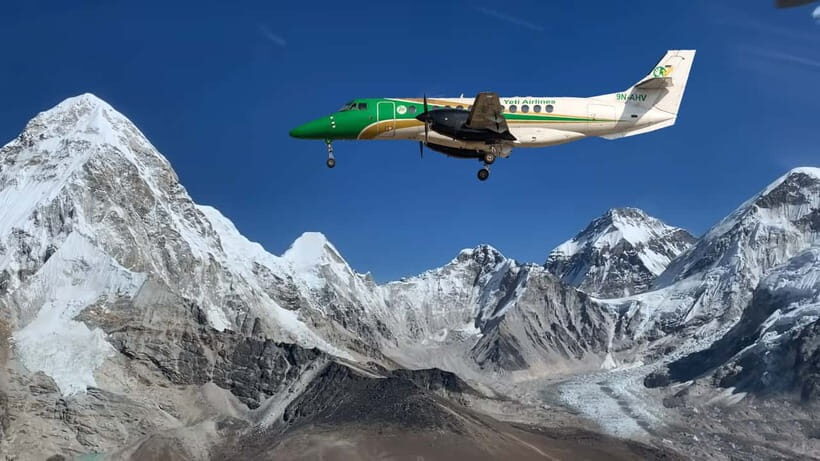
- Guaranteed window seat so you can focus on the views instead of seat-hunting at the last minute.
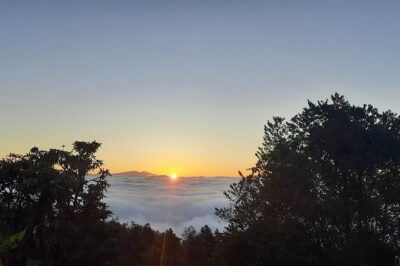
- Sunrise timing gives you brighter, lower-angle light for mountain contrast.
- Crew mountain identification using a visual map so you know what you’re looking at.
- Left/right peak viewing helps you anticipate what appears on your side of the aircraft.
- Short, low-stress experience that fits people who can’t (or don’t want to) trek to Everest base area.
- Weather can affect the plan and may require waiting or changing dates.
Kathmandu to the Everest air route: the 1-hour flight in context
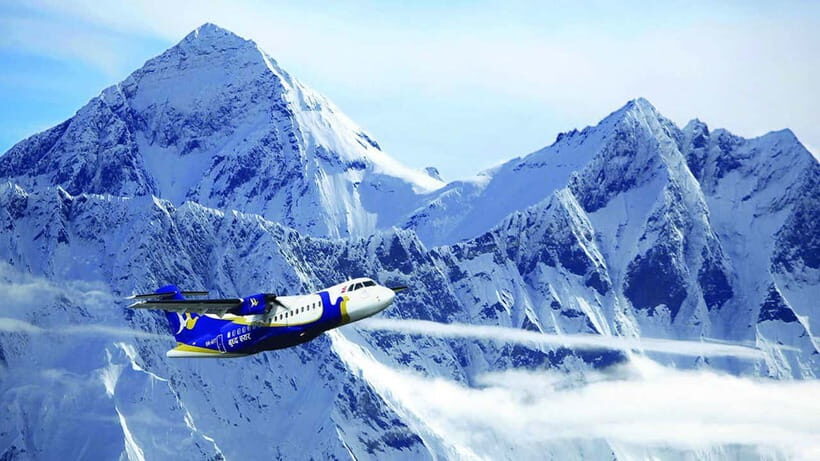
This is a scenic flight experience based in the Kathmandu area, operating out of Tribhuvan International Airport with the idea of being in the air at sunrise or near it. The total experience time on the day is longer than an hour because you’ll factor in hotel pickup (if you add it), transfer to the airport, and the pre-flight routine.
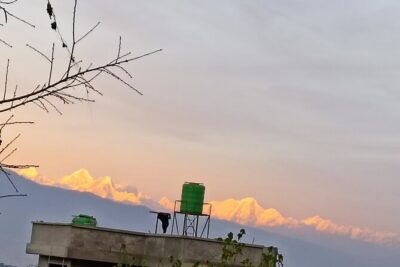
The flight itself is 1 hour, and the route is designed to move you east while you look across the Himalayan skyline. That matters because you’re not just staring at one mountain. You’re watching a chain of peaks slide across your view as the aircraft tracks along the Everest Himalayas region.
You’ll fly in a small group sized to the aircraft, with a maximum capacity listed at 16–30 travelers depending on the plane. Smaller groups tend to feel calmer, and they also make it easier for the cabin team to point out what each side of the plane can see.
If you’re trying to squeeze Everest into a short Nepal trip, this format is the big selling point. Instead of days of altitude, you get a concentrated hit of high-altitude scenery with minimal time on your calendar.
You can also read our reviews of more tours and experiences in Kathmandu
Where you’ll look from the windows: left and right peak viewing
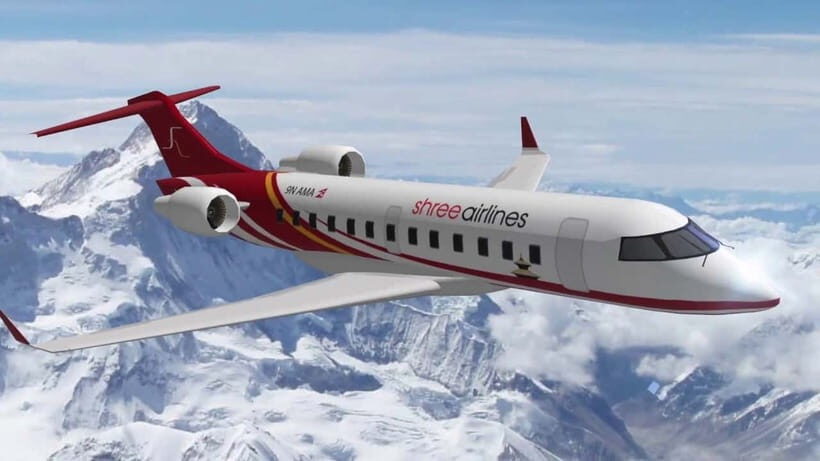
The flight includes a lot of “look here” moments, which is exactly what you want when you’re in the sky and don’t want to guess. The best part is that you’re not left to figure out the Himalayas on your own.
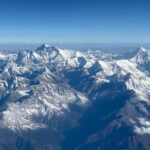
On the outbound cruise, you’ll be instructed to look far left for Gosaithan, also known as Shishapangma, at 8,013 meters. That’s the kind of name you might read once, then forget. From the window, it suddenly becomes real scale.
Still on the left side, you may also catch the pyramid-shaped peak of Dorje Lhakpa in the Langtang Himal area. Dorje Lhakpa’s form is distinctive, and that makes it easier to spot when the sky is clear.
On the right side, the flight plan points out the snow-capped summit of Phurbi-Chyachu in the Kathmandu Valley. It’s a helpful cue because it turns the flight into a guided panorama instead of one long blur of mountain silhouettes.
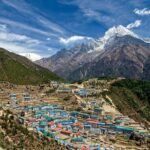
And then you get the Sherpa-country visuals people hope for: Namche Bazaar from the air, plus aerial views of Tengboche and Ama Dablam. Even if you’ve never set foot in these places, you’ll recognize them as part of the Everest region’s “real world,” not just a set of peaks on a map.
Two practical tips based on how this experience is commonly viewed from the cabin:
- If you get to choose your window position, don’t pick randomly. Think about which side tends to see views first on the outbound leg versus later on the return.
- Keep your window area clean in your mind, not just your camera. The view is what matters, and a smudged window can soften detail fast.
Sunrise light and clear skies: what weather does to your odds
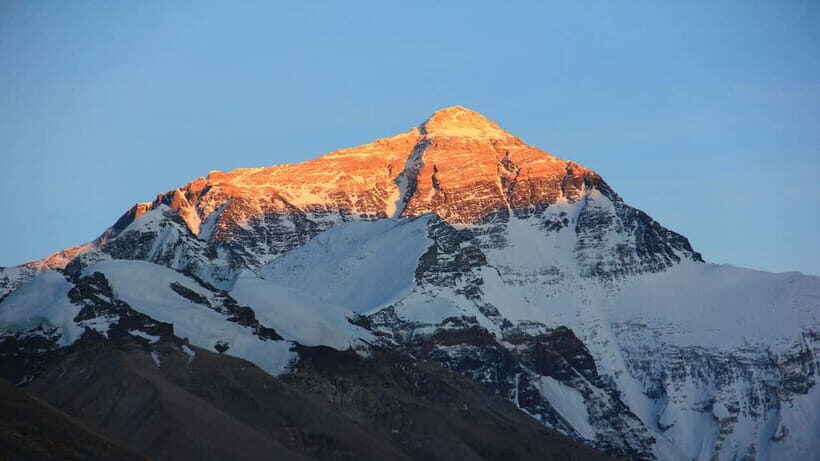
This trip requires good weather, and that’s not just fine print. For a 1-hour flight, visibility is everything. When the sky is clear, the mountains can look sharp and layered, with snow highlights that make the peaks easier to separate.
When the sky isn’t cooperative, the plan can change. In practice, that can mean waiting it out a bit, and in some cases it means canceling the flight due to weather. If that happens, you’re offered another date.
One detail you should know up front: if the flight is canceled due to weather, the traveler is responsible for the airport transfer charge. So even though the main experience is protected with options, your ground logistics may still cost you if plans collapse.
The best move is to treat this like a “golden morning” activity. Don’t schedule it as your only timed commitment. Build in buffer time or accept that you might shuffle your day to match the weather window.
Onboard hosting: how the crew helps you actually see Everest
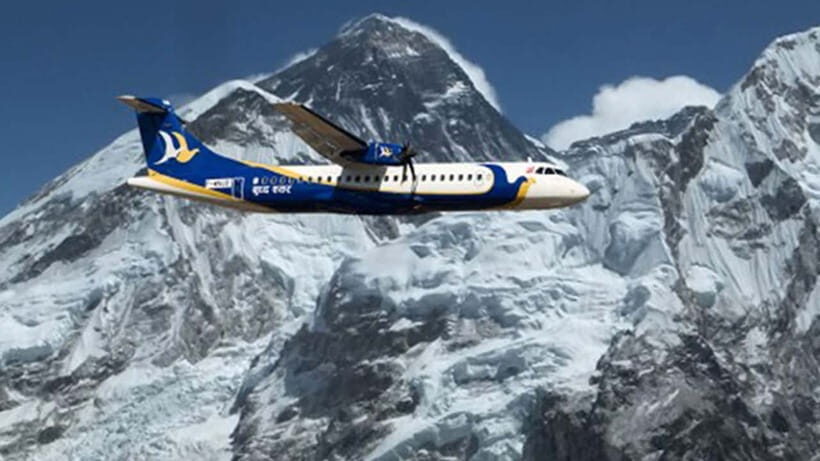
A scenic flight is only half about flying. The other half is what happens inside the cabin. Here, the hosting seems to be a big part of why people rate the experience so highly.
You can expect the cabin crew to be actively engaged, not just present. They use a visual guide/map to help identify peaks as you look out the windows. On many flights, the team moves around and points you toward what you’re seeing on your side, which is a huge help for first-timers.
I also appreciate the way the experience is paced. You’re not stuck hunting for names while the window is full of cloud. Instead, there are moments when the cabin team steers your attention to a specific mountain, then you get to enjoy the view for real.
This is especially valuable for Everest flights because the region is dense. Without guidance, it can blur into “a bunch of snow mountains.” With cues and identification, each peak becomes a distinct object, and your brain starts mapping the skyline correctly.
Windows seat guaranteed: photos, propellers, and what can surprise you
This activity is marketed with Windows Seat Guaranteed, and that’s a big practical win. It means you can plan around photography or simply around unobstructed viewing, rather than crossing your fingers at check-in.
That said, the airplane matters in small ways. One thing that can surprise you: if your seat is positioned behind a propeller, you might worry about the view. In at least one instance, the flight still climbed high enough that the mountain range sat safely below the propeller line, so the views remained usable.
Another real-world factor: airplane windows can be imperfect. Some people have reported a dirty window that makes photos less crisp. You can’t always fix that on the spot, but you can protect your expectations by understanding that photos may be less sharp than your memory of the view.
If you care about photos, go in with this mindset:
- Take fewer shots, compose carefully, and focus on timing when mountains are unobscured.
- Treat your camera settings as secondary. A clear moment outside beats a technically perfect moment through smudged glass.

Pickup and drop-off around Kathmandu and Lalitpur
Your day can start in either Kathmandu or Lalitpur, depending on which pickup option you choose. The activity lists two pickup locations and two drop-off locations, so it’s built to avoid long, random commutes across town right before flying.
Ground transportation is included only if you select the optional transportation. Otherwise, you’ll handle your own transfer to and from the airport. Either way, it helps to plan for an early start because this experience is tied to sunrise and visibility.
Also look at this as part of the value. In Nepal, getting to Tribhuvan Airport can take time and energy depending on traffic. A scheduled pickup reduces stress, which matters when you’re trying not to miss your flight window.
And there’s a small extra included: you’ll receive a trip completion certificate. It’s not life-changing, but it’s a nice touch if you like collecting proof of the experiences you completed.
Price and value: is $140 a good deal for Everest time?
At $140 per person for a 1-hour flight, the value is really about what you’re buying: time and access. You’re not paying for days of trekking, porters, or altitude management. You’re paying for a concentrated, high-impact view of the Everest region from the air.
This is best value if you:
- Have limited time in Nepal and want the Everest experience without committing to a long trek.
- Want a safe, low-physical-effort option that still feels like a once-in-a-lifetime moment.
- Prefer guided viewing cues so you don’t spend the flight guessing what you’re looking at.
If you’re the type who hates weather-driven plans, you should still consider it, but with flexibility. The flight requires good weather, and in poor conditions you might wait or reschedule. That’s part of the deal for any mountain-view flight in Nepal.
Overall, I think the price is reasonable when you compare it to the alternative of losing an entire chunk of your trip to travel time and logistics. You’re buying a focused window into Everest and its surrounding peaks, including Namche Bazaar and Ama Dablam, which are not guaranteed in many quick sightseeing options.
Fit and expectations: who will enjoy this most
This experience suits a wide range of travelers because it’s short, visually rich, and not physically demanding. It’s particularly good for:
- First-time visitors who want a fast Everest hit
- Families or older travelers who can’t trek at altitude
- People who want to combine Everest views with other Kathmandu-area plans
- Anyone who values guidance, especially with mountain identification cues
It’s not as ideal if you want a lot of downtime or a long, flexible day. The whole point is timing—being ready near sunrise when visibility is best.
Also, if you’re sensitive to being woken early or to changes in pickup timing, keep your day plan loose. One reported hiccup was a driver waking someone up about an hour early, then rushing to get a very elderly passenger ready. That doesn’t mean it happens to everyone, but it’s a reminder: for sunrise activities, you should set your expectations that the morning will run faster than a normal sightseeing day.
The booking question: should you book this Everest flight?
I’d book this if your top priority is seeing Everest and the surrounding Himalayas clearly, quickly, and without committing to a trek. The combination of a guaranteed window seat, crew identification support, and the promise of specific views like Shishapangma, Namche Bazaar, Tengboche, and Ama Dablam makes it feel like more than a generic “fly and hope” tour.
I would hesitate only if you’re traveling with zero flexibility and can’t handle the possibility of waiting or rescheduling due to weather. If your itinerary is tight and irreversible, you may want a backup plan for that morning.
My practical recommendation: treat the flight as your weather-dependent morning anchor, keep your calendar flexible the rest of the day, and go in ready to focus on the view rather than perfection in photos. When the sky cooperates, the payoff is exactly what you came for: Everest in the window, like a moving panorama you can’t get any other way.
FAQ
How long is the Kathmandu Everest scenic flight?
The flight duration is 1 hour.
What does the price include?
It includes the 1-hour mountain flight with panoramic views of Everest & the Himalayas, a trip completion certificate, and ground transportation if you choose the optional transport. Windows Seat Guaranteed is also included.
How much is it per person?
The listed price is $140 per person.
Where are the pickup and drop-off options?
You can choose pickup and drop-off in Kathmandu or Lalitpur.
Is a window seat guaranteed?
Yes. Windows Seat Guaranteed is included.
What time of day does the flight operate?
It’s designed around sunrise, with the day’s flow tied to early hours.
Do I need to bring a passport or ID?
Yes. You should bring a passport or ID card.
Are food and drinks included?
No. Food and drinks are not included.
What happens if weather is poor?
This experience requires good weather. If it’s canceled due to poor weather, you’ll be offered a different date.
Is the activity wheelchair accessible?
Yes. The activity is listed as wheelchair accessible.