REVIEW · EVEREST BASE CAMP TREKS
From Kathmandu: 12-Day Everest Base Camp Guided Trekking
Book on GetYourGuide →Operated by Welcome Nepal Treks P.Ltd · Bookable on GetYourGuide
This trek starts with a nerve-jangling flight. I like how it pairs that adrenaline with experienced, supportive guides and the big payoff of seeing Everest Base Camp at 5,364 meters. I also like the built-in rhythm that gives you acclimatization breathing room, not just a straight push upward. The catch: December nights can be tough, and the trek isn’t set up for major comfort perks like hot showers or easy internet.
I like the real small-group feel, limited to 15 people, because it keeps the pace sensible and the logistics smoother when you’re dealing with altitude and packed tea-house paths. You’ll spend your days threading classic Khumbu villages—Phakding, Namche Bazar, Tengboche, Dingboche—then moving toward the higher viewpoints and the glacier views.
One more consideration: it’s not suitable for everyone. If you’re pregnant, have heart problems, or use a wheelchair, this isn’t the right match. You also can’t bring luggage or large bags, so plan your packing carefully from day one.
In This Review
- Key Points That Matter
- From Kathmandu to Lukla: where the adventure begins
- Phakding to Namche Bazar: your first altitude reality check
- Namche rest day: how to use acclimatization wisely
- Tengboche to Dingboche: rhododendron, bridges, and Ama Dablam vibes
- Dingboche acclimatization day and the push toward Lobuche
- Gorakshep and Everest Base Camp: the 5,364-meter payoff
- Kala Patthar and Pheriche: big views, big altitude
- The descent back through the Khumbu villages
- Guides and small-group rhythm (and why names keep popping up)
- Price and Logistics: what $1,002 buys you in real terms
- Lodges, meals, and the porter option
- Packing and gear rules you should not ignore
- Who this trek fits best—and who should skip it
- Should you book this Everest Base Camp trek?
- FAQ
- How many days is the Everest Base Camp trek from Kathmandu?
- What is the route like from Kathmandu to the trekking start?
- How big is the group, and what language is the guide?
- Are meals included during the trek?
- Do I need to bring a passport?
- Can I bring luggage or large bags?
- Is travel insurance included?
Key Points That Matter
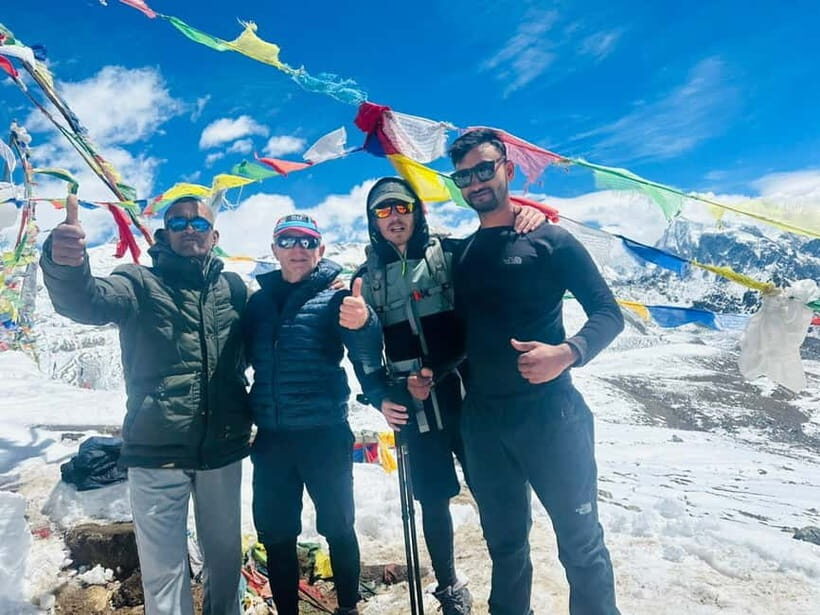
- Guide support feels real, not scripted: Names that show up in guide praise include Padam, Nishan, Rohan, and Adhish, with people specifically calling out safety and a good mood even when conditions get hard.
- Acclimatization days are built in: You’ll get a full rest day in Namche Bazar and another acclimatization day in Dingboche, which can make the high-altitude stretch more manageable.
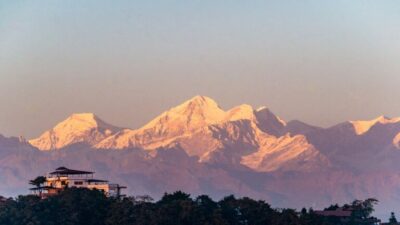
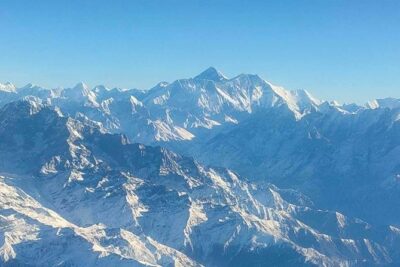
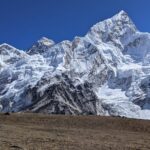
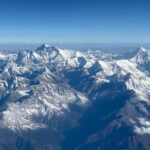
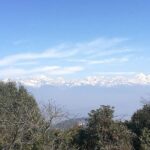
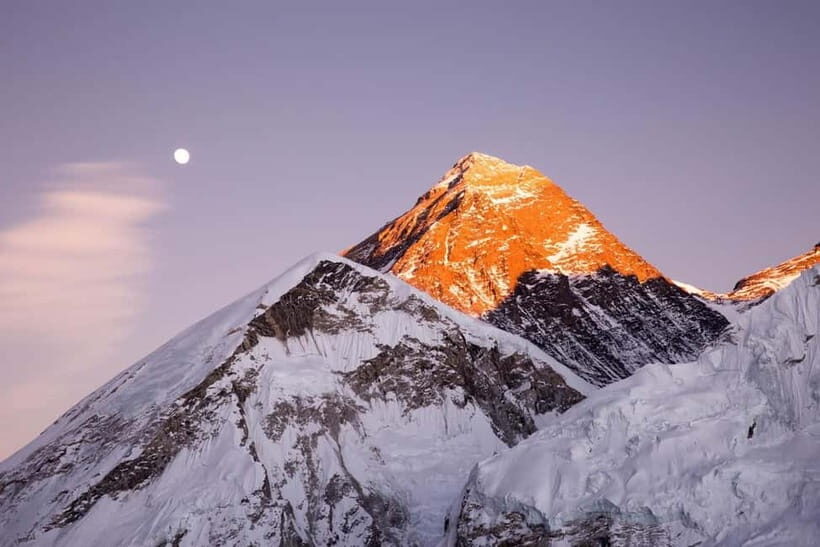
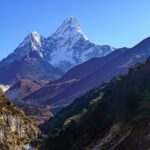
- You’ll see the Khumbu peaks up close: Think Khumbetse, Nuptse, Lingtren, Lhotse, Ama Dablam, and the glacier scenery on the way to Gorakshep.
- Kala Patthar is treated as a must-do: The schedule includes the push to 5,545 meters, where views tend to be the big reward for the climb.
- Your budget needs to cover more than the trek fee: Meals during the trek, drinks, and extra porter help cost extra.
- Tea houses are the plan: Expect simple lodge stays at set altitude towns, not hotel comforts.
From Kathmandu to Lukla: where the adventure begins
Day 1 is travel first, trekking second. You’ll get hotel pickup in Kathmandu (and also from Bhaktapur or Lalitpur), then head to Tribhuvan International Airport for an early flight to Lukla. That early timing matters in Nepal because mountain weather can change quickly, and the trek design relies on getting you started on schedule.
Once you land, you transfer to the trek start point and walk to Phakding for your overnight tea-house lodge. This first day is a helpful way to get your legs working without jumping straight into steep high-altitude climbing.
If you’re thinking about comfort: don’t plan for a lazy warm-up. Lukla is where energy levels begin to matter, and you’ll feel it in your breathing once you start walking, even before you’re at the highest altitudes.
You can also read our reviews of more guided tours in Kathmandu
Phakding to Namche Bazar: your first altitude reality check
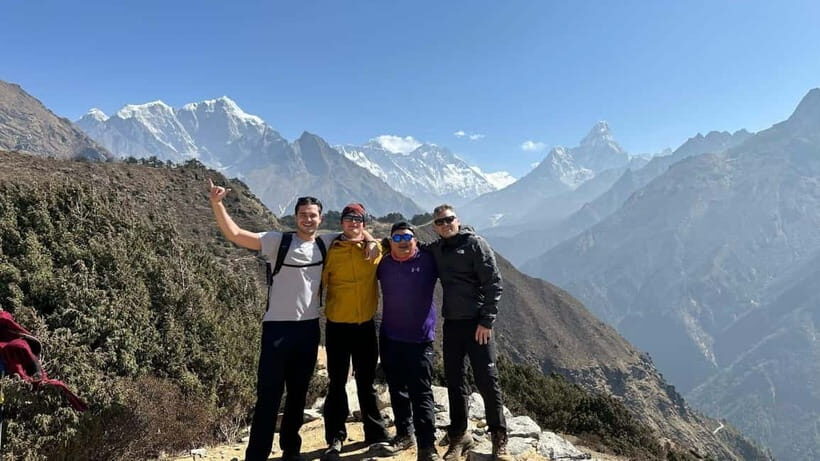
On Day 2, you hike from Phakding to Namche Bazar, reaching about 3,440 meters. Namche is the main gateway town for the Khumbu and a key place to set your routine. The route here teaches you something important: altitude doesn’t just hit at the top. It starts early, in the way you take steps and pace yourself.
You’ll sleep in Namche Bazar that night. This matters because the next day is a planned rest and acclimatization day—so you’re not just arriving and immediately pushing higher.
Namche rest day: how to use acclimatization wisely
Day 3 is a true rest day in Namche Bazar. The point is simple: your body needs time to adjust. You’ll relax in town for a second overnight, letting your breathing settle and helping reduce the risk of feeling wrecked later.
This is also where you slow down your decision-making. When I’m advising friends, I tell them to treat acclimatization days as training days for patience. You’re not failing if you feel tired. You’re learning how your body handles altitude and conserving energy for what comes next.
Tengboche to Dingboche: rhododendron, bridges, and Ama Dablam vibes
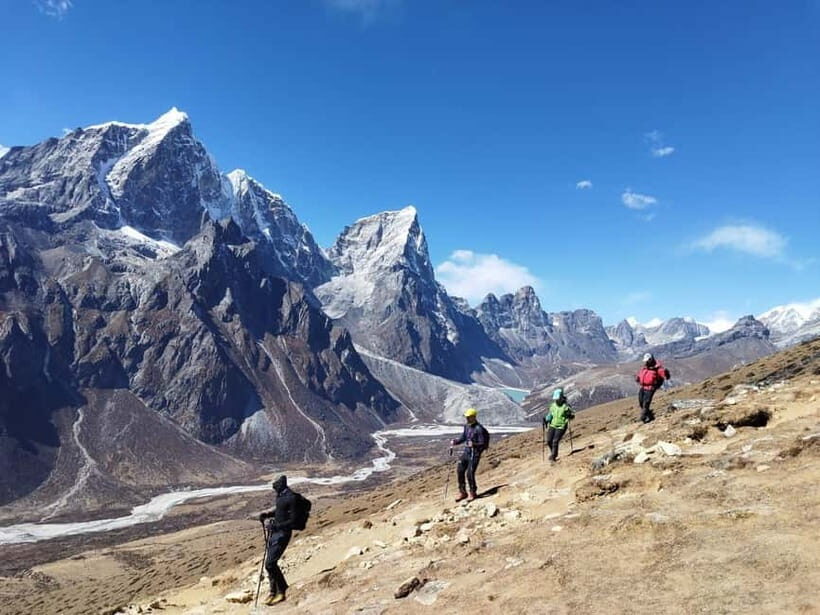
On Day 4, you leave Namche and hike to Tengboche (around 3,867 meters). Tengboche is a highlight stop because it’s often the kind of place where the surrounding peaks feel closer and the air feels sharper. You’ll overnight in Tengboche.
Day 5 shifts the scenery and adds variety. You hike through a rhododendron forest, cross a suspension bridge over Imja Khola, then head toward the Imjatse Valley area beneath major peaks like Ama Dablam, Nuptse, and Lhotse. You finish the day in Dingboche at about 4,260 meters.
This is one of those “you feel the height” days. Trails become more demanding, and the scenery becomes more intense. If you’re prone to rushing, this is where pacing pays off.
Dingboche acclimatization day and the push toward Lobuche
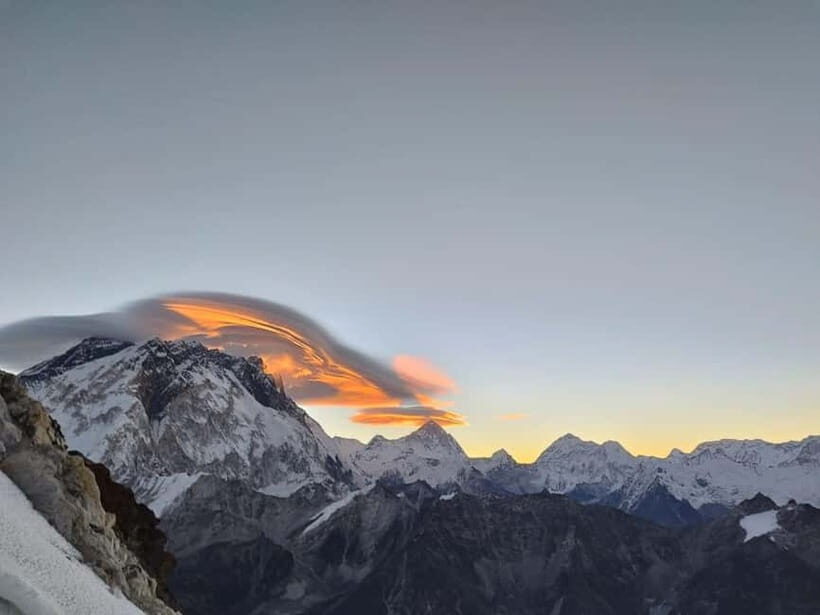
Day 6 is another acclimatization day, again in Dingboche, with an overnight tea-house lodge. This second adjustment day is a big deal. You’re already higher than many people ever climb, and giving yourself time here can make the step up to the Everest region feel less brutal.
On Day 7, you hike toward Lobuche in about 5.5 hours, stopping for lunch in Dugla and then arriving in Lobuche at roughly 4,930 meters. Lobuche is where the trek starts to feel more alpine and more exposed—less village comfort, more mountain intensity.
You can also read our reviews of more hiking tours in Kathmandu
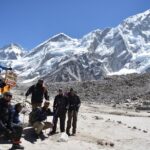
Gorakshep and Everest Base Camp: the 5,364-meter payoff
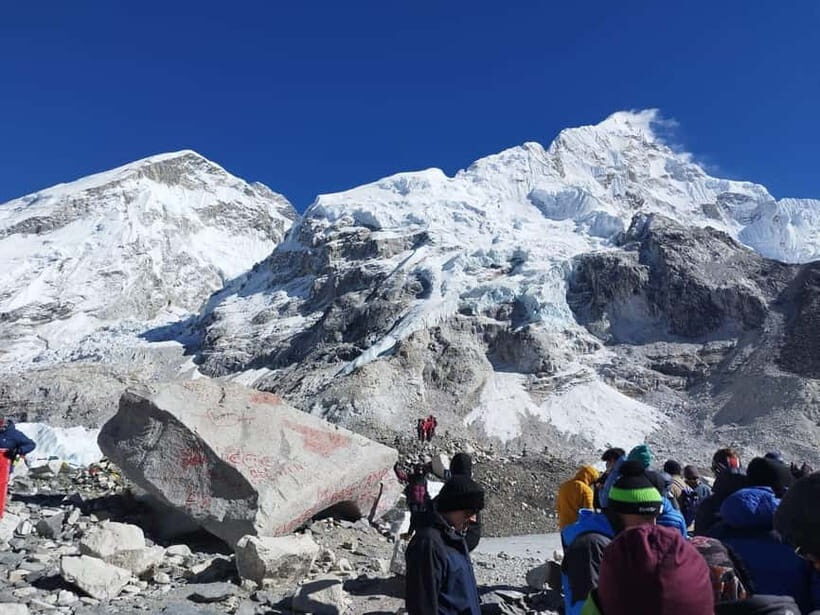
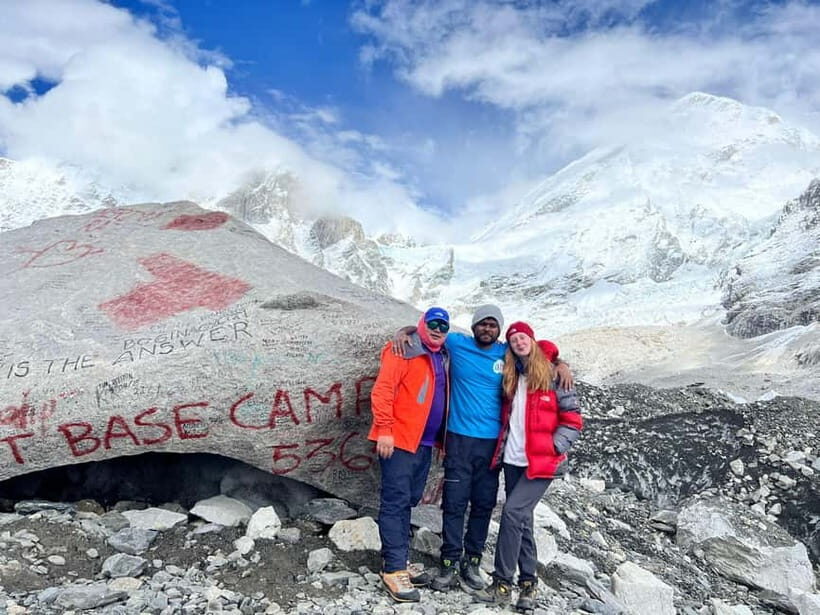
Day 8 is the money day. After breakfast in Lobuche, you trek to Everest Base Camp via Gorakshep. This stretch is described as one of the most rewarding sections, and it’s easy to see why: the rocky paths get more serious, and the views start feeling closer to the actual glacier world.
You visit Everest Base Camp at about 5,364 meters. Even if you’ve seen photos, being there is a different experience—because it’s not about a single view. It’s about scale: the glacier presence, the jagged terrain, and how the mountains dominate the air around you.
Afterward, you head back to Gorakshep for your overnight stay. This is where you want to manage your energy. You’re not just sightseeing—you’re still at altitude, and the next day includes another high viewpoint.
Kala Patthar and Pheriche: big views, big altitude
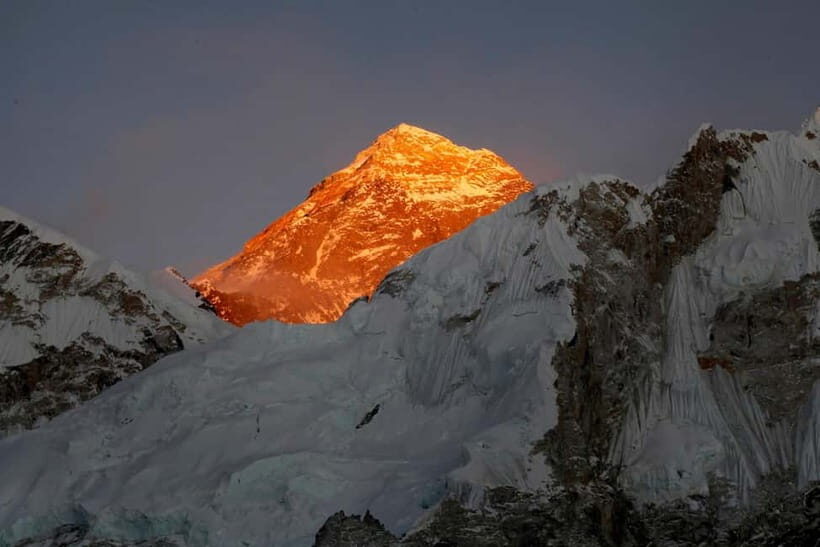
Day 9 focuses on Kala Patthar, reaching about 5,545 meters, then descending to Pheriche at around 4,243 meters for the overnight. Kala Patthar is one of the classic goals of the Everest Base Camp trek, and the schedule gives it a full day of attention.
This is also where you feel how the trek is designed. You go high, you come down, and you don’t ignore recovery. Pheriche is a lower altitude reset compared to Gorakshep and Kala Patthar, which helps your body recover for the final days.
The descent back through the Khumbu villages
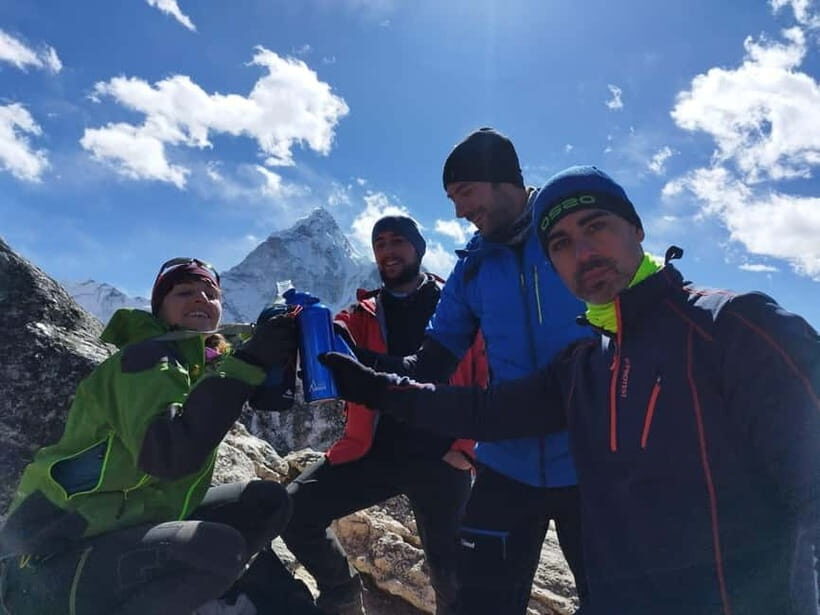
Day 10 starts with a descent from Pheriche back toward Tengboche (around 3,867 meters), then continues onward to Namche Bazaar for the night (about 3,440 meters). Your legs may feel it by now. Descents can be rough on knees and ankles, even when you’re moving into lower altitude.
Day 11 is the final walking leg in the classic flow: you make your way back to Lukla and get a last night there. Once you reach Lukla, the trek stops feeling like a long climb and starts feeling like a journey coming home.
Day 12 brings the end-to-end Nepal experience: an early scenic flight back to Kathmandu, then transfer to your hotel by the tour representative.
Guides and small-group rhythm (and why names keep popping up)
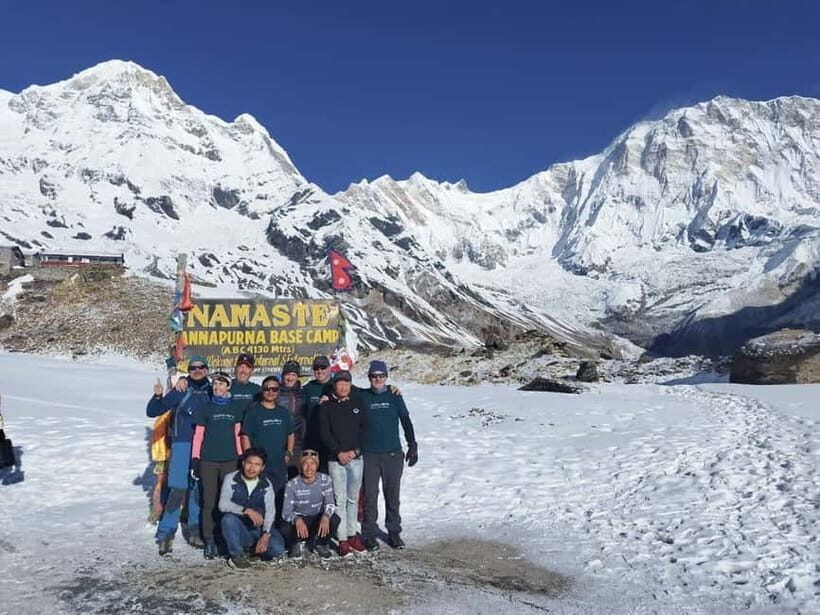
This tour runs with a live guide in English and stays in a small group capped at 15 participants. That combination matters. Higher altitude travel rewards calm communication, quick reassurance, and sensible pacing, and that’s exactly what people describe when they mention guides like Padam and Nishan.
A few specific guide strengths showed up repeatedly in guide praise: people felt safe in difficult moments, and they appreciated humor and positivity during hard stretches. If that kind of leadership is important to you, it’s a strong sign the group dynamic is taken seriously.
You also get guide support in a practical way: the package covers the guide’s salary, food, drinks, accommodation, transportation, and insurance. That’s not just a bureaucratic detail; it reduces the chance you’ll end up with gaps in planning mid-trek.
Price and Logistics: what $1,002 buys you in real terms
At $1,002 per person for 12 days, the value comes from what’s included—not just the big-ticket items.
What’s covered includes:
- Round domestic flights between Kathmandu and Lukla, plus airport transfers
- Lodge/tea-house accommodations during the trek
- Park and permit fees, including Sagarmatha National Park entrance and TIMS card fees
- A guide (and the costs to keep them operating safely)
- Support gear if you request it, like a jacket, sleeping bag, and duffle bag
- Government taxes, VAT, and official service charges
What’s not included:
- Standard meals (breakfast, lunch, dinner) during the trek
- Porter carrying (available at extra cost)
- Alcoholic and non-alcoholic drinks
- Hot showers and internet
- Travel insurance
Here’s how I’d think about the money if you’re deciding. The trek fee is doing a lot of the heavy lifting: transport, permits, and the guide team. Your biggest “extra” is food during the trek, plus drinks if you choose them. If you also want a porter, budget that on top.
Lodges, meals, and the porter option
The overnight stays are tea houses and lodges, meaning you’ll have a consistent base each night rather than camping. That lowers risk and keeps the trek realistic for most people who are physically ready but not set up for wilderness living.
Meals are not part of the standard package. So yes, you’ll eat every day—but you’ll likely be paying for those meals separately. This is normal on the Everest route, and it’s worth planning your daily budget for lunch and dinner costs.
Porter service is available for an additional cost. One porter can assist up to 25 kg for up to two guests. If you’d rather preserve your energy for the climb, it can make a real difference—especially on cold, high-wind days when every extra kilogram feels heavier than you expect.
Packing and gear rules you should not ignore
You’ll need a passport. That’s the hard requirement.
You’re also told not to bring luggage or large bags. The trek works best when you travel light and carry only what you’ll need day to day. The good news: the tour includes jacket and sleeping bag access if required/requested, plus a duffle bag. That can save you from renting or buying everything locally.
Also, manage expectations on comfort: hot showers and internet aren’t included. Tea houses may offer conveniences, but don’t plan your schedule around them.
Who this trek fits best—and who should skip it
This is a high-altitude trek, so it suits people who:
- Can handle several days of hiking at altitude
- Understand that lodges are basic and weather can be serious
- Want a guided experience with permits and planning already handled
- Prefer a small group pace rather than solo chaos
It does not fit people who are pregnant, have heart problems, or use a wheelchair.
If you’re on the edge of fitness, don’t assume the trek is automatically easy. Acclimatization days help, but the schedule still reaches high points like Kala Patthar and Everest Base Camp area.
Should you book this Everest Base Camp trek?
I’d book it if you want a straightforward, guided Everest Base Camp experience with a solid acclimatization plan and a small group cap. The included permits, domestic flights, and tea-house lodging remove the biggest logistics stressors, and the guide praise—especially around safety and staying upbeat—gives confidence that the trek is run with care.
I’d hesitate if you’re sensitive to cold nights in December, dislike basic lodge living, or don’t have a plan for meal costs and drinks during the trek. Also, if you’re not comfortable with the altitude profile, it’s better to choose a lower-altitude trek.
If you decide to go, pack light, follow the pace your guide recommends, and treat the acclimatization days like part of the training plan—not downtime you can ignore.
FAQ
How many days is the Everest Base Camp trek from Kathmandu?
It runs for 12 days total, including trekking days, overnights in tea houses/lodges, and flights back to Kathmandu.
What is the route like from Kathmandu to the trekking start?
You get pickup in Kathmandu (also Bhaktapur and Lalitpur), fly from Kathmandu to Lukla, then start trekking from the Lukla area to Phakding, followed by the classic Khumbu progression toward Everest Base Camp.
How big is the group, and what language is the guide?
The group is limited to 15 participants, and the live guide speaks English.
Are meals included during the trek?
No. Standard meals (breakfast, lunch, dinner) during the trek are not included.
Do I need to bring a passport?
Yes. A passport is required.
Can I bring luggage or large bags?
No. Luggage or large bags are not allowed.
Is travel insurance included?
No. Travel insurance is not included in the package.