REVIEW · HISTORICAL TOURS
Kathmandu Heritage Walk | Heritage Walk of Kathmandu
Book on GetYourGuide →Operated by Breakfree Adventures Pvt. Ltd. · Bookable on GetYourGuide
One quiet temple stop can change your whole day. This Kathmandu Heritage Walk is a smart, low-stress way to see religious landmarks and local shopping streets close together, without getting stuck in only the big-name route. It’s designed for a tight loop around central neighborhoods, so you spend your time looking around, not figuring out logistics.
I especially like the mix of scenes: lively Thamel streets in the first stretch, then a calm reset at Shanti Bihar Stupa. I also like that the pace can work for different ages and energy levels, which really matters on uneven sidewalks in Nepal.
One consideration: it’s not for everyone. The tour isn’t suitable for wheelchair users, pregnant travelers, babies under 1, or people over 70, so plan around comfort and mobility first.
In This Review
- Key stops that make this walk worth your time
- Starting where the city actually breathes: Thamel, then Tahiti
- Thamel’s energy, without turning it into a shopping chore
- Shanti Bihar Stupa: the calm stop that makes the whole itinerary work
- Akash Bhairab Temple in Indrachowk: historic sacred space, close-up
- Gold Souq, craftsmanship, and the smart way to shop (or not)
- Sankata Temple and Mahankal Bhairab: cultural significance in a walking cluster
- Bhotahiti and Annapurna Temple: local flavor plus architectural splendor
- How long is 3.5 hours, really?
- What to bring so the walk feels easy
- Price and value: is $40 for a Kathmandu heritage walk a fair deal?
- Who should book this heritage walk?
- Should you book the Kathmandu Heritage Walk of Kathmandu?
- FAQ
- Where does the Kathmandu Heritage Walk start?
- How long is the tour?
- Is this tour private?
- Are UNESCO World Heritage sites included?
- What’s included in the price?
- What is not included?
- What should I bring?
Key stops that make this walk worth your time
- Thamel start and finish: You get easy context fast, plus a simple return to the same neighborhood.
- Tahiti enclave feel: A change of pace with traditional architecture and modern life in the same frame.
- Shanti Bihar Stupa: A peaceful, symbolic stop that gives your brain a breather.
- Indrachowk’s Akash Bhairab Temple: A historic sacred site with a devout, lived-in atmosphere.
- Gold Souq plus temple cluster: Craft and culture in one route, with stops like Sankata Temple and Mahankal Bhairab.
- Bhotahiti and Annapurna Temple: A local flavor segment that keeps the day grounded before heading back to Thamel.
Starting where the city actually breathes: Thamel, then Tahiti
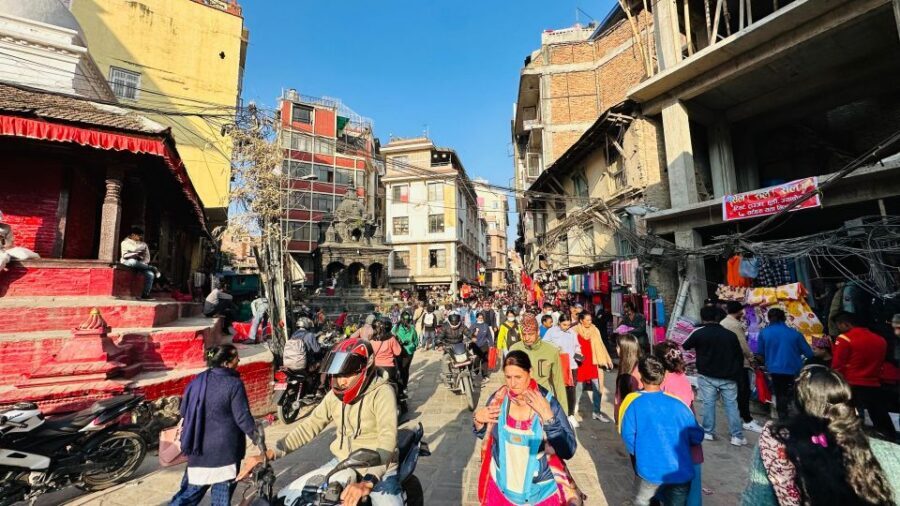
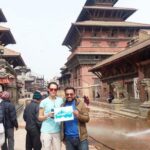
The walk begins at the Breakfree Adventures entrance in Thamel, right in front of Everest Bank Limited. That matters because Thamel is the kind of neighborhood where you can orient quickly, find snacks if you need them, and still feel like you’re walking with real Kathmandu life around you.
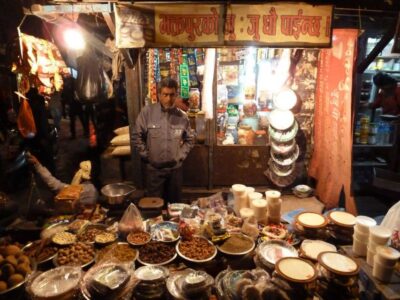
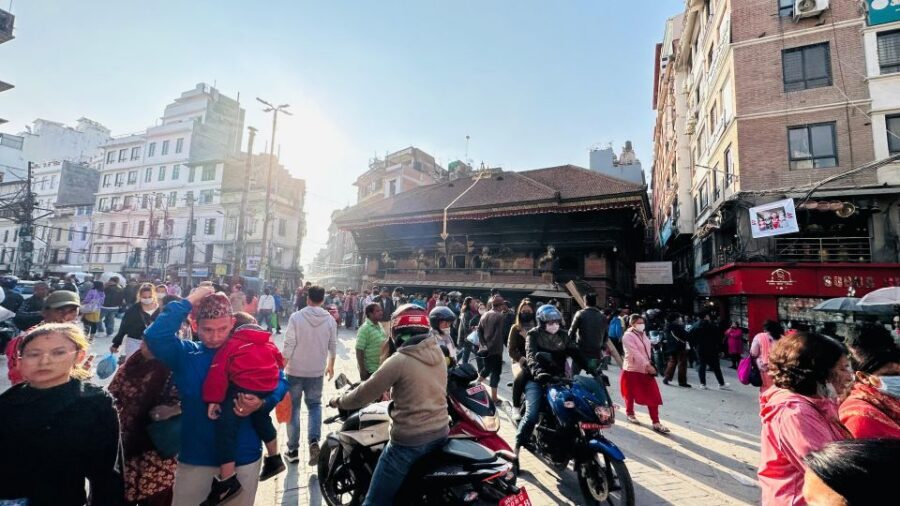
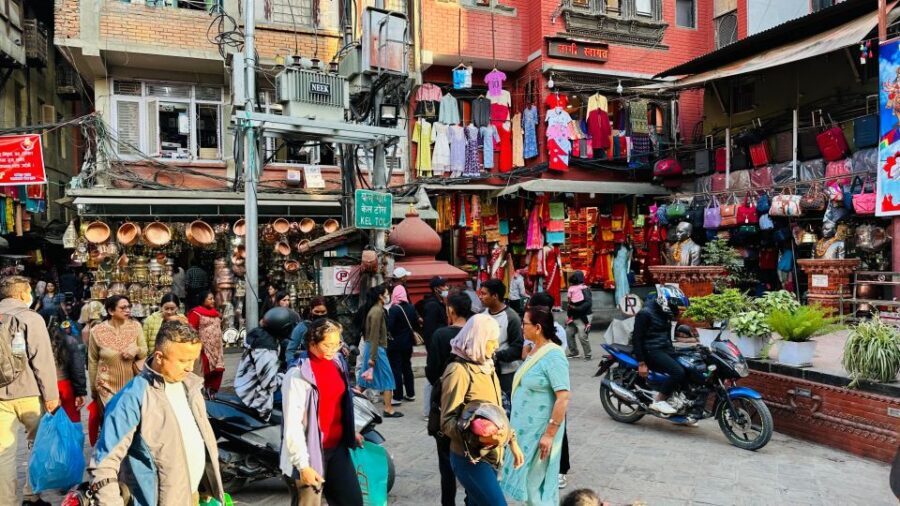
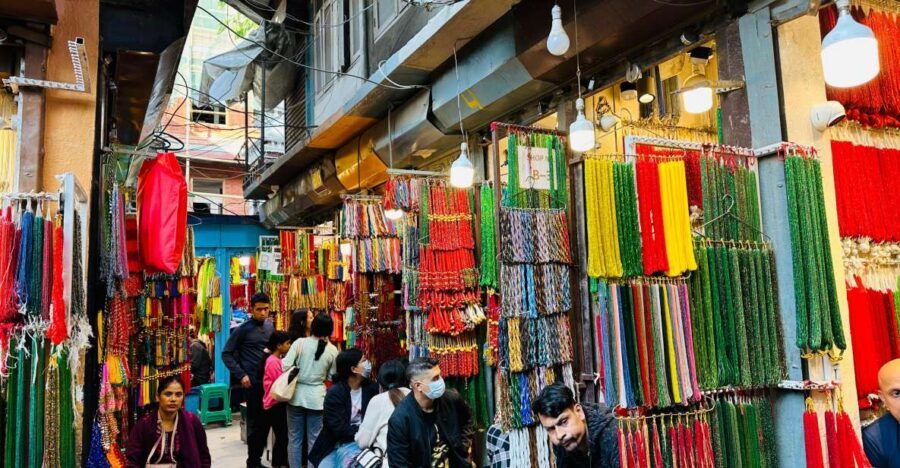
First you’ll move through Thamel’s shop-and-dine streets. This is a good warm-up stretch: you’ll spot how locals use the space day to day, and you’ll get a feel for the rhythm of street commerce before you switch into temple mode.
Then the route turns toward Tahiti, described as a place where traditional architecture and modern charm sit side by side. I like this transition because it doesn’t feel like a hard stop-and-start day. It’s more like: city energy, then a slightly different mood, while still staying central.
You can also read our reviews of more walking tours in Kathmandu


Thamel’s energy, without turning it into a shopping chore
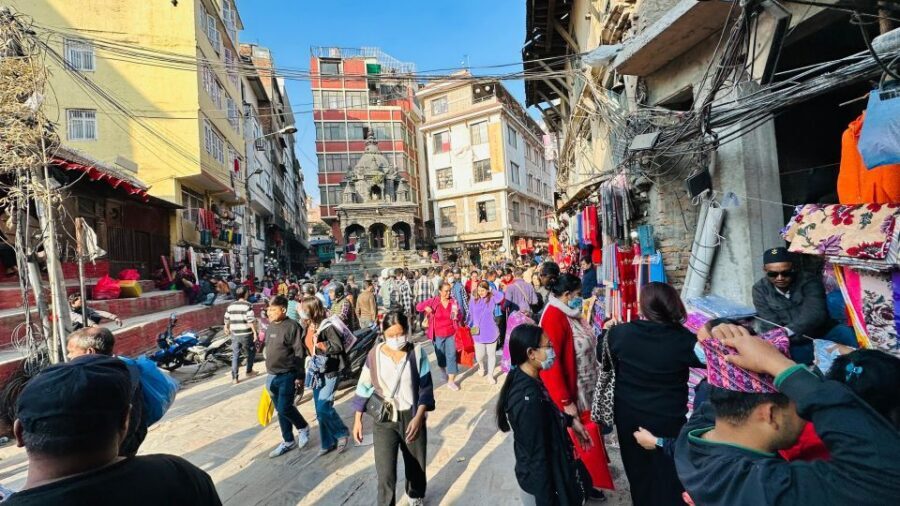
Thamel is famous for a reason, but you don’t have to spend the whole time buying things. In this walk, Thamel is mainly there to orient you and to show you the textures: storefronts, side streets, and everyday movement.
If you’re the kind of traveler who wants to feel the city instead of just taking photos, you’ll like the way Thamel is treated like a lived neighborhood rather than a museum district. And since the tour ends back in Thamel, you can keep exploring after the guide leaves.
Budget tip: Bring a camera and a little cash mindset, but don’t feel pressured to shop. The real value here is understanding why these areas feel the way they do—shops and temples aren’t separate worlds in Kathmandu.
Shanti Bihar Stupa: the calm stop that makes the whole itinerary work
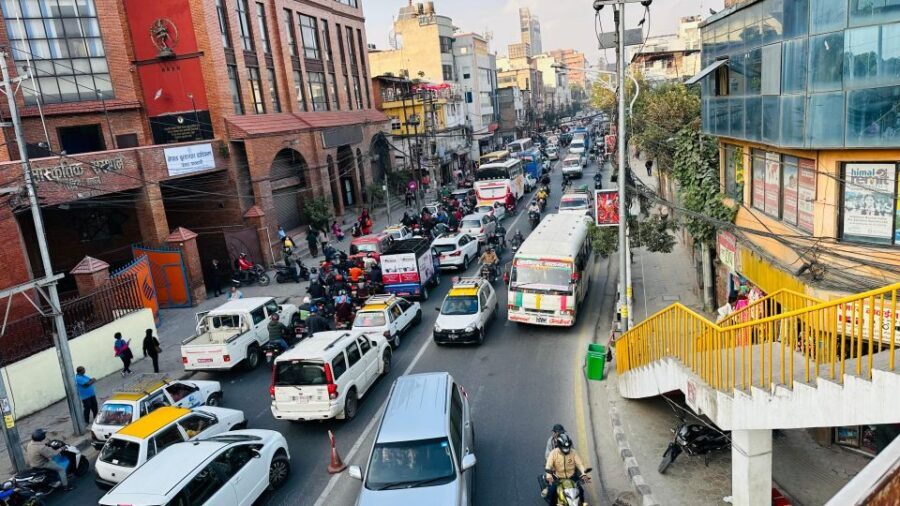
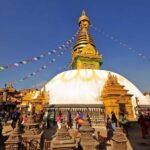
After the louder streets, Shanti Bihar Stupa gives you something rare in a city itinerary: a chance to lower the volume. It’s described as a peaceful oasis amid urban chaos and a symbol of peace, and that energy shift is the point of this section.
This is the stop I’d recommend you treat as a reset. Sit for a few minutes if you want, observe the flow of people, and let the surrounding motion fade a bit. Even if you’re not a temple person, the quiet here helps you process what you’ve already seen.
From a planning point of view, this stop is also smart timing. After several minutes of walking and street stimulation, you get a structured pause before heading into more sacred sites later.
Akash Bhairab Temple in Indrachowk: historic sacred space, close-up
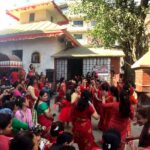
Next comes Akash Bhairab Temple in Indrachowk, a historic sacred site with a devout atmosphere around it. This is where the walk becomes more than sightseeing and starts feeling like you’re in the middle of ongoing daily practice.
I like temple stops that are part of a neighborhood route, not isolated quick photo ops. Here, the guide’s job is to help you notice what you might miss alone—how the place functions as a spiritual anchor for the area, not just a point on a map.
Indrachowk is also a useful segment because it signals you’re in the heart of Kathmandu’s older core. You get a feeling for how dense the sacred landscape is, even when you’re moving on foot.
Gold Souq, craftsmanship, and the smart way to shop (or not)
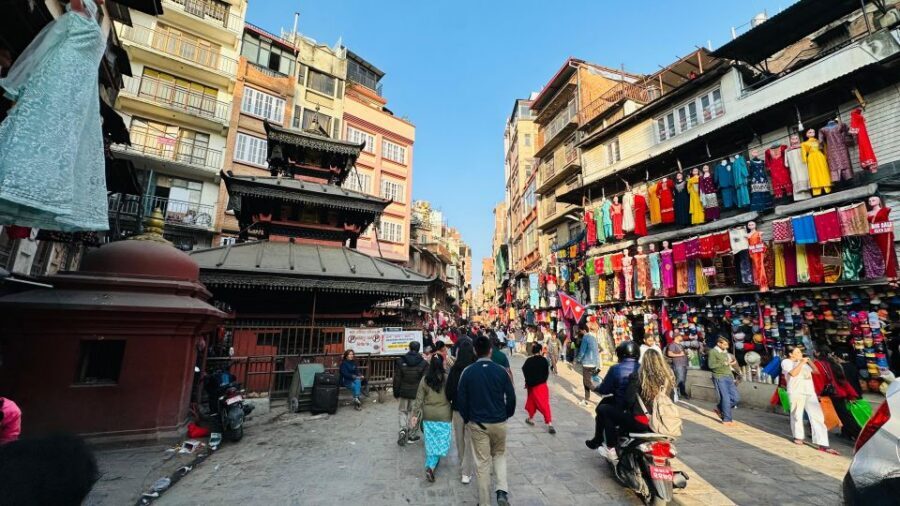
Then you shift into Gold Souq, described as a place for exquisite craftsmanship. This stop changes the focus from ceremony to craft, and it’s a nice balance if you’re tired of temples by mid-day.
The Gold Souq idea is simple: you’ll see how specialized goods connect to the city’s culture of trade. Even if you don’t buy anything, it helps you understand what makes certain Kathmandu streets distinct.
If you do shop, go slowly. Ask questions, compare what’s offered in a couple spots, and don’t rush. For a tour timed at 3.5 hours, you’ll want to enjoy browsing without turning the day into a transaction sprint.
You can also read our reviews of more historical tours in Kathmandu


Sankata Temple and Mahankal Bhairab: cultural significance in a walking cluster
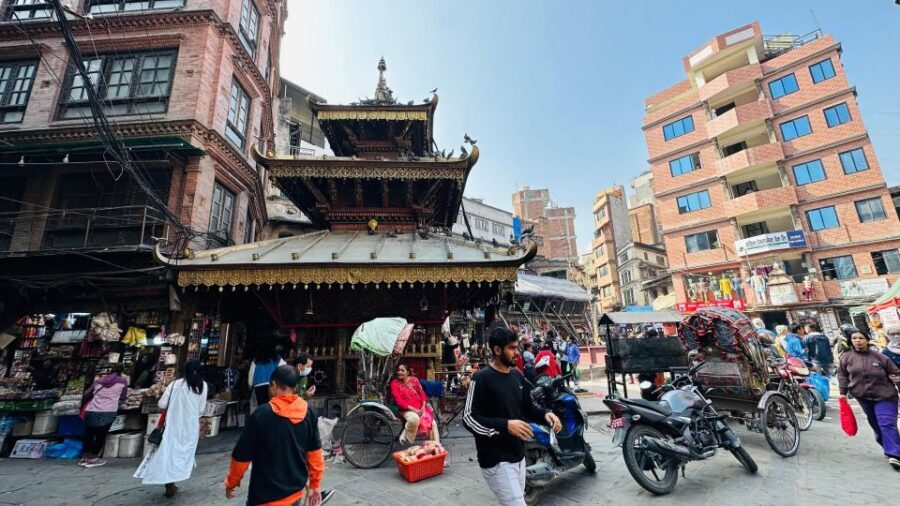
After Gold Souq, the walk continues to Sankata Temple and Mahankal Bhairab. The route treats these as culturally significant sites, which is exactly how they should be approached: as part of a cluster that makes sense only when you see them in sequence.
This section is valuable because it shows how Kathmandu sacred sites sit next to everyday street life. You’ll likely notice the way people move around these places—some with purpose, some just passing—while the area keeps its spiritual identity.
Practical note: temples often mean slower walking and time for respectful behavior. Comfortable shoes help here, and so does having the patience to walk at temple pace instead of city pace.
Bhotahiti and Annapurna Temple: local flavor plus architectural splendor
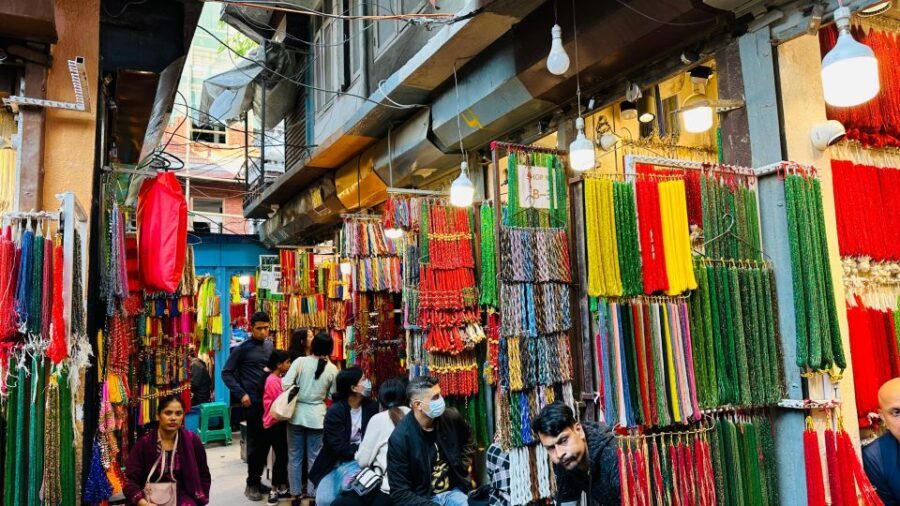
Next is Bhotahiti, described as a locale brimming with local flavor. This is one of those stops that’s less about a single landmark and more about neighborhood feel—how a place carries its daily character.
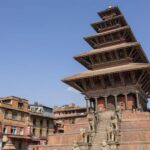
Then you reach Annapurna Temple, highlighted for its architectural splendor in the city center. I like ending the tour with a strong visual anchor because it gives the day a satisfying finish point. You’ll have walked through street life, markets, and several sacred stops, so the architecture lands with more impact.
This ending stretch also sets you up well for whatever you do after. Since you finish back in Thamel, you can head out for dinner, keep wandering, or just take a breather and review photos.
How long is 3.5 hours, really?
The tour lasts 3.5 hours, which is the sweet spot for first-time Kathmandu visitors who still want a real sense of place. You’ll cover multiple stops, but you’re not committing to a full day of walking and heat.
Private group format matters here. With a smaller setup, you can move at the pace your guide sets, and the walk can feel less like a conveyor belt. Past guests have specifically praised guides such as Martin for choosing a pace that covers a lot of ground without becoming strenuous, and Madan for being professional, efficient, and pleasant.
If you’re traveling with someone who tires easily, this structure is a practical win. It’s also a good option if you want to ask questions and actually get answers without feeling rushed.
What to bring so the walk feels easy
You’ll want to show up ready for walking and weather shifts. Bring comfortable shoes, a camera, and comfortable clothes you can move in. An umbrella is smart here, and you’ll also need passport per the activity info.
The tour also asks for a face mask or protective covering. Even if you use it only part of the time, having one in your daypack keeps you prepared.
And because it’s a short tour, don’t overpack. Water is provided (1000ml mineral water), so you can keep your bag light and focused on comfort.
Price and value: is $40 for a Kathmandu heritage walk a fair deal?
At $40 per person, this is priced like a straightforward guided experience rather than an all-day, full-scope excursion. The value comes from three things you actually feel during the walk: a government certified guide, 1000ml mineral water, and service charge included.
You’re also paying for time efficiency. In a 3.5-hour window, the route hits Thamel, Tahiti, Shanti Bihar Stupa, Akash Bhairab Temple, Gold Souq, Sankata Temple and Mahankal Bhairab, Bhotahiti, Annapurna Temple, and a local market segment. That’s a lot of “on-foot Kathmandu” for one guided block.
What’s not included matters too. Transportation, meals, and drinks are not part of the price, so you’ll want a plan for snacks or a meal afterward. Personal expenses are also on you, so if you’re buying items in Gold Souq or local markets, budget accordingly.
If you’re comparing options, this one makes sense if you want a guided overview that stays off UNESCO-only highlights. If your goal is specifically UNESCO World Heritage sites, this tour explicitly does not include them.
Who should book this heritage walk?
This is a strong fit for:
- First-time visitors who want a compact route with temples plus neighborhood markets
- Travelers who prefer a guided walk over self-navigation through central Kathmandu
- People who want a route that includes both calm and energy, thanks to Shanti Bihar Stupa and the Thamel market street segments
- Anyone comfortable walking short-to-medium distances on city sidewalks
It’s not suitable for:
- Wheelchair users
- Pregnant women
- Babies under 1 year
- People over 70 years (and also over 95)
If you’re in the older end of that range, confirm your comfort level with the operator before booking, especially given uneven ground around temples and local streets.
Should you book the Kathmandu Heritage Walk of Kathmandu?
I’d book it if you want an efficient, human-scale way to experience central Kathmandu—Thamel energy, a quiet stupa reset, sacred sites around Indrachowk, plus Gold Souq craftsmanship and a local market finish. The private group setup is a practical plus, and the guides named in past bookings (like Madan and Martin) stand out for professionalism and a pace that doesn’t turn into a grind.
Skip it if your priority is UNESCO World Heritage sites, because this route doesn’t include them. Also skip it if mobility or comfort is a major concern for your group, since it’s not designed for wheelchair access and has age-based unsuitability.
If you’re ready for a 3.5-hour walk that mixes culture, shopping streets, and temple stops in one smooth loop, this is a good-value way to start your Kathmandu days.
FAQ
Where does the Kathmandu Heritage Walk start?
The tour starts at the Breakfree Adventures entrance in Thamel, in front of Everest Bank Limited.
How long is the tour?
The tour lasts 3.5 hours.
Is this tour private?
Yes. It’s listed as a private group, with a live English-speaking guide.
Are UNESCO World Heritage sites included?
No. UNESCO World Heritage sites are not included in this exploration.
What’s included in the price?
Included items are a government certified guide, 1000ml mineral water, and service charge.
What is not included?
Transportation (if needed), meals and drinks, and personal expenses are not included.
What should I bring?
Bring a passport, comfortable shoes, an umbrella, a camera, comfortable clothes, and a face mask or protective covering.