REVIEW · EVEREST BASE CAMP TREKS
Everest Base Camp Trek and Kathmandu Tour: 15 Days
Book on Viator →Operated by Attractive Travels and Tours Pvt. Ltd. · Bookable on Viator
There’s something about Everest that makes everything else feel quieter. This 15-day mix of Kathmandu culture and the Everest route gives you both the spiritual lead-in and the mountain payoff: temple days, a thrilling flight to Lukla, Sherpa villages, and big viewpoint moments like Kala Patthar. I like that the plan is built around realistic pacing and acclimatization, not just rushing to the highest goal.
What really helps is the human side: you’ll travel with a government license holder trek guide, and in past trips the team has been praised for being professional and attentive, including an experienced guide named Mr. Rajan and a kind, strong porter. My only caution is practical—this trek depends on weather, and the package is non-refundable if you cancel for personal reasons.
In This Review
- Key highlights worth noticing
- Kathmandu first: UNESCO temples and the pace shift you need
- Swayambhunath (Monkey Temple)
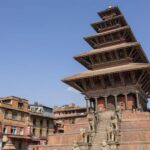
- Patan Durbar Square
- Pashupatinath Temple and the Bagmati River
- Boudhanath Stupa
- The roller-coaster flight to Lukla: why it matters for your whole trip
- Lukla to Namche Bazaar: bridges, rhododendron woods, and your first real altitude lesson
- The walk to Namche Bazaar
- What I like about Namche for first-timers
- Namche rest day: acclimatization you can actually use
- Tengboche and its big monastery moment
- Dingboche and Lobuche: when the altitude ramps up
- Dingboche views and trail feel
- Lobuche: memorial stupa energy and harder walking
- Gorak Shep to Everest Base Camp: glacier paths and the dream step
- Everest Base Camp moment
- Kala Patthar: sunrise-style views without the chaos
- Why I think this schedule is good
- The return: Namche down to Lukla, and why “easy” still isn’t nothing
- Day 12: descending toward Namche
- Day 13: back to Lukla
- Day 14: fly to Kathmandu early
- Price and logistics: what $1,799 buys you (and what it doesn’t)
- What’s included (the big value items)
- What’s not included (budget hits to plan for)
- How to prepare: moderate fitness, but bring your essentials
- Who should book this Everest Base Camp + Kathmandu combo
- Should you book Attractive Travels and Tours for this 15-day Everest trip?
- FAQ
- What locations are included in this tour?
- Is the Everest National Park permit included?
- What does the price include versus exclude?
- How do the flights to Lukla work?
- Do I get a porter for the trek?
- What if the trek is canceled due to poor weather?
- How many travelers are in a group?
Key highlights worth noticing
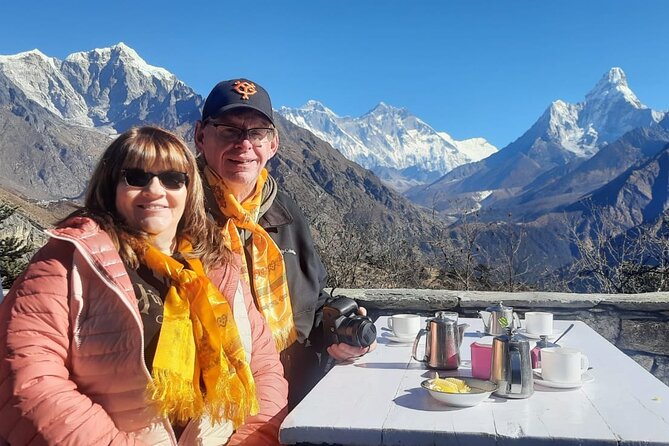
- Small group size (up to 15) keeps the trek feel manageable and reduces logjam on key trails.
- Kathmandu UNESCO sites on arrival day(s) give you cultural momentum before you head for altitude.
- Airport-to-trek flow is handled end-to-end: airport transfers, Lukla flights, and Kathmandu return.
- Kala Patthar viewpoints are scheduled for summit-style perspective days, not a random afterthought.
- Porter support is included (baggage carry for two guests per porter), so you’re not dragging everything uphill.
- Weather and minimum-traveler rules can affect dates, which matters if you’re on a tight schedule.
Kathmandu first: UNESCO temples and the pace shift you need
I like starting in Kathmandu because it helps you adjust to Nepal before you start working at altitude. Day 1 is straightforward: you land at Tribhuvan International Airport, get picked up, check in, and get a breather.
Then comes the cultural warm-up, which is surprisingly useful. Your sightseeing on Day 2 hits four major stops that feel different from each other, so the city doesn’t blur into one long block of sameness:
You can also read our reviews of more hiking tours in Kathmandu
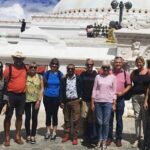
Swayambhunath (Monkey Temple)
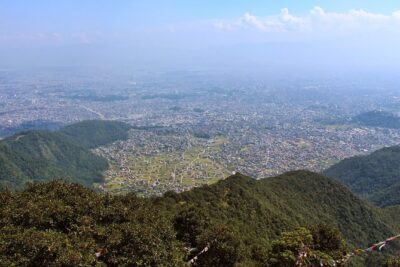
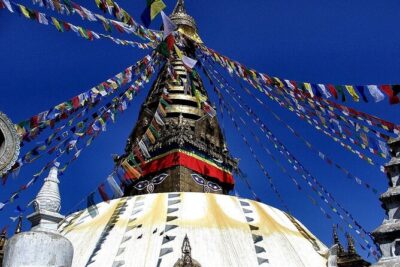
This hilltop temple complex is a great way to get your bearings fast. You’ll be on foot for the walkups and viewing spots, and you’ll likely see monkeys around the area. Even if you’re tired from travel, this is the kind of site that rewards wandering slowly.
Patan Durbar Square
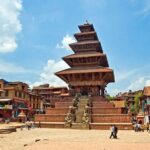
Patan is often less crowded than some other city-center heritage zones, and it’s known for fine arts. Your time here is shorter (about an hour), but it’s a solid taste of royal-era architecture and temples. Entrance fees for Patan Durbar Square are not included, so budget that extra cost.
Pashupatinath Temple and the Bagmati River
This is a major Hindu pilgrimage site dedicated to Lord Shiva. One reason it stays with people is the nearby Bagmati River, where you may witness a Hindu cremation ceremony by the riverbank. It’s powerful, and it’s also something you should approach with sensitivity and calm.
Boudhanath Stupa
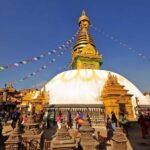
Then you shift to Buddhism at Boudhanath, noted as one of the largest Buddhist temples in Nepal and the second largest in the world. If you like watching prayer rituals and quiet movement around a stupa, you’ll probably enjoy this stop.
Trade-off to consider: the sightseeing day is packed into a set schedule, so if you hate group marching, you might feel rushed. Still, it’s a good trade before the long trek begins.
The roller-coaster flight to Lukla: why it matters for your whole trip
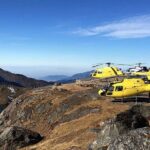
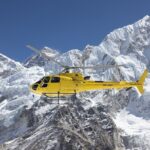
On Day 3, you fly from Kathmandu (or Ramechhap) to Lukla, then begin trekking to Manjo. The flight is often described with the right word: dramatic. You’re landing in a high-mountain airstrip environment, and the aircraft approach can feel intense.
That matters because it sets the tone for what comes next. After you land, you start walking, and the trek takes over. Instead of just thinking about Everest, you’re already moving in the Khumbu region’s rhythm—stepping from village to village, at least at first with less altitude stress.
Practical note: flight schedules can shift with weather. The good news is that your package includes the flights both ways, so you’re not piecing together logistics day-by-day.
Lukla to Namche Bazaar: bridges, rhododendron woods, and your first real altitude lesson
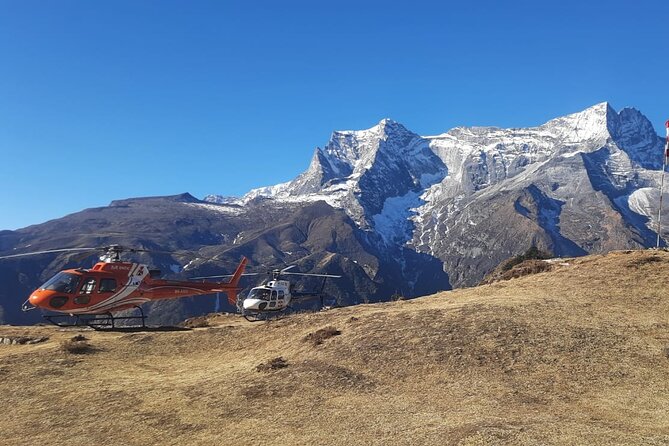
Your trek from Lukla onward brings you into the Everest corridor where you’ll notice two things quickly: the trail is busy enough to feel alive, but not crowded like an urban hike; and the environment changes as you climb.
The walk to Namche Bazaar
On Day 4, after trekking from Manjo, you reach Namche Bazaar. Expect bridges and forested sections—rhododendron, magnolia, and fir trees are mentioned for this stretch. This is the part of the trip where you can still feel like you’re on a hike, not a medical test.
Namche itself is a high-altitude hub in a bowl-shaped area. It’s a place where tea houses, gear shops, and local community life all mix. It’s also where altitude starts to feel real.
What I like about Namche for first-timers
Even if you’re excited to push higher, the plan gives you a reason to pause. That leads into the next day of acclimatization.
Namche rest day: acclimatization you can actually use
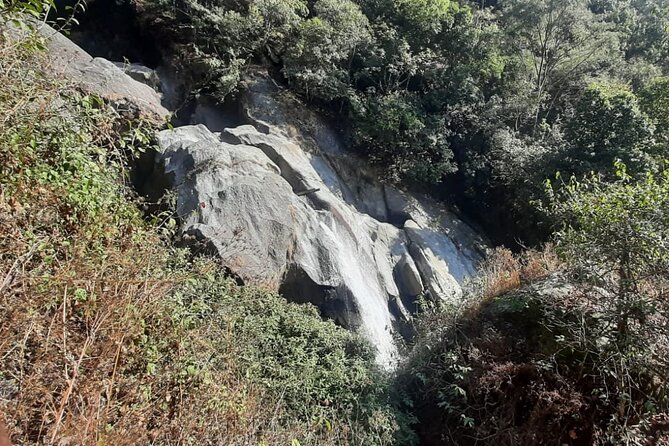
On Day 5, you stay in Namche Bazaar to adjust. This is smart. At altitude, your goal isn’t just to survive; it’s to feel enough like yourself to keep moving safely.
A rest day also gives you time to explore the town without the pressure of a long-distance trek. You can wander, hydrate, and let your body catch up. If you’ve ever tried to climb too fast on Everest-style altitude, you know how quickly things can go sideways. A planned pause is the difference between a trip that feels hard and a trip that feels scary.
Possible drawback: even resting still costs energy. You’ll likely be walking around more than you think, and sleep can be light at this height. Pack your patience.
Tengboche and its big monastery moment
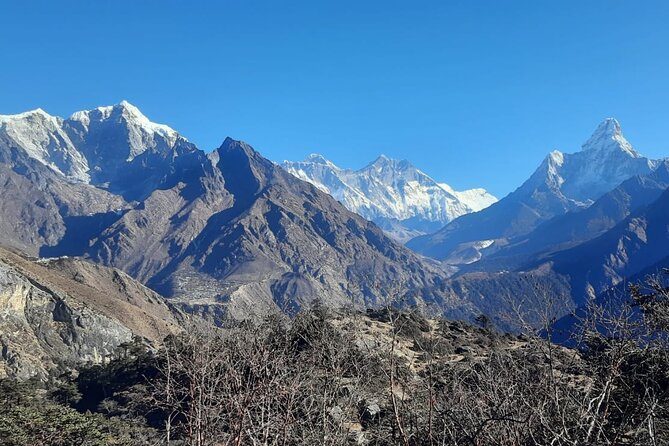
On Day 6, you continue toward Tengboche via Phunki, climbing up from there to the village of Tengboche. It’s described as an easy walk until Phunki, which is exactly what you want in the middle of the route: a gradual progression that lets your lungs catch up.
Tengboche is where many people feel the Everest region switch from “trail” to “experience.” The famous Tengboche monastery is your main cultural anchor here. If you like mountain-and-spirituality combos, this stop is a highlight.
Why it works: the view opportunities in this zone tend to be strong, and having a monastery visit breaks up the monotony of walking uphill for days.
Dingboche and Lobuche: when the altitude ramps up
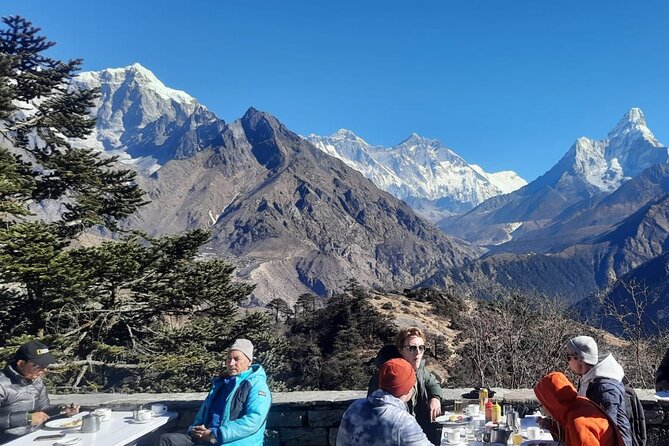
Days 7 and 8 move you toward higher, more demanding territory.
Dingboche views and trail feel
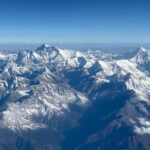
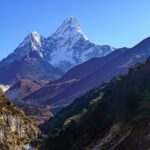
On Day 7, you descend a bit, passing birch forests and rhododendron trees. You also get strong mountain sightlines—Everest, Lhotse, and Ama Dablam are mentioned as visible during this section. You’re not just moving upward here; you’re learning how quickly conditions can change.
The big thing about Dingboche is that it’s a staging point where you notice you’re not in the low-country anymore. Air feels thinner, and even small exertion can take longer.
Lobuche: memorial stupa energy and harder walking
On Day 8, the trek becomes more challenging because you’re higher. You’ll pass Dungla and reach Lobuche, where memorial stupas are part of the scene. These aren’t just decoration—they remind you that this region has real risks and a long history of mountain tragedies and rescues.
What to watch for: “harder from here on forth” is not marketing fluff. Expect steeper and more demanding effort, and keep your pace steady.
Gorak Shep to Everest Base Camp: glacier paths and the dream step
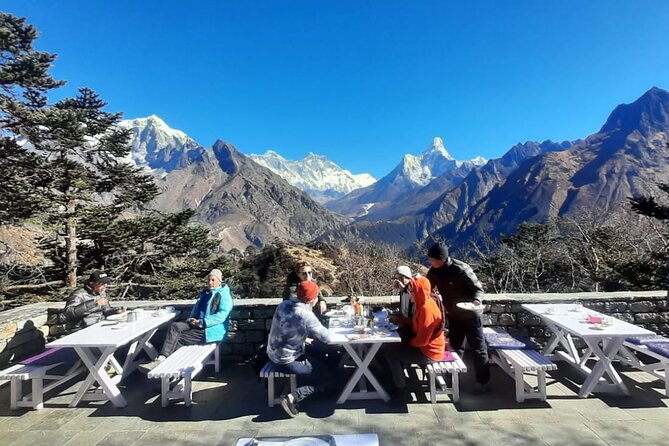
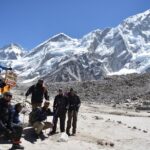
On Day 9, you reach Gorak Shep and continue toward Everest Base Camp. The route is described as mostly ascending and descending on glacier path terrain, with rough, meandering sections.
That’s important: the walking feels different than typical hiking. Even when the pace is controlled, glacier-path terrain can be uneven and mentally tiring. You’ll feel it most if you go too fast early.
Everest Base Camp moment
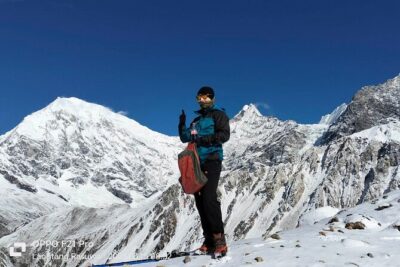
On Day 10, you arrive at Everest Base Camp and also plan a climb toward Kala Patthar. The route mentions a fairly steep trail at a comfortable pace, plus a summit-style viewpoint. From there, you can expect views of peaks like Lingtren, Khumbutse, and Changtse.
This day is the reward engine. You’re finally in the Everest zone where the name stops being abstract.
One consideration: base camp area conditions can be cold and windy. Bring layers and be ready for weather to change quickly.
Kala Patthar: sunrise-style views without the chaos
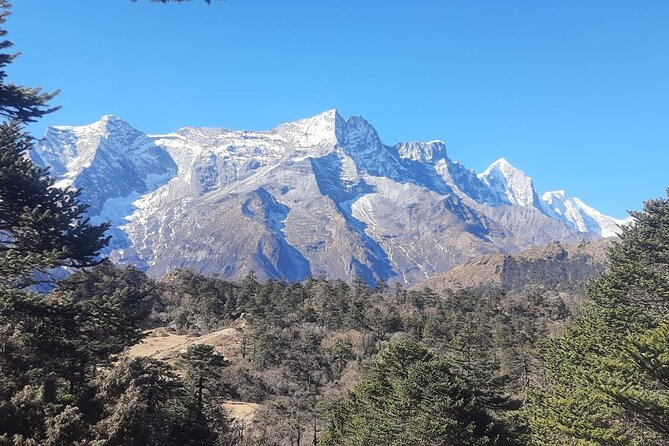
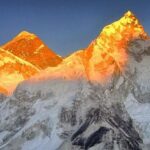
Day 11 includes a morning hike to Kala Patthar to watch sunrise. The description focuses on the sun rising from behind the Mount Everest massif, making peaks appear golden. That type of color shift is exactly why people plan extra time here.
Why I think this schedule is good
A sunrise climb gives you a clear goal that’s worth the early start. It also reduces the chance you’ll spend daylight hours “hoping for views” while the weather decides your fate.
The trade-off is that you’ll be tired afterward. Cold mornings and early starts drain energy. If you’re prone to getting grumpy when sleep is short, plan for it now.
The return: Namche down to Lukla, and why “easy” still isn’t nothing
When people talk about Everest Base Camp, they focus on the upward trek. But the return matters just as much.
Day 12: descending toward Namche
On Day 12, you return from the Everest area and walk a trail with ups and downs, losing nearly 2,000 feet in altitude. You’ll cross a bridge over the Dudh Koshi River and descend through rhododendron sections.
This can feel like a recovery day, but your legs still get tested. Downhill wears out knees and calves. Taking your time matters here.
Day 13: back to Lukla
On Day 13, you descend on a rocky path and cross suspension bridges before moving on more surfaced walking to Lukla. The air tends to feel warmer as you go lower, and that can be a psychological relief too.
Day 14: fly to Kathmandu early
On Day 14, your flight departs for Kathmandu early. Then you’re escorted back to your hotel and the rest of the day is free for any remaining exploring plus a farewell dinner.
This is a good way to end the trek: you get closure without dragging the logistics into the final hours.
Price and logistics: what $1,799 buys you (and what it doesn’t)
At $1,799 per person for 15 days, this isn’t a budget hike, but it also isn’t trying to be one. For that price, you’re getting a lot of the expensive, time-consuming parts handled:
What’s included (the big value items)
- Airport arrival and departure in Kathmandu
- Everest National Park permit
- Flights Kathmandu (or Ramechhap) to Lukla and return
- A government license holder trek guide
- Porter support: baggage for two guests per porter (1 porter)
- 3 nights hotel in Kathmandu with breakfast
- Kathmandu UNESCO World Heritage sites tour
- Meals during the trek: breakfast (13), lunch (11), dinner (11)
When you add those elements up, the price starts to make sense. The biggest costs on Everest routes are permits, flights, and guiding/crew time. This package wraps them together so you’re not coordinating everything yourself while also managing your schedule at altitude.
What’s not included (budget hits to plan for)
- Travel insurance (you’ll need it)
- Kathmandu UNESCO entrance fees: $20 per person
- Alcoholic beverages and drinks beyond a cup of tea a day
- Trekking equipment (you bring it)
- Visa for Nepal
My advice: if you don’t already own trekking poles, a proper pack, rain layers, and warm base layers, factor the equipment cost in before you commit.
How to prepare: moderate fitness, but bring your essentials
This tour is aimed at people with moderate physical fitness. That doesn’t mean it’s easy—it means you should be able to hike daily at altitude and keep a steady pace without sprinting.
Since trekking equipment isn’t included, I’d treat your packing list as part of the success plan. At minimum, plan for:
- warm layers for cold mornings (especially around Kala Patthar),
- rain protection,
- sturdy boots/shoes and socks you trust,
- and trekking poles if you use them.
Also, you’ll want to be ready for the altitude reality: fatigue can hit even if your legs feel strong. Hydrate, follow your guide’s pace, and don’t try to “prove” anything on summit-view days.
Who should book this Everest Base Camp + Kathmandu combo
This makes sense if you want two types of travel satisfaction in one trip:
- You want Everest that includes real viewpoint days like Kala Patthar, plus time in the base camp zone.
- You also want to start with Kathmandu’s major spiritual sites rather than arriving and staring at a hotel wall for two days.
- You appreciate a group format with limited size (max 15) and clear coordination.
If you’re the kind of traveler who hates group schedules and hates following a guide, you might feel boxed in. But if you like knowing the plan and focusing on the walking, it’s a strong fit.
Should you book Attractive Travels and Tours for this 15-day Everest trip?
I’d recommend this route if you want a well-run package that handles flights, permits, guiding, porter support, and Kathmandu heritage time in a single bundle. The best part, based on the trip feedback tied to this operator, is the professional attention and the fact that named staff like Mr. Rajan have guided people effectively, with a porter team that’s described as kind and strong.
Don’t book it if you’re on a tight schedule where a weather disruption could wreck your plans. This experience requires good weather, and that’s not a small detail—it’s the whole game in the Everest region.
FAQ
What locations are included in this tour?
This experience includes Kathmandu, Nepal, plus the Everest Base Camp trekking route in Nepal’s mountain region. You’ll also fly to Lukla from Kathmandu or Ramechhap and return by flight.
Is the Everest National Park permit included?
Yes. The Everest National Park permit is included in the tour.
What does the price include versus exclude?
Included: airport arrival/departure, Lukla flights and return flights, a government license holder trek guide, hotel nights in Kathmandu with breakfast, the Kathmandu UNESCO World Heritage sites tour, porter support for baggage, and meals during the trek. Not included: travel insurance, Kathmandu UNESCO entrance fees ($20 per person), alcohol and other drinks beyond a cup of tea a day, trekking equipment, and Nepal visa.
How do the flights to Lukla work?
You fly from Kathmandu or Ramechhap Airport to Lukla Airport, and then fly back to Kathmandu on the return day. The tour description also notes that flights are part of the package.
Do I get a porter for the trek?
Yes. A porter is included for baggage, with the description stating 1 porter for 2 guests.
What if the trek is canceled due to poor weather?
The experience requires good weather. If it’s canceled due to poor weather, you’ll be offered a different date or a full refund.
How many travelers are in a group?
The tour has a maximum of 15 travelers.