REVIEW · COOKING CLASSES
Local Women Led Nepali Cooking Class
Book on GetYourGuide →Operated by Namaste Cooking School · Bookable on GetYourGuide
Thamel’s kitchen turns cooking into a cause. In this Namaste Cooking School session, I love how women lead the class and how your meal is built from farm-to-table ingredients. You also get a clear sense that the food lesson connects to real people and real change.
One watch-out: hotel pickup isn’t included in the base price, even though pickup service is available. Plan on getting yourself to the school, or confirm options ahead of time.
In This Review
- Key things I think you’ll care about
- Inside Namaste Cooking School: a Thamel class with a mission
- What a 3-hour session feels like, from welcome to lunch
- The flavors: how farm-to-table sourcing changes what you taste
- Menu options: entree to main to dessert (and why that’s a win)
- Women-led cooking: what empowerment looks like in practice
- Small-group size and English instruction: how you’ll get help
- Your take-home goodies: recipe booklet and certificate
- Price and value: what $30 buys you in Thamel
- Pickup and getting there: plan for the last mile
- Who this class is best for
- Should you book Namaste Cooking School?
- FAQ
- How long is the Namaste Cooking School class?
- Where is the class located?
- What is the price per person?
- Is it a small group?
- Is the instruction available in English?
- Is lunch or dinner included?
- What’s included in the price?
- Is hotel pickup and drop-off included?
- Can I cancel and get a refund?
Key things I think you’ll care about
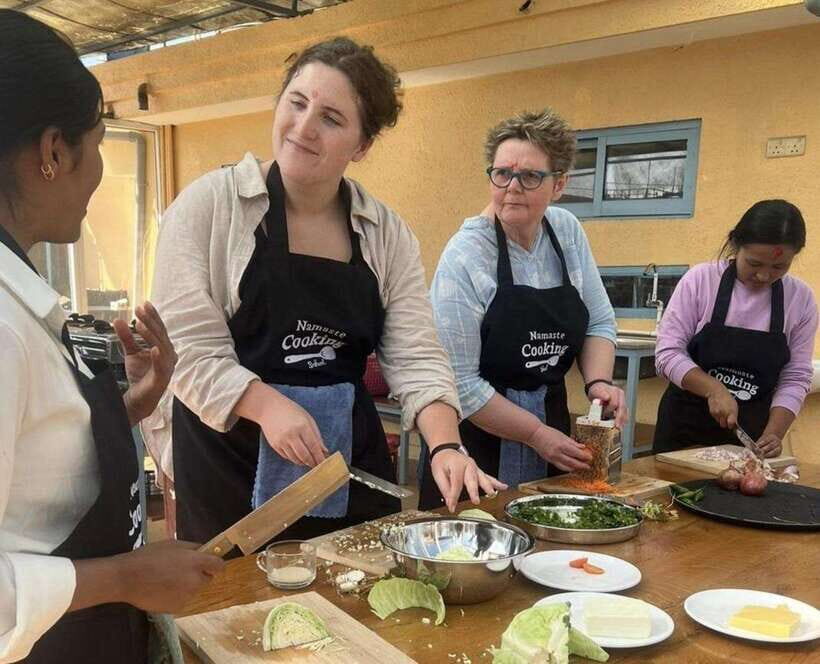
- Women-led, empowerment-focused cooking: your hands-on meal supports the school’s mission.
- Farm-to-table sourcing: local farmers are part of the story behind the flavors.
- Small group size (max 8): more attention while you cook, not just watch.
- 3 hours with an included meal: you eat what you make, plus you leave with extras.
- English instruction: built for visitors who want straightforward guidance.
- Clear course structure: expect options spanning entree, main course, and dessert.
Inside Namaste Cooking School: a Thamel class with a mission
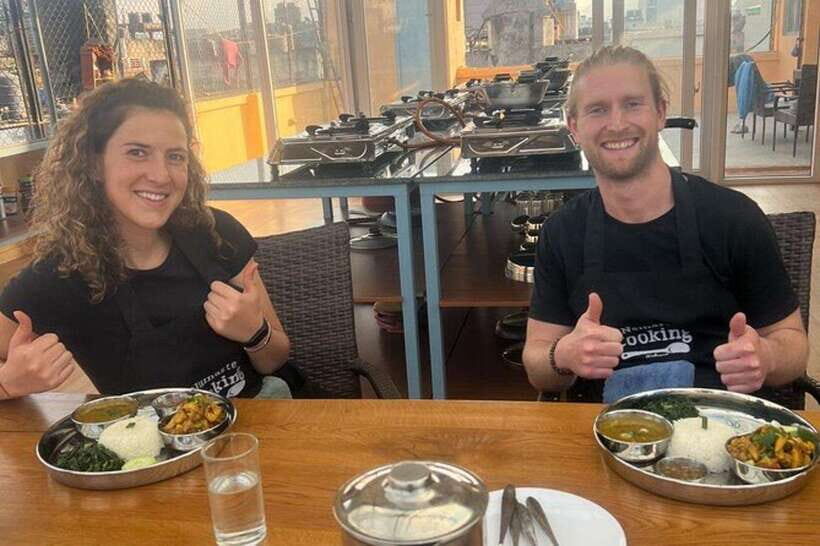
I’ll be honest: most cooking classes are just about the food. This one adds something extra without turning weird or preachy. Namaste Cooking School is in the heart of Thamel, so you’re not trekking to some remote location. You get to roll up to a real neighborhood scene, step inside, and spend three hours focusing on real technique, real ingredients, and real stories.
The big draw is that the class is led by women, and the school’s mission is explicit. The women on the team are survivors of trafficking, and the program frames them as leaders and warriors, not as a side story. If you care about where your money goes, you’ll probably feel good about this choice.
And then there’s the food logic. Instead of pretending Nepal’s cuisine is made from mystery jars, the school highlights farm-to-table sourcing through local farmers. That matters because you start to understand flavors as something tied to land, season, and community—not just a list of spices.
You can also read our reviews of more cooking classes in Kathmandu
What a 3-hour session feels like, from welcome to lunch
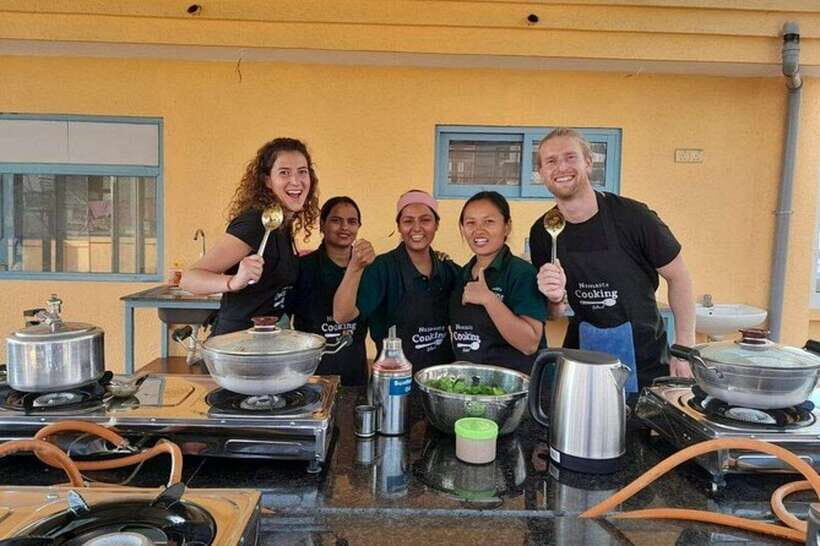
With a 3-hour window, you don’t get a slow, sightseeing pace. You get a working rhythm. The class is structured around learning how to make Nepali dishes and then eating the results—either lunch or dinner, depending on the session time.
Here’s the flow you can expect in plain terms:
- You arrive and settle in: you’ll get an overview and instructions in English.
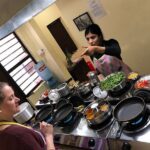
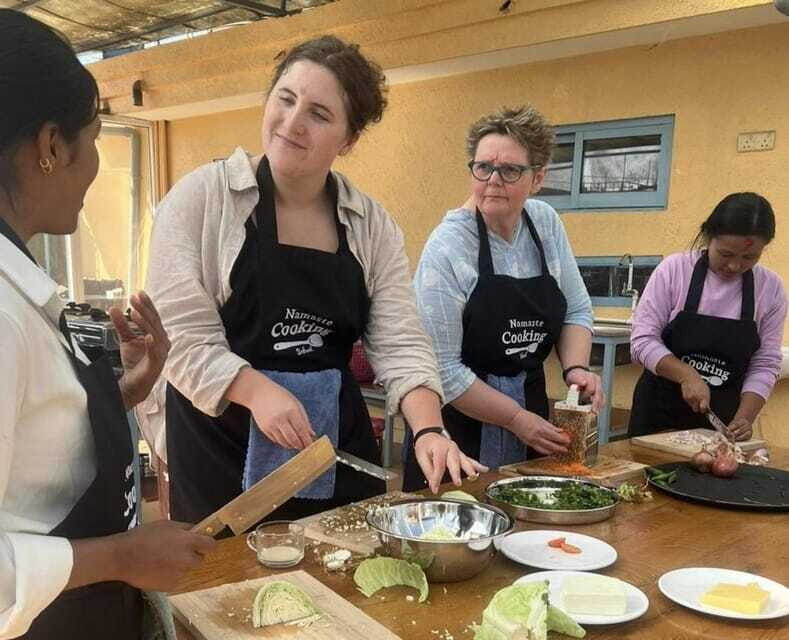
- You prep with the group: since it’s cooking, you’ll spend time at your stations, not parked on the sidelines.
- You move through courses: the menu selection can cover entree, main course, and dessert categories.
- You eat together: the meal you prepare is included, so you’re not just paying for lessons.
- You take materials home: a recipe booklet and a certificate of participation come with the experience.
That structure is practical. When a class ends with a full recipe booklet and you’ve already tasted what you made, you’re more likely to actually recreate the dish later. Cooking classes that only teach technique can be fun, but they’re not always usable at home.
The flavors: how farm-to-table sourcing changes what you taste
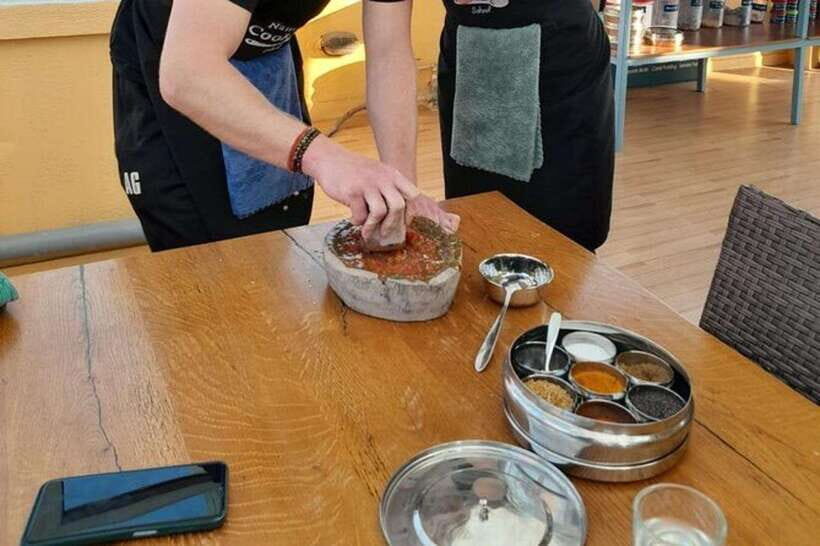
The school puts a lot of emphasis on sourcing ingredients directly from local farmers. Even without getting overly technical, that approach gives the lesson a different feel. You’re not just learning steps—you’re learning the logic of ingredient choice.
Here are the benefits for you:
- You understand food as part of a local system. Ingredients don’t feel random.
- You get better context for the flavors. Spices and staples make more sense when you connect them to what’s available and used locally.
- You’re eating something that feels intentional, not mass-produced.
Nepal’s cuisine is built on comfort foods and bold flavor balance. In a class like this, you should pay attention to how the instructors guide taste and adjustment. Small tweaks—like how ingredients are combined, cooked, and seasoned—are often the difference between a dish that’s only okay and one that becomes your go-to.
Menu options: entree to main to dessert (and why that’s a win)
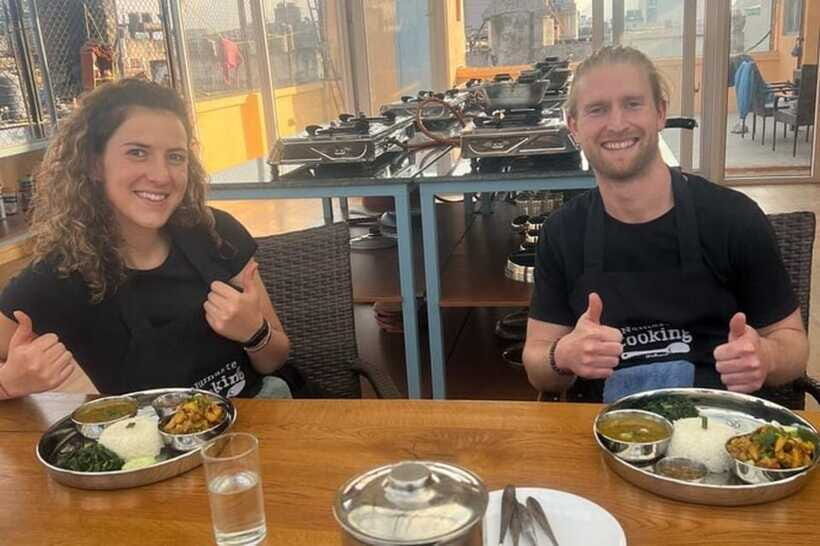
One thing I like about Namaste’s structure is that the menu selection spans multiple course types. You’ll have entree, main course, and dessert in the range of what you can prepare.
Why that matters:
- You practice more than one cooking style. Entrees often demand different prep and timing than a main course.
- You get a complete meal, not a single snack-sized outcome.
- Dessert gives you closure. You leave with the full arc of cooking, from savory to sweet.
The downside of course-based cooking is that you’ll be actively working during the whole 3 hours. If you prefer a mostly observational class, this one is probably not for you. But if you want to roll up your sleeves and actually cook, this format makes sense.
Women-led cooking: what empowerment looks like in practice
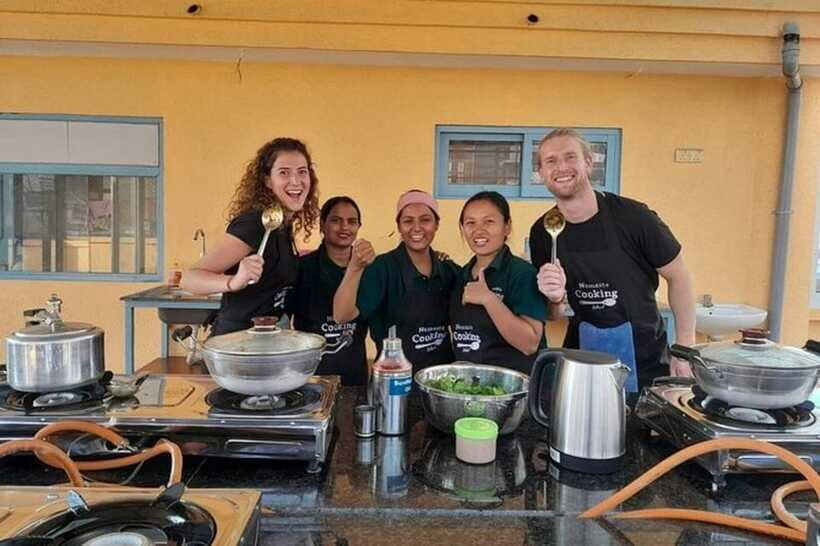
This is the heart of Namaste Cooking School. The women running the sessions are part of a team connected to survival and rebuilding lives after trafficking. The school is careful with language: the women are described as survivors and warriors, with hope, courage, and the will to thrive.
For you, this isn’t just an emotional hook—it changes the atmosphere of the class. You’ll likely notice:
- A strong sense of pride in what’s being taught.
- A focus on agency, where students are invited to learn and create, not just consume.
- Real warmth and hospitality, since the staff is representing both culinary knowledge and lived experience.
If you’re the kind of traveler who tries to avoid feel-good tourism that doesn’t change anything, this is a model that aims for actual impact. You’re paying for food knowledge and directly supporting a program built around empowerment.
You can also read our reviews of more tours and experiences in Kathmandu
Small-group size and English instruction: how you’ll get help
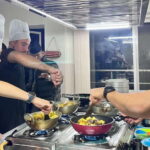
The class is limited to up to 8 participants, which is a sweet spot for a cooking lesson. Big groups can turn into chaos fast—lots of waiting, lots of crowding around ingredients, and not enough instructor attention.
Here, smaller size helps with two things:
- You get correction when it matters (timing, mixing, seasoning).
- You don’t feel lost even if you’re new to Nepali cooking.
Language-wise, instruction is in English. That’s a big deal. You don’t want to spend a cooking class translating terms in your head. Clear guidance makes it easier to follow steps, ask questions, and not waste time.
Based on the positive feedback around the experience, the vibe tends to be friendly and playful. That matters because cooking can be frustrating if you’re tense. In a class like this, it helps to show up ready to laugh, taste, and try again if something isn’t perfect on the first go.
Your take-home goodies: recipe booklet and certificate
You get more than a meal. Namaste Cooking School includes:
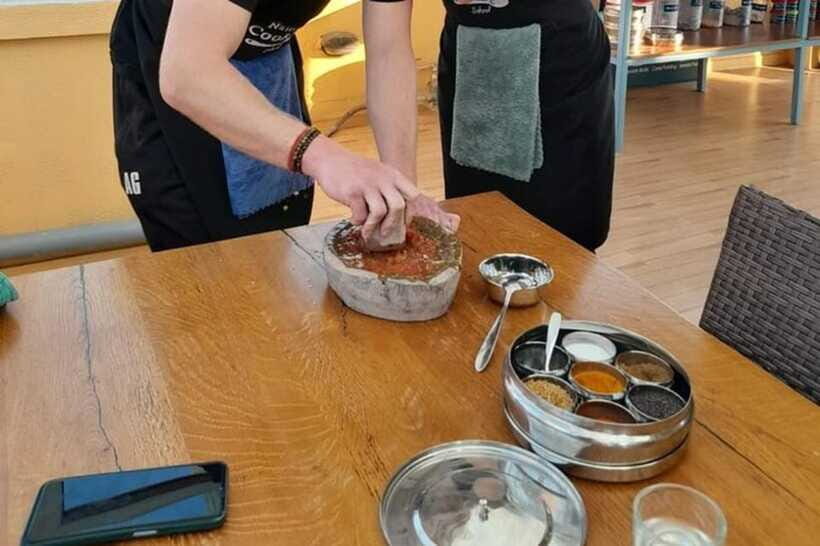
- All cooking ingredients
- Lunch or dinner with the dishes you prepare
- A recipe booklet
- A certificate of participation
The recipe booklet is what keeps the experience from fading after you leave. If you’ve ever done a cooking class and then couldn’t replicate it later, you know how annoying that is. Here, the format is designed to help you cook again at home.
The certificate won’t change your life, but it’s a nice touch—especially if you like collecting proof you tried something outside your comfort zone.
Price and value: what $30 buys you in Thamel
The price is $30 per person for a 3-hour class. That can sound like a simple headline number, so here’s the value breakdown that actually matters.
You’re not just paying for instruction. You’re also getting:
- Ingredients (so you’re not thinking about grocery costs)
- An included meal based on what you cook
- A recipe booklet
- A participation certificate
In other words, you’re buying three things in one ticket:
1) cooking practice,
2) a full eating experience,
3) take-home materials.
And because it’s in Thamel, you’re not paying travel time across the city to reach a class. You get a central location with easy access for food lovers.
So if you want a Nepal activity that feels useful after the fact, this is one of those experiences where the price makes sense.
Pickup and getting there: plan for the last mile
Here’s the practical part. Hotel pickup and drop-off are not included, even though pickup service is available.
That means you should treat pickup as an add-on option, not an automatic service. If you’re staying in a spot that’s easy to reach on foot, you may not need pickup at all. If you’re farther out, you’ll want to confirm what’s offered and whether it’s practical for your schedule.
Since Thamel is walkable for many visitors, the simplest plan is often: get yourself there, then focus on cooking. But don’t assume anything—confirm pickup details in advance so you’re not improvising right before the class.
Who this class is best for
This experience fits best if you:
- want a hands-on cooking activity, not a quick tasting stop
- care about food that’s tied to local sourcing
- like small groups where you can actually interact
- want to support women-led empowerment through your purchase
- prefer English-led instruction
It may be less ideal if you:
- hate close workspace cooking (you’ll be working alongside others)
- expect a passive tour or lots of sightseeing time
- need guaranteed hotel pickup as part of your plan (since it’s not included)
Should you book Namaste Cooking School?
If you’re in Kathmandu and you like doing one “real” food activity instead of collecting souvenirs, I’d book this. The value is solid because you leave with a meal you made and a recipe booklet you can use again. The best part is that it’s not just a cooking class with a mission tacked on. The mission is built into who leads the room and what your participation supports.
One last deciding tip: if you want a class where the staff’s energy and the group size make it feel personal, Namaste has the setup for that. Plan to handle the meeting logistics yourself, show up ready to cook, and you’ll probably have one of those Kathmandu moments that sticks—because you made it with your own hands.
FAQ
How long is the Namaste Cooking School class?
The class lasts 3 hours.
Where is the class located?
It’s located in Bagmati Zone, Nepal, in the heart of Thamel.
What is the price per person?
The price is $30 per person.
Is it a small group?
Yes. The class is limited to a small group of up to 8 participants.
Is the instruction available in English?
Yes. Instruction is in English.
Is lunch or dinner included?
Yes. You’ll have lunch or dinner with the dishes you prepare.
What’s included in the price?
All cooking ingredients, the meal (lunch or dinner), a recipe booklet, and a certificate of participation are included.
Is hotel pickup and drop-off included?
No. Hotel pickup and drop-off are not included, though pickup service is available.
Can I cancel and get a refund?
Yes. You can cancel up to 24 hours in advance for a full refund.