REVIEW · EVEREST BASE CAMP TREKS
Everest Base Camp Heli Tour
Book on Viator →Operated by Outshine Adventure Pvt Ltd · Bookable on Viator
Everest from the sky is the short cut that still feels real. This Everest Base Camp heli tour strings together multiple famous viewpoints in a single day: an aerial look at Khumbu valleys and villages, overflights toward Everest Base Camp/Kala Patthar, and a stop at high altitude near Everest View. I especially like the full-window viewing approach for small groups and how the route-building focuses on what you actually came for: peaks, glaciers, and that sense of scale. One possible drawback: it’s heavily dependent on weather and timing, so exact village stops can shift.
What makes it practical is that you’re not left to figure things out in Nepal traffic. You get private car airport transportation, and the day is organized around short flight legs with a longer overall timeframe (about 4 to 9 hours). The helicopter portion is quick—around 3 to 4 minutes of flight time—but it’s paired with high-impact viewpoints and time to observe from vantage areas.
Because this is an altitude and ice-mountain experience, I’d treat the day like you’re doing a mini mountain outing even if you’re not trekking. Bring warm layers and proper shoes, and plan for fees that are not included (national park and entrance costs). If you’re near the weight limit (198 lbs per passenger), it’s worth double-checking before you lock in.
In This Review
- Key moments that make this tour click
- Kathmandu to the Khumbu: a smooth start to a short flight day
- The helicopter experience: quick flight time, big viewpoint payoff
- Overflying Everest Base Camp and Kala Patthar from above
- Landing near Syanboche and Everest View Hotel: the altitude moment
- What you’ll likely see on the ground
- Lukla and Syanboche: small towns, real culture cues
- Tengboche monastery from the air: a viewpoint with meaning
- What the missing fees and gear really mean for your budget
- Cash tip for the altitude breakfast
- Gear you should not skip
- Timing, weather, and how the day can flex
- Who should book this Everest Base Camp Heli Tour?
- Should you book it?
- FAQ
- How long is the Everest Base Camp heli tour?
- Where does the tour start and end?
- What is included in the price?
- What is not included?
- Do you provide pickup?
- How many people are on the tour?
- Is there a weight limit?
- Does the tour visit Lukla and Syanboche?
- What happens if weather is bad?
- How far in advance should I book?
Key moments that make this tour click
- Small-group window seating (2–5 pax): you’re set up for maximum viewing without crowds.
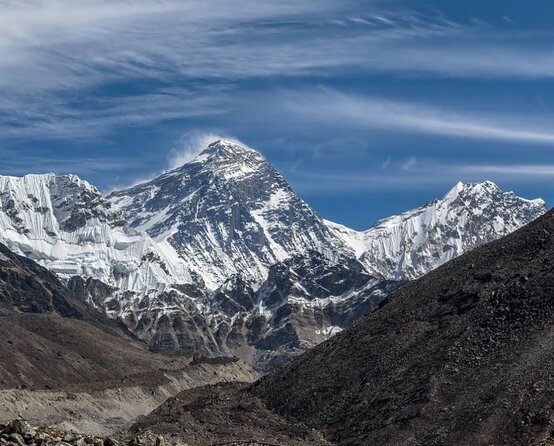
- Everest Base Camp and Kala Patthar overflight: you see the famous area from above, fast and dramatic.
- Possible Lukla and Syanboche village stops: your eyes get culture too, not just mountains.
- Tengboche monastery visibility: you get a shot at one of the Khumbu’s best-known landmarks from the air.
- Icefalls and glaciers in the same day: the route is designed to connect the dots visually.
Kathmandu to the Khumbu: a smooth start to a short flight day
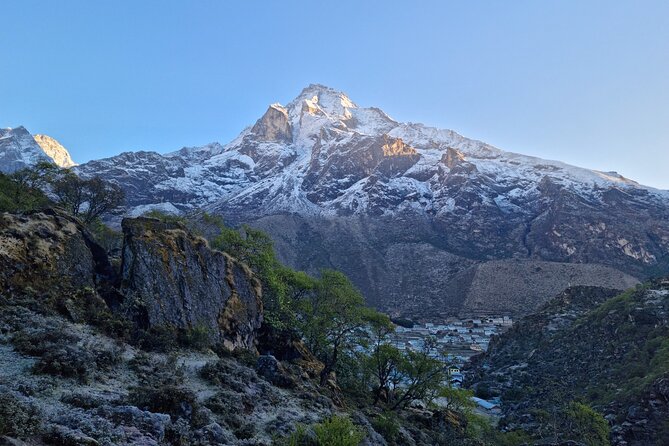
This tour is built for travelers who want “best of Everest” without the multi-week grind. It starts in Kathmandu with transport included by private car, so you’re not juggling taxis at the beginning of a big day. The experience ends back at the meeting point in Kathmandu, which keeps the logistics clean.
You’ll also want to plan for how long the day feels, even if the helicopter flight leg is short. The total duration is listed as 4 to 9 hours, and that range makes sense: the mountain itself is always changing due to conditions, and your route can adapt. If you’re the type who hates waiting, bring a little patience. If you’re excited to see as much as possible, that waiting time is usually filled with check-in, briefings, and repositioning.
The tour uses a mobile ticket, so make sure your phone has battery and service where you’re checking in. Also note the group size: the activity has a maximum of 5 travelers, which matters because it tends to keep the day calmer and more coordinated.
You can also read our reviews of more tours and experiences in Kathmandu.
The helicopter experience: quick flight time, big viewpoint payoff
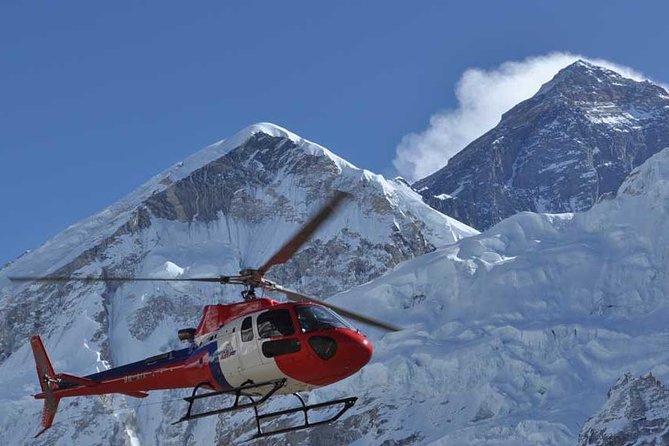
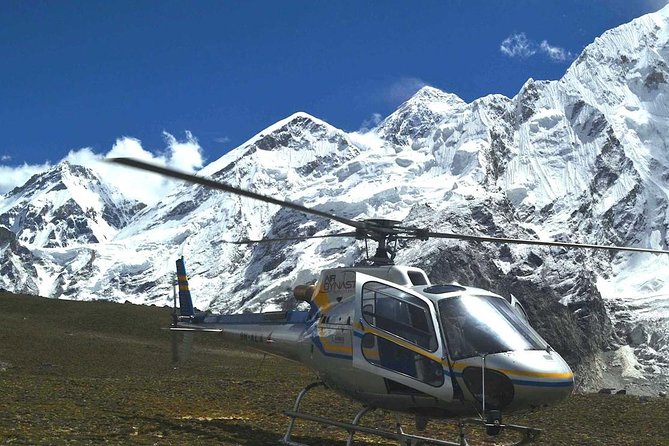
Here’s the key math of this tour: the flight time is only 3 to 4 minutes, but you’re not spending those minutes looking at bland scenery. The plan is to fly in a way that puts you above recognizable Khumbu features—green slopes, rivers and streams, scattered villages, then the stark geometry of ice and rock.
When the group is small (like 2, 3, 4, or 5 people), the operator offers full window seats so you can track the route visually rather than sharing a seat with limited angles. That seems like a minor detail until you realize how quickly helicopter moments can pass. If you’re planning photos, you’ll appreciate having the window view locked in for the whole flight portion.
One more detail: the tour mentions sharing seating arrangements for up to 5 pax on the helicopter day. In plain terms, you’re grouped tightly, and that usually helps with timing and boarding. It can also mean you shouldn’t count on total control over which exact window you get at every second of the ride. Still, with full window seating in the small-group setup, most people get what they need visually.
Overflying Everest Base Camp and Kala Patthar from above
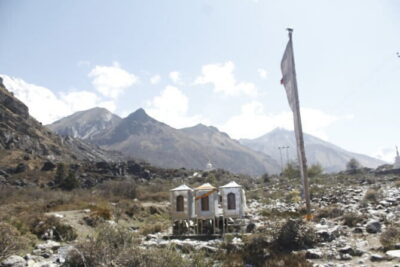
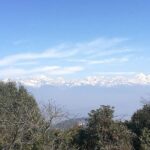
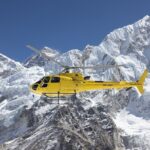
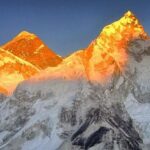
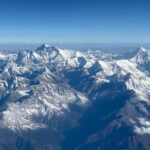
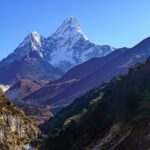
This is the heart of the experience. You’re set up for overfly views of Everest Base Camp / Kala Patthar, plus dramatic panoramas of major peaks around the Khumbu. The route described includes views of Mt. Everest, Mt. Lhotse, Mt. Cho Oyu, Mt. Makalu, Mt. Ama Dablam, Island Peak, and more.
Why does an overflight matter if you’re not landing at every location? Because Everest’s biggest “wow” is scale. From the ground, you can only see what’s in front of you. From the air, you can see how the valleys connect to the ice fields, and how ridges frame the higher walls of the Himalaya. Even if the flight leg is short, the visual information is dense.
Kala Patthar is mentioned specifically, and that makes sense because it’s one of the best viewpoints for Everest-area panoramas in the trek world. Here, you’re not trekking up there. You’re getting an aerial version of the same idea: that strong line-of-sight to the Everest region, with glaciers and icefalls showing in relation to everything else.
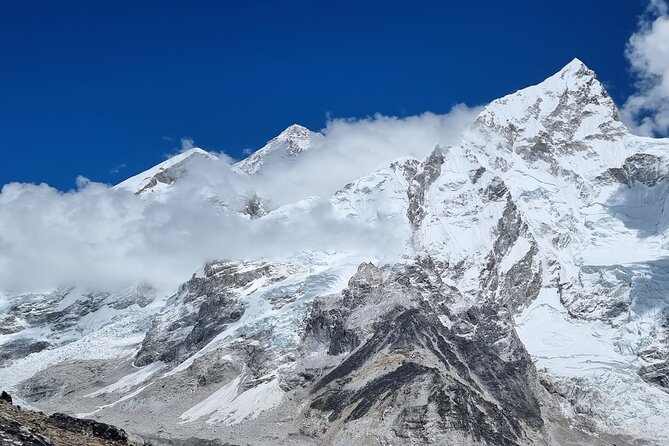
The tour also calls out Khumbu Icefalls and numerous glaciers. Those ice-mass details are exactly the kind of thing that reads as “wow” even when you only have a moment. If you like geology, glaciers, or just the raw drama of altitude, you’ll feel it fast.
Landing near Syanboche and Everest View Hotel: the altitude moment
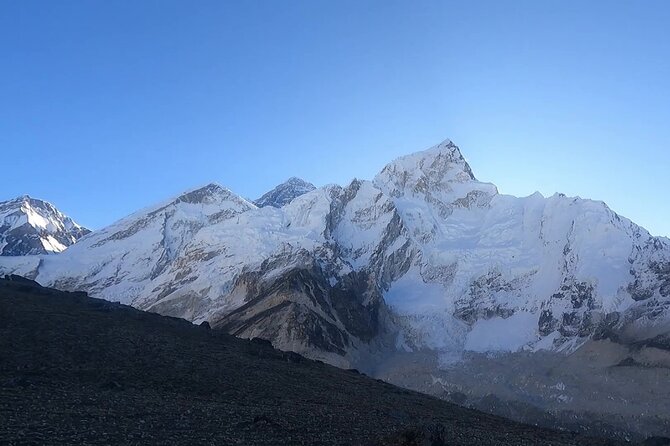
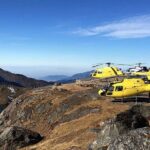
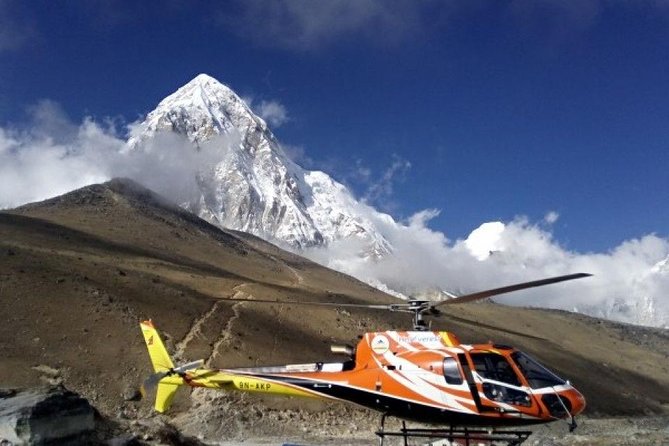
This tour isn’t just “fly and look.” It includes landing and high-altitude viewing. The overview states a landing at Syanbouche at around 13,000 feet, and it also references Everest View Hotel as part of the experience area.
That matters because helicopters are great for sweeping views, but land-based time is what turns “nice view” into “I feel like I’m there.” When you land at a higher point, you can take a breath of thin-air air (don’t overdo it), look around beyond the window angles, and absorb the atmosphere of the Everest viewing zone.
The listing also notes that Syanboche and Lukla stops depend on time. Translation: your exact on-ground moments may vary. If you’re hoping for every single named place, you’ll need a flexible mindset and good weather. If you get the stops, you’ll feel like you collected more than just aerial scenery.
What you’ll likely see on the ground
You can expect to observe the surroundings around the high viewing areas and watch how mountain communities operate at altitude. The overall description focuses on Sherpa culture, and that’s usually visible in the day-to-day rhythm: how people move, how villages sit in valleys, and how the region is built around trekking routes and mountain life.
Lukla and Syanboche: small towns, real culture cues
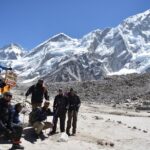
The itinerary includes a stop at Lukla for a first glimpse of Everest and Sherpa culture, plus possible time at Syanboche depending on the day’s timing. Even though these are not full cultural visits, they can be meaningful because they’re practical, quick observations—how people live, how the terrain shapes daily routes, and how close the mountains feel when you’re actually there.
Lukla is mentioned as a key piece of the experience, and it’s also a major gear-and-route gateway in the Everest world. Here, you’re not trekking from Lukla, but you’ll still get that first “this is where the Himalaya becomes personal” vibe.
A real plus from the service side: the experience includes route guidance and information during the day, and one review specifically called out excellent pick-up service and extra offers and details in Kathmandu. Another review noted that Gokul and Siri speak Spanish, which can be a big comfort if you’re traveling from Europe or elsewhere and want fewer language gaps during briefing and coordination.
Tengboche monastery from the air: a viewpoint with meaning
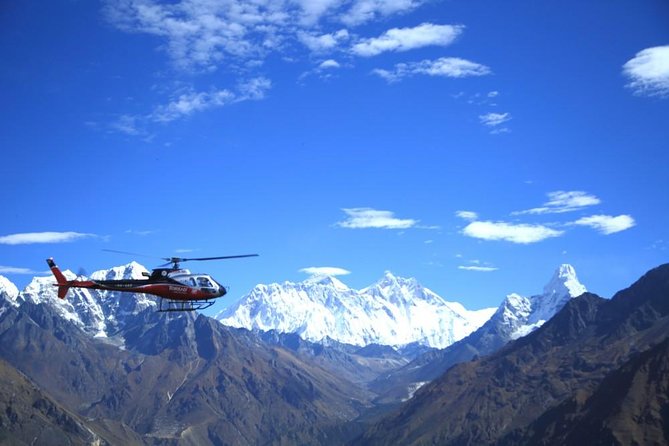
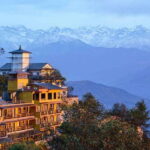
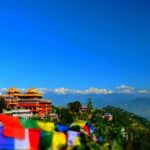
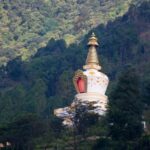
One of the neat touches is the mention of Tengboche monastery. Even if you never set foot there during this tour, seeing it from above helps explain why people talk about the Khumbu as more than peaks. It’s faith, local tradition, and a sense of place built into the mountain route.
From a traveler’s perspective, this is also smart. If you only look at Everest’s highest numbers, you might miss how the Khumbu region is structured. A monastery gives you a human landmark. It helps your brain anchor the geography while you watch the rest unfold above and around you.
What the missing fees and gear really mean for your budget
The listed price is $1,675.00 per person, and the day’s total length can range from 4 to 9 hours. For that money, you’re paying for speed and access: helicopter routing, altitude viewing, and organized transfer from Kathmandu. The tradeoff is that several big costs are not included.
Not included:
- Everest National Park fees
- Airport tax
- Khumbu entrance fees
- Personal gear (warm layers, warm shoes, camera, sunglasses, cap, gloves, and similar items)
- Breakfast at Everest View Hotel (optional)
So the honest way to think about value is this: the base price buys the helicopter and main guiding/coordination. The park and entrance fees and your warm-gear prep are the add-ons that make your total true.
Cash tip for the altitude breakfast
If you plan to eat breakfast at Everest View Hotel (around 3,800 meters is mentioned), I’d bring cash. One review specifically advised bringing at least $32 for breakfast. You don’t want to be stuck deciding between skipping a meal or searching for a payment method on a tight schedule.
Gear you should not skip
Even in a helicopter day, you’ll be at altitude and you’ll likely be outside during checks and viewing. The tour explicitly lists warm items as personal equipment. I recommend packing as if you’ll feel chilly on a windy ridgeline: warm jacket, warm gloves, and footwear that works on uneven ground.
Also keep in mind the max passenger weight listed as 198 lbs per passenger. If you’re near that limit, confirm before travel so you don’t face last-minute surprises.
Timing, weather, and how the day can flex
This experience requires good weather. If it’s canceled due to poor weather, the operator offers either another date or a full refund. That’s crucial because helicopter flying in the mountains is at the mercy of cloud cover and visibility.
It also means your stops may shift. The overview notes that visiting Syanboche and Lukla depends on time, and the route described includes both landing and overflying segments. In practical terms: expect a day where you follow instructions, don’t rush, and let the crew manage the schedule.
If you’re planning other Kathmandu activities on the same day, keep some cushion. A tour like this is tight enough that losing your weather window can affect when you wrap up.
Who should book this Everest Base Camp Heli Tour?
This is a strong pick if you want:
- Everest-area views without trekking
- Maximum scenery in a single day
- A small group experience (max 5 travelers)
- Window-first sightseeing with tight routing
It’s also ideal if your time is limited but your curiosity is big. You’ll get aerial views of alpine forests with rhododendron and pine areas, rivers and streams, and scattered villages, followed by the stark high-altitude scenes of icefalls and glaciers.
I’d think twice if:
- You’re highly weather-averse and can’t handle possible date changes
- You dislike planning for cold conditions even when you’re not hiking
- You need a long, on-foot cultural deep dive (this tour is more “views + key stops” than long stays)
Should you book it?
Yes, if your priority is Everest Base Camp and Kala Patthar views from the sky, plus a compact day that still includes high-altitude landing time near Syanboche / Everest View Hotel. The pricing is not cheap, but the value is in the access and the way the route compresses iconic sights into one organized experience.
Before you book, do three simple things: pack real warmth, plan for extra fees (park and entrance costs), and keep your schedule flexible for weather. If that fits your travel style, this helicopter day is a smart use of time in Nepal, with the kind of Everest-scale perspective you just can’t replicate from ground viewpoints in Kathmandu-distance time.
FAQ
How long is the Everest Base Camp heli tour?
The experience lasts about 4 to 9 hours overall, even though the helicopter flight time is listed as around 3 to 4 minutes.
Where does the tour start and end?
It starts in Kathmandu (meeting point listed as Kathmandu 44600, Nepal) and ends back at the same meeting point in Kathmandu.
What is included in the price?
Included items are airport transportation by private car, helicopter fares, and helicopter day flight seating arrangements for up to 5 people.
What is not included?
You’ll need to budget for Everest National Park fees, airport tax, Khumbu entrance fees, personal equipment like warm clothes and shoes, and breakfast at Everest View Hotel if you want it.
Do you provide pickup?
Yes, pickup/transport is included as airport transportation by private car.
How many people are on the tour?
This activity has a maximum of 5 travelers.
Is there a weight limit?
Yes. The total weight per passenger is listed as 198 lbs.
Does the tour visit Lukla and Syanboche?
It may, depending on time. Lukla and Syanboche are mentioned as possible stops, but they aren’t guaranteed in every schedule.
What happens if weather is bad?
The experience requires good weather. If it’s canceled due to poor weather, you’ll be offered a different date or a full refund.
How far in advance should I book?
On average, this tour is booked about 27 days in advance, so earlier planning is usually smart.