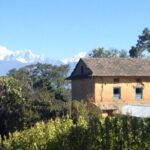
Big Himalaya views, without the death-march. This Langtang Valley trek pairs an easy going altitude profile with a small-group feel, so you spend more time walking and less time waiting. It also starts with a short hop from Kathmandu into the trail system, which makes this a smart choice if you are short on time.
I love the practical support built in: a licensed English-speaking guide plus porters with a 2 trekkers to 1 porter setup, and the chance to get a caring guide team (for example, Ram Krisna is praised for being cheerful and helpful). I also like that you can borrow down jackets and sleeping bags (and a duffel bag on request), so you do not have to buy bulky gear just for one trek. One possible drawback: the teahouse nights are basic, so comfort-lovers should mentally budget for simple rooms and more rustic conditions.
You will hike about 6–7 hours per day, mainly through valley trails where Tibetan and Tamang culture shows up in daily life. If that sounds like your pace, Langtang is a rewarding way to see the mountains up close without turning your trip into an altitude experiment.
In This Review
- Quick hits before you commit
- Langtang Valley, the trek with a calmer altitude profile
- From Incredible Treks to the trailhead: how the journey starts
- The 6–7 hour hiking rhythm and what “teahouse” really means
- Altitude stays reasonable, but weather still matters
- Culture and views on the Langtang route: yaks, Tamang life, and mountain giants
- Gear logistics that save your back: borrowed down and a duffel bag
- Price and what’s actually included in the $700 cost
- Is this trek right for your body and your style?
- Should you book the Langtang Valley Trek?
- FAQ
- What is the duration of the Langtang Valley Trek?
- What does the tour price include?
- Do I get a sleeping bag or warm jacket?
- How much do you hike each day?
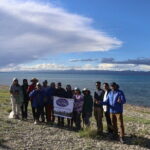
- What’s the group size?
- Can I cancel for a full refund?
Quick hits before you commit
- Small group, max 15: more attention from your guide and easier logistics on a trail with limited services.
- 7 teahouse nights included: you are paying for lodging and meals during trekking, not just a guide with a handshake.
- Borrowed trekking gear: down jacket and sleeping bag available on request, then returned after the trek.
- Guide + porters ratio: support is structured (2 trekkers per porter), which matters when weather turns.
- Culture and daily mountain life: you get Tibetan and Tamang cultural scenes, not just photos of peaks.
- Not a high-altitude push: designed for an active trip that stays relatively moderate in altitude.
Langtang Valley, the trek with a calmer altitude profile
Langtang is the kind of trek that feels friendly to first-timers and still interesting for experienced hikers. The key is the altitude strategy: the route is designed so you do not go too high, which helps keep the trek focused on walking and enjoying the scenery instead of managing extreme thin air.
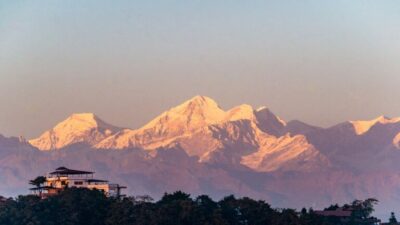
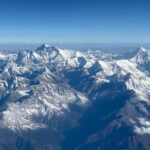
What makes this one stand out for me is the balance. You are still trekking in real Himalayan terrain, with big views of the Langtang range and long valley stretches, but the pacing is more “steady hike” than “suffer for days.” That is a win if you want the mountains without the kind of itinerary that punishes you for being human.
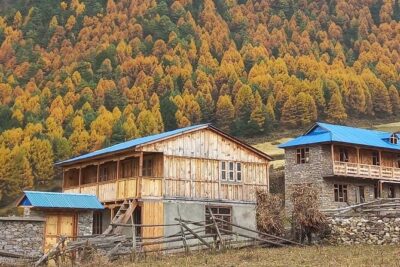
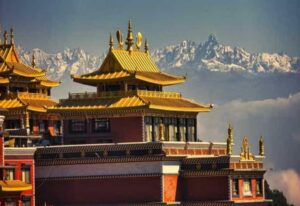
The cultural element is also practical, not just decorative. Expect Tibetan culture influences along the route and a strong Tamang presence, from how people live to how yaks show up in mountain meadows. This is a trek where you are walking through communities, not just passing scenery.
You can also read our reviews of more hiking tours in Kathmandu
From Incredible Treks to the trailhead: how the journey starts
Your experience begins with a setup at Incredible Treks in Kathmandu. After that, you travel Kathmandu to Syaprubesi and return the same way, using local bus service. There is also pickup offered, and the tour uses a mobile ticket, so you are not stuck guessing where to go.
This matters more than it sounds. Getting to the trailhead is often where treks get messy—missed connections, uncertain timing, and wasted energy before the hike even starts. Here, the transportation piece is handled, and you are given the structure you need to move on with confidence.
A small consideration: the Kathmandu part is not fully covered. Lunch and dinner in Kathmandu are not included, and accommodation in Kathmandu is not included either. So you should plan your arrival and departure days around where you will stay and eat before trekking begins and after it ends.
The 6–7 hour hiking rhythm and what “teahouse” really means
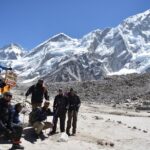
The daily schedule follows a simple rhythm: you hike roughly 6–7 hours a day, exploring mountain life and cultural scenes as you go. Each night you stop at mountain lodges with basic accommodation, and you repeat that pattern for 7 nights.
Here is the honest expectation-setting part. Teahouses in the mountains are not hotels. You should expect simple rooms, shared dining areas, and fewer creature comforts than you are used to. The flip side is that teahouses are the social engine of a trek. You can warm up, eat a proper meal, and talk with your guide about what is ahead tomorrow.
Meals are included during trekking—breakfast, lunch, and dinner as per the itinerary. That is a big deal for value and ease. You are not constantly checking menus or carrying all your food. When you are walking for hours in changing mountain weather, that simplicity buys you mental energy.
Altitude stays reasonable, but weather still matters
Even when altitude is moderate, the Himalaya still has a personality. Expect temperature swings and cold at night. The good news is that you can borrow a down jacket and sleeping bag, which helps you stay comfortable without packing extra heavy gear.
Also, the trek is described as relatively easy for an 8-day format, but it is still a trekking route. You will want a moderate physical fitness level, and you should be ready for long days on your feet.
Culture and views on the Langtang route: yaks, Tamang life, and mountain giants
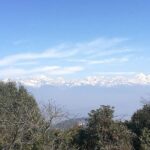
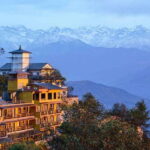
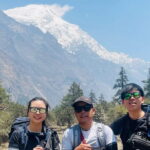
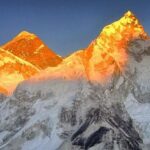
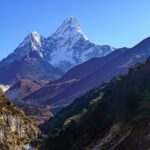
This trek is built for seeing the Himalaya in a grounded way. You will spend time in wide valleys backed by high mountains, and the trail goes deeper into Langtang as the route unfolds. The big draw is the mix of views and daily life—something you can feel when you are walking among people who live with these peaks year-round.
Here is what you are specifically aiming for:
- Langtang range views that show up as you progress deeper into the valley.
- Tamang culture, experienced through the lived-in rhythm of villages and the way people work and travel.
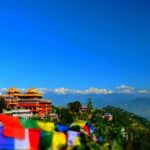
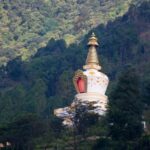
- Tibetan cultural influence along the way, which often shows up in community design and everyday routines.
- Yaks grazing in Himalayan meadows, giving you a real sense of how seasonal mountain landscapes work.
One of the best parts of this kind of route is that the scenery is not just about the summit shot. The trail gives you repeated moments of “oh, that is beautiful,” then quickly moves on, which keeps you engaged instead of exhausted by constant staring (as much as I want you to stare).
Gear logistics that save your back: borrowed down and a duffel bag
Packing can either make or break a trek. This one helps you avoid the most annoying problem: buying (or hauling) heavy winter gear for a short trip.
You can borrow:
- Down jacket
- Sleeping bag
- Duffel bag (upon request)
And you will need to return the borrowed items after the trek. Plan for that in your final day so you do not end up scrambling at the end of your hiking.
Even with borrowed gear, bring clothes suitable for hiking. Layering is your friend—especially because you hike for 6–7 hours and then you are often dealing with colder temps once you stop. If you are relying on borrowed warmth, think in terms of what you will wear during the day versus what will keep you cozy overnight.
A final practical note: since personal trek equipment is not included, you will still need to come prepared with your own essentials (the exact list is not provided here, so confirm what you need before you go).
Price and what’s actually included in the $700 cost
At $700 per person, the value is strongest when you look at what is bundled. This trek includes:
- 7 nights’ teahouse accommodation
- Most meals during trekking (breakfast, lunch, dinner)
- Licensed English-speaking trekking guide
- Porters with expenses covered, using a 2 trekkers to 1 porter ratio
- Kathmandu to Syaprubesi and back by local bus
- National Park fees and TIMS fees
- All taxes, fees, and handling charges
That inclusion set matters. Trekking fees and permits can be confusing if you are booking on your own, and meal costs add up fast once you are hiking daily. Here, those are folded into the price, so you can budget calmly.
What is not included is also clear:
- Lunch and dinner in Kathmandu
- Kathmandu accommodation
- Any emergency evacuation expenses
- Personal insurance (medical, accident, rescue such as helicopter)
- Personal trek equipment
- Personal nature expenses like alcohol, bottled drinks, bottled water, laundry, telephone bills
- Tipping to field staff
The real takeaway for me: you are paying for a guided, structured trekking package with lodging and food in the mountains. If you already have hiking gear and you can handle simple teahouse living, this looks like a solid deal. If not, you may find your total trip costs rise once you factor in equipment, insurance, and your Kathmandu hotel.
Is this trek right for your body and your style?
This is built for active travelers with moderate physical fitness who want a relatively easy 8-day trekking plan. The hiking hours are reasonable, the altitude profile is designed to stay manageable, and the support structure (guide plus porters) keeps the trip from becoming a solo survival challenge.
It is also a good fit if you want cultural immersion without a complicated logistics puzzle. A short drive to the trailhead means you spend fewer hours in transit, and the daily pace is set up so you can actually absorb what you see.
Who might want to think twice:
- If you demand hotel-level comfort, teahouse nights may feel too basic.
- If you are extremely sensitive to cold at night, you should pack smart layers even though you can borrow down gear.
- If you are expecting lots of free time to explore independently, remember you are on a guided route with a defined schedule.
On the guide quality side, the feedback you have here is strongly about warmth and safety. Guides like Ram Krisna are described as cheerful and caring, and Lochan Gurung appears as an example of someone who delivers excellent support. Porters such as John and Nabin are also mentioned for being supportive and helpful. That kind of team experience can make a real difference on longer trekking days.
Should you book the Langtang Valley Trek?
Book it if you want a Himalayan trek with:
- a small-group feel (max 15),
- teahouse lodging and meals handled during trekking,
- a support team that keeps you comfortable and moving,
- big Langtang range views without the extreme altitude push.
Skip or compare if you want guaranteed higher comfort standards or you are not ready for basic mountain lodge stays. Also, make sure you plan your Kathmandu days since accommodation and meals there are not included.
If your goal is simple—walk through valleys, meet mountain communities, and come away with real mountain memories—this is a straightforward, good-value way to do it.
FAQ
What is the duration of the Langtang Valley Trek?
The trek is listed as 8 days (approx.), including about 7 nights of teahouse accommodation during the trekking portion.
What does the tour price include?
The price includes 7 nights’ teahouse lodging during trekking, breakfast/lunch/dinner during the trek, a licensed English-speaking guide, porters (2 trekkers to 1 porter) and their expenses, Kathmandu–Syaprubesi–Kathmandu transport by local bus, and National Park fees and TIMS fees, plus taxes and handling charges.
Do I get a sleeping bag or warm jacket?
Yes. You can borrow a sleeping bag and down jacket during the trek (and a duffel bag on request). Borrowed items must be returned after the trek.
How much do you hike each day?
You can expect to hike about 6–7 hours per day.
What’s the group size?
It is a small-group tour with a maximum of 15 travelers per booking.
Can I cancel for a full refund?
Yes. You can cancel up to 24 hours in advance for a full refund. If you cancel less than 24 hours before the start time, the amount paid is not refunded.