REVIEW · SPIRITUAL & SHAMANISM TOURS
Life and spirituality tour of Kathmandu
Book on Viator →Operated by iTour Nepal Private Day Tours · Bookable on Viator
Old Kathmandu has a spiritual “hum” you can feel. This private day tour links Hindu and Buddhist practice to the way people actually live, with stops at Kathmandu Durbar Square, Patan Durbar Square, Pashupatinath Temple, and Boudhanath Stupa. I especially like the hotel pickup and air-conditioned comfort, and I love that the guide explains what you’re seeing in plain language, including the overlap between Buddhism and Hindu life.
The big thing to plan around is entrance fees, which are extra for at least some major sites, plus tips and lunch aren’t included. If you want a full, relaxed day, build in extra time for respectful viewing at the temples and for slow walking through older streets.
In This Review
- Key highlights to know before you go
- Price and what you really get for $55
- How the day flows: short drives, longer human moments
- Stop 1: Kathmandu Durbar Square and the spiritual street texture
- Stop 2: Patan Durbar Square and the craft-city lens
- Stop 3: Pashupatinath Temple and what you’ll witness respectfully
- Stop 4: Boudhanath Stupa and Little Tibet of Kathmandu
- Guides make or break this kind of tour (and this one has a track record)
- Accessibility and pacing: who this fits best
- What to bring so the day feels comfortable
- The verdict: should you book this Life and Spirituality tour?
Key highlights to know before you go
- Hotel pickup in a private car so you don’t waste time figuring out transport
- Pashupatinath and Boudhanath for Hindu Shiva practice and Tibetan Buddhist devotion
- Walk in the older core of Kathmandu and Patan through courtyards and craft-focused streets
- Accessibility-friendly for wheelchairs and strollers
- Entrance fees vary by stop, with some included as free admission and others not included
- Excellent guide reputation (4.9 rating overall, 98% recommend), with named guides praised for clear explanations
Price and what you really get for $55
At $55 per person for a 6–8 hour private day, this is priced like a “single-day value” experience rather than a budget skip-the-guide tour. You’re paying for three things that add up quickly in Kathmandu: a guide who can translate religious traditions into everyday meaning, a private vehicle with pickup, and time on foot in areas where you’ll otherwise miss the details.
Here’s what’s included: an air-conditioned vehicle, bottled water, and an expert guide. What’s not: tips, lunch, and all fees and taxes. Also note the “entrance fees are extra” heads-up, which matters most at Pashupatinath and Boudhanath.
If you’re the kind of traveler who wants to see the headline temples and understand why they matter to local life, $55 can feel like a bargain. If you mainly want a photo checklist with minimal explanation, you might feel the cost is more than you need.
You can also read our reviews of more tours and experiences in Kathmandu.

How the day flows: short drives, longer human moments
This tour is designed around a practical rhythm: short hops by car and walking where you can actually look, listen, and ask questions. Expect a full half-day of real sights rather than a rushed “drive-by.”
You’ll be in the older parts of Kathmandu and Lalitpur (Patan), and the itinerary deliberately mixes:
- Temple and stupa time where ritual and devotion shape everyday movement
- Durbar Square areas where architecture, courts, and craft traditions show how power and spirituality shaped the city
- A final stretch that slows down as you move from one religious worldview to the other
Because it’s private, your guide can adjust pacing if a moment catches your attention or if you need extra time for stairs and pathways.
Stop 1: Kathmandu Durbar Square and the spiritual street texture
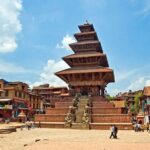
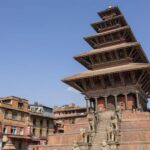
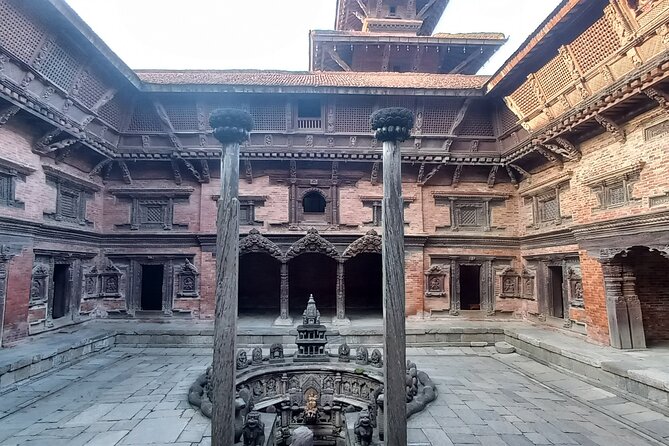
You’ll start in Kathmandu Durbar Square, walking through older Kathmandu and its courtyards. This isn’t just “look at the buildings.” It’s more like stepping into a layered city where architecture reflects how people organized spiritual and cultural life over centuries.
You’ll focus on hidden courtyards and Vastu architecture. Vastu relates to how space is designed and used, so it helps you understand why these places feel purposeful, not random. As you walk, you’ll likely notice small changes in atmosphere from lane to lane, where daily life continues alongside major heritage sites.
Practical note: Durbar Square is listed as free admission here, but you may still run into crowds depending on the time of day. Wear shoes you can walk in for a while, since “courtyard wandering” adds up.
Why I like this start: it gives you context before you hit the big religious monuments. You’re not just arriving cold at Pashupatinath and Boudhanath; you’ll understand how Kathmandu’s older core works.
Stop 2: Patan Durbar Square and the craft-city lens
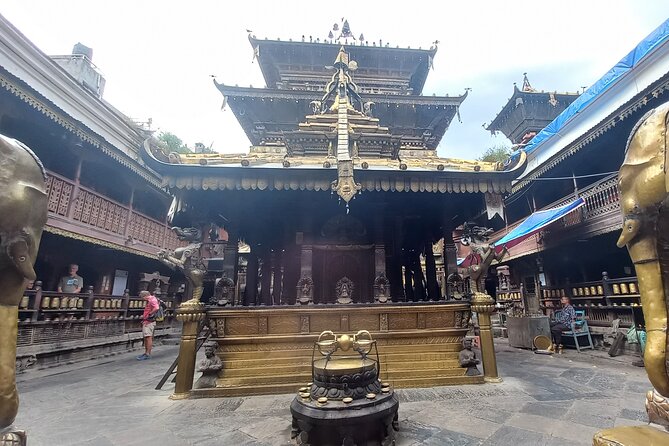
Next comes Patan Durbar Square in Lalitpur. Patan is often described as a city of fine art, and in practice you’ll feel that in the way spaces and streets reflect craftsmanship. The tour frames Patan as a medieval craft center, with work that once traveled to regions like India, Tibet, and China.
You’ll spend about two hours here, still grounded in the “life and spirituality” theme. Even if you don’t go deep into art history, watching how artisans shaped the city helps explain why religious sites look the way they do: temples and public spaces weren’t only spiritual; they were also community-scale projects.
Admission here is also free (as listed for this stop). Still, plan for walking and some uneven ground depending on where you step.
What can be a drawback: Patan’s strengths are subtle. If you’re only chasing the most obvious photo angles, you might need your guide to point out the “why” behind details like carvings and courtyard design.
Stop 3: Pashupatinath Temple and what you’ll witness respectfully
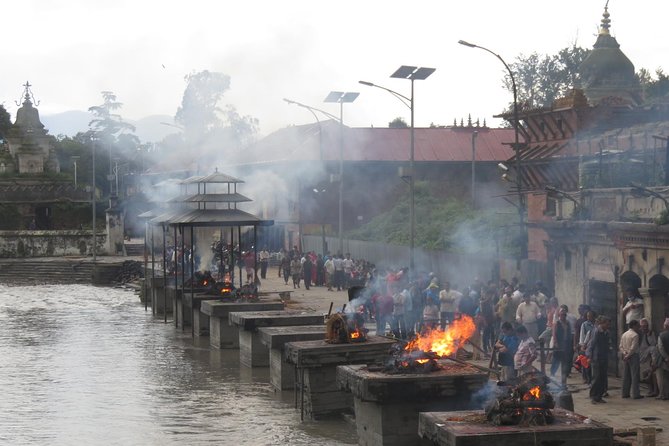
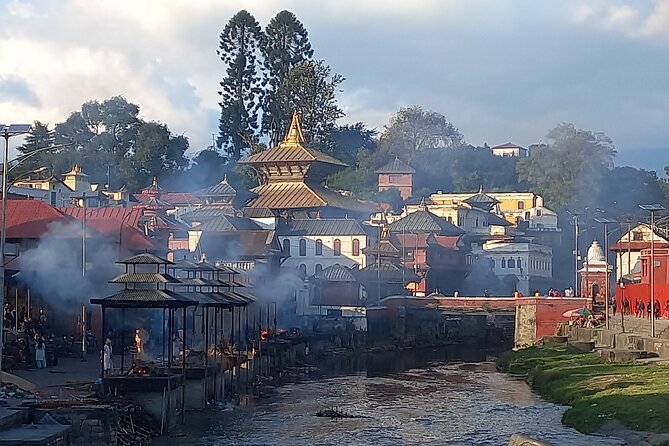
Then the day pivots to Pashupatinath Temple, a major Hindu site linked with Shiva. This is where the tour shifts from architecture and craft into living religious practice.
You’ll learn how people engage with the temple complex and what “Hindu ways of life” look like on the ground. The tour notes that you can see Hindu ascetics (Shadu), and you may also observe open cremation, along with astrologers and devotees.
This is the one stop where you should slow down and be mindful. Cremation and mourning are real parts of the ritual landscape here, not a staged tourist attraction. Dress respectfully, keep your tone low, and follow your guide’s directions for where you can stand and what to avoid.
Admission for this stop is not included, so budget for the on-site fee. Also, it’s easy to underestimate how long people want to pause here. A place like this can make you forget the clock.
Why this stop matters: it’s one of the clearest ways to understand that spirituality in Nepal isn’t separated from daily life. It’s part of how people handle birth, death, and meaning.

Stop 4: Boudhanath Stupa and Little Tibet of Kathmandu
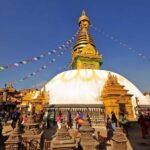
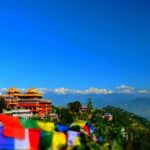
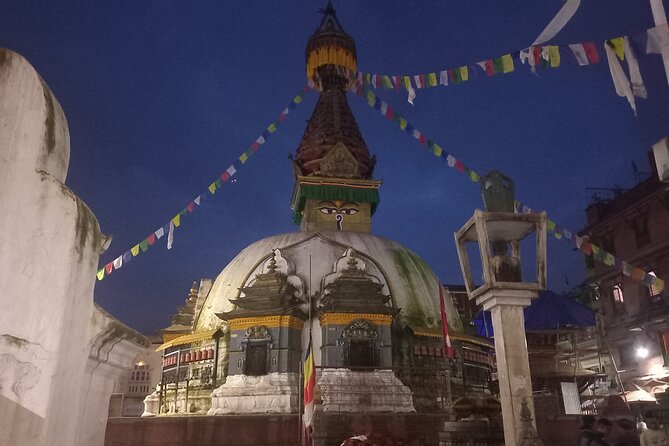
Your final major stop is Boudhanath Stupa, described as the “Little Tibet of Kathmandu.” This area draws Tibetan Buddhist monasteries and pilgrims from far Himalayan villages, which you’ll feel in the constant flow of devotion and routine.
The tour highlights that you’re visiting the largest stupa in Nepal and that the scene is shaped by ongoing pilgrimages. Expect time focused on the stupa environment rather than hurried sightseeing. You’ll also hear how Tibetan Buddhism and local Nepalese life intersect, especially in how people move, chant, and practice.
Admission for Boudhanath is not included. As with Pashupatinath, you’ll want to dress respectfully and give yourself a little time just to watch. The value here is in understanding the rhythm: devotion isn’t a performance; it’s a repeatable daily practice.
Guides make or break this kind of tour (and this one has a track record)
This is the type of itinerary where the guide’s communication skills matter. A temple visit can turn into a list of names or become a real explanation of meaning.
The strongest praise for this tour centers on guides who:
- explain Hindu and Buddhist traditions in language that feels straightforward
- answer questions patiently, without rushing you to move on
- connect complicated religious ideas to what you can see right in front of you
Past guides named in guest feedback include Indra, Ripu, Rabi, Raja, and Rudi, and the consistent theme is clarity plus a calm, friendly pace. If you’re nervous about understanding religion in a foreign setting, this is the kind of tour where your guide can steady the whole day.
Tip: bring a few real questions. Even simple ones like how Shiva worship overlaps with Buddhist practice in Nepal can lead to a better day than passively listening.
Accessibility and pacing: who this fits best
This tour is listed as wheelchair and stroller accessible, and it includes hotel pickup by private car. That combination matters in Kathmandu, where the difference between a stressful day and an easy day often comes down to simple logistics.
It’s also a strong option if you:
- want a private day without crowd pressure
- care about spiritual context, not just sightseeing
- want to see both Kathmandu and Patan rather than one neighborhood only
If your travel style is “fast and loose,” note that a 6–8 hour spiritual itinerary is meant to slow you down. It’s not a whirlwind sprint. Still, the private format helps if you need breaks.
What to bring so the day feels comfortable
You’ll be in temples and walking in older city areas, so keep it practical:
- Comfortable walking shoes
- Light layers and modest clothing for temple areas
- A small amount of cash for any entrance fees that aren’t included
- Water already helps because bottled water is provided
Also, because entrance fees are extra, I’d plan to spend a little time budgeting for site costs. Your guide will handle the practicalities, but knowing you’ll pay helps you relax.
The verdict: should you book this Life and Spirituality tour?
I’d book it if you want a Nepal day that explains more than it shows. The blend of Kathmandu Durbar Square, Patan Durbar Square, Pashupatinath, and Boudhanath creates a storyline: architecture and craft lead into everyday spirituality, which then turns into deep ritual practice.
I’d think twice if you dislike respectful, serious settings. Pashupatinath can include views that are emotionally intense because it involves open cremation as part of the site’s religious function. If that’s not your comfort zone, you can still enjoy Durbar Square and Boudhanath, but this itinerary overall is built around the full spiritual picture.
If you’re aiming for one “big meaning” day in Kathmandu, this is a very strong choice, especially given the guide-led clarity and the overall high satisfaction score (4.9 with 98% recommended).