REVIEW · EVENING EXPERIENCES
Katmandu: Pashupatinath Open Cremation & Evening Aarati
Book on GetYourGuide →Operated by Holyland Adventure Tours and Travels Pvt Ltd · Bookable on GetYourGuide
Night turns the river into a shrine.
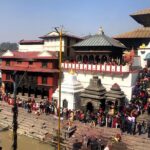
At Pashupatinath, you’ll see how Nepal’s Hindu tradition treats life, death, and prayer as part of the same spiritual cycle. I like the fact that the experience isn’t staged: you’re watching real rituals unfold right on the Bagmati River.
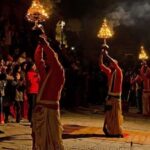
I also really value the second half of the night—the evening Aarati for Lord Shiva. The chants, the rhythm, and the oil-lamp glow give the whole place a different kind of energy once the light drops.
One clear consideration: this isn’t a gentle sightseeing stop. Watching open cremations is emotionally intense, and the walking plus outdoor conditions may be tough if you have back problems or mobility limits.
In This Review
- Key highlights you’ll feel in your first hour
- Why Pashupatinath and the Bagmati River hit hardest after 5 PM
- Getting there in a private vehicle: 3 hours that actually feel short
- Walking to Arya Ghat: what you’ll see during the open cremation rituals
- The Aarati at Pashupatinath: how to time your arrival for a good view
- Price and value: what $27 buys you (and what it doesn’t)
- Do you really need a guide? When explanation makes or breaks the night
- What to wear and bring for a respectful, comfortable evening
- Who should skip (or rethink) this tour for health and comfort
- Should you book Katmandu: Pashupatinath Open Cremation & Evening Aarati?
- FAQ
- How long is the Pashupatinath open cremation and evening Aarati experience?
- Is pickup and drop-off included in the price?
- What time should I arrive for the Aarati?
- Is a tour guide included?
- What should I bring?
- Is this tour suitable for children?
- Is it wheelchair accessible or good for people with mobility issues?
Key highlights you’ll feel in your first hour
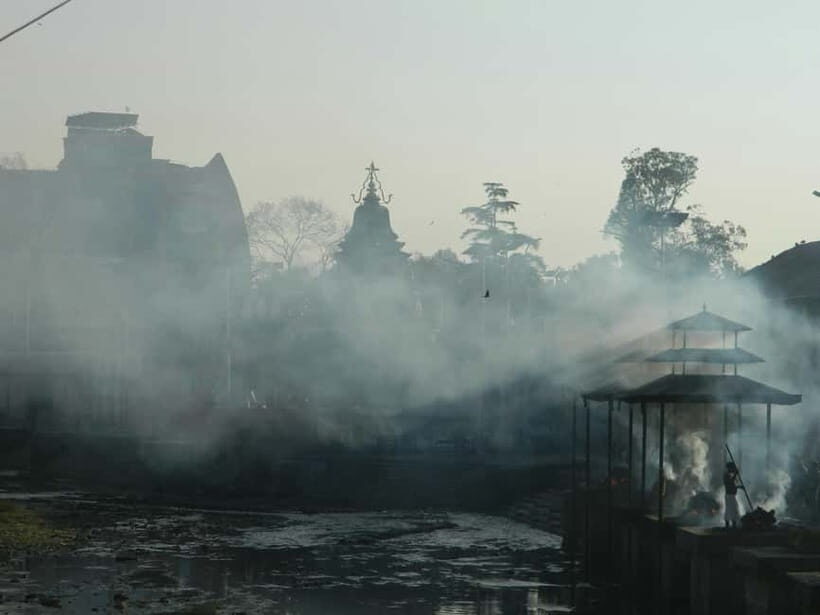
- Open cremation rituals at Arya Ghat along the Bagmati River, where cremation is tied to moksha (liberation)
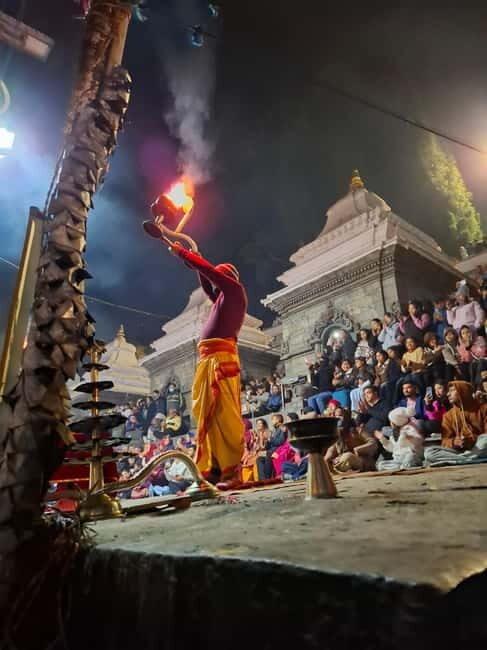
- Lord Shiva evening Aarati with chanting, rhythmic worship, and oil lamps after dark
- A strong sense of place at Pashupatinath, where spirituality happens in full view
- Timing matters: arrive around 5:30 PM to get a comfortable viewing spot for the 6:00–6:30 PM start
- You may get real explanation from your driver (one praised guide: Bhum Raj Tiwari)
Why Pashupatinath and the Bagmati River hit hardest after 5 PM
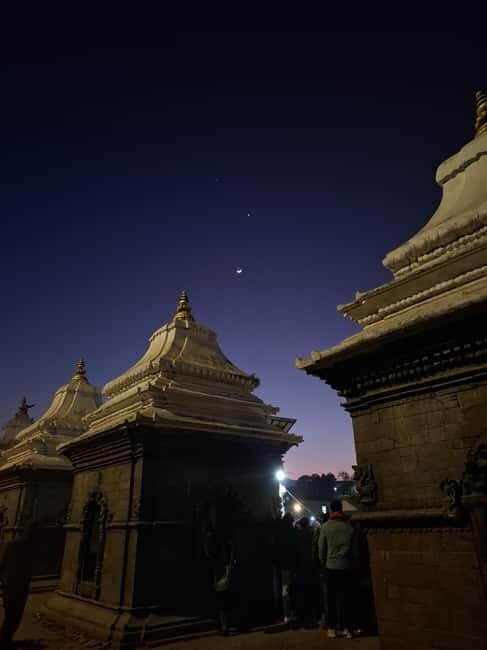
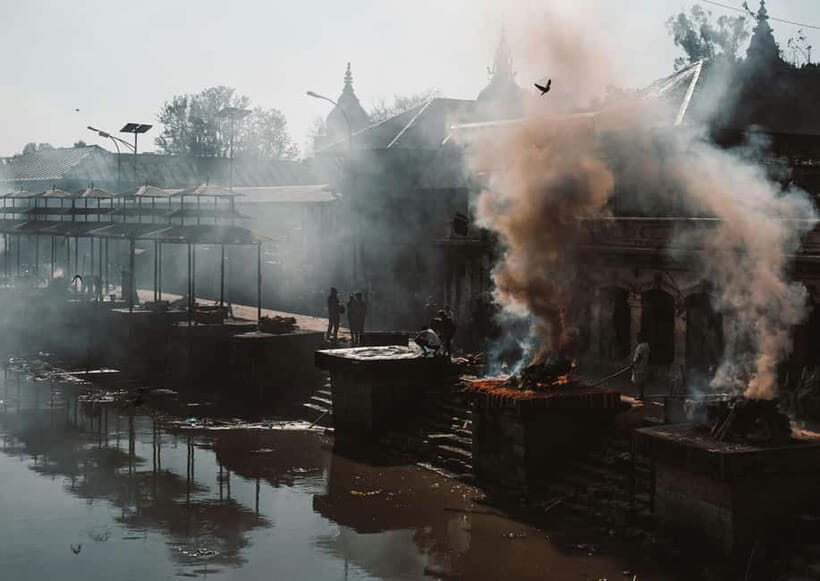
Pashupatinath isn’t a temple you simply visit—it’s a working spiritual center. The whole experience revolves around the Bagmati River, where Hindu funeral rites take place in the open.
The key detail for your expectations is moksha (liberation). Cremation here isn’t treated like a grim chore; it’s part of a belief system about releasing the soul. That belief doesn’t make the scene less difficult to watch—but it gives the rituals meaning, and it helps you make sense of what you’re seeing.
As evening comes on, you’ll notice a shift: the solemn cremation rituals may continue, while the Aarati begins to pull the mood toward devotion. If you’re expecting a normal cultural show, you’ll feel whiplash—in a good way, if you’re prepared.
You can also read our reviews of more evening experiences in Kathmandu



Getting there in a private vehicle: 3 hours that actually feel short
This tour is built around one compact window: about 3 hours, though it can run closer to 3–4 depending on pickup location and traffic. You’re picked up from your Kathmandu location, then driven to the temple complex.
Pickup works on a practical schedule: your driver arrives within a 15-minute window of the scheduled time. If you’re staying in a hotel, they’ll typically meet you at reception; if you’re at a private residence, you’ll wait at a clearly visible place. If your address is tricky—like a narrow alley—give detailed directions when booking.
Plan on walking once you’re there. You’ll be dropped at the main entrance, then you head toward Arya Ghat, the cremation site. Comfortable shoes aren’t optional here. You’re not going to be sitting the whole time.
Walking to Arya Ghat: what you’ll see during the open cremation rituals
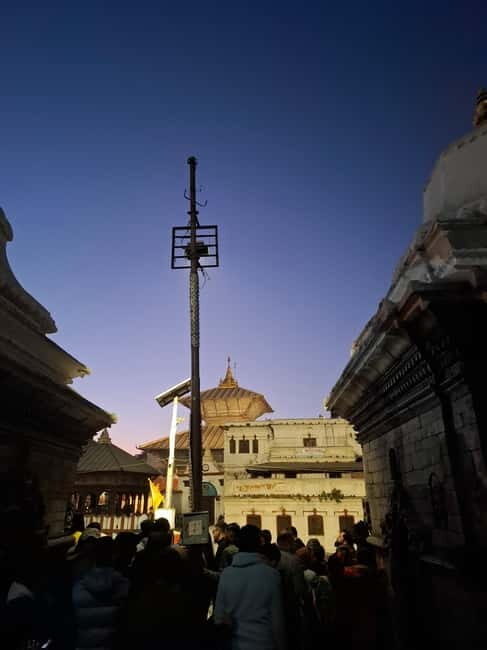
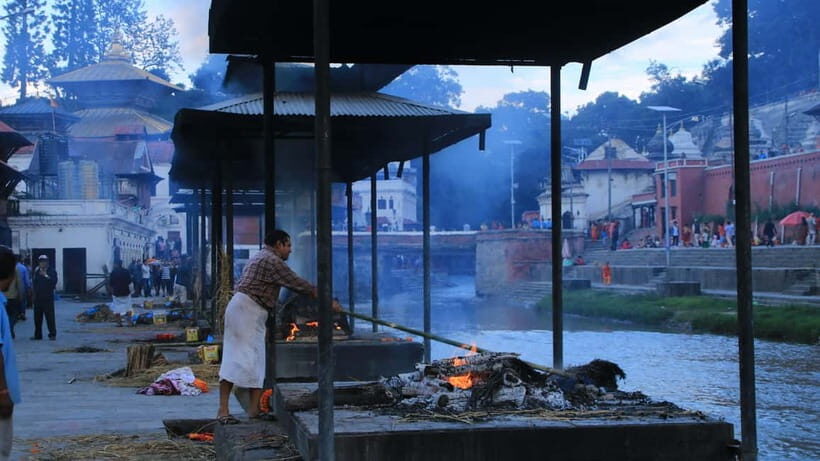
The first act of the evening is the open cremation area along the Bagmati River. From there, you can observe Hindu funeral rites in a way that’s direct and unfiltered.
Here’s what I’d underline for your mindset before you go: the experience can feel startling, especially if you’re coming from a culture where cremations happen behind closed doors. One German visitor, Anja, specifically said the tradition looked very frightening at first—but that explanations helped her understand the why behind it.
You’re also there for the spiritual framework: cremation at this holy site is believed to support a path toward moksha. Even if you don’t share the belief, it matters because it changes how people interpret the rituals. You’re not only watching bodies; you’re watching devotion, faith, and grief handled through ceremony.
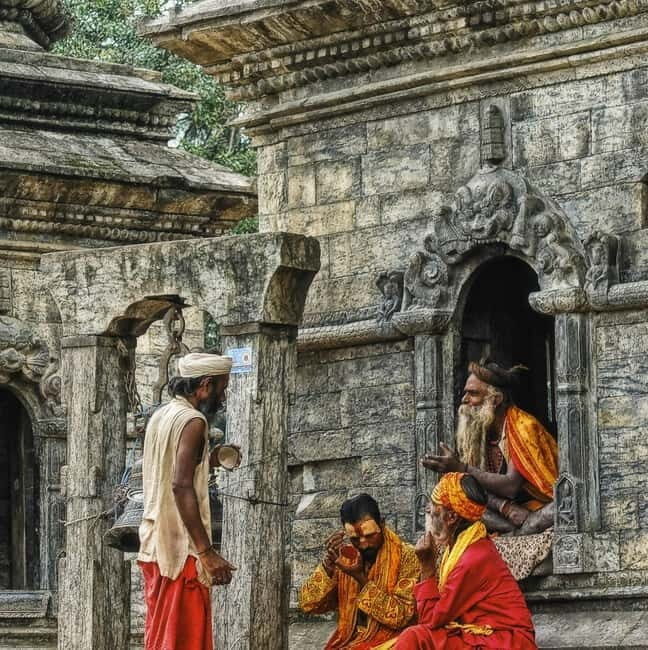
This section of the experience is also where respect counts. Wear modest clothing and keep your behavior quiet and considerate. You’re walking into a place where people are actively grieving and worshipping at the same time.
The Aarati at Pashupatinath: how to time your arrival for a good view
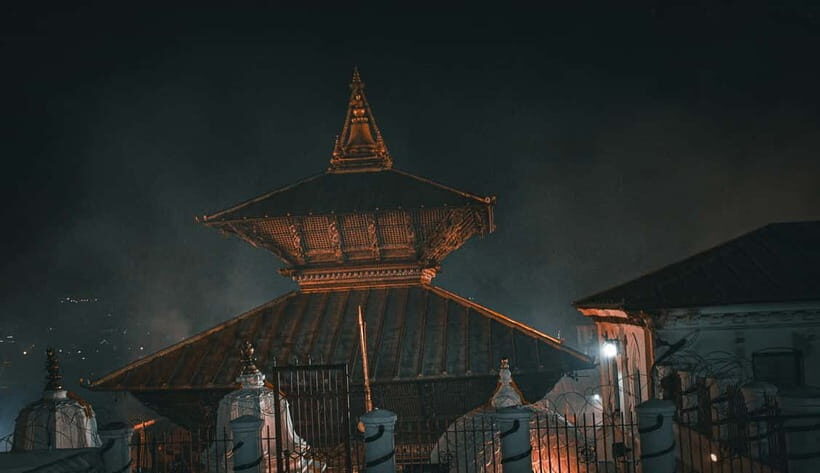
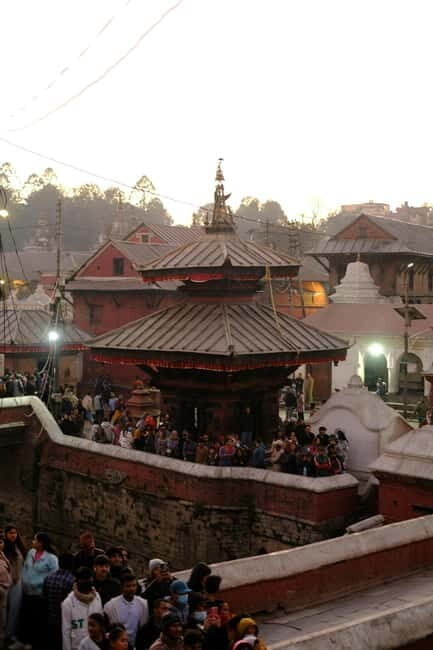
The second half is the Pashupatinath Aarati, dedicated to Lord Shiva. The tour is timed so you arrive early enough to get a comfortable spot.
The guidance is clear: aim to be in the Aarati area by 5:30 PM for the best viewing spot. The ceremony start window is 6:00 PM to 6:30 PM, and once it begins, you’ll want to be settled and ready.
What you’ll notice during Aarati is the sensory mix:
- chanting and devotional songs
- rhythmic call-and-response
- the glow of oil lamps
And yes—the cremation rituals may still be happening in the background while the worship unfolds. That contrast is exactly why this feels like more than a routine cultural outing. Life and death aren’t separated; they’re paired in the same sacred space.
If you’re someone who gets distracted easily, try to treat the Aarati like the “main event.” If you only focus on the cremations, you can miss the spiritual logic of the night’s flow.
Price and value: what $27 buys you (and what it doesn’t)
At $27 per person for about three hours, the value mostly comes from logistics, not interpretation. You get:
- an experienced driver
- drinking water
- pickup and drop-off
What you don’t get is what many people assume they’re buying: a tour guide and entry tickets. Meals also aren’t included.
So, the practical question becomes: will you be satisfied with driver support, or do you want more direct explanation on the meanings of what you’re seeing? The experience can be powerful either way, but context changes how heavy it feels.
There’s also a quality-to-price swing depending on your driver. One participant from Nepal praised a guide named Bhum Raj Tiwari for excellent English and thorough explanations. That kind of interpretation can transform the night from confusing to meaningful.
On the other hand, one dissatisfied traveler from Spain complained about late pickup, a car they felt wasn’t tourist-ready, and a driver with no English. That doesn’t mean every booking goes that way—but it does mean you should set expectations that the “tour” may lean more on visuals plus driver help, not on a full guided script.





Do you really need a guide? When explanation makes or breaks the night
The tour description says a tour guide isn’t included, but your driver may still explain what’s going on. In real life, that can be the difference between feeling lost and feeling oriented.
From the positive experiences, Bhum Raj Tiwari stands out. One visitor said his English was strong and that his explanations helped them understand why Hindus do these rituals. Another highlight from the same guide experience was how the conversation added to the overall evening.
From the negative experience, communication seems to have been the weak spot. If your driver doesn’t speak your language well, you might still understand the key beats—arrival, Arya Ghat, Aarati start—but you’ll have fewer “why does it work like this” moments.
My practical advice: if you want more interpretation, bring a few basic questions in mind. For example:
- What does moksha mean in this context?
- What’s the role of the river here?
- Why does Aarati happen at this time of day?
Even simple answers can help you process the scene rather than just absorb it.
What to wear and bring for a respectful, comfortable evening
You’ll be outdoors, and you’ll walk. The tour’s guidance is straightforward.
Bring:
- passport or ID card
- comfortable shoes
- a camera (if you’re allowed where you are standing)
- comfortable clothes
- cash
Wear:
- modest clothing since this is a religious site
- layers if you get cool at night (the tour suggests a light jacket if needed)
Also, keep in mind you’ll be moving between areas: main entrance, walking to Arya Ghat, then heading to the Aarati viewing zone.
If you’re the type who always overpacks—consider leaving extra bulk behind. Your hands and feet will thank you.
Who should skip (or rethink) this tour for health and comfort
This is not a good fit for everyone. It isn’t suitable for:
- children under 9
- people with back problems
- people with mobility impairments
- wheelchair users
- people with pre-existing medical conditions
There’s walking involved and you’ll be in outdoor conditions for a stretch of time. If your body doesn’t handle standing and uneven surfaces well, you’ll likely feel it.
If you’re traveling with kids, this one is also hard to justify. The scenes and emotions are intense, even if you explain the religious meaning.
Should you book Katmandu: Pashupatinath Open Cremation & Evening Aarati?
Book it if you want a real, spiritual experience—not just a temple photo stop. The combination of open cremation rituals tied to moksha and the Lord Shiva Aarati with chants and oil lamps creates a powerful arc to the night. And if you’re lucky with interpretation, you can leave with far more understanding than you came in with (that’s where guides like Bhum Raj Tiwari can make a noticeable difference).
Skip it if you’re looking for comfort, lighthearted sightseeing, or an accessible route for mobility needs. And if you know you get overwhelmed by death rituals, go with a different Nepal experience—or at least go prepared for that emotional weight.
FAQ
How long is the Pashupatinath open cremation and evening Aarati experience?
The tour is listed as about 3 hours, with timing that may stretch to 3–4 hours depending on your location and traffic.
Is pickup and drop-off included in the price?
Yes. You’re picked up from your Kathmandu location and dropped back at the same place at the end.
What time should I arrive for the Aarati?
You should plan to arrive at the Aarati area by 5:30 PM to get a good viewing spot. The Aarati starts sometime between 6:00 PM and 6:30 PM.
Is a tour guide included?
A tour guide is not included. The driver may provide assistance, but you should expect limited guided explanation compared with a full guided tour.
What should I bring?
Bring a passport or ID card, comfortable shoes, a camera, comfortable/modest clothing, and cash.
Is this tour suitable for children?
No. It is not suitable for children under 9 years old.
Is it wheelchair accessible or good for people with mobility issues?
No. It’s not suitable for wheelchair users or people with mobility impairments, and it may not work well for people with back problems or pre-existing medical conditions.