REVIEW · HIKING & TREKKING
Dancing in the Manaslu Circuit Trek
Book on Viator →Operated by Master Himalaya Treks and Expedition · Bookable on Viator
Hiking around Mount Manaslu feels personal because access is limited. This 12-day trek in Nepal blends high passes with Tibetan-influenced villages, prayer flags, and the kind of local music and dance moments that make the trail feel lived-in, not staged. You’re moving through river valleys, crossing big swings of terrain, and getting to see how people adapt to life at altitude.
I especially love the restricted-access feel. With fewer trekkers on the trail, villages like Jagat, Namrung, and Shyala tend to feel calmer, and you’ll notice more of the small details: stone houses, Mani walls, and monasteries you can actually slow down for. I also love the itinerary’s built-in rhythm for altitude, including an acclimatization day around Manaslu and the big crossing via Larkya La at about 5,100 m.
The one consideration is the altitude and long walking days. Even with a moderate fitness requirement, you’ll still be hiking high and far—so if you’re injury-prone or easily fatigued, plan on being more disciplined with pace and rest than you might be on a lower trail.
In This Review
- Key highlights to look for
- Why this Manaslu Circuit trek feels different from the “usual” routes
- The value of what’s included in your $1,390 price
- Day-by-day: what to expect and what each stage is really doing
- Days 1–2: Kathmandu to river valley walking (Maccha Khola → Jagat)
- Day 3: Jagat to Deng (a transition day that matters)
- Days 4–6: Namrung to Samagaun, with villages and monastery life
- Day 7: Acclimatization near Manaslu (the day you’re glad you have)
- Days 8–10: Larkya glacier country and the Larkya La pass crossing
- Day 11: Dharmapani descent through forest and villages
- Day 12: Jeep to Besisahar and back to Kathmandu
- The human side: guide support and why it matters on Manaslu
- Small logistics that affect your comfort (more than you’d think)
- Who this trek suits best (and who should think twice)
- What to pack and how to think about pacing (practical and unglamorous)
- Should you book Dancing in the Manaslu Circuit?
- FAQ
- How long is the trek?
- What transport is included from Kathmandu and back?
- Are meals included during the trek?
- Do I need permits for the trek?
- Is there a guide, and will they speak English?
- Do I need a porter?
- What’s the highest point on the route?
- What happens if weather is poor?
Key highlights to look for
- Limited trekking numbers: restricted access often means a quieter, more human pace through the Manaslu region.
- Tibetan-influenced culture on the trail: prayer flags, Mani walls, monasteries, and occasional local music and dance.
- Acclimatization built into the plan: you get a dedicated day near Manaslu, with optional hikes.
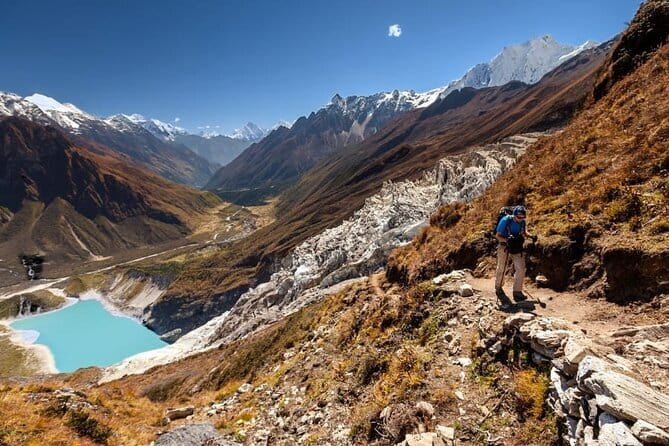
- The Larkya La crossing: big mountain views and classic pass-country feel, including glacier scenery.
- Well-supported logistics: full-board meals, a certified English-speaking guide, and transfers that reduce hassle.
- Private trekking for your group: only your group participates, which often makes the experience feel steadier.
Why this Manaslu Circuit trek feels different from the “usual” routes
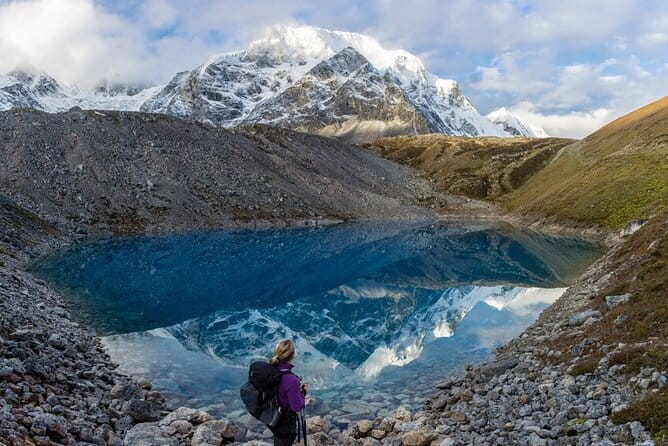
If you’ve done a crowded trekking route before, you’ll recognize the relief of fewer people on the trail. Manaslu’s restricted access is a real factor here: it helps keep villages quieter and makes cultural stops feel less like passing through a theme park line.
This trek also uses variety as a feature. You start in greener river-gorge country, work your way through Tibetan-influenced settlements, and then you hit the high, cold zone where the air changes and your planning has to change too. The name Dancing in the Manaslu Circuit isn’t random branding—there are moments of local music and dance that show up as part of the culture you’re walking through, not as an entertainment add-on.
Finally, the itinerary is built around practical mountain realities: long hiking days, a real acclimatization day, and the big high crossing when your body has already had time to adjust. For me, that balance is part of the value.
You can also read our reviews of more hiking tours in Kathmandu
The value of what’s included in your $1,390 price
At $1,390 per person for about 12 days, you’re not just paying for someone to lead you. You’re paying for a package that handles the stuff that turns a trekking dream into a trekking headache.
Here’s what moves the needle for value:
- Three full-board meals daily during the trek (breakfast, lunch, dinner). That matters because it reduces decision fatigue and keeps your energy up for long days.
- Permits and government taxes. Many treks quietly add cost via paperwork; this covers required items up front.
- Deluxe bus transfers between Kathmandu and Sotikhola, plus the return from Besisahar to Kathmandu. That keeps your start and finish smoother.
- A certified English-speaking guide and a first aid kit. On a trek with altitude exposure, having real support is not a luxury.
- Twin-sharing private rooms throughout. You’re not sleeping in dorm-style randomness.
- A farewell dinner, which is a nice morale builder after the final descent.
What’s not included is also important:
- Travel insurance is on you, as it should be.
- Personal expenses like phone charge, laundry, hot water, and mineral water.
- Porter costs: a porter is required, but you can hire one in Kathmandu or at Sotikhola.
- Tips for guide and porter.
So if you compare this to DIY trekking, the price starts to make sense fast. If you compare it to other guided treks, the meal plan, certified guide, and transfers are the main reasons it looks like good value on paper.
Day-by-day: what to expect and what each stage is really doing
This is a route that gradually pushes your body and your mind. Each day has a job: get you moving, get you acclimatized, or place you in position for the next high step.
Days 1–2: Kathmandu to river valley walking (Maccha Khola → Jagat)
You’ll drive out of Kathmandu and head toward Sotikhola and Maccha Khola area, switching transportation along the way. The first hiking day follows the Budhi Gandaki River, threading through rural villages and a more green, lower-altitude feel.
On day two, you pass Tatopani, known for a natural hot spring. You’ll continue toward Jagat, which sits in a more rural, stone-house village setting. This is a good “start slow” zone. Even if the total day time feels long on paper, you’ll be easing into the rhythm and building leg stamina.
Drawback to plan for: the early long travel plus hiking means you should protect your energy from day one. Treat this as conditioning, not conquest.
Day 3: Jagat to Deng (a transition day that matters)
You move from Jagat to Deng via Salleri. Days like this are where the trail starts to feel more remote, and you’re setting yourself up for the cultural stops that come next.
Expect more village walking, more stone and prayer details, and a shift toward the Tibetan-influenced vibe the region is known for. These are also the days where you’ll learn how your body handles sustained elevation gain.
Tip: keep your breakfast and lunch steady. When the route starts feeling tougher, inconsistent fueling can turn a manageable day into a slog.
Days 4–6: Namrung to Samagaun, with villages and monastery life
This stretch is where the trek stops being just scenic and becomes cultural. You go from Namrung, where you’ll see Prok village, Mani walls, and forest scenery, then onward to Shyala.
By Shyala → Samagaun, you’re approaching the higher, quieter zone. Samagaun is also where the trip’s spiritual side becomes more present. The trek includes a hike to Pungeyn Gumpa, which gives you a strong sense of monastery life and the deeper religious texture of the region.
Why I like this part: it breaks up the physical challenge with meaningful pauses. When you’re tired, it helps to have more than another bend in the trail to look forward to.
Day 7: Acclimatization near Manaslu (the day you’re glad you have)
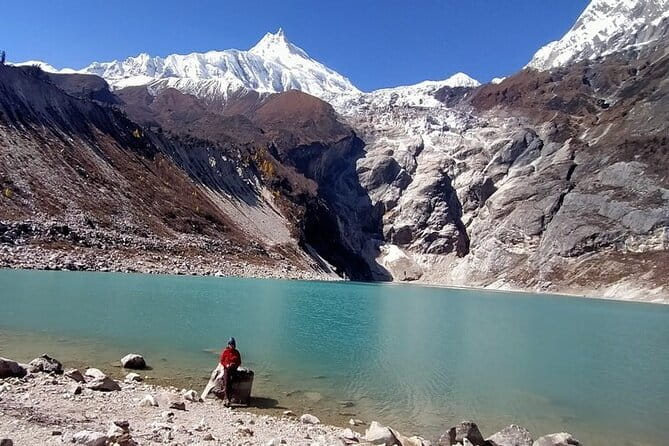
You take an acclimatization day in the Manaslu area. There’s an optional hike to Manaslu Base Camp and Birendra Lake, which is a classic way to test your altitude tolerance without jumping straight to the hardest pass segment.
This day is not wasted time. It’s the buffer that makes the later days safer and more comfortable. Even if you choose the shorter option, the extra time at altitude helps your body adjust—especially your breathing and sleep.
Drawback to consider: if you push too hard on the optional hike, you can still feel rough afterward. Acclimatization works best when you hike smart, not fast.
Days 8–10: Larkya glacier country and the Larkya La pass crossing
This is the core of the trek’s drama.
After Manaslu, you descend to the Budhi Gandaki River, cross a wooden bridge, and then head into high terrain where you can witness the Larkya glacier. The day is paced for a long day hike, and you’ll feel the temperature shift. The key is keeping steady effort when the trail gets icy and slow.
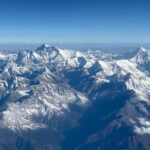
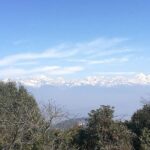
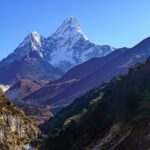
Then you continue through Larke Bazaar, while passing monasteries and Mani walls. You ascend toward Dharmasala, with major views that include the Larkya Glacier and peaks such as Cho Danda and Larkya Peak. The pass day also includes views of four frozen lakes as you reach Larkya La (about 5,100 m).
What to know before you go: the pass area isn’t just “high.” It’s also about footing, wind, and cold. Even with a guide and support, you need to take the cold seriously—dry layers, warm hat, gloves, and pacing matter.
Practical note: the itinerary places this crossing around day ten, after an acclimatization day. That’s the structure you want. Don’t try to outsmart it with a too-aggressive pace.
Day 11: Dharmapani descent through forest and villages
After the big crossing, you descend into lush, greener terrain. You move through forests, cross Dudh Khola, and pass Karche Village, then reach Dharapani.
This day often feels like a reward, but don’t get careless. Descent is hard on knees and ankles, especially after long days. Your legs may be grateful for greenery, but they still need careful steps.
Day 12: Jeep to Besisahar and back to Kathmandu
You take a jeep drive from Dharapani to Besisahar, then a 5-hour drive from Besisahar to Kathmandu. It’s a long finish day, but it’s also where the trek transitions from mountain mode to real-world comfort.
You end back at the meeting point area in Kathmandu. You’ll likely feel both relief and a little emptiness, because a good trek ends with your body finally letting go of that constant focus.
The human side: guide support and why it matters on Manaslu
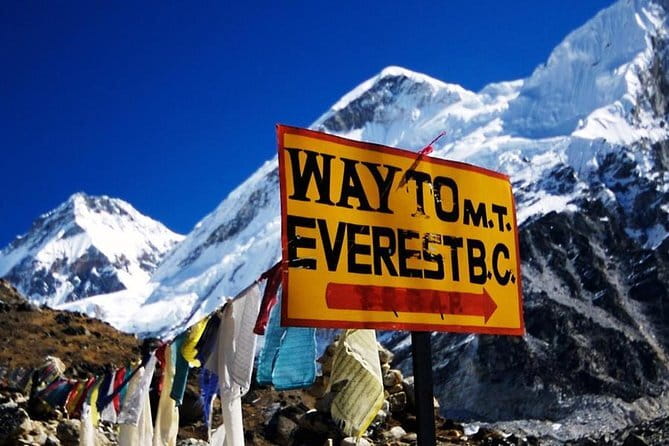
Trekking with a strong guide changes everything, especially when altitude, permits, and logistics are part of the experience.
Your trip is led by a government-certified, fluently English speaking guide, and that tends to show up in the way your day feels. Clear communication helps you pace better. It also helps with understanding the culture you’re passing—prayer flags, Mani walls, and monasteries aren’t just decorations when someone explains what to look for.
The support network also matters. People on this operator’s Manaslu treks have mentioned guides like Bijaya, Krishna, Lakpa, and Tenji as attentive and informative. Porters like Nema were also praised for being caring and reliable. One thing I’d pay attention to: if your guide is inclined to teach a bit of Nepali along the route, you might pick up small phrases that make villages feel more connected rather than just scenery.
Small logistics that affect your comfort (more than you’d think)
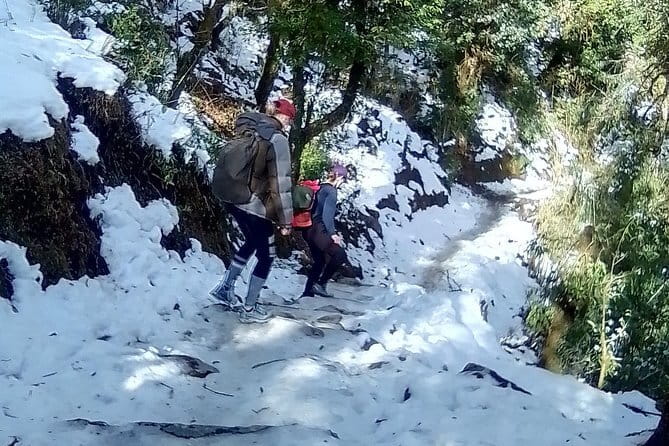
Even on a “simple” trek, logistics can make or break your stress level.
This tour uses:
- Deluxe bus transfers where included
- Shared jeep transportation for the Dharapani to Besisahar segment
- Twin-sharing private rooms along the way
- A first aid kit for basic medical needs
Also, the trekking is a private tour/activity, meaning it’s only your group. That can help when you want consistent pacing and less randomness around decisions like lunch timing or photo stops.
One more detail: porters are required. That’s a big deal. Carrying your full load at altitude can add fatigue you don’t need, and it also increases the chance of injuries when you’re tired. Plan for porter costs even though they’re not included.
Who this trek suits best (and who should think twice)
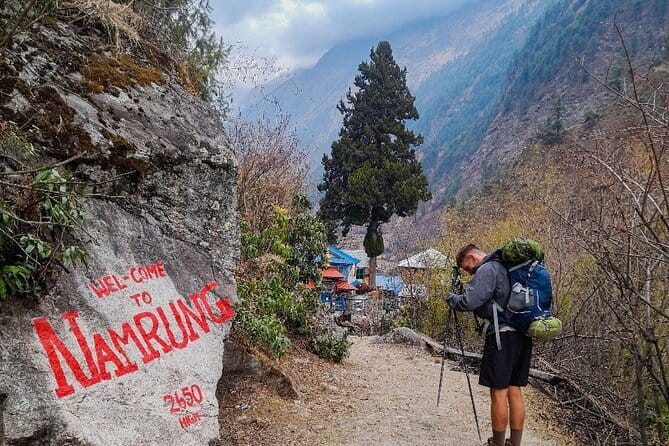
This is a fit choice if you want:
- A moderate physical challenge with long days
- Big altitude scenery, including Larkya La
- Cultural experiences tied to Tibetan-influenced villages and monasteries
- A quieter feel thanks to restricted access
It may be harder to match your needs if:
- You struggle with cold and long walking days
- You have knee or ankle issues that make descent dangerous
- You’re not comfortable with altitude planning, especially when icy footing is possible
If you’re going with family, this route can still work with the right pacing and caution, but I’d be realistic. The itinerary includes demanding segments, and the pass day is not the place to test your limits.
What to pack and how to think about pacing (practical and unglamorous)
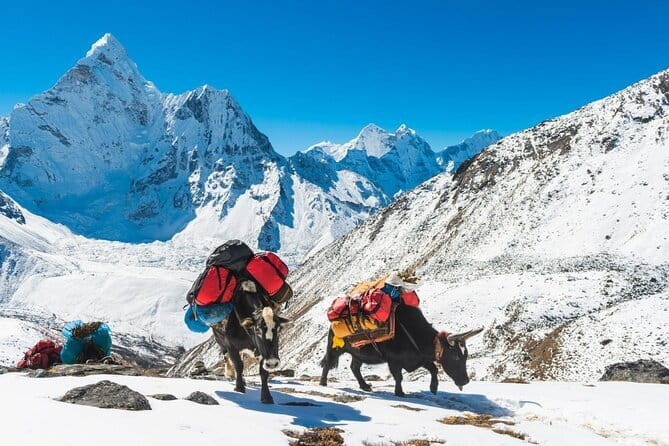
The tour data doesn’t list gear, but the route tells you what you’ll need. Cold, high wind, and longer days mean you’ll want layered warmth, gloves, and footwear with dependable grip.
Pacing is your safety tool. Long walking days plus altitude means you should:
- Start each day controlled, not excited
- Eat at lunch even if you feel you could skip it
- Drink enough so you don’t pay for dehydration later
- Treat the acclimatization day as a chance to arrive fresh
A funny but true point: on high passes, your brain wants to hurry. Your lungs disagree. Listening to your body is how you keep the day enjoyable.
Should you book Dancing in the Manaslu Circuit?
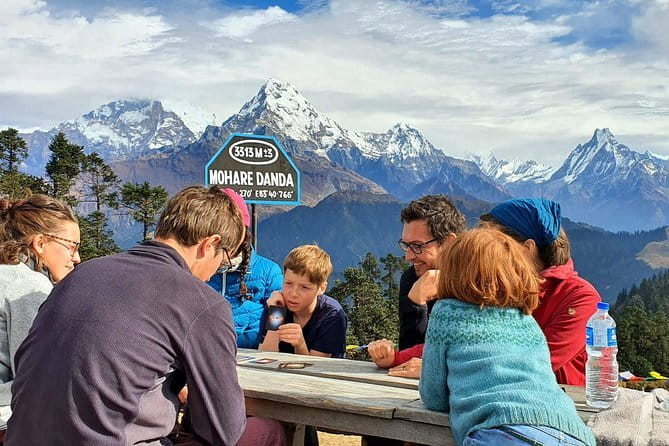
I’d say book it if you want a Manaslu experience that blends culture and high-mountain trekking without the big-crowd feel. The restricted-access route, the acclimatization day near Manaslu, and the included meals and permits make it a strong package for the price. The local music and dance moments are also a real plus if you enjoy meeting culture face-to-face.
I’d pause if you’re worried about altitude strain or if you hate long travel days and long hikes. Also, because a porter is required, make sure you’re comfortable with that added expense and how it changes your packing mindset.
FAQ
How long is the trek?
The trek is listed as approximately 12 days, with transfers included at the start and end of the journey.
What transport is included from Kathmandu and back?
You get a deluxe bus transfer from Kathmandu to Sotikhola, and a deluxe bus transfer from Besisahar back to Kathmandu. There’s also a shared jeep ride from Dharapani to Besisahar.
Are meals included during the trek?
Yes. The trek includes three full board meals each day (breakfast, lunch, and dinner) during the trekking portion, plus breakfast and dinner on the relevant days listed.
Do I need permits for the trek?
Yes, and the required permits and government taxes are included.
Is there a guide, and will they speak English?
Yes. The tour includes a government certified guide who is fluently English speaking.
Do I need a porter?
Yes. A porter is required for the trek, and you can hire one either in Kathmandu or at Sotikhola.
What’s the highest point on the route?
The route includes crossing Larkya La at about 5,100 m.
What happens if weather is poor?
This experience requires good weather. If it’s canceled due to poor weather, you’ll be offered a different date or a full refund.