REVIEW · EVEREST BASE CAMP TREKS
Everest Base Camp Trek
Book on Viator →Operated by Adventure Glacier Treks & Expedition · Bookable on Viator
Everest dreams turn real on this trek. The Everest Base Camp trek in Nepal mixes classic high-altitude hiking with jaw-dropping mountain views, and you get two big anchors along the way: Namche Bazaar for acclimatization and Ama Dablam for some of the most famous Khumbu scenery. I like that the company leans hard on guide know-how—people highlight guides like Sau Bir Rai and Roshan for making tough days feel organized and doable.
Two things I especially like are the tight logistics (domestic flight and airport transfers are included) and the careful, people-first guiding. One standout from recent trekkers: Roshan handled planning for accommodation, food, and transport even during busy periods, so you’re not stuck figuring out details mid-trip. One drawback to consider upfront: this trek requires strong fitness, and your biggest extra costs are not small—your accommodation and food are not included, and you’ll also want to budget for insurance and guide tips.
In This Review
- Key highlights that make this Everest Base Camp trip practical
- Ama Dablam and Namche Bazaar: the two moments you remember
- Kathmandu start point, permits, and the included pieces that reduce friction
- The 12-day rhythm: how the route stages feel as you go
- Phase 1: Preparation and moving into the Everest region
- Phase 2: Ama Dablam as a visual benchmark
- Phase 3: Namche Bazaar and acclimatization
- Phase 4: Continuing toward Everest Base Camp
- Phase 5: Return with the same support mindset
- Why the guide team matters more than you expect
- Price and logistics: what $990 covers, and what to budget on top
- Mobile ticket and confirmation: small details that matter on the ground
- Season choice: December can mean cooler air and quieter trails
- Who this Everest Base Camp trek is a good fit for
- Should you book this Everest Base Camp trip?
- FAQ
- What’s included in the $990 Everest Base Camp Trek price?
- What expenses are not included in the tour price?
- How long is the trek?
- Where do we meet in Kathmandu?
- Is this tour private?
- What is the cancellation policy?
Key highlights that make this Everest Base Camp trip practical
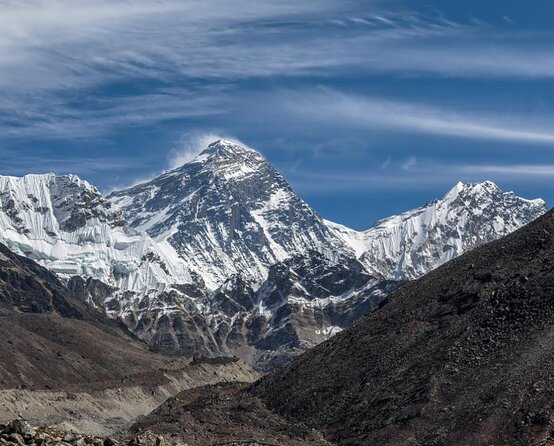
- Namche Bazaar acclimatization built into the experience, not treated like an afterthought
- Ama Dablam views on the route for climber-style mountain appreciation
- Domestic flight + airport transfers included, which can save real stress in Kathmandu
- Guides who manage day-to-day logistics, including guide accommodation/food support while you’re trekking
- Private tour setup, so your group can move together at the planned pace
Ama Dablam and Namche Bazaar: the two moments you remember
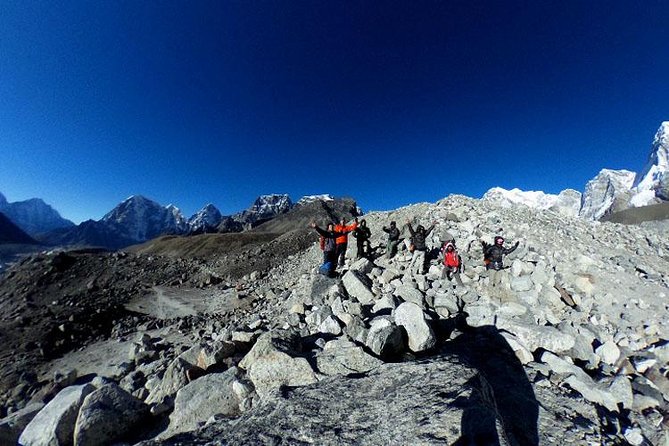
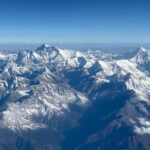
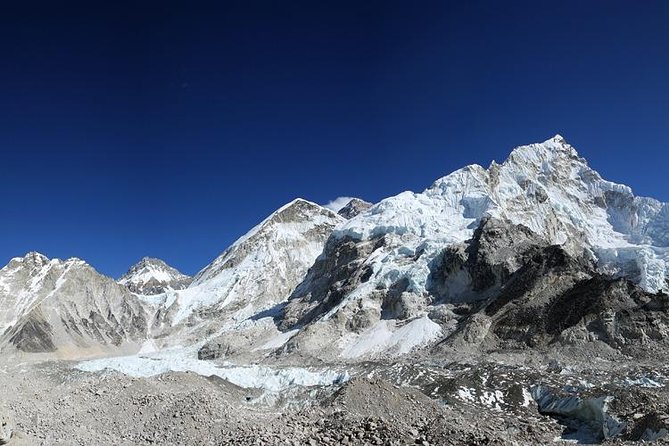
If you’re going to spend days walking toward Everest Base Camp, you want stops that make the effort feel like it’s lining up with real payoff. Here, Ama Dablam is presented as a major highlight. Even if you’re not a technical climber, the peak’s fame comes from its striking shape and the way it dominates the Khumbu Valley views. It’s the kind of mountain you look at and instantly understand why people chase altitude dreams in the first place.
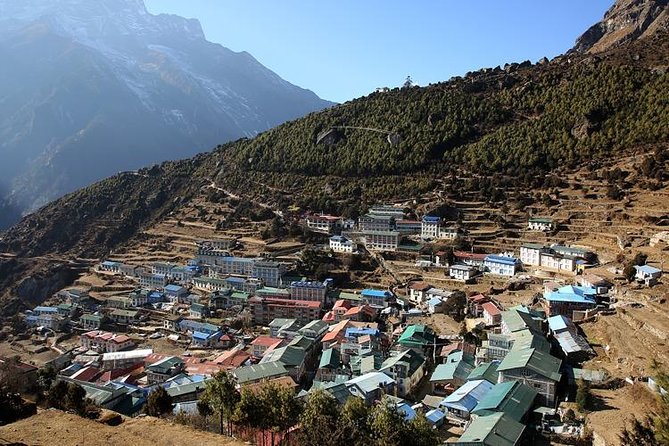
Then comes Namche Bazaar, the gateway town many hikers use as a turning point in a high-altitude trek. The key value is acclimatization. Instead of treating the Everest region like a straight line upward, Namche is where you slow down and let your body adapt. That matters, because feeling confident at altitude often comes down to how well the climb is paced, not how tough you feel on day one.
You can also read our reviews of more hiking tours in Kathmandu
Kathmandu start point, permits, and the included pieces that reduce friction
This trip starts back in Kathmandu at Adventure Treks Nepal P. Ltd., Thamel Marg, Kathmandu 44600, Nepal. If you’ve been to Thamel before, you know it’s the area where trekking planning happens fast—shops, offices, and lots of people talking routes. Even if you’re not into crowds, a central meeting point like this is useful because it makes pre-trek coordination simpler.
A big part of what you’re paying for is clarity and compliance. The price includes “necessary permits entrance fees,” plus a guide package that covers guide salary, guide food, equipment, and insurance during the trip. Those are not glamorous line items, but they’re the things that keep a trek moving and legal, and they protect the working team that’s supporting you.
Also included: airport transfer services for arrival and departure, and the domestic flight. That combination is a real value because domestic flight schedules can be the first point where a trip goes sideways for independent travelers. Getting those pieces handled means more energy for your trek—and less time standing around trying to solve logistics in a foreign airport environment.
The 12-day rhythm: how the route stages feel as you go
This program runs about 12 days, and it’s designed as a classic Everest Base Camp trekking flow rather than a long list of random activities. The exact day-by-day pacing isn’t spelled out here, so think in phases: Kathmandu prep, moving into the Everest region, acclimatization in Namche, and then continuing onward toward Everest Base Camp before returning to Kathmandu.
Here’s how those phases tend to function in a trekking mindset:
Phase 1: Preparation and moving into the Everest region
Your trip begins with the Kathmandu end of things handled for you: meeting up, getting your permits lined up, and getting the domestic flight and transfers sorted. This matters because you don’t want your first “hard” days to be about paperwork and transport delays.
Phase 2: Ama Dablam as a visual benchmark
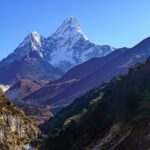
Ama Dablam is highlighted as a stop, which tells you the route isn’t only about walking. It’s also about getting the kind of mountain sightlines that make people stop mid-trail just to stare. For a lot of hikers, seeing Ama Dablam clearly is the moment the trek feels real—like you’re no longer just going “toward a goal,” you’re actually inside the Everest story.
Phase 3: Namche Bazaar and acclimatization
Namche Bazaar is the altitude checkpoint. This is where you slow down enough for high-altitude acclimatization to matter. Even if you feel great on earlier days, your body usually needs this structured adjustment so later altitude feels more manageable.
Phase 4: Continuing toward Everest Base Camp
The destination is Everest Base Camp, where trekkers and mountaineers from around the world gather before pushing bigger ambitions. That global mix is part of the emotional payoff: you’re not only chasing views, you’re arriving at a place that functions like a hub for the entire Everest community.
Phase 5: Return with the same support mindset
On the way back, having a guide who knows the routine helps keep your pace steady and your energy budget realistic. The itinerary format here is private, so it’s not “everyone for themselves,” which usually makes the return days feel calmer.
Why the guide team matters more than you expect
On paper, trekking is walking. In real life, trekking is people. What stands out in the feedback provided is how guides handle the unglamorous parts—planning, timing, and staying attentive when conditions and needs change.
One trekker called out Sau Bir Rai for an experienced, supportive approach. Another highlighted Roshan for organizing accommodation, food, and transport during a busy season, with the big takeaway being that the plan stayed under control. That’s important: a smooth trek isn’t just about scenic days, it’s about not having to scramble for details when you’re tired.
You also see multiple guide names tied to strong care: Dipak for friendliness and attentiveness on an EBC + Gokyo private tour, Dil for answering questions during the planning stage, and Arjun for taking close care of a family group that included varying needs and a medical situation. That combination—planning support before you go, plus attentive care while you’re on the trail—usually makes a bigger difference than people realize.
One practical note from the trip details: guide tips are expected. That’s not unique to this operator, but it’s one reason you should treat tips as a budget line item, not an afterthought.
Price and logistics: what $990 covers, and what to budget on top
At $990 per person for about 12 days, this package is not the cheapest way to reach Everest Base Camp. But the value can make sense if you add up what you’d otherwise have to arrange yourself.
Here’s what’s included:
- Domestic flight
- Necessary permits and entrance fees
- Guide salary, guide food, equipment, and insurance
- Airport transfers for arrival and departure, including domestic flight
Here’s what’s not included:
- Beverages
- Tips
- Your travel insurance
- Personal expenses
- International flight tickets and Nepal visa fee
- Accommodation and food of the guest
That last bullet is the big one. If you’re the kind of traveler who wants full-service creature comforts and you plan to eat more than basic meals, your actual out-of-pocket can climb fast. Still, the trek price is doing a lot of the heavy lifting with flight logistics and permits, plus it covers the working guide’s core costs.
Also, this is described as a private tour/activity, so only your group participates. Private setups often cost more, but in a trek, privacy can translate into more flexibility about pacing and rest. The catch is you’ll want your group to share a similar hiking comfort level.
Mobile ticket and confirmation: small details that matter on the ground
This trip includes a mobile ticket, and you’ll receive confirmation at booking time. Those may sound minor, but they matter in Nepal, where having your paperwork and confirmation easy to show can save time at the start.
And since the meeting point is clearly stated in Kathmandu, you’re not guessing where to go the morning things begin. That reduces stress for the first day, which is when travelers tend to feel the most unsure.
Season choice: December can mean cooler air and quieter trails
One piece of experience shared here is about trekking in December, described as cooler with trails that felt more empty. That’s useful if you’re trying to avoid the busiest crowd energy. It’s also a reminder that Everest region treks can change a lot month to month, so it’s worth matching your comfort with cold and your preference for busier or quieter trails.
If you’re sensitive to cold, you’ll want to plan gear and layers with care. If you hate crowds and want more breathing room, off-season travel like December is often where that trade-off works best.
Who this Everest Base Camp trek is a good fit for
This trek is listed for travelers with strong physical fitness. That doesn’t mean you must be an athlete, but you should be ready for long walking days and the realities of altitude. If you’re new to altitude trekking, you’ll want to be honest with yourself about your conditioning and your willingness to slow down when your body asks.
This is also a solid choice if you want a private experience with high structure: flights handled, permits handled, guide support built in. The comments tied to guide planning support—like answering questions before the trek and organizing logistics during busy times—suggest a good fit for travelers who want guidance but don’t want to manage every detail.
Should you book this Everest Base Camp trip?
I’d book this trek if you want a guided Everest Base Camp experience with Namche acclimatization built in, and you value logistics support like the domestic flight and airport transfers. The included permits, guide insurance, and guide equipment coverage also make it feel more like a real trekking service than a barebones itinerary.
I’d hesitate if you’re budget tight on trip extras, because guest accommodation and food are not included, and you’ll still need insurance, beverages, and tips. Also, be honest about your fitness level—this is not framed as a casual stroll.
If you want flexibility, note that cancellation is offered with free cancellation up to 24 hours in advance for a full refund, so you can keep some breathing room while you sort your plans.
FAQ
What’s included in the $990 Everest Base Camp Trek price?
The package includes a domestic flight, necessary permits and entrance fees, guide salary, guide food, equipment, and insurance, plus airport transfer services for arrival and departure (including the domestic flight).
What expenses are not included in the tour price?
Beverages, tips (including expected guide tips), your insurance, personal or nature expenses, accommodation and food of the guest, and international flights plus the Nepal visa fee are not included.
How long is the trek?
The duration is listed as about 12 days.
Where do we meet in Kathmandu?
The meeting point is Adventure Treks Nepal P. Ltd., Thamel Marg, Kathmandu 44600, Nepal.
Is this tour private?
Yes. It’s described as a private tour/activity, so only your group will participate.
What is the cancellation policy?
Cancellation is free. You can cancel up to 24 hours in advance of the experience start time for a full refund; within 24 hours, the amount paid is not refunded.
If you want, tell me your travel month and your experience level (first time at altitude or not). I can help you sanity-check whether this pacing and season fit your comfort.