REVIEW · KATHMANDU CITY & WALKING TOURS
Kathmandu Full Day Tour
Book on Viator →Operated by Outfitter Nepal · Bookable on Viator
Four shrines, one smooth day in Kathmandu. This full-day circuit strings together UNESCO sites with both Hindu and Tibetan Buddhist meaning, so the city feels connected instead of random stops. You also get hotel transfers, which matters in Kathmandu where meeting points can be harder than you think.
What I like most is the combo of major monuments in a short time window, plus the way the local guide explains what you’re actually looking at. I also love that the route is set up to feel like an intro to the city, not a marathon of temples with zero context.
The main trade-off: entrance tickets are not included, and the schedule moves, so you’ll want to pace yourself and bring patience for walking and crowds.
In This Review
- Key highlights worth your time
- How this Kathmandu loop earns its keep
- Swayambhunath: the Tibetan Buddhist stupa stop that sets the tone
- Kathmandu Durbar Square (Hanuman Dhoka): palace courtyards and UNESCO gravitas
- Pashupatinath Temple: Shiva’s major shrine in a Hindu pilgrimage setting
- Boudhanath Stupa: the largest finale with serious spiritual atmosphere
- Price and logistics: what $70 really covers
- Pickup and getting around: why hotel transfers are a big deal
- Guide quality: what to look for and how to be ready
- Earthquake impact: how to interpret what you see
- Should you book this Kathmandu Full Day Tour?
- FAQ
- How long is the Kathmandu Full Day Tour?
- Does the tour include hotel pickup and drop-off?
- Are UNESCO entrance fees included in the price?
- Is lunch included?
- What’s the maximum group size?
- Can I get a full refund if I cancel?
Key highlights worth your time
- Hotel pickup and drop-off so you spend less time figuring out logistics
- UNESCO religious landmarks in one run rather than separate half-days
- Small group limits (max 30) with private transportation
- Guide-led storytelling across Hinduism and Tibetan Buddhism
- Boudhanath’s big stupa moment as a strong finale to the day
- Chance for great photos thanks to guides who know the spots to stop
How this Kathmandu loop earns its keep
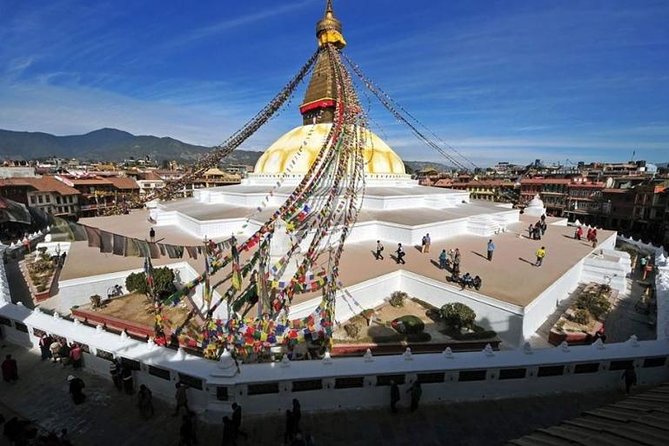
Kathmandu can feel like sensory overload on day one. This tour helps by giving you a clear route to the city’s most important spiritual landmarks, with a guide who ties the sites together through religion and history. In practical terms, that means you’re not just taking photos—you’re building a mental map fast.
It’s also built for real schedules. The tour runs about 6 hours, and it’s designed so you can get a lot done without needing a second day just to see the classics. If you’re on a tight timeline, this is the kind of day that can make the rest of your trip feel easier.
You’re paying $70 per person, which is not cheap for a “walk around” day. But the value is in the included guide, private transportation, and the hotel-to-hotel transfers. Entrance tickets and lunch cost extra, so I’d treat the ticket budget as part of the real price from the start.
And yes, there’s an important on-the-ground note: some sites here saw significant damage after the April and May 2015 earthquakes. You might notice repairs, barriers, or altered areas. It doesn’t erase the meaning of the places—it just affects what you can access and how things look up close.
You can also read our reviews of more tours and experiences in Kathmandu

Swayambhunath: the Tibetan Buddhist stupa stop that sets the tone
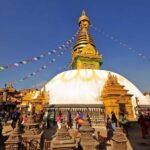
Your day often starts at Swayambhunath Temple, a Tibetan Buddhist stupa area that’s known for pulling first-time visitors in. Expect a stop that’s built for looking slowly. Even with a one-hour slot, you’ll have time to take in the mix of sacred space and city energy.
What makes this start smart is momentum. By going here first, you shift into a Buddhist frame early, then you’ll layer in Hindu landmarks later. That order helps you read Kathmandu’s spiritual map instead of jumping between traditions without context.
Practical tip: wear sunscreen and comfortable shoes. Even on tours with short stop times, temple areas can mean uneven ground and short walks between viewpoints. One rough moment can happen fast in Kathmandu heat.
Also, plan for the fact that admission tickets are not included for this stop. That means you should budget for tickets across multiple UNESCO sites, not just one.
Kathmandu Durbar Square (Hanuman Dhoka): palace courtyards and UNESCO gravitas
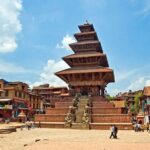
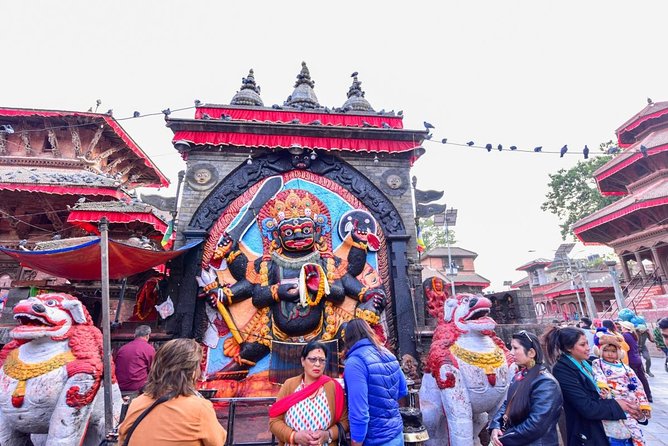
Next comes Kathmandu Durbar Square, part of the old royal complex area often linked with Hanuman Dhoka / Basantapur. This is one of the big UNESCO-listed moments in the city, and it has a different feel from the stupa sites. Instead of one dominant religious structure, you’re looking at an ensemble of palace-like spaces—courtyards and temples tied to the city’s ruling past.
This stop is where the day becomes less about one symbol and more about architecture and place. In an ideal tour day, the guide’s job here is to explain how the monuments connect to Kathmandu’s older identity, so you understand why this square matters beyond being another postcard spot.
A possible drawback: Durbar Square areas can be crowded. If your group pace is brisk, you may find yourself moving from one viewpoint to the next. I’d keep your expectations realistic—one hour is enough to get oriented, but not enough to “study” every corner.
Like the other UNESCO stops, entrance fees are not included, and you’ll likely add tickets as you go.
Pashupatinath Temple: Shiva’s major shrine in a Hindu pilgrimage setting
After Durbar Square, the tour heads to Pashupatinath Temple, devoted to Lord Shiva. This is one of the four most vital Shiva-related religious sites in Asia for devotees of Shiva, and the site is described as having existed from the fifth century, later redesigned by the Malla rulers.
That timeline matters because it changes how you look. You’re not just seeing a temple—you’re seeing layers of redesign across centuries. A good guide makes this come alive by pointing out how the site’s identity developed over time, and what that means for religious practice today.
Here’s another practical reality: temple areas can come with rules about where you can stand and how you move. Your guide will help, but you should still expect a bit of waiting and some careful walking. Keep your camera ready, but don’t rush the moment.
Also remember the tour warns that some sites have earthquake-related damage. At Pashupatinath, you may spot repairs or changes in surroundings. Don’t let that distract you from the core experience: seeing one of the most important Shiva shrines in the region.
Boudhanath Stupa: the largest finale with serious spiritual atmosphere
The day’s finale is Boudhanath Stupa, described as the largest stupa in the Kathmandu Valley and a standout religious landmark. You’ll spend around an hour here, and this is typically the stop that feels most “whole”—big scale, strong symbolism, and a lot of people arriving with purpose.
Boudhanath is also famous for its size in the tour notes: the stupa is described as 36 meters high. That matters because even if you’re not a deep religious history person, scale changes your experience. You can’t ignore it.
This is also a good place for a slower photo stop if your guide is supportive about timing. Some guides on this kind of tour are also good photographers, and that can help you take photos without ruining the flow for others.
About food: lunch is not included, so don’t expect the tour price to cover a meal. That said, you might find a chance to eat around the Boudhanath area during the day if there’s time, but it’s not guaranteed as part of the package.

Price and logistics: what $70 really covers
Let’s talk value in plain terms. The tour is priced at $70 per person, booked on average about 8 days in advance. It includes:
- Local tourist guide
- Small group departure
- Private transportation
- Hotel pickup and drop-off
- Mobile ticket
What it does not include:
- Entrance fees to UNESCO sites (approx 2600 NPR per person)
- Lunch
- Shopping
That entrance-fee detail is important. For most people, this turns “cheap sightseeing” into “sightseeing + tickets.” If you’re budgeting, add that 2600 NPR to your plans and you’ll feel less surprised when tickets come up during the day.
On duration: plan for about 6 hours total. That includes travel between sites and time for people to join at pickup spots. It’s a full day, just not a full-day marathon. You’ll likely end the tour tired in the good way.
Group size: the tour notes a maximum of 30 travelers. Even with that, reviews and structure point to small-group behavior and private transportation, which usually means less waiting and fewer chaotic herd moments than some bus-style tours.
Pickup and getting around: why hotel transfers are a big deal
Kathmandu streets can be confusing if you’re doing them alone, especially on day one. What you’ll appreciate here is the pickup offered and the drop back at your hotel after the tour. That removes the stress of figuring out where to meet, how to reach it, and how to return without a headache.
The tour also says the meeting times operate daily from 9:15 AM to 5:15 PM, which helps you choose a first-day slot that doesn’t blow up your schedule. If you’re arriving late or want a relaxed first day, you can still find a workable window.
One small note for planning: because this is a group tour with pickups, you should be ready for slight timing adjustments. Build a little buffer into your day so you don’t feel rushed.
Guide quality: what to look for and how to be ready
A big part of why tours like this work is the guide. The standout praise in the guide style is about English clarity and making the sites feel alive. One guide name that comes up is Birodh Burlakoti, praised for deep understanding and very good English, plus an easygoing, funny approach. Another Birodh is described as helping a solo traveler feel comfortable and showing extra insights in Thamel.
So what should you do with this info? Choose your expectation level:
- If you want history explained in a clear way, this guide-led format is the right approach.
- If English pronunciation matters to you for place names, you might still want to keep your ears open and follow the guide rather than trying to pronounce everything yourself.
Pace is the other practical piece. One negative experience includes a situation where a vehicle had an unexpected issue and the group walked in hot, dusty street conditions for more than 30 minutes. Another issue was that one guide’s pace made it hard for even younger and fittest participants to keep up.
You can’t control those surprises, but you can soften the impact:
- Bring water and sunscreen.
- Wear shoes you can walk in for an unplanned stretch.
- If you need a slower pace, say so early. A good guide can often adjust stop order within limits.
Earthquake impact: how to interpret what you see
The tour specifically warns that some visited sites were significantly damaged during the April and May 2015 earthquakes. That means you may see repair work or areas that don’t look exactly like the photos you’ve seen.
I’d treat that as part of the story, not a flaw. Kathmandu’s monuments matter partly because they’ve survived long timelines, and in a modern city they also show the work of rebuilding. When you notice damage or changes, your guide’s explanations can turn it from a distraction into context.
If you’re the kind of traveler who likes to understand what you’re seeing, this note sets you up for a richer experience. If you want perfection, well—this is Kathmandu. You’ll still get the meaning, just with a few scars visible.
Should you book this Kathmandu Full Day Tour?
Book it if you’re:
- In Kathmandu for a short time and want a high hit-rate day
- A first-timer who wants Hindu and Tibetan Buddhist context in one route
- The type who likes being guided through UNESCO highlights without planning transport between stops
I’d think twice if you:
- Hate brisk schedules or long walking stretches
- Have a tight budget for tickets, since entrance fees (about 2600 NPR per person) and lunch are extra
- Need very slow pacing or step-free movement (this tour isn’t described that way in the details provided)
If you do book, go in prepared: sun protection, comfortable shoes, and a realistic plan for ticket costs. Then let the guide do the heavy lifting—especially on the meaning behind Swayambhunath, the palace square at Hanuman Dhoka, the Shiva focus at Pashupatinath, and the massive closing moment at Boudhanath.
FAQ
How long is the Kathmandu Full Day Tour?
It’s listed at about 6 hours.
Does the tour include hotel pickup and drop-off?
Yes. Pickup from your hotel and drop at your hotel after the tour are included.
Are UNESCO entrance fees included in the price?
No. Entrance fees to visit the UNESCO sites are listed as approximately 2600 NPR per person.
Is lunch included?
No. Lunch is not included.
What’s the maximum group size?
This tour notes a maximum of 30 travelers.
Can I get a full refund if I cancel?
Yes. It offers free cancellation, and you must cancel at least 24 hours in advance for a full refund.