REVIEW · 2-DAY EXPERIENCES
Pokhara: 2 Day Ghorepani & Poon Hill Private Trekking
Book on GetYourGuide →Operated by Nepal Trip Creator · Bookable on GetYourGuide
Sunrise at Poon Hill is the whole point. This 2-day private trek from Pokhara layers a mountain-cabin feel with Poon Hill sunrise over Annapurna and Dhaulagiri. You get a manageable plan, plus a guide who keeps the day moving and the details handled.
I especially like the way this trip sets you up for early-morning views. Reaching Poon Hill (3,210m) around dawn pays off with a sky-to-mountain show you can enjoy even on a short schedule. I also like the human side: Gurung villages along the way, plus teahouse-style stays in tourist-standard lodges that keep things comfortable.
One thing to plan for: the road portion can be a grind. The drive from Pokhara to Tikhedhunga/Ulleri is listed at about 3 hours, but a bumpy bus ride can stretch longer and feel tiring before you even start hiking.
In This Review
- Key points to know before you go
- Poon Hill in Two Days: What the Short Format Really Means
- Pokhara to Tikhedhunga/Ulleri: The Ride Is Part of the Experience
- Day 1: Ascending Through Fields, Forest, and Gurung Village Life to Ghorepani
- Teahouses and Lodge Comfort: What You’ll Actually Experience Overnight
- Day 2 Around 4am: The Poon Hill Climb and the Sunrise Payoff
- Guides, Permits, and the Small Details That Make This Feel Smooth
- Price and Value: What $129 Gets You (and What It Doesn’t)
- Who This 2-Day Poon Hill Trek Fits Best
- Packing Tips: Warm Layers, Shoes, and a Realistic Mindset
- Should You Book This Private Ghorepani and Poon Hill Trek?
- FAQ
- How long is the Pokhara to Ghorepani and Poon Hill trek?
- What’s the route from Pokhara?
- What time do we start on the second day for sunrise?
- What is the altitude of Poon Hill and Ghorepani?
- Is the sunrise over the Annapurna and Dhaulagiri ranges included?
- Are meals included in the price?
- What’s included in the tour cost?
- Do I need to pay extra for a porter?
- Who is this trek not suitable for?
Key points to know before you go
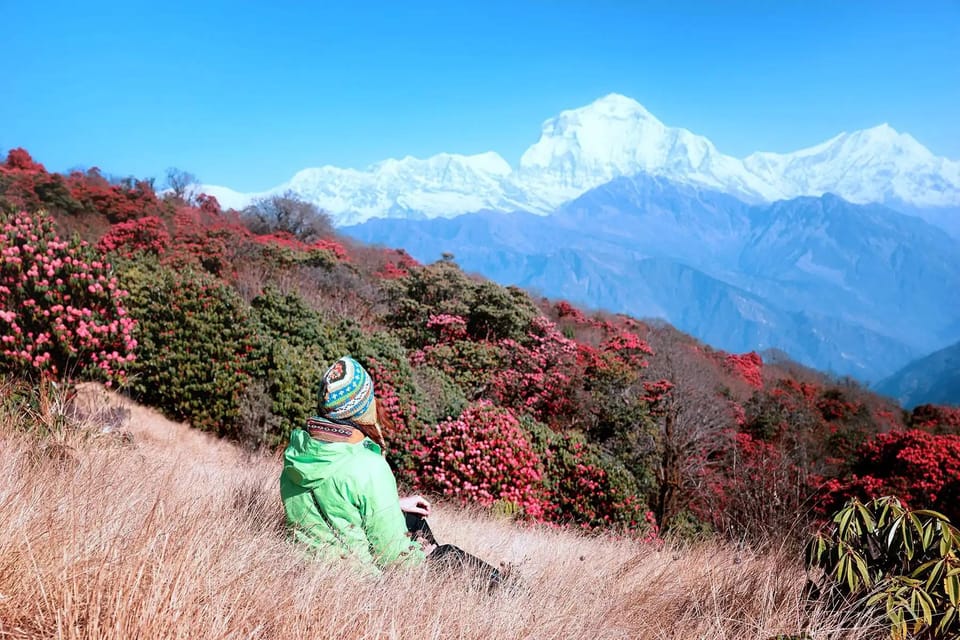
- Poon Hill sunrise is the centerpiece: start your climb early (around 4am) for the first light over Annapurna and Dhaulagiri.
- You get rhododendron forests and Gurung villages: the trail mixes green slopes with real village life.
- Ghorepani is your night base: sleep around 2,850m before the push to Poon Hill.
- Transportation is included: hotel/airport pickup in Lakeside Pokhara plus round-trip bus transport.
- Your guide handles the practical stuff: including permits, TIMS, and the general coordination of food and accommodation.
- Meals are extra: you’ll buy meals at the lodges, while lodging is included.
Poon Hill in Two Days: What the Short Format Really Means
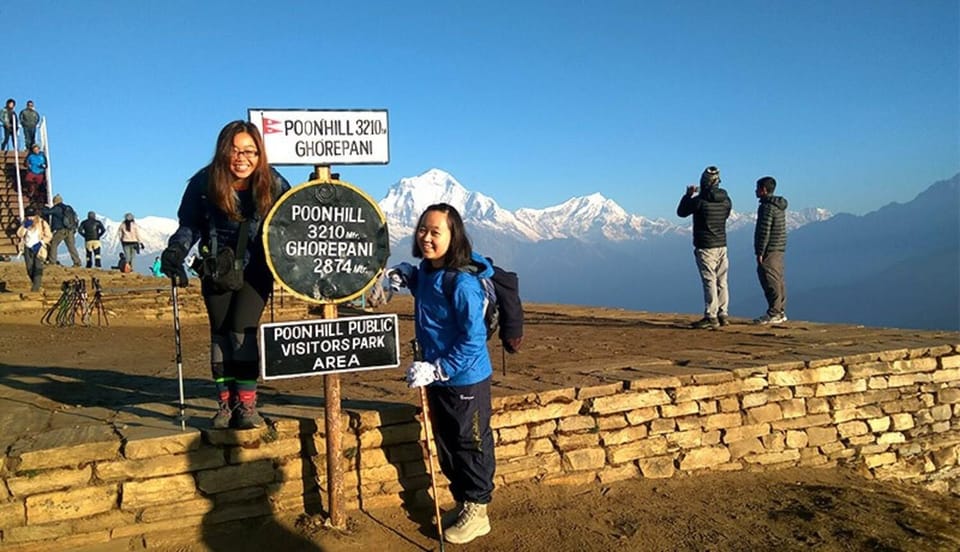
This is a classic Annapurna-area sprint. You’re not signing up for weeks of trail time. You’re signing up for a compact route that gets you to Ghorepani, then up to Poon Hill for sunrise, with a return to Pokhara by day’s end.
The upside of the short format is focus. You’ll spend most of your effort on the part that matters most to most people: the early light over the big peaks. The tradeoff is that Day 2 starts early and the climb to Poon Hill involves steep, demanding steps. It’s doable for many hikers, but it is not a “sleep in and stroll” plan.
If you like structure and you’re new to trekking, this two-day setup is also a confidence builder. You have a guide, permits handled, and fixed lodging. That’s a big deal when you want to enjoy the mountains without turning the trip into a logistics project.
You can also read our reviews of more private tours in Kathmandu
Pokhara to Tikhedhunga/Ulleri: The Ride Is Part of the Experience
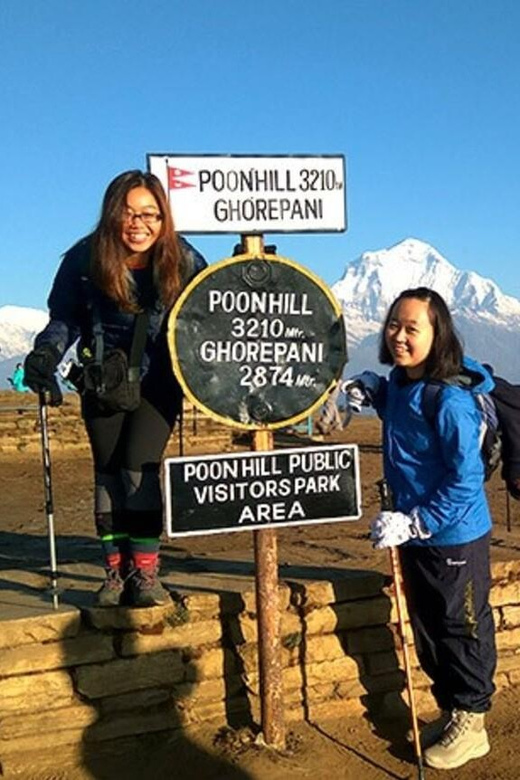
Most of your discomfort risk is not on the trail. It’s on the drive up from Pokhara to Tikhedhunga/Ulleri. The trip description points to about a 3-hour drive, and the overall tone is that it’s a comfortable 4WD-style transfer. But one practical note from real-world timing: the bus ride can run 5+ hours and can be bumpy.
So here’s how I’d think about it: treat this as the “pre-trek leg day.” You’ll want to arrive already settled in, with water ready and warm layers packed. If you’re prone to motion sickness, consider taking precautions before you go, because the ride won’t be perfectly smooth.
The good news is the company simplifies the start. Your pickup is from any hotel in Lakeside Pokhara or from the airport area, so you don’t have to figure out transport on your own. That matters on travel days when you’d rather be thinking about sunrise than seats and schedules.
Day 1: Ascending Through Fields, Forest, and Gurung Village Life to Ghorepani
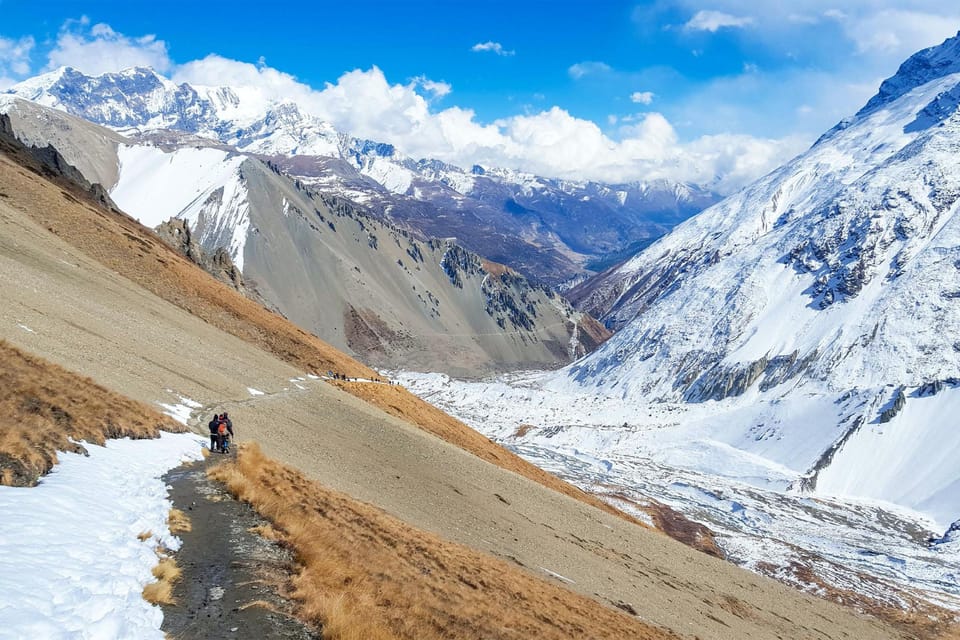
Day 1 starts after you reach Tikhedhunga/Ulleri. Then you begin your hike with trail scenes that feel very Annapurna-region: villages, terraced fields, and forest cover. This stretch gradually ascends, so your legs will warm up slowly instead of being hit with a single brutal wall right away.
You’ll be moving through rhododendron forests, which is a nice change of pace from the kind of dusty, open-path trekking that can happen in some parts of Nepal. Rhododendron areas also tend to feel cool and shady when the sun is out, which can make the climb feel less relentless.
The trail also passes through picturesque Gurung villages. This isn’t just scenery. It’s your chance to see everyday mountain life at a human scale: homes, small shops, and the rhythm of people going about their day. That’s one reason I like this route even when people are mainly chasing Poon Hill. You get more than a viewpoint; you get a walk through communities.
By the end of the day, you’ll reach Ghorepani and sleep at roughly 2,850m. This is the strategic part of the plan. You’re positioning yourself close enough to Poon Hill that the dawn climb is demanding but manageable. You also get a night to settle in at teahouse altitude before the early start.
Teahouses and Lodge Comfort: What You’ll Actually Experience Overnight
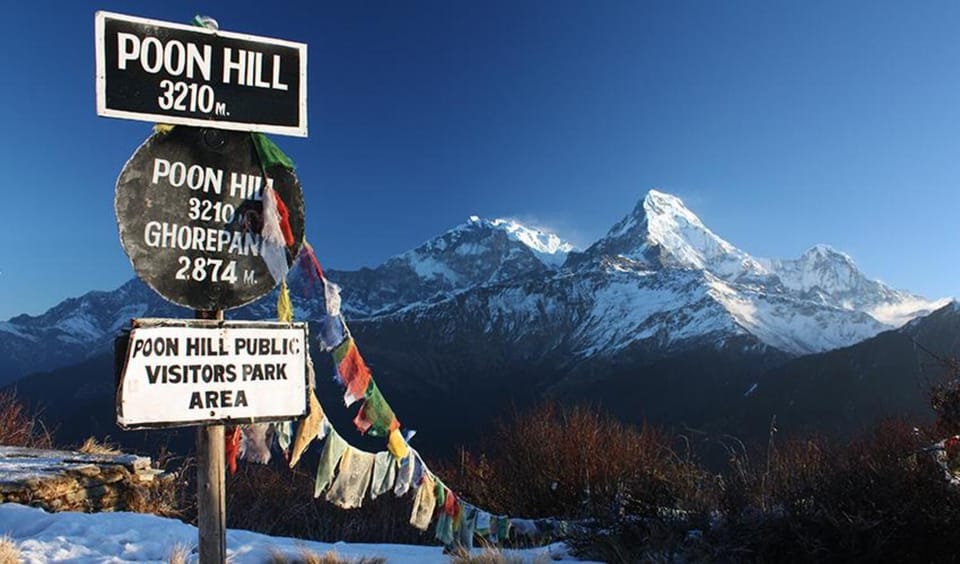
You’ll stay in a private accommodation in a tourist standard lodge. That’s a useful detail because it changes the feel of the trek. You’re not relying on camping gear. You’re not planning for total self-sufficiency.
In practice, teahouses are usually where you’ll buy your meals. Meals aren’t included in the package price, but they are available for purchase along the way. So plan to budget for dinner and breakfast rather than assuming it’s bundled in.
This kind of lodge setup is also a comfort advantage for Day 2. You’ll likely wake up more rested because you’re not setting up camp or doing extra chores in the dark. Warm layers help here too. Even if the air feels fine in the afternoon, pre-dawn can get cold fast at these elevations.
One small operational help that matters: luggage storage in Pokhara during the trek is included. That means you can pack lighter for the hike days and avoid dragging everything up with you. If you’re someone who likes to keep your hiking day bag simple, you’ll appreciate that.
Day 2 Around 4am: The Poon Hill Climb and the Sunrise Payoff
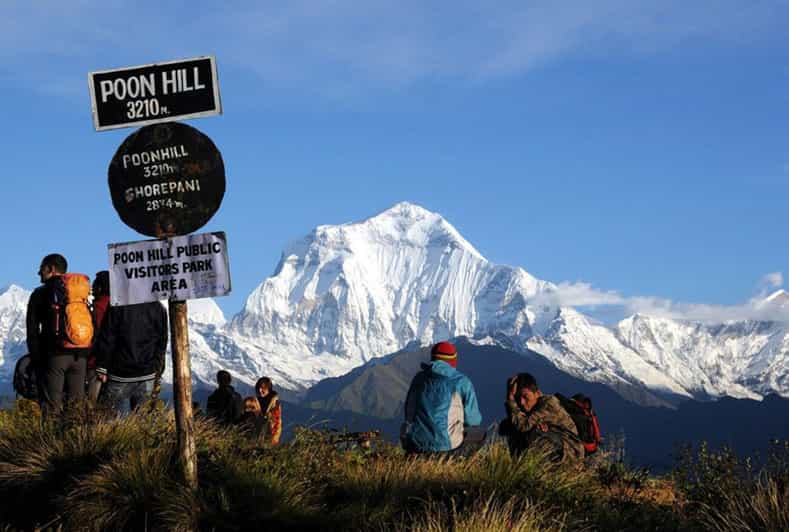
Day 2 begins early, around 4am. The hike from Ghorepani up to Poon Hill takes you to 3,210m, and the ascent is described as demanding. Expect steep trails and plenty of stairs-like climbing. This is where your pacing matters more than your speed. Slow and steady wins.
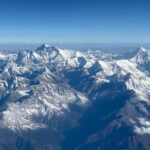
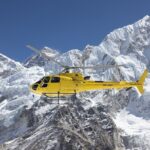
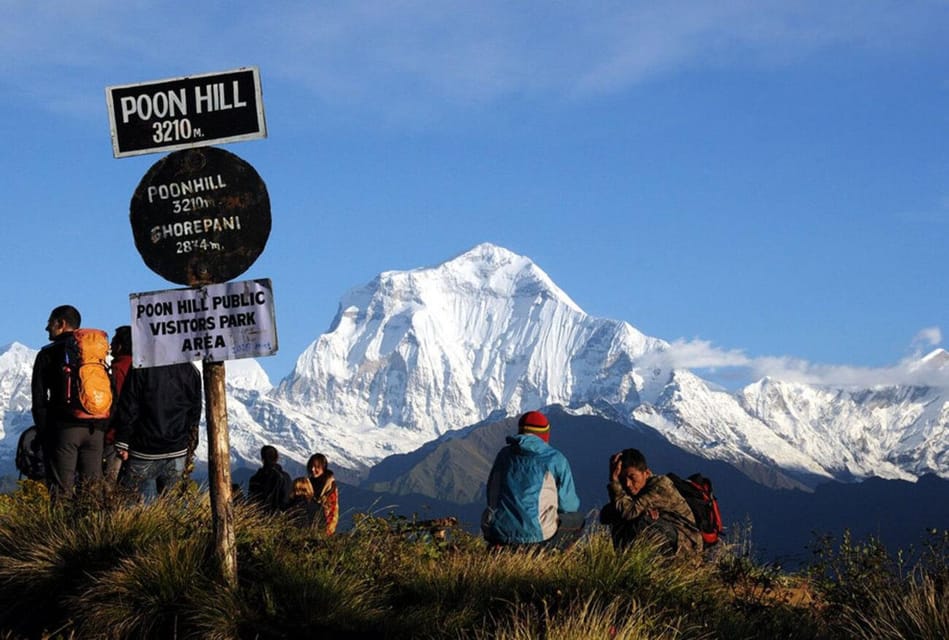
The reward is the sunrise view. From Poon Hill, you watch the first light unfold over the Annapurna and Dhaulagiri mountain ranges. This is the kind of moment people remember because the color shift is so dramatic, and because the mountains look close enough to feel personal.
A practical tip: keep your camera ready and your layers accessible. You’ll likely be outside during the coldest part of the morning. If you fumble for your gloves at the worst moment, you lose precious minutes while your fingers complain.
After sunrise, you descend back toward Ghorepani, then continue the route onward to Nayapul. The trail continues through rhododendron forests and Gurung village scenery, but it’s also uneven and physically challenging. The day isn’t over the moment you see the mountains. You still have to get down and finish strong.
Then you drive back to Tikhedhunga/Ulleri and onward to Pokhara. It’s a full arc: early climb, big payoff, and a long return.
You can also read our reviews of more hiking tours in Kathmandu
Guides, Permits, and the Small Details That Make This Feel Smooth
This trek is private, and the guide is English-speaking. That matters more than it sounds. You’ll get clearer pacing, better communication on the route, and more confidence with the timing around sunrise.
I also like how the guide role is described as full-service. It includes food and accommodation coordination, plus insurance, salary, transportation, and equipment. You’re not just getting directions; you’re getting a helper who keeps the logistics from distracting you from the hiking.
Two guide names have come up as standouts: Anil and Dipchandra. Both are highlighted for being helpful and supportive, including assistance with what you need along the way. That kind of on-the-ground problem solving is exactly what you want during a trek where timing matters.
Permits and taxes are included too. TIMS, government permits, and taxes are covered. You won’t have to chase those documents right before you go hiking. That reduces last-minute stress and helps you keep the trip feeling organized.
You’ll also get practical safety support: a first aid kit is included. It’s not a guarantee against altitude, weather, or any normal trekking risks, but it’s the kind of basic preparedness that signals the operator is paying attention.
Price and Value: What $129 Gets You (and What It Doesn’t)
At $129 per person for a 2-day private trek, the value is about what’s bundled. You’re getting hotel pickup/drop in Lakeside Pokhara (or airport pickup), round-trip bus transport, and tourist standard lodge accommodation for the trek nights.
You’re also getting permits and TIMS covered, plus a registered professional guide with English. If you were to book these pieces separately, the cost would often balloon with added admin time and coordination headaches.
What’s not included is just as important. Meals are not included; you’ll buy them on the trail and at the lodges. Porter service is optional, and personal expenses are not covered. Also, if you need extra trekking support, you can request a duffel bag or trekking pole if required, which is a nice touch for packing-light travelers.
So the real “value” question isn’t just the price tag. It’s whether you want the friction removed. If you want sunrise plus village trekking with fewer planning tasks, this package makes sense.
Who This 2-Day Poon Hill Trek Fits Best
This is a good match if you want a first Nepal trek that still feels authentic. You get a manageable trekking challenge with teahouse comfort, and you still experience real mountain travel: forested paths, terraced fields, and village stops.
It’s also suitable for people who enjoy a clear target. The whole schedule is built around reaching Poon Hill at dawn. If that’s your priority, this short format delivers.
On the flip side, it’s not for everyone. It isn’t suitable for children under 5, pregnant women, or anyone with back problems. And because Day 2 includes steep climbing at altitude, it’s wise to be honest about your fitness and balance before committing.
If you’re traveling solo and want a private group setup for flexibility, this style can feel less chaotic than mixed groups.
Packing Tips: Warm Layers, Shoes, and a Realistic Mindset
For a two-day trek with an early start, packing is about one thing: being ready for cold mornings and foot fatigue.
Plan to bring:
- Comfortable shoes (you’ll use them on steep steps)
- Warm clothing (especially for sunrise hours)
- A camera (the sunrise over Annapurna and Dhaulagiri is the moment)
- Water (bring what you need)
If you’re unsure what warm means for you, go warmer rather than cooler for the dawn period. Sunrise is worth tolerating chilly air, but you shouldn’t have to suffer to appreciate it.
Also consider how you’ll carry items during the hike. Luggage storage in Pokhara is included, so you can pack light for walking and keep extra items behind.
Should You Book This Private Ghorepani and Poon Hill Trek?
Book it if your priority is the Poon Hill sunrise and you want a guided, structured two-day experience. The route makes sense for short Nepal stays, and the combination of forest trails, village life, and teahouse lodging hits a sweet spot between “easy access” and “real trekking.”
Skip it or think twice if the idea of a long, bumpy bus ride sounds miserable, or if you know you have issues with steep climbs and stairs-like terrain. Day 2 is early and demanding, even though the trek is described as manageable overall.
One final deciding factor: you’re paying for reduced hassle. With pickups, transport, permits, guide support, and lodging handled, you can focus on the mountains and the morning light instead of paperwork and planning.
If that’s the kind of trip you want, this one is a solid choice for getting the best of Ghorepani and Poon Hill in just two days.
FAQ
How long is the Pokhara to Ghorepani and Poon Hill trek?
It lasts 2 days.
What’s the route from Pokhara?
You’ll be picked up in Lakeside Pokhara (or airport area), then travel to Tikhedhunga/Ulleri by bus. Day 1 includes trekking to Ghorepani, and Day 2 includes trekking to Poon Hill and then back toward Nayapul before driving back toward Pokhara.
What time do we start on the second day for sunrise?
You start the Day 2 trek from Ghorepani around 4am.
What is the altitude of Poon Hill and Ghorepani?
Ghorepani is about 2,850m, and Poon Hill is about 3,210m.
Is the sunrise over the Annapurna and Dhaulagiri ranges included?
Yes. The experience includes watching sunrise from Poon Hill over the Annapurna and Dhaulagiri mountain ranges.
Are meals included in the price?
No. Meals are available for purchase.
What’s included in the tour cost?
Included items cover private tourist standard lodge accommodation, hotel pickup and drop-off from Lakeside Pokhara (or the airport), round-trip bus transportation, government permits and TIMS (plus taxes), a professional English-speaking trekking guide, first aid kit, and a luggage storage facility in Pokhara. A duffel bag/trekking pole can also be arranged if required.
Do I need to pay extra for a porter?
Porter service is optional, not required.
Who is this trek not suitable for?
It’s not suitable for children under 5, pregnant women, or people with back problems.