REVIEW · HISTORICAL TOURS
Full Day Private Tour of Seven World Heritage Sites in Kathmandu
Book on Viator →Operated by Cordial Trek Pvt. Ltd. · Bookable on Viator
Seven UNESCO sites, one long Kathmandu day. That’s what makes this tour fun: you get a tight loop through major landmarks tied to Hindu and Buddhist practice, all organized around pickup, an AC private car, and a real guide. I also like that the schedule isn’t just sightseeing wallpaper, because it’s built to help you understand what you’re seeing at places like Boudhanath Stupa and Pashupatinath Temple, with a chance to sight the living goddess Kumari if timing and access line up.
Two things I really like about this setup: the private vehicle with driver keeps the pace moving through Kathmandu Valley without turning the day into constant haggling, and the tour includes lunch (Nepali Thali or Momo/Spaghetti) plus bottled water, so you’re not scrambling between stops. The main drawback to plan for is the extra cost: monuments entrance fees are not included and are listed at $50 per person, so the headline price is only part of what you’ll spend.
In This Review
- Key Highlights Worth Your Attention
- A Private 8-Hour UNESCO Circuit in Kathmandu
- Price and Value: The $5 Headline vs the Real Budget
- Pickup, AC Comfort, and Staying on Schedule
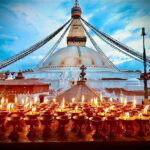
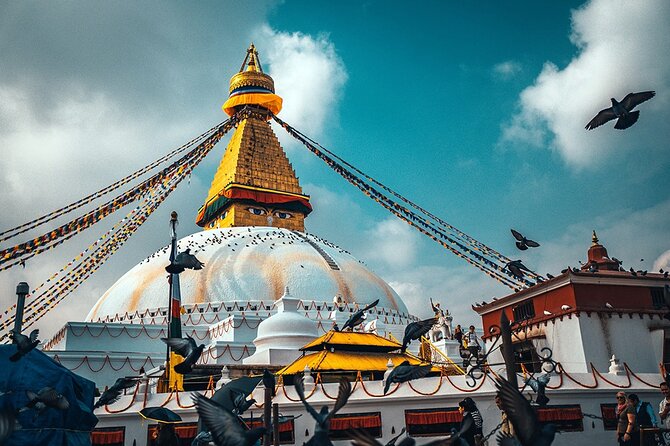
- Boudhanath Stupa: First Impressions and Big-Scale Ritual
- Pashupatinath Temple: Sacred Space, Shiva Focus, and Etiquette
- Changu Narayan: The Hilltop Temple Stop
- Bhaktapur Durbar Square: Royal Courtyards in Real Time
- Patan Durbar Square and Kathmandu Durbar Square: Two Cities, Similar Power
- Swayambhunath Monkey Temple: Stupa Views and Step Reality
- Lunch and Break Time: The Included Meal That Keeps You Smiling
- What the Guide Really Changes (Nilakantha, Kamal, and the Drivers)
- Who This Tour Fits Best
- Should You Book This Seven-World-Heritage Day Tour?
- FAQ
- How long is the full day private tour?
- What time does the tour start, and where do I meet?
- What UNESCO World Heritage sites are included?
- Are entrance fees included in the price?
- What meals are included during the tour?
- Is this tour private or shared with other groups?
- What transportation is included?
- Can I get a full refund if I cancel?
Key Highlights Worth Your Attention
- Seven UNESCO World Heritage Stops in one planned route, with short but meaningful time at each place
- AC private car + guide to reduce stress and help you understand temple rules and rituals
- Lunch included (Nepali Thali or Momo/Spaghetti) so your day stays on schedule
- Kumari sighting chance adds a rare, Kathmandu-only element to the itinerary
- Multiple Durbar Squares means you’ll see royal-era architecture in more than one city
- Guides like Nilakantha Acharya and Kamal are repeatedly praised for explaining ceremonies and site meaning
A Private 8-Hour UNESCO Circuit in Kathmandu
Kathmandu Valley is one of those places where the traffic, noise, and crowds can make you feel like you need a plan just to stay calm. This tour is built as a direct answer to that. You start at 08:00 AM from your hotel, and for about 8 hours you’ll be taken from one UNESCO site to the next in a car with a driver, not a bus puzzle.
The real value here isn’t just ticking boxes. It’s that the route hits the major spiritual magnets of the valley—Boudhanath, Pashupatinath, Swayambhunath—and then connects them with the Durbar Squares and temple culture of the surrounding cities. You’ll be looking at different faith traditions and artistic styles in a single day, and that contrast helps the whole picture click faster.
There’s a tradeoff: it’s a full day. Even with a private car, you’ll still spend time walking at each site, and you’ll have less freedom to linger. If you hate time pressure, this may feel like a sprint.
You can also read our reviews of more private tours in Kathmandu
Price and Value: The $5 Headline vs the Real Budget
The listing price is $5.00 per person, but the important line for your math is that monuments entrance fees are not included (listed at $50 per person). So the practical question is: what are you paying for?
Here’s what you do get that has real cost behind it:
- Air-conditioned private car with driver
- Tour guide
- Pickup and drop
- Bottled water
- Lunch (Nepali Thali or Momo/Spaghetti)
That means you’re not paying separately for transport, guiding, and meals—those are usually the biggest budget sinks on day tours. Once you add the entrance fees, the day becomes far more comparable to other heritage tours in the region.
My advice: treat $50 per person as part of the plan, not an afterthought. Budget for it up front, and then the rest of the day feels like a good deal because you’re getting the comfort and structure bundled in.
Pickup, AC Comfort, and Staying on Schedule
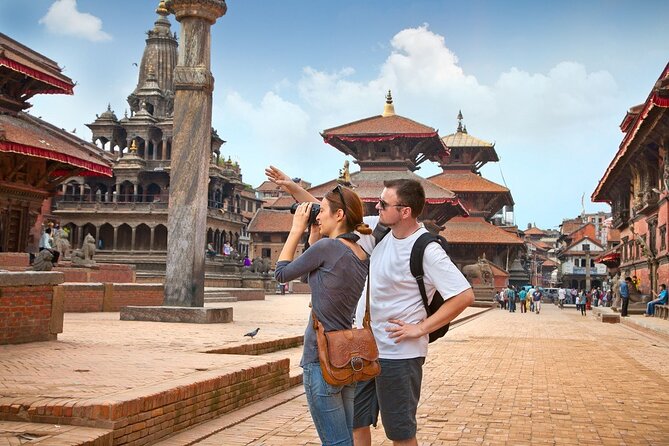
Starting at 08:00 AM is a smart choice in Kathmandu. Mornings tend to be easier for getting from neighborhood to neighborhood, and you’ll reach the first major site before the day fully heats up.
You’re picked up from your hotel and dropped back at the end, with an air-conditioned private car. That matters because Kathmandu Valley travel can be stop-and-go. The car won’t make the roads magically quiet, but it will help you keep your energy for the walking parts.
Also, you get bottled water. It sounds basic, but in a place where you might otherwise be buying drinks at each stop, having it handled is one less decision.
One small practical point: the tour uses a mobile ticket, which is helpful if you prefer digital confirmations. Still, keep your confirmation info handy on your phone just in case.
Boudhanath Stupa: First Impressions and Big-Scale Ritual
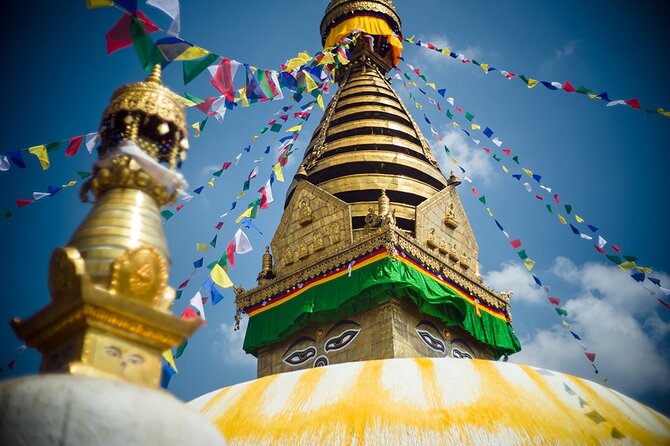
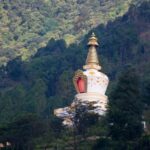
Boudhanath Stupa is the kind of site that pulls your eyes upward right away. It’s also a place where the atmosphere is built around repeating action—people walking, praying, and moving through ritual space with purpose.
In this tour, you’ll have about 1 hour at Boudhanath. That’s enough time to orient yourself, notice the prayer habits, and get a sense of how the stupa functions as a spiritual center—not just a monument.
Two practical tips for this stop:
- Go in with an expectation of crowds and movement. This isn’t a quiet museum moment.
- Take a minute to observe before you start shooting photos. You’ll get more out of the scene once you understand what people are doing.
Because admissions aren’t included, you’ll also want to be ready to pay the site fee (the tour lists that monuments entrance fees are extra).
Pashupatinath Temple: Sacred Space, Shiva Focus, and Etiquette
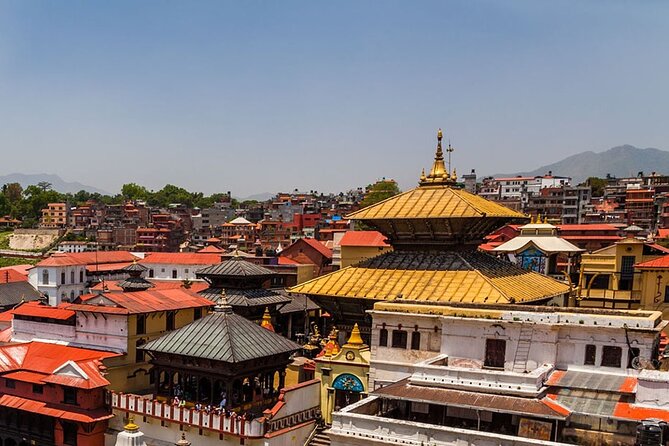
Pashupatinath Temple is one of Kathmandu’s biggest Hindu pilgrimage sites, dedicated to Lord Shiva. It’s also the kind of place where the spiritual intensity feels very real, not staged.
You’ll spend about 1 hour here. That’s a good window because it’s long enough to understand the setting and watch ceremonies, but not so long that you lose time for the rest of the day.
What makes Pashupatinath special on this route is the contrast with Boudhanath. In one day you’re moving between two major spiritual traditions and different architectural languages.
For your experience, focus on respectful behavior: avoid blocking sightlines during prayer moments and dress in a way that matches a temple environment. If you’re unsure, your guide should help you understand what’s expected at each stop. Guides on this tour—like Nilakantha Acharya—are frequently praised for explaining rituals and ceremonies clearly.
You can also read our reviews of more historical tours in Kathmandu

Changu Narayan: The Hilltop Temple Stop
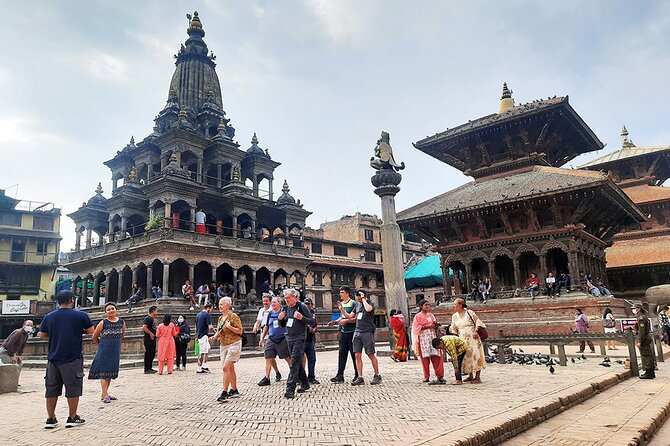
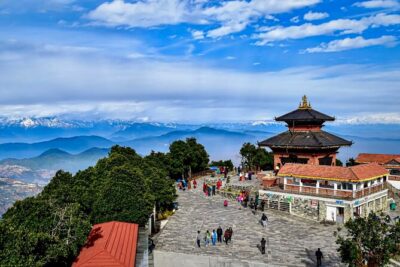
Changu Narayan (also tied to the name Changunarayan/Changu) is an ancient Hindu temple located on a hilltop area. This stop gives your itinerary a different feel: less city-center density, more of a sense of elevation and age.
You’ll get about 1 hour here. That’s enough time to appreciate the temple’s setting and architecture without turning it into a rushed photo spree.
Because this tour is about UNESCO heritage and cultural context, Changu Narayan plays the role of a heritage anchor. It helps connect the dots between royal-era Durbar Squares and older sacred traditions.
Practical note: hilltop sites can mean uneven ground and extra steps. Comfortable shoes help more than you’d think.
Bhaktapur Durbar Square: Royal Courtyards in Real Time
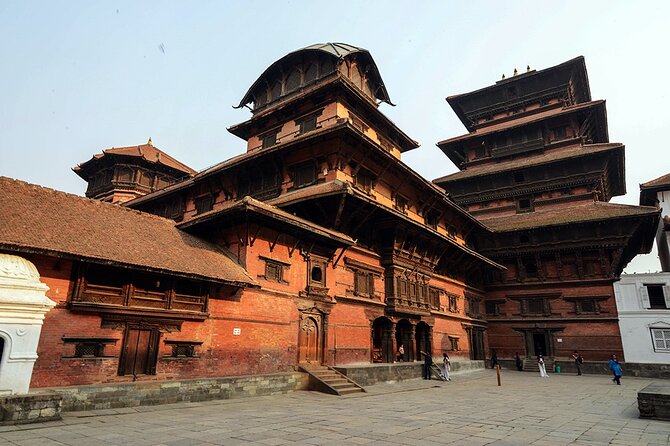
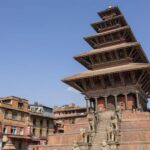
Bhaktapur Durbar Square is described as the largest Durbar Square in the region of the valley’s Durbar Squares, and it’s UNESCO-listed. The time here is 1 hour 30 minutes, which is generous compared to some other stops.
This extra time matters. Durbar Squares are not just one building. They’re living layouts of courtyards, wood and stone details, and symbols of royal power and religious life.
What you’ll enjoy most at Bhaktapur is the sense that the architecture is meant to be read. Even if you don’t know the background, a good guide can help you understand the purpose behind design choices.
In the feedback for this tour, Nilakantha is specifically praised for sharing lots of information about temples, with attention to how they’re built and the meaning behind them. That kind of explanation turns a quick look into a real appreciation moment.
Patan Durbar Square and Kathmandu Durbar Square: Two Cities, Similar Power
Patan Durbar Square is in the center of Lalitpur and one of the three Durbar Squares in Kathmandu Valley that are UNESCO World Heritage Sites. You’ll get 1 hour 30 minutes here, and then another 1 hour at Kathmandu Durbar Square.
Why split time between two Durbar Squares? Because they each show a different city’s expression of Newari culture and royal architecture. Even if the general idea is similar—palace-square heritage—details, layouts, and artistic styles can feel distinct.
Kathmandu Durbar Square is tied to royal palace construction that began as early as the third century (with major structures developed later). The stop is shorter than Bhaktapur and Patan, but it’s still one of the most important heritage anchors on the whole circuit.
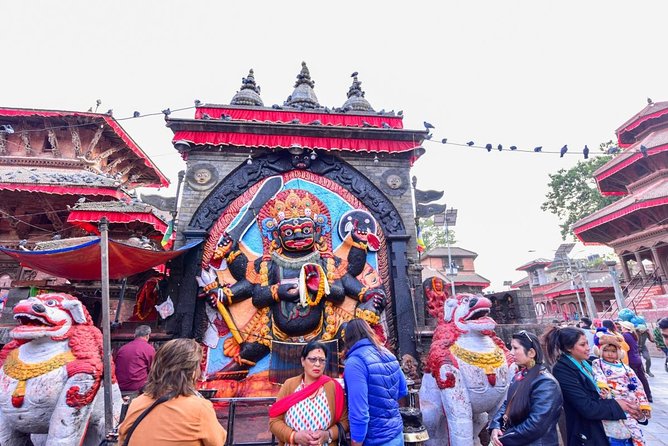
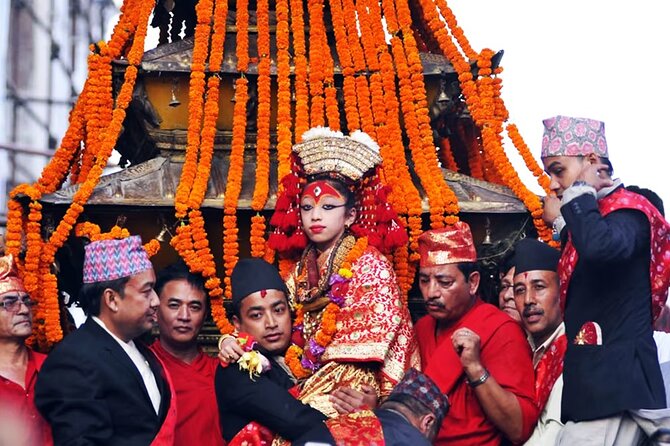
One added bonus mentioned in the tour highlights: you may have a chance to sight Kumari, the living goddess. This isn’t guaranteed in the itinerary text, but it’s part of why some people book this day route over a simpler one-stop tour.
Swayambhunath Monkey Temple: Stupa Views and Step Reality
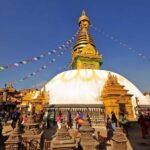
Swayambhunath, also known as the Monkey Temple, has a large stupa called the Mahachaitya, and its Tibetan meaning is tied to Sublime Trees. You’ll have about 1 hour here.
This stop is the one where you should expect both views and steps. Even if you’re not a big “stairs” person, Swayambhunath is worth the effort because the stupa setting gives you a broader sense of how Kathmandu Valley sits together.
Also, because the site attracts monkeys and visitors, it can be lively and a bit chaotic. Your best move is to keep your belongings secure, watch where you step, and focus on the stupa first. Save the monkey moments for after you’ve got your bearings.
Lunch and Break Time: The Included Meal That Keeps You Smiling
A lot of heritage tours skip meals or make you choose between hunger and taking fewer pictures. This one includes lunch: Nepali Thali or Momo/Spaghetti. That choice is helpful because it lets you match the food to your mood—something shared and communal, or something lighter and quick.
You also get bottled water. Not glamorous, but it keeps the day from tipping into dry-throat discomfort.
Timing matters in an 8-hour plan. Even when lunch is included, you’ll likely eat between strong sightseeing moments. So it helps if you go into the day with a flexible mindset: you’re not getting a slow “vacation lunch.” You’re getting fuel so you can keep going.
What the Guide Really Changes (Nilakantha, Kamal, and the Drivers)
On paper, this tour looks like a list of UNESCO stops. In practice, your guide is the difference between seeing stone and understanding what people do there.
In the feedback included with this experience, guides such as Nilakantha Acharya and Kamal are praised for:
- explaining rituals and ceremonies going on at temples
- adding historical meaning without turning the day into a lecture
- staying friendly and polite
- helping the visit feel smooth rather than rushed
Drivers are also mentioned—Hari and Ram show up in the comments as competent and supportive, especially when the day’s conditions were less than ideal.
I’d treat this as your checklist before you book: if you care about culture and meaning, a good guide helps you get more out of each stop within the short time windows.
Who This Tour Fits Best
This is a strong choice if:
- you have one day in Kathmandu and want the biggest UNESCO hits
- you prefer a private car with pickup and drop
- you like cultural context, not just photos
- you’d rather pay a set schedule than plan transit hop-by-hop
It’s less ideal if:
- you want long, quiet time at each site
- you don’t like an 8-hour day with many short stops
- you’re trying to keep costs ultra-low, since entrances are extra
If you’re a first-timer to Kathmandu Valley, this route is also a practical way to “learn the shape” of the valley quickly. You’ll return later with better instincts for what you want to see in more depth.
Should You Book This Seven-World-Heritage Day Tour?
I’d book it if you want an efficient, well-organized day that covers Kathmandu Valley’s most significant UNESCO sites with comfort and a guide who can explain what you’re looking at. The included lunch, bottled water, and hotel pickup make the day feel easier than DIY touring, and the guide-driven cultural explanations seem to be the standout reason people recommend it.
Skip (or think twice) if entrance fees blow up your budget, or if you know you hate being on a tight schedule. Also, if you’re sensitive to crowds and temple activity, go in with realistic expectations for how busy these sites can feel.
If you can handle a full day and plan for the extra $50 per person entrance costs, this tour is a solid way to see a lot of Kathmandu Valley culture without turning your trip into logistics work.
FAQ
How long is the full day private tour?
It runs for about 8 hours.
What time does the tour start, and where do I meet?
The tour begins at 08:00 AM from your hotel in Kathmandu, with pickup offered.
What UNESCO World Heritage sites are included?
You’ll visit Boudhanath Stupa, Pashupatinath Temple, Changu Narayan Temple, Bhaktapur Durbar Square, Patan Durbar Square, Swayambhunath (Monkey Temple), and Kathmandu Durbar Square.
Are entrance fees included in the price?
No. Monuments entrance fees are not included and are listed as $50.00 per person.
What meals are included during the tour?
Lunch is included, with options listed as Nepali Thali or Momo/Spaghetti.
Is this tour private or shared with other groups?
This is a private tour/activity, meaning only your group participates.
What transportation is included?
You get an air-conditioned private car with a driver, plus pickup and drop.
Can I get a full refund if I cancel?
Yes. Free cancellation is offered if you cancel up to 24 hours in advance for a full refund. If you cancel less than 24 hours before, the amount paid is not refunded.