REVIEW · COOKING CLASSES
Kathmandu: Nepali Cooking Class with Hotel Pickup
Book on GetYourGuide →Operated by Himalayan Social Journey · Bookable on GetYourGuide
Kathmandu food class in 4 hours? It’s a great shortcut to local flavor. I like that the experience includes both a market stop and a hands-on cooking session, so you understand what you’re buying and why it matters. You’ll also get to work with classic dishes like momo and sel roti, plus Nepalese folk music and a few phrases to toss into real-life conversation. One thing to consider: the day can run slightly shorter or tighter than advertised, so if you’re on a very strict schedule, build in a buffer.
This is the kind of activity that helps you “read” Kathmandu a little faster. The pickup from the Thamel area makes it easy to start, and the rickshaw ride to the Ason market adds texture you don’t get from cooking classes stuck entirely indoors. The chef instruction is in English, and the audio support helps you follow along even when the process moves quickly.
The main drawback is simple: depending on timing, the market visit may feel more like a focused ingredient hunt than a long wander. Still, if your goal is practical cooking skills and a plate of food you helped make, the format works.
In This Review
- Quick hits before you book
- Ason Market by Rickshaw: Why the Shopping Part Matters
- From Pickup to Apron: How the 4-Hour Rhythm Really Feels
- Momo, Curries, Roti, and Sel Roti: What You’ll Actually Make
- Chef-Led Teaching in English, Plus Folk Music and Phrases
- Price and Logistics: Is $60 Good Value?
- What Could Go Wrong (And How to Plan Around It)
- Who This Cooking Class Is Perfect For
- Should You Book This Kathmandu Cooking Class?
- FAQ
- How long is the Kathmandu Nepali cooking class?
- Where do you get picked up and dropped off?
- Does the experience include a local market visit?
- What dishes will I learn to cook?
- Is the class taught in English?
- Is there music or cultural content during the class?
- Is the activity wheelchair accessible?
- What should I bring?
- Is the tour affected by weather?
- Is cancellation allowed?
- Can I pay later?
Quick hits before you book
- Thamel hotel pickup keeps the start simple, especially if you’re only in town for a short stay
- Ason market by rickshaw gives you a quick taste of Kathmandu shopping culture before the stove work
- Chef-led, English instruction helps you cook confidently, not just watch
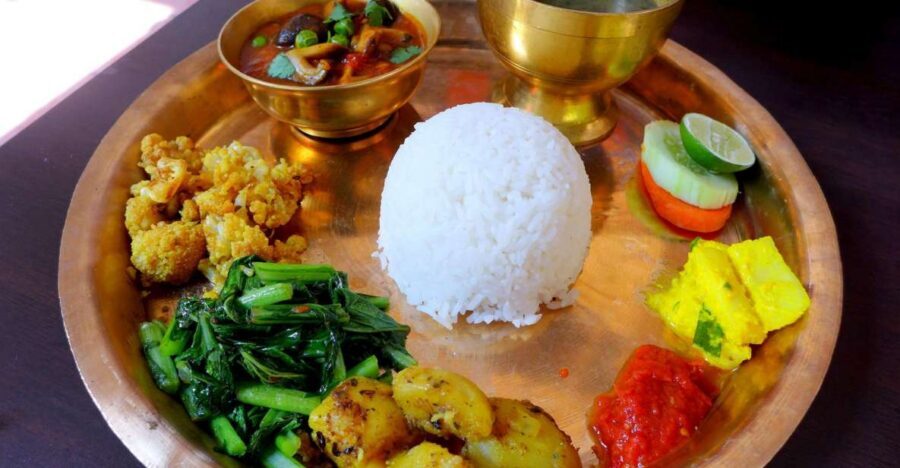
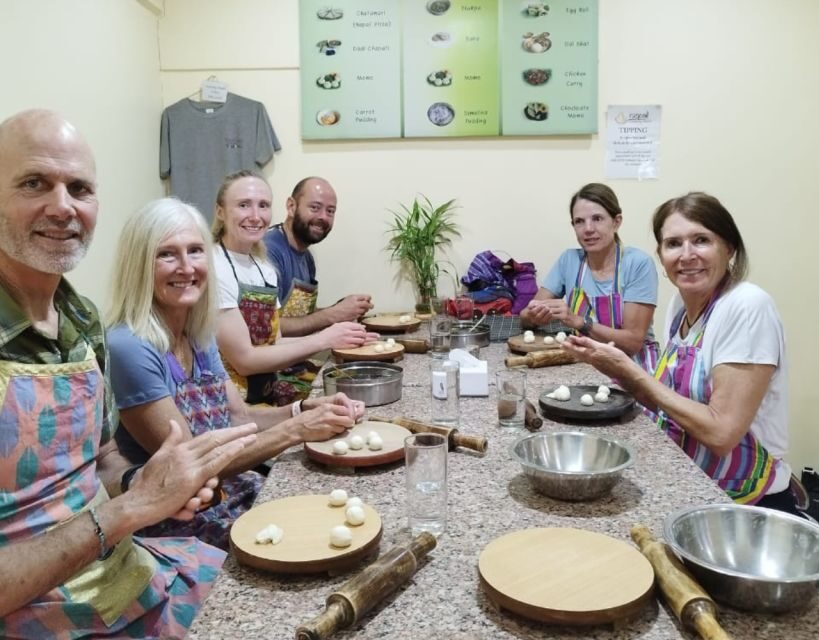
- You’ll make momo, curries, roti and sel roti, so you leave with a real menu, not a demo
- Folk music and a few Nepalese phrases add fun and context while you cook and eat
- Rain or shine means you don’t have to babysit the forecast all day
Ason Market by Rickshaw: Why the Shopping Part Matters
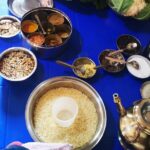
Most cooking classes skip the “where do the ingredients come from?” part. Here, you start with a trip to a typical local market in Kathmandu called Ason, using a rickshaw for the ride in.
That small detail is more than a photo moment. When you’re standing in a real market, you see how vegetables, spices, and packaged items are handled and displayed. You also get a sense of how people shop day-to-day—fast, practical, and focused on what’s needed for tonight’s meal.
You’ll have time to meet local merchants and handle ingredients in your hands before you cook them. That matters because Nepalese cooking relies on flavor building blocks: aromatics, spice blends, and the right texture for breads and snacks. Seeing the ingredients first makes the class feel grounded, not theoretical.
One practical note: the market stop may feel shorter than you’d expect if you’re hoping for a full morning of wandering. If you want a deep market tour on top of cooking, plan an extra hour before or after (or pair this with something like a separate food walk later). If your goal is “buy the stuff, learn how to use it,” this fits nicely.
You can also read our reviews of more cooking classes in Kathmandu
From Pickup to Apron: How the 4-Hour Rhythm Really Feels
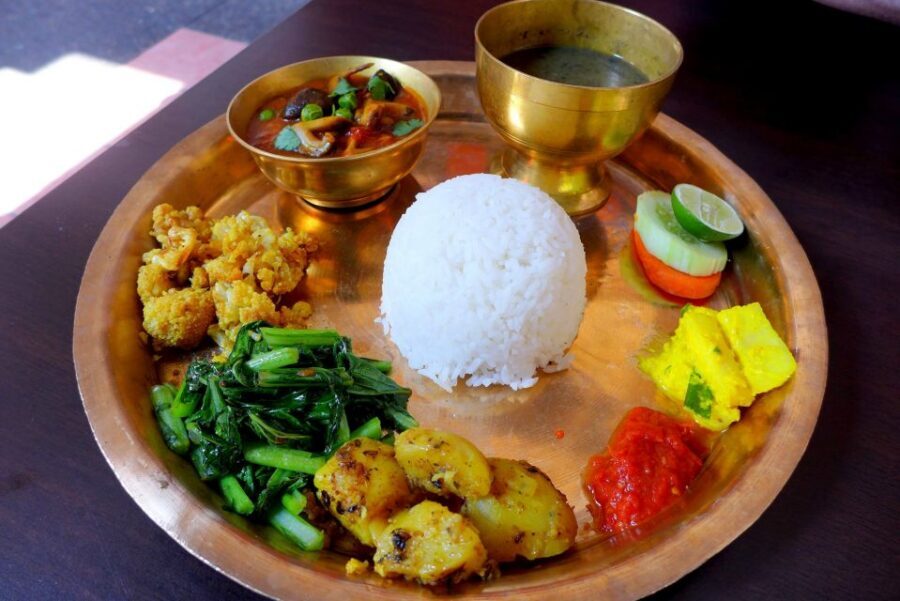
You’ll get picked up from the Thamel area and dropped back at your hotel. That round-trip convenience is a real value in Kathmandu, where getting across town on your own can turn into a negotiation with traffic, time, and patience.
Once you’re picked up, the day moves in a clear sequence:
1) go to the Ason market by rickshaw to pick up ingredients
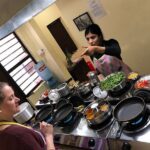
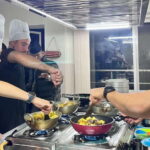
2) return and start cooking with an English-speaking chef instructor
3) eat the meal you prepared
The total time is listed as 4 hours, with cooking time described as 3–4 hours. In practice, the flow depends on the day’s timing—especially with a market stop involved. So if you’ve booked a next activity that’s tight (like a flight or a short tour window), I’d treat this as a “morning-to-midday” style commitment and not something to wedge into a late-afternoon schedule.
The good news: once you’re in the kitchen mode, the pace is usually energetic. You’ll learn by doing. That’s also why the market piece matters—you’re not just tasting food at the end; you’re connecting flavors to ingredients from the start.
Momo, Curries, Roti, and Sel Roti: What You’ll Actually Make
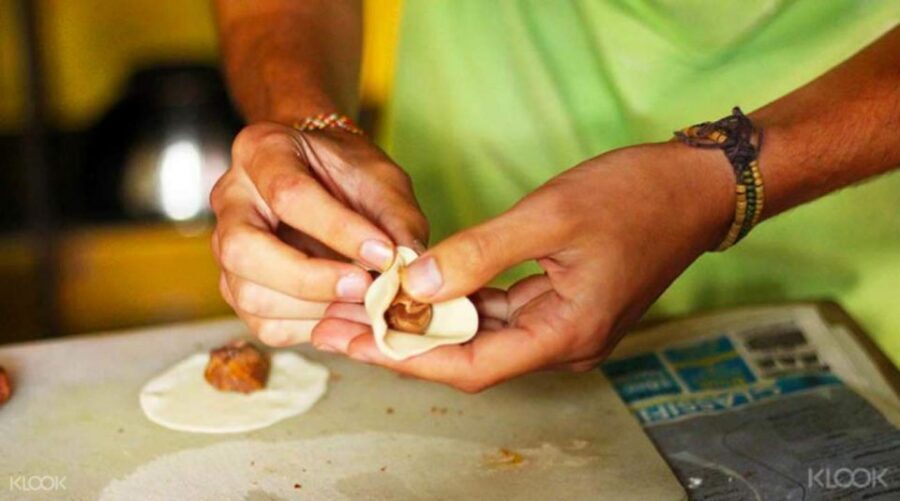
This class isn’t limited to one dish. You’ll cook a set of popular Nepali favorites, and that variety is one of the strongest points of the experience.
Here’s what you can expect to make:
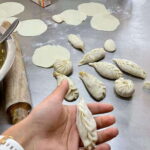
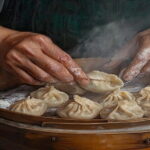
- Momo (Nepali dumplings)
- Varieties of curries
- A bread that includes roti
- Sel roti, a ring-shaped fried bread that’s slightly similar to American donuts
If you’ve ever had momo but never seen how the filling and dough work together, you’ll appreciate the hands-on part. Dumplings teach you technique: shaping, sealing, and managing texture so the end result doesn’t turn gummy or flat.
Curries show you another side—how spice blends and aromatics work together, and how the cooking process affects thickness and richness. Even if you don’t copy the exact method at home, you’ll leave with a working understanding of what gives Nepalese curries their character.
Roti gives you a practical bread lesson. It’s not just about taste; it’s about learning a repeatable method you can try later with accessible ingredients.
And then there’s sel roti, the standout. It’s a special occasion snack in many Nepalese homes, and it’s also the type of dish that feels impressive even when you’re making it in a class setting. The ring shape and fried texture are the clues that it’s meant to be crisp outside with a softer interior. If you love experimenting with fried breads, you’ll likely get a lot of satisfaction from this one.
Chef-Led Teaching in English, Plus Folk Music and Phrases
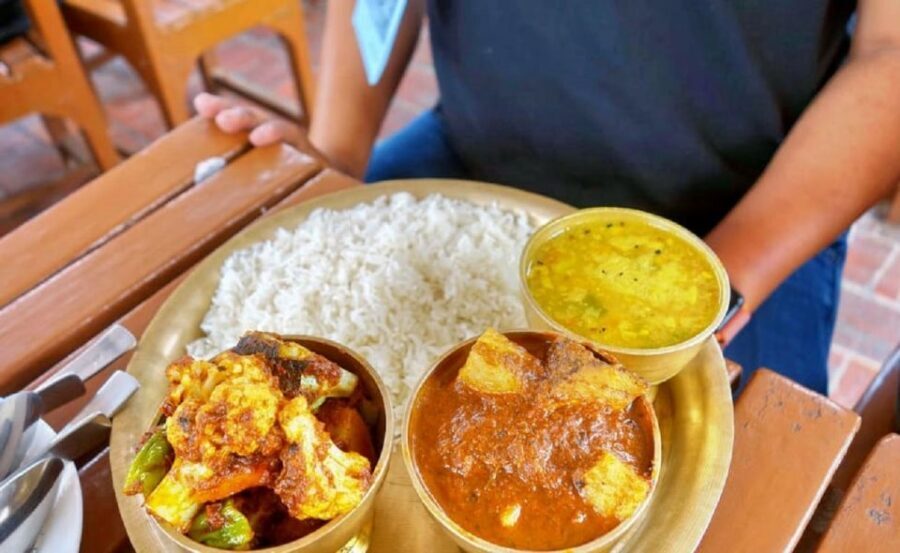
The instruction is led by an experienced chef instructor, and the language support is clearly set up: the class is in English, and an English audio guide is included.
I like instruction like this because it reduces the biggest cooking-class problem: confusion. When you can follow steps in your language, you spend less time guessing and more time learning the logic behind the food. That means your dumpling folding, curry prep, or roti making is guided, not trial-and-error.
The experience also includes Nepali folk music during the class and at mealtime. That might sound like entertainment, but it actually helps set a comfortable rhythm. When the kitchen sounds stay relaxed and familiar, you’re more likely to enjoy the process even if a step feels unfamiliar at first.
You’ll also learn some Nepalese phrases. I wouldn’t expect full language immersion, but even a few useful words and expressions can make the experience feel more connected to daily life in Kathmandu. It turns the class from a one-off activity into something that lingers when you’re walking around afterward.
Price and Logistics: Is $60 Good Value?
At $60 per person for a 4-hour experience, you’re paying for three things at once:
- hotel pickup and drop-off from Thamel
- a market ingredient visit
- chef instruction that leads to a multi-dish meal (momo, curries, roti, sel roti)
Cooking classes can range from “watch and snack” to “real cooking session with ingredients.” This one leans toward the second. The market stop alone is a value add because it turns the day into a full food experience rather than kitchen-only instruction.
If you price it by hours, it might not look like a bargain compared to casual street food lunches. But you’re getting guided technique, ingredient sourcing, and a structured meal. You’re also leaving with a clearer mental model for how Nepalese flavors are built—spices, aromatics, and frying/baking textures.
So who gets the best value?
- People staying near Thamel who want an easy start without arranging transport
- Food lovers who like learning technique more than just eating
- Travelers who want a practical souvenir you can recreate later
Who might feel less thrilled?
- If you’re expecting a long, slow exploration of Ason market, you may want more time than what fits into a 4-hour window
The bottom line: for a focused, chef-led Nepali cooking experience with multiple dishes and real ingredient sourcing, $60 is reasonable.
You can also read our reviews of more tours and experiences in Kathmandu

What Could Go Wrong (And How to Plan Around It)
I don’t think every day runs exactly the same. With a market stop and cooking schedule, small timing shifts can happen. Here are the issues worth planning for, based on what the experience is set up to do:
The market time may be shorter than you want.
If the schedule tightens, you’ll still get ingredients and learn something, but it may not feel like a wandering market tour.
The cooking time may feel tighter than expected.
If you’re the type who likes to take photos while everything is happening, you may want to ask for a quick pause if needed. Also, if you have dietary restrictions, get them communicated clearly in advance (the provided info doesn’t list special dietary options, so don’t assume).
Instruction may come from a chef plus local support.
The lead is chef-instruction, but kitchens often use additional hands. That’s normal. The important part for you is that the class is in English and designed so you can follow the steps.
My advice: treat this as a fun food day, not a precision-timed lab. If you keep your next commitment flexible by at least an hour, you’ll enjoy it more.
Who This Cooking Class Is Perfect For
This class is especially well-suited to:
- First-time visitors to Kathmandu who want an efficient way to understand Nepali food culture
- Travelers who like interactive learning (hands-on cooking beats watching)
- People who enjoy dumplings, curries, and fried breads
- Anyone staying in or near Thamel who wants a pickup-and-drop plan
If you’re the kind of traveler who hates structured activities and wants total freedom, you might find the format a bit scheduled. But if you’re excited by learning technique—how momo is assembled, how curry flavor is built, and how sel roti gets its texture—you’ll likely have a good time.
Should You Book This Kathmandu Cooking Class?
Yes, I’d book it if your priorities are clear: chef-led instruction, a real Kathmandu market stop to source ingredients, and a menu that includes momo and the memorable sel roti.
Skip it or plan carefully if you’re chasing a long market tour or you’re stuck to an ultra-tight timetable. Also, make sure you’re comfortable with the rules: no alcohol or drugs, and you should bring a passport or ID card (a copy is accepted).
If you want a practical, fun food experience that feels connected to Kathmandu life rather than just a cooking demo, this is a strong bet.
FAQ
How long is the Kathmandu Nepali cooking class?
The experience runs for about 4 hours.
Where do you get picked up and dropped off?
Pickup and drop-off are included from the Thamel area.
Does the experience include a local market visit?
Yes. You visit a local market in Kathmandu called Ason and go there by rickshaw.
What dishes will I learn to cook?
You’ll cook momo, varieties of curries, roti (bread including roti), and sel roti.
Is the class taught in English?
Yes. The instructor is English-speaking, and an English audio guide is included.
Is there music or cultural content during the class?
Yes. Nepalese folk music is included during the class and at mealtime, and you’ll also learn some Nepalese phrases.
Is the activity wheelchair accessible?
Yes, it is listed as wheelchair accessible.
What should I bring?
Bring your passport or ID card. A copy is accepted.
Is the tour affected by weather?
It runs rain or shine.
Is cancellation allowed?
Yes. Free cancellation is available up to 24 hours in advance for a full refund.
Can I pay later?
You can reserve now and pay later to keep your plans flexible.