REVIEW · LANGTANG VALLEY
Kathmandu: 7 Day Langtang Valley Trek
Book on GetYourGuide →Operated by Worldwide Tourism Inc · Bookable on GetYourGuide
Snow peaks feel within reach here. This 7-day Langtang trek from Kathmandu brings you face-to-face with snow-capped Himalayan views, plus a licensed guide to keep you on the right track. It’s also a lot of effort, with hundreds of steps and steady uphill most days, so go in knowing it will challenge you.
I like how the itinerary builds in a real breather: a full Kyanjin Gompa acclimatization day, not just a token rest stop. You’ll sleep in simple teahouse lodges along the way, which keeps things practical (and lets you focus on the walking and the views). One consideration: the exact day-by-day rhythm can feel intense at altitude, and lodge quality can vary, so don’t assume every overnight will feel the same.
Value-wise, you’re getting more than a walk in the mountains. The package includes trekking permits for Langtang National Park and the TIMS card, plus Kathmandu hotel time and transport to and from the trailhead. If you’re worried about carrying your own pack, there’s also an optional porter service, but you still need to pack smart because oversize luggage isn’t allowed.
In This Review
- Key Points Before You Go
- Entering The Langtang Valley: Why These Views Feel Different
- Kathmandu To Syabrubesi: The Drive That Sets Your Expectations
- Day 2 Syabrubesi To Lama Hotel: Forest Trails and River Crossings
- Day 3 Lama Hotel To Langtang Village: A Gradual Rise With Culture in the Mix
- Day 4 Langtang Village To Kyanjin Gompa: Yak Pastures and Big-Mountain Atmosphere
- Day 5 at Kyanjin Gompa: The Acclimatization Day That Actually Makes Sense
- Days 6 and 7: The Descent Back to Lama Hotel and Syabrubesi
- Guide, Permits, and Teahouses: What You’re Really Paying For
- Price and Value: Is $450 a Smart Deal?
- How Hard Is This Trek: Steps, Altitude, and a Realistic Pace
- What to Pack (and What Will Annoy You on the Trail)
- A Note on Logistics: Meals, Lodges, and Avoiding Surprises
- Should You Book This 7-Day Langtang Trek?
- FAQ
- What is the highest altitude on this trek?
- Are meals included in the $450 price?
- Do I need permits for this trek?
- Is the guide included, and what language do they speak?
- Is this a private group tour?
- Can I hire a porter to carry my backpack?
- Are drones allowed?
Key Points Before You Go
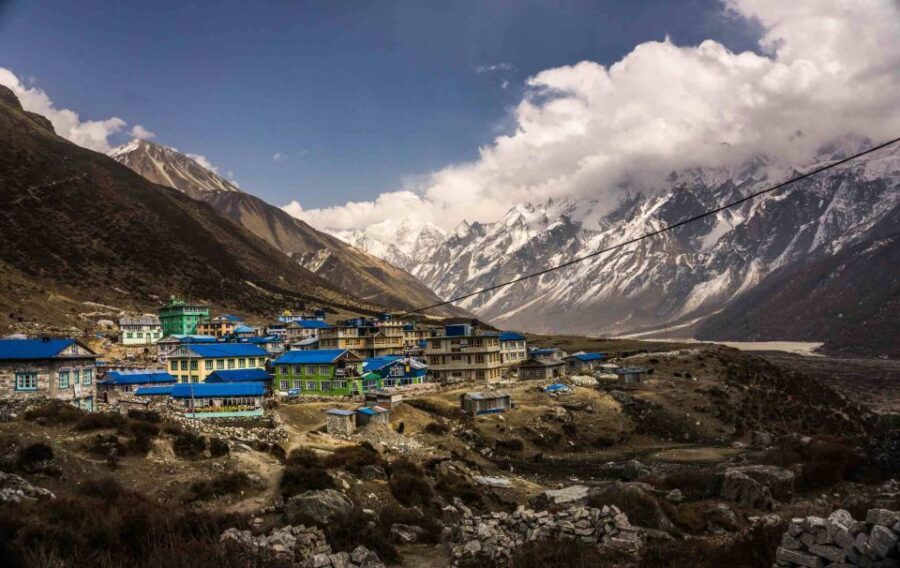
- Snow-peak scenery that shows up fast once you’re moving through the Langtang Valley
- A dedicated acclimatization day at Kyanjin Gompa so you’re not rushing altitude
- Teahouse trekking built for comfort and logistics (not camping gear)
- Permits handled for you: Langtang National Park + TIMS card
- English-speaking private guiding with the flexibility of a smaller group
- Strenuous days with lots of steps and a steep feel to the effort
Entering The Langtang Valley: Why These Views Feel Different
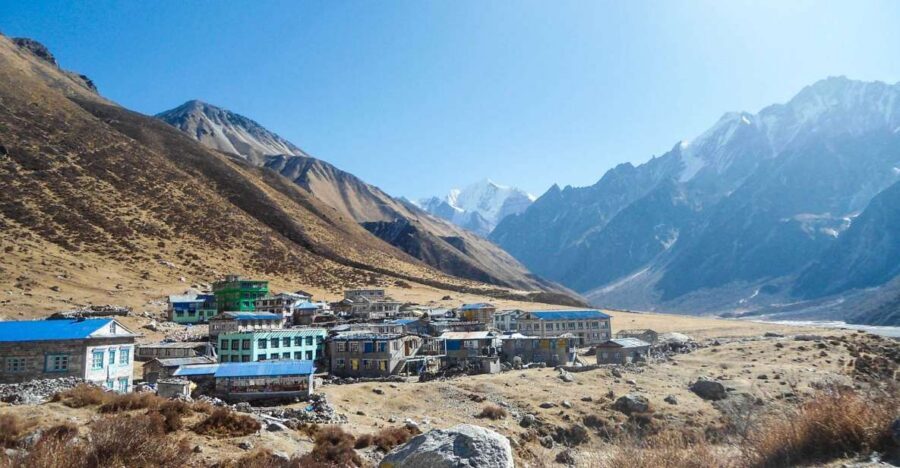
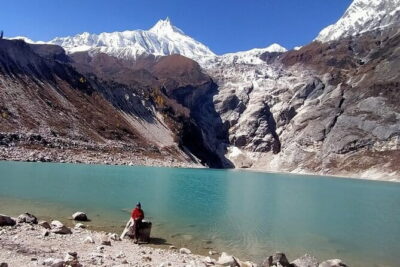
The Langtang Valley doesn’t just offer “mountain scenery.” It puts you in the middle of it. As you climb, you start getting repeated sightlines to big snowy shapes, and the peaks keep pulling closer instead of staying far away.
What I especially like is the sense of momentum from the daily schedule. Each day changes the scenery: forests down low, then higher forest and village paths, then open yak pastures and glacier-fed streams as you near Kyanjin Gompa. That shift is one of the best parts of this trek because it makes the altitude feel purposeful, not random.
This trek also emphasizes the human side of the Himalaya. You’ll be moving through communities tied to the Tamang region, and you get a chance to experience the rhythm of mountain life beyond a photo stop. If you like slow travel, this works because the days are long, but the moments are small: a bridge crossing, a monastery visit, a hot drink at a lodge.
Kathmandu To Syabrubesi: The Drive That Sets Your Expectations
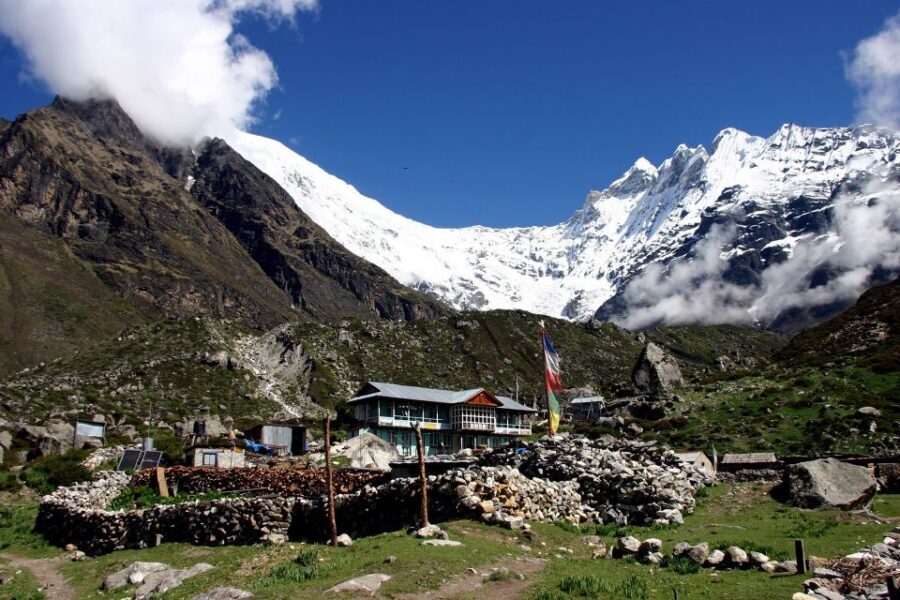
Day 1 is a road day from Kathmandu to Syabrubesi (1,550m). The drive is scenic, passing villages and changing terrain, and it’s a good “transition” day. You’re not burning energy on the trail yet, but you are mentally gearing up for steep walking soon.
Syabrubesi is where the trek begins in earnest, and staying overnight here matters. It helps you start Day 2 with daylight and energy, not with the tired-brain scramble of trying to do everything in one push.
Practical tip: treat the first night like a warm-up. Don’t overdo dinner, and drink water steadily. At altitude, your body often tells the truth fast.
Day 2 Syabrubesi To Lama Hotel: Forest Trails and River Crossings
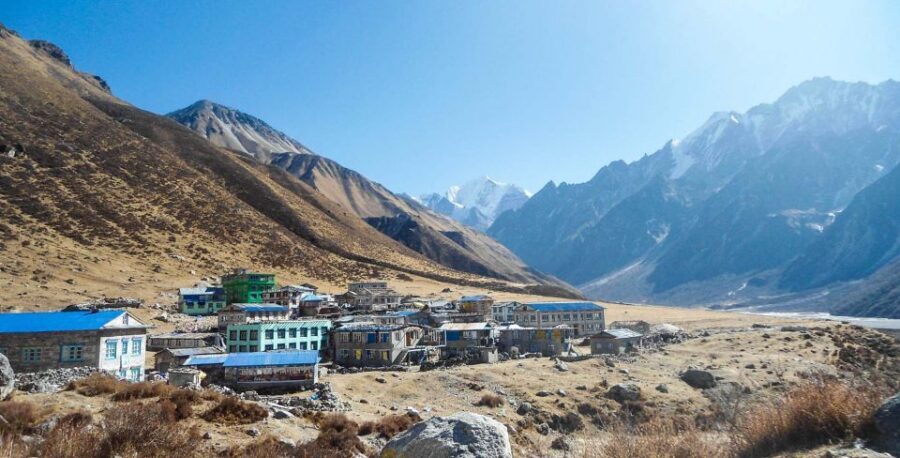
On Day 2 you trek from Syabrubesi (1,550m) to Lama Hotel (2,380m). The trail follows lush forest sections, includes suspension bridge crossings, and tracks the Langtang River for stretches.
This is the kind of day that feels straightforward on paper, but it teaches you something important: you need a steady pace. The forest walking can tempt you to speed up, and later, when the grade changes, you’ll wish you’d conserved energy earlier.
You’ll reach Lama Hotel in time to settle into teahouse life. Think of these lodge hours as part of the trek, not a side detail. You’ll rest, eat (meals are not included in the price, so plan for the cost), and get yourself ready for the next climb.
Day 3 Lama Hotel To Langtang Village: A Gradual Rise With Culture in the Mix
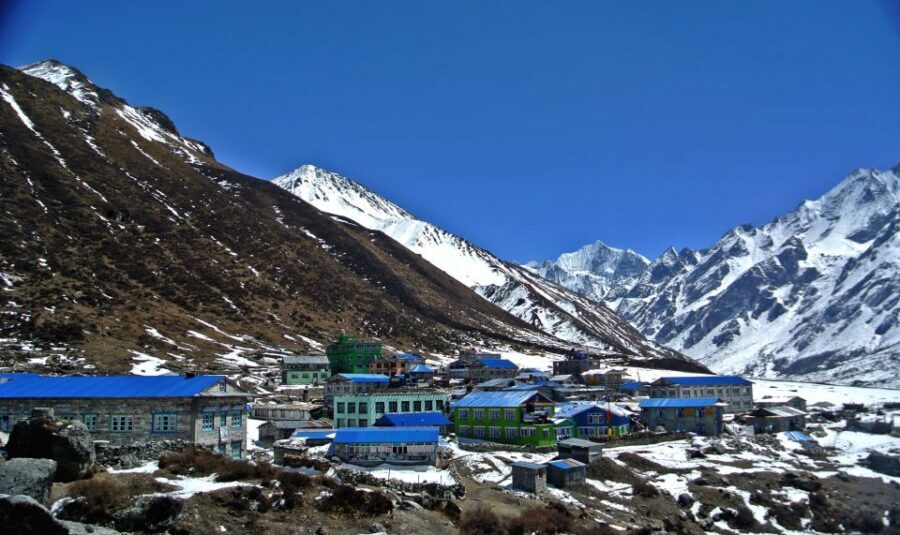
Day 3 runs from Lama Hotel (2,380m) to Langtang Village (3,430m). Expect a longer climb through dense rhododendron and oak forests, with steady uphill toward a higher, more open mountain world.
One reason this day feels special is how quickly the mood changes. You start noticing less lowland greenery and more mountain air, and your route begins to feel like it’s pulling you upward toward the big wall of peaks.
You also get a stronger sense of the local Tamang community here. This is not a “big museum visit” kind of day. It’s more about how the trail runs alongside real homes, routines, and mountain hospitality. If you like respectful cultural contact—simple greetings, patient conversations—this part of the trek fits.
Day 4 Langtang Village To Kyanjin Gompa: Yak Pastures and Big-Mountain Atmosphere
Day 4 lifts you from Langtang Village (3,430m) to Kyanjin Gompa (3,870m). As you climb, you’ll pass yak pastures and glacial streams, and the air usually feels sharper.
Approach this day like a controlled ascent. You’ll feel the altitude, even if the grade isn’t constantly brutal. The trail’s rhythm is the key: keep your breathing steady, take breaks before you’re gasping, and don’t treat every short steep patch like a sprint.
Kyanjin Gompa is where the whole trek starts to click visually. You can explore the ancient Buddhist monastery and take in wide panoramas of Langtang Lirung and surrounding peaks. This is the point where the trek stops being “a hike” and becomes “standing in the Himalaya.”
Day 5 at Kyanjin Gompa: The Acclimatization Day That Actually Makes Sense
Day 5 is your acclimatization day at Kyanjin Gompa. This is not extra fluff. It’s the day you give your body to adapt, which helps you hike with more confidence on the way down and reduces the risk of pushing too hard too soon.
You can keep it simple with short hikes. The itinerary mentions hikes to Kyanjin Ri or Tserko Ri for views, plus time to explore a local cheese factory. Even if you don’t chase every lookout, just walking around at a slower pace helps your body settle.
Practical mindset: use this day to “feel” altitude without trying to conquer it. You’ll likely notice your breathing is quicker than at lower elevations. That’s normal here. What matters is that you keep your effort calm and consistent.
Days 6 and 7: The Descent Back to Lama Hotel and Syabrubesi
Day 6 takes you back down to Lama Hotel, retracing your steps (3,870m to 2,380m). Descents can be physically tricky. Your legs work differently on the way down, and if you go too fast, your knees and shins feel it.
The upside is emotional. By Day 6, you already earned your views. The descent feels like you’re returning with new understanding, not just losing elevation.
Day 7 brings you from Lama Hotel to Syabrubesi, then a vehicle back to Kathmandu. This final hike is a nice wrap-up because it keeps you moving through the valley one last time, rather than feeling like you teleport out of the mountains.
If you have travel connections after Kathmandu, build buffer time. Even when everything goes smoothly, mountain-to-city timing can be unpredictable.
Guide, Permits, and Teahouses: What You’re Really Paying For
You’re paying for a full system: route guidance, permits, logistics, and day-to-day problem solving. That’s what the price is for, not just scenery.
Included in the package:
- Trekking permits for Langtang National Park and the TIMS card
- Teahouse lodge accommodation during the trek
- A licensed English-speaking guide
- Hotel accommodation in Kathmandu (usually one or two nights) plus pickup and drop-off
- Transportation to the trail start and back
- A basic first aid kit
- Option to hire a porter to carry your main backpack
This part matters because Langtang trekking is not “self-guided freedom.” Permits and route clarity matter. A good guide also helps you manage the pace and make quick decisions when conditions change.
From one first-timer’s experience, having the guide basically handle everything made the trek feel lighter mentally. The same trekker described the guide as more like a friend for the week than a distant tour employee—which is exactly how it should feel when you’re spending long hours in the mountains together.
Still, I’ll be honest: one unhappy experience pointed to issues with organization, lodge quality, and timing accuracy. If you choose this trek, your best defense is to ask clear questions before you start, especially about day count, return timing, and what “included” means in practice for your specific nights.
Price and Value: Is $450 a Smart Deal?
$450 per person for 7 days isn’t cheap by Nepal street standards, but it can be reasonable when you factor in permits, guide time, transport, and teahouse lodging. Also, you’re in a high-demand trek zone, and overhead adds up fast when you’re moving between Kathmandu and the trail.
The value question is less about the number and more about the reliability you get:
- Do you get solid guidance and pacing?
- Are the lodge choices decent and clean?
- Does the schedule fit your flights and constraints?
Based on mixed feedback, the trek can be an amazing, well-managed experience with the right guide. But if your itinerary depends on precise timing, confirm the plan tightly. If you’re traveling with a fixed flight window, build in buffer time around the trek’s end in Kathmandu.
How Hard Is This Trek: Steps, Altitude, and a Realistic Pace
This is a trekking itinerary, not a stroll. You should expect a lot of stairs and steep segments. The info also notes you’ll climb hundreds of steps, which can catch people off guard if they’re only thinking about “distance.”
One trekkers’ personal benchmark (shared by a first-time Nepal trekker) described the challenge as around 1,200 vertical meters of climbing per day over roughly 15 km, with about 8 hours of steep hiking each day. Even if your exact numbers differ, that’s a good mental model for how it feels: a long day of climbing, not a short workout.
How to make it easier on yourself:
- Go slower than you think you need to.
- Take breaks before you feel wiped out.
- Drink regularly, even when you don’t feel thirsty.
- Keep pack weight under control, or use the porter option.
If you have back problems, mobility limitations, or you’re pregnant, this setup isn’t a good match. The same goes for wheelchair users. The trail is step-heavy and not designed for that.
What to Pack (and What Will Annoy You on the Trail)
The practical “musts” from the info:
- Passport-sized photo
- Passport or ID card copy accepted
- No drones
- No oversize luggage
Pack strategy matters most on this kind of trek. Even with a porter available, you still need a light day pack for essentials like water, layers, and snacks you buy along the way.
Clothing-wise, you’ll want layers. Conditions can shift with altitude and time of day, and evenings near Kyanjin Gompa can feel colder than you expect. If you run hot, still bring a warm layer—mountain weather doesn’t care about your preference.
One more thing: bring a good attitude toward stairs. If you treat steps like a personal enemy, they’ll win. If you treat them like a rhythm, they become normal.
A Note on Logistics: Meals, Lodges, and Avoiding Surprises
Meals are not included in the package. You can buy them on site for around Npr 2500 per person per day (approximate). That means you should budget for daily food costs and expect some variation in what you’ll find at different lodges.
On accommodations: teahouses are part of the plan, which usually means simple rooms and shared facilities. One critical experience mentioned stays that felt rundown and dirty and said the trek was shortened by one day due to not returning on time for a flight. That’s not the norm you want to gamble on.
To protect yourself:
- Confirm the schedule and day count in writing before you go.
- Tell the operator your flight timing and ask how they handle delays.
- Ask what to expect for lodge standards on your exact nights.
Should You Book This 7-Day Langtang Trek?
Book it if you want a classic Langtang route with real mountain days, a proper acclimatization pause at Kyanjin Gompa, and an English-speaking guide who can keep your pacing and permits organized. It’s a strong choice for hikers who handle steep walking and want close peak views without camping gear.
Skip it if your health or mobility makes stairs and altitude effort risky. Also, if you’re very time-sensitive with flights, verify the return timing early and build buffer days.
If you go with clear expectations, pack sensibly, and hike with patience, this is the kind of trek that leaves you thinking about the mountains long after you’re back in Kathmandu.
FAQ
What is the highest altitude on this trek?
The itinerary reaches Kyanjin Gompa at about 3,870m.
Are meals included in the $450 price?
No. Meals are available to purchase on the trail, with an approximate cost of Npr 2500 per person per day.
Do I need permits for this trek?
Yes. The package includes trekking permits for Langtang National Park and the TIMS card.
Is the guide included, and what language do they speak?
Yes. You get a live English-speaking guide.
Is this a private group tour?
Yes, it’s listed as a private group.
Can I hire a porter to carry my backpack?
Yes. There’s an option to hire a porter to carry your main backpack.
Are drones allowed?
No, drones are not allowed.
If you want, tell me your fitness level and your travel dates (especially your Kathmandu flight time). I can help you sanity-check whether the 7-day format and typical descent timing will fit your schedule.