REVIEW · EVEREST SCENIC FLIGHTS
45-Minute Mount Everest Flight Tour from Kathmandu
Book on GetYourGuide →Operated by Nepal Hiking Pvt. Ltd. · Bookable on GetYourGuide
Everest from your window can be reality. This 45-minute Mount Everest flight from Kathmandu uses a modern Jetstream 41 that’s fully pressurized and air-conditioned, so the sky feels smooth instead of thin and cold. You also get a guaranteed window seat, which matters when you’re trying to actually see the peaks instead of just hearing about them.
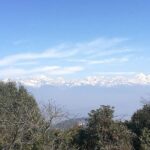
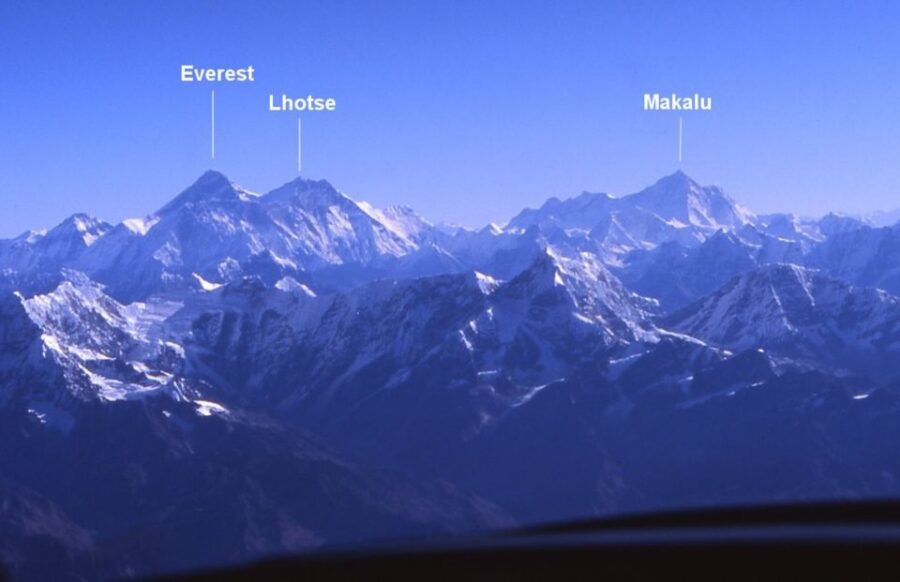
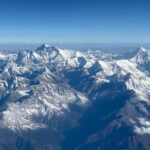
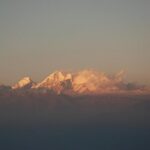
What I like most is how quickly the scenery turns into a high-altitude panorama. At about 25,000 feet, you’re above the clouds, looking down on a long chain of snow-capped giants and the Himalayan world stretching toward the horizon—Everest included, plus neighbors like Lhotse and Makalu.
The main thing to consider is that you’re not landing on Everest. You’ll see it from a distance, and weather can affect visibility. When conditions are poor, you may end up waiting around the airport before the flight is delayed or canceled.
In This Review
- Key highlights worth planning for
- How the 45-minute Everest flight really runs from Kathmandu
- Jetstream 41 comfort: pressurized and air-conditioned matters more than you think
- What you’ll see: Everest plus a whole lineup of 8,000-meter peaks
- Window-seat strategy and photo tips at 25,000 feet
- The on-the-ground flow: transfers, airports, and timing for best visibility
- Price and value: is $250 per person worth it?
- Who should book this Everest flight and who should skip it
- Should you book the 45-minute Everest flight from Kathmandu?
- FAQ
- How long is the Mount Everest flight tour from Kathmandu?
- What aircraft is used for the tour?
- Do I get a window seat?
- What does the tour include?
- What should I bring?
- Is the tour suitable for everyone?
Key highlights worth planning for
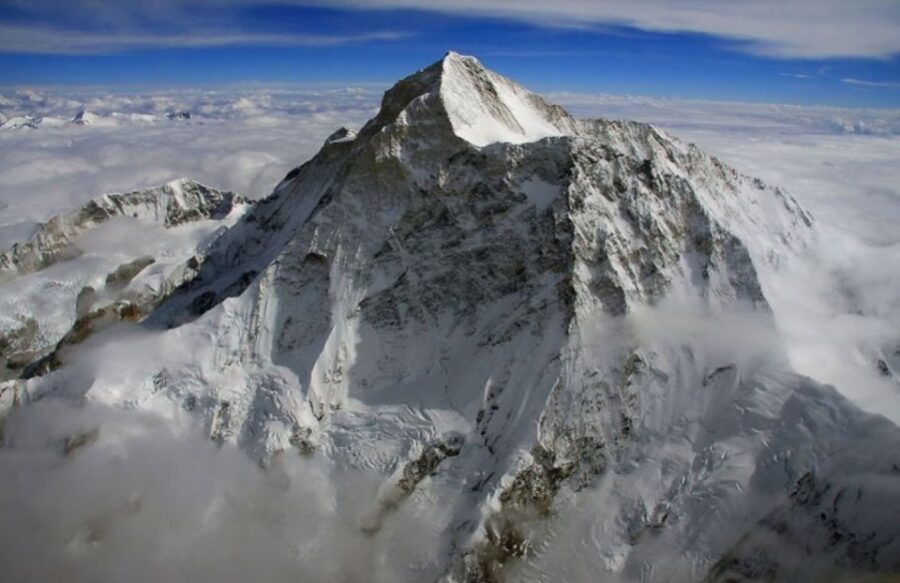
- Guaranteed window seat for uninterrupted views across the Himalaya
- Jetstream 41 comfort with a pressurized, air-conditioned cabin
- 45-minute, time-saving option if you want Everest views without climbing
- Big peak list on one outing including Everest, Lhotse, Nuptse, Makalu, and Kanchenjunga
- Above-the-cloud vantage at roughly 25,000 feet with glaciers, lakes, rivers, and gorges below
- Possible cockpit photo moments on some flights, depending on operations and crew
How the 45-minute Everest flight really runs from Kathmandu
This tour is built for people who want Everest on a schedule. You start in Kathmandu, then head to the airport for a short flight timed around views over the highest part of the Himalayan range. The whole experience is listed around 45 minutes to 1 hour from start to finish at the airport, with the flight itself described as a 45-minute Mount Everest segment.
The experience feels efficient, almost like a scenic detour that still has impact. Instead of spending days hiking to higher ground, you rise quickly into the same altitude zone where the mountain skyline becomes dramatic. It’s also a smart choice if you’re using Kathmandu as a launch point—maybe you’ve got a trek coming up soon and you want a first, awe-filled look at the mountains before you commit to boots and altitude.
On the ground, the process is straightforward: you’re picked up in Kathmandu (pickup is based on your hotel name), transferred by car to the airport, and then you’re set up for the flight. In practice, the check-in routine can be simple—boarding passes may be handed to you and you’ll be taken to the domestic side—so don’t plan on needing a lot of hand-holding once you arrive.
Drawback? If you’re expecting something like a private or helicopter-style experience, this is a normal plane flight. It’s still scenic, but it’s not a close-up, door-open adventure. The magic is in the view from your seat and in the timing of the route.
You can also read our reviews of more tours and experiences in Kathmandu.
Jetstream 41 comfort: pressurized and air-conditioned matters more than you think
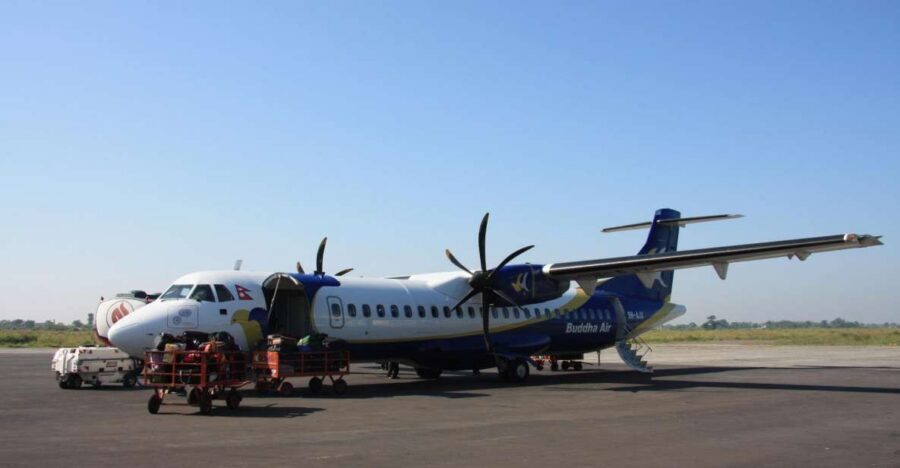
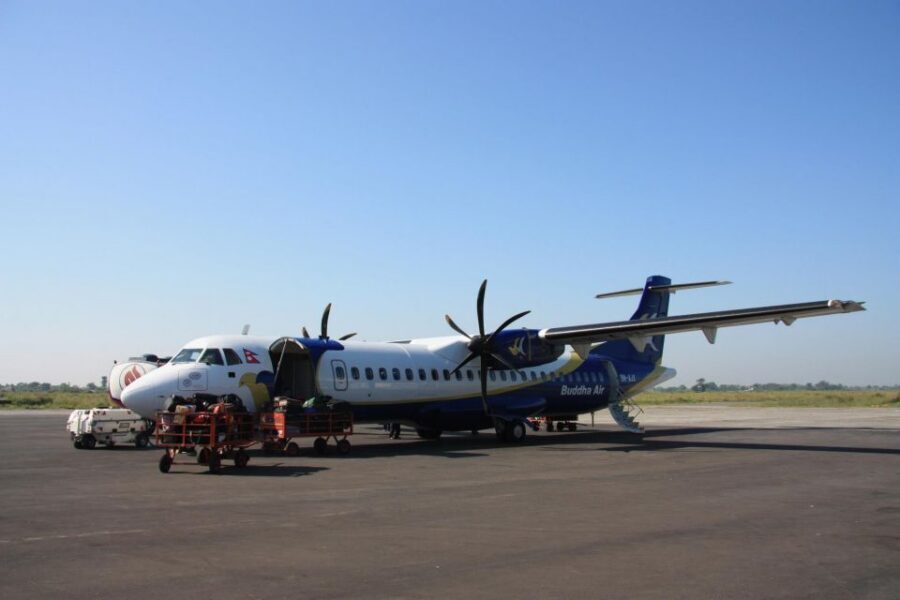
Everest flights sound like they’d be cold and exhausting. That’s not the point here. The aircraft is a Jetstream 41, described as modern, fully pressurized, and air-conditioned. For many people, that’s the difference between enjoying the trip and spending the flight worried about how the altitude will feel.
At around 25,000 feet, you’re high enough for the cloud layer to break and for the landscape to look like a giant white-and-dark puzzle. Being in a pressurized cabin helps you stay comfortable while the view does the heavy lifting. You’re also not fighting the fatigue that comes from climbing for hours just to reach an equivalent viewpoint.
This matters even more if you’re combining the flight with other activities in Nepal. If you’re heading toward Everest Base Camp on foot in the next couple of days, this kind of “warm-up” flight can give you context for what you’ll be chasing. You’ll recognize the shapes and the spacing between peaks, and that makes the trek feel less like random scenery and more like a route with a clear purpose.
The downside is simple: comfort doesn’t control visibility. If clouds are thick or weather is slow-moving, the plane can’t magically punch through a gray sky. Still, when conditions cooperate, you’ll get that classic Himalayan layered look—peaks stacked far and near, with occasional glints where light hits snow.
What you’ll see: Everest plus a whole lineup of 8,000-meter peaks
The headline is obvious: Mount Everest. The flight is designed to give you views of Everest and the Himalayan range, and Everest is described as being about 29,029 feet at its summit. You won’t be seeing the mountain up close like a climber does, but you will see why it’s the king of the skyline—its shape stands out among the surrounding giants.
What’s even better is that Everest rarely travels alone here. You may also see several of the world’s highest peaks, including:
- Lhotse
- Nuptse
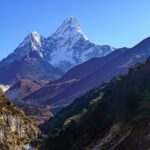
- Amadablam (spelled Amadablam in the tour details)
- Chamlang
- Makalu
- Gauri Shankar
- Langtang Lirung
- Annapurna
- Manasalu (listed as Manasalu)
- Ganesh
- Kanchenjunga
This lineup is where the flight becomes more than just a bucket-list checkbox. When you’re high enough to see the range stretch out, you start understanding how the Himalaya is not one mountain—it’s a full system. Peaks repeat in patterns. Some stand taller, some sit like sharp ridges, and some blend into the background until the light hits them.
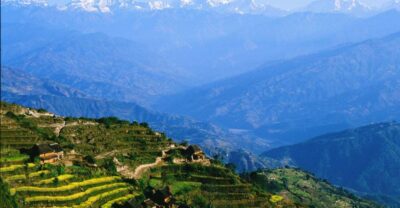
The flight also describes moving above clouds and over natural features like glaciers and lakes, rivers, and gorges. That’s the part that surprises people. It’s not just white peaks; you’re looking at the geography feeding those peaks—valleys carved by water, ice in motion, and the shadows where terrain drops away.
One more detail: because you’re above cloud cover at the cruising altitude, the view often feels like a continuous panorama. That’s why the guaranteed window seat is such a big deal—your best angles aren’t the kind you can easily recreate by turning in your row once the plane banks.
Window-seat strategy and photo tips at 25,000 feet
This tour leans hard on the idea of unobstructed views from your seat. That means your habits matter.
First, treat your camera like the main character. Bring it ready to use: you’ll likely want to shoot quickly when the plane aligns with a peak, because the most dramatic frames tend to come in short bursts as the route and aircraft position shift. Sunglasses are also worth it, since high-altitude light and reflections off windows can be harsh.
Second, expect snow glare. Even when it looks beautiful, bright white surfaces can wash out detail. If your camera has exposure options, consider using a slightly lower exposure setting when the plane is aimed at the brightest snow fields. If not, just shoot a few frames quickly and you’ll usually capture at least one with good contrast.
Third, don’t ignore the rest of the scene. People often focus only on Everest, but the most interesting photos can include the cloud layer edge—where the sky shifts to a clean horizon—and the dark lines of valleys below. Those layers are what make the Himalaya feel real, not flat.
A small bonus that some people have mentioned in their experience: depending on how operations go, access to the cockpit area for photos can sometimes happen a couple of times during the flight. It’s not something I’d count on, but it’s a nice reminder that the crew may occasionally accommodate photo requests when safe and allowed.
The on-the-ground flow: transfers, airports, and timing for best visibility
This is a short flight, so your schedule on both sides matters. Pickup is included between your hotel and the airport by car when that option is available, and the driver is listed as English-speaking. That’s practical if you’re tired from jet lag or if you don’t want to figure out Nepal’s airport logistics on your own.
At the airport, plan for a setup that may feel quick and direct. The process can be handled in a straightforward way: passes are provided, and you’re then guided to the relevant area before boarding. The value of this setup is that you don’t spend the morning wandering in uncertainty. The risk is that if you arrive late or underprepared, there’s less time for fixes.
Now, the big variable is visibility. This flight operates daily all year, but the tour notes that the best time is through October–May. That suggestion is about conditions—clearer air tends to mean sharper peak visibility and better contrast over the cloud deck.
If visibility is poor, flights can be delayed or canceled. I’d take that seriously and build flexibility into your Kathmandu days. There’s at least one example of rebooking the next day when weather cancels the first attempt, and a driver being ready to bring you back afterward. That’s the kind of practical response you want from the operator, but you still shouldn’t treat a single flight date as guaranteed Everest time.
One good way to think about it: this isn’t a tour where you can control the weather. What you can control is your willingness to shift your schedule if Mother Nature says not today.

Price and value: is $250 per person worth it?
At $250 per person for a roughly 45-minute to 1-hour experience, you’re paying for something very specific: quick altitude access and a guided route over Everest and the Himalayan skyline without the time, training, and risk of climbing.
Here’s what you’re getting for that money:
- A short, scenic flight that’s built around the Everest view corridor
- A modern Jetstream 41 cabin that’s pressurized and air-conditioned
- A guaranteed window seat, which is the whole point of the product
- A flight certificate included
- Round-trip hotel-to-airport transfers by car when the option is available
So, does it feel expensive? It can—until you compare the alternatives. Getting Everest views through trekking takes weeks and comes with far more planning, gear, and physical cost. Getting Everest views through climbing costs years and a lot of specialized logistics. This is the “I want the mountains, not the suffering” option.
The best value case is when you use it as a high-impact add-on: arrive in Nepal, take the flight, then continue to a trek with your eyes already tuned to the range. Another strong value case is if you’re short on time or your itinerary can’t handle multiple days of route planning just to see the Himalaya from up high.
The weak value case is when you land in Kathmandu on a gray, low-visibility window and your flight gets canceled or blurs out. Then you’re paying for the attempt, not the photo. That’s why flexibility matters.
Who should book this Everest flight and who should skip it
This tour is a great match if you want:
- Everest and big Himalayan views on a tight schedule
- Comfort and ease (pressurized, air-conditioned cabin)
- A guaranteed window seat rather than hoping you get one
- A quick orientation before a longer Everest-area trek
It’s also listed as wheelchair accessible, and you’ll have an English-speaking driver for pickup and transfer support. That’s useful if airport navigation is your biggest stress point.
On the other hand, it’s not suitable for pregnant women, based on the tour’s own restrictions. If that applies to you, you’ll need a different style of experience.
Finally, be realistic about closeness. You’ll see Everest, but you’re flying from the air. If your dream is a near-scale photo, a rooftop view won’t satisfy the same craving. Think instead of a cinematic panorama.
Should you book the 45-minute Everest flight from Kathmandu?
If you’re in Kathmandu and you want a fast, comfortable taste of Everest and the high peaks, I think this is an excellent move. The guaranteed window seat plus the Jetstream 41 comfort are exactly what make this kind of flight work as a real experience instead of a blurry gamble.
Still, book it with your weather radar turned on. Choose a time when you have at least some schedule flexibility, because low visibility can turn a dream day into airport waiting. If you’re okay shifting plans, this flight can be one of your most efficient and memorable moments in Nepal.
FAQ
How long is the Mount Everest flight tour from Kathmandu?
The flight tour is listed as about 45 minutes to 1 hour total experience time, with the flight described as a 45-minute Mount Everest segment.
What aircraft is used for the tour?
The tour uses a modern Jetstream 41 aircraft that is pressurized and air-conditioned.
Do I get a window seat?
Yes. The tour details say you’ll have a guaranteed window seat for unobstructed views.
What does the tour include?
It includes the flight tour time, a certificate of the flight tour, and round-trip transfers between your hotel and the airport by car if that option is available.
What should I bring?
Bring your passport or ID card, comfortable shoes, sunglasses, and a camera.
Is the tour suitable for everyone?
No. The tour is not suitable for pregnant women. It also lists restrictions such as no pets and no smoking.