REVIEW · HINDU TEMPLE TOURS
Pashupatinath Temple, Hindu Crematorium and Aarati in-depth Tour
Book on Viator →Operated by Himalayan Adventure Therapy · Bookable on Viator
Sacred rituals in Kathmandu have layers. This in-depth Pashupatinath Temple and crematorium tour pairs a guided walk through the oldest Hindu temple complex with a look at the Bagmati river bank Bagmati aarti, timed for an afternoon start.
I love the Ph.D.-level cultural explanations, and the way your guide connects myth, daily practice, and what Hinduism looks like today. I also like the practical flow: you move from temple architecture and worship cues to the cremation process, then finish with Sandhya Aarati where local people gather in force.
The only real catch is emotional. The crematorium stop is solemn, and if death-related rituals are hard for you, this tour will not be a casual stroll.
In This Review
- Key highlights
- Why Pashupatinath feels different with a guide
- The 2:00 pm timing and why it helps with Sandhya Aarati
- Stop 1: Pashupatinath Temple walkthrough with a heritage-focused guide (2 hours)
- Stop 2: Crematoria visit with a live cultural process explanation (1 hour)
- Stop 3: Sandhya Aarati on the Bagmati river bank with priests and local crowds (2 hours)
- Price and value: what $90 covers (and what you handle yourself)
- Transportation, group setup, and how the half-day feels
- Respect, emotions, and your best way to act during cremation and aarti
- Who should book this Pashupatinath Temple and crematorium tour?
- Should you book this in-depth Pashupatinath Temple and Aarati tour?
- FAQ
- How long is the Pashupatinath Temple, crematorium and Aarati in-depth tour?
- What time does the tour start in Kathmandu?
- Is pickup included?
- What’s included in the tour price?
- Do you visit the Hindu crematorium during the tour?
- Is the tour private?
- Is free cancellation available?
Key highlights
- Ph.D.-led heritage guidance at Pashupatinath Temple for a clearer read on what you’re seeing
- Crematoria explained with live context by experts from the Pashupati Area Development Trust
- Sandhya Aarati on the Bagmati river bank with priests performing precise lamp-and-incense rituals
- $90 value basics handled: private transport, bottled water, all fees/taxes, and admission tickets
- A private tour experience where you can ask questions and get routing help through the complex
Why Pashupatinath feels different with a guide
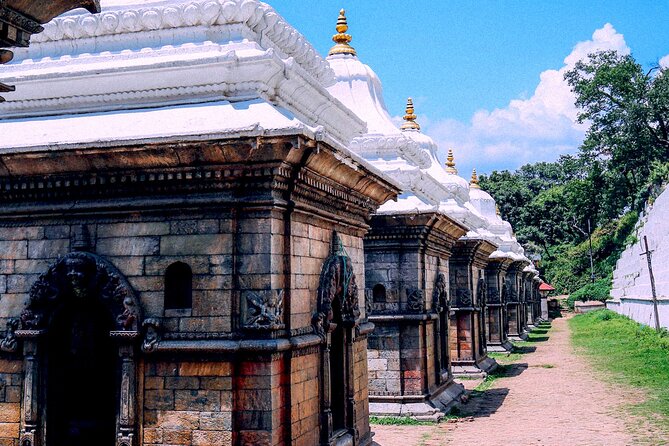
Pashupatinath is not just a big temple site you can wander through. It’s a living religious landscape where stories, ceremonies, and everyday movement all overlap in the same stone spaces and riverbank approach routes. Without context, you might see a lot. With context, you start to understand why people behave the way they do—where they stand, what they watch, and what they believe the place is doing for them.
That’s where this tour’s approach matters. Your guide is presented as a serious heritage specialist—someone with a Ph.D. in tangible and intangible heritage of Pashupatinath—with other expertise supporting the explanations. In practice, that means you’re not only hearing religious talking points. You’re getting a structured way to interpret symbols, ritual logic, and how those ideas show up now, not only in old texts.
Names show up in the experience too. Some visitors have specifically mentioned guides like Nabin and Nirajan, praised for being patient, attentive, and able to answer questions in plain language. That matters in a place like this, where you’ll naturally wonder what you’re allowed to do, what’s ceremonial versus casual, and what each moment is trying to communicate.
You can also read our reviews of more tours and experiences in Kathmandu.


The 2:00 pm timing and why it helps with Sandhya Aarati
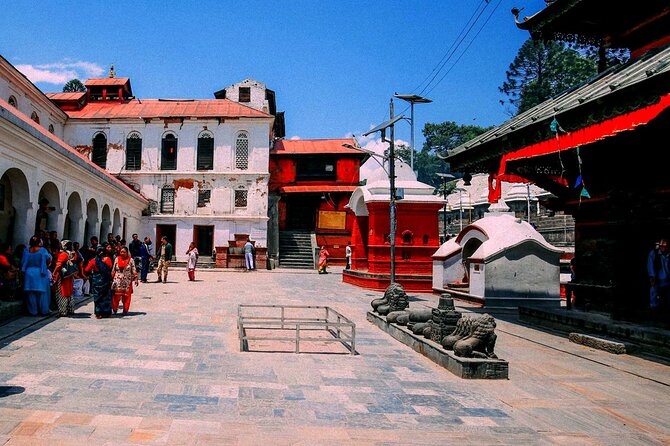
This tour starts at 2:00 pm and runs about 4 to 5 hours. That timing is built for the temple cycle, not for a rushed checklist. You get afternoon light for temple viewing, then you’re positioned to end with Sandhya Aarati—the evening lamp-and-incense ceremony—when local people turn up to watch.
Why you should care: in religious sites, the meaning often peaks when the ritual actually happens. The tour is designed so you don’t just read about aarti as a concept. You see priests performing precise rituals, and you see the social energy of the moment—people arriving, gathering, and participating alongside the ceremony.
If you hate waiting around, this works because the tour keeps moving: temple viewing first, then the crematoria process explanation, then the aarti finish. One guest even said the full run time felt long on paper but flew by in person—exactly what you hope for when you’re spending half a day on a single sacred site.
Stop 1: Pashupatinath Temple walkthrough with a heritage-focused guide (2 hours)
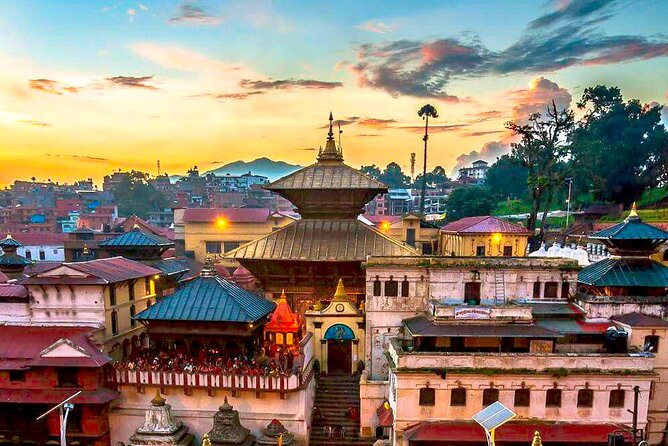
You start inside the Pashupatinath Temple area, with admission ticket included. The tour’s first segment is about helping you see the entire complex’s key attractions, not only the most obvious spots.
Here’s what makes this first stop valuable: Pashupatinath is described as the oldest Hindu temple in the world, and it still functions as a sacred place where religious practice is ongoing. That combination can be confusing if you treat it like a museum. This guide approach helps you read the site as both historic and active—where tradition is not frozen behind ropes, but enacted by priests and worshippers throughout the day.
In a place like this, I also like that the tour is described as being attentive to what you want. Some people mention the tour being tailored to their interests, with guides guiding them through paths they hadn’t noticed before. That’s not just convenient—it helps you avoid the trap of being stuck at the busiest viewpoints while missing the quieter patterns that make religious sites feel coherent.
You’ll likely notice the atmosphere quickly: incense in the air, bells or temple sound cues, and the steady rhythm of ritual movement. With a guide, those sensory bits stop being random background and become part of the story of how the temple works.
Stop 2: Crematoria visit with a live cultural process explanation (1 hour)
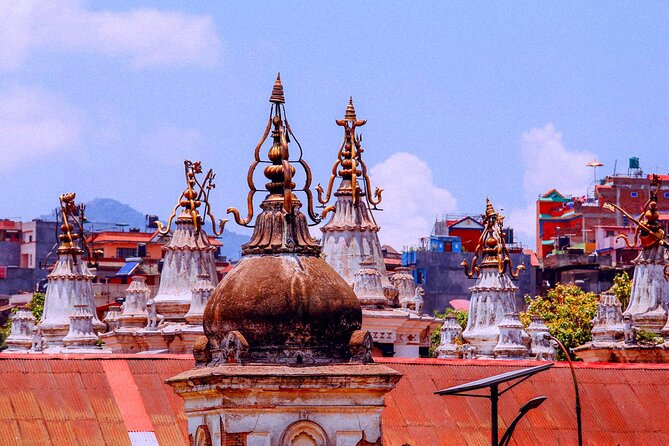
Next comes the part that requires the most emotional preparation: a visit to the Hindu crematorium area, again with admission ticket included.
You’re not dropped off to observe quietly. The tour is described as having experts from the Pashupati Area Development Trust explaining the cultural process of cremating the dead in Hindu religion, using live scenario context. That’s a big difference between seeing an unfamiliar ritual from the outside and actually understanding the sequence, symbolism, and community logic behind it.
Why this stop can be so meaningful: it confronts what most tourists try to avoid while sightseeing. This tour frames the crematoria visit around the practical sanctity of life—how rituals communicate respect, continuity, and transformation rather than only focusing on the physical moment.
Potential drawback: if you are sensitive to death-related rituals, this segment might hit hard. Even with explanation, it’s still the cremation setting, and the mood stays solemn. If you come expecting a light cultural performance, you’ll likely feel out of place. If you come ready to be serious, you’ll probably find this the tour moment that sticks with you the longest.
Also, keep your expectations realistic. This is one hour. That’s enough time for context and orientation, but it’s not a background documentary. Your best move is to ask your guide what you’re seeing in the moment, and to let the explanation do its job rather than trying to mentally juggle every detail yourself.
Stop 3: Sandhya Aarati on the Bagmati river bank with priests and local crowds (2 hours)
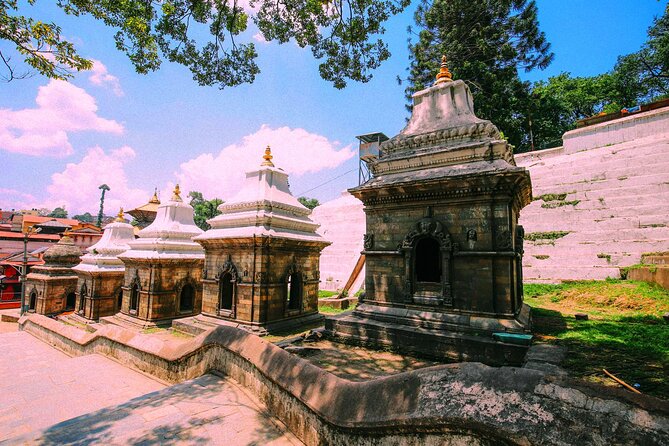
The tour finishes with Sandhya Aarati, the offering of lamps and incense performed in precise priestly rituals. This part takes place by the Bagmati river bank, where the ceremony connects directly to the water and to the community rhythm of the evening.
This is the segment that tends to feel electric in a grounded way—more motion and sound, more people gathering, more visible devotion. One of the strongest practical benefits of the guide here is pacing: you get shown where to stand so you can see what’s happening without blocking or losing key actions in the crowd flow.
From a sensory standpoint, this is where incense smells and temple sound cues tend to feel most intense. People also mention the overall scene’s busy-realness—the kind of tableau you can’t replicate in a photo. One guest described the crematoria backdrop as involving holy men alongside animals like bulls and monkeys. Even if you don’t focus on animals directly, the point is that you’re seeing a lived place, not a staged one.
If you’re hoping for a cultural moment that feels both spiritual and socially real, Sandhya Aarati is where the tour earns its keep. It’s also a useful anchor after the solemn crematoria stop. The contrast can help you understand why these rituals belong together in the same sacred ecosystem.






Price and value: what $90 covers (and what you handle yourself)
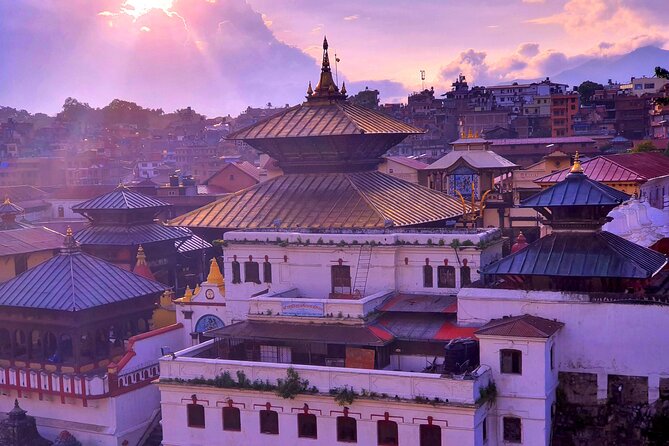
At $90 per person, this isn’t a bargain-basement city tour. It’s also not overpriced if you value expert guidance in a complex, high-context site.
Here’s what your money covers:
- Expert guides
- Private transportation
- Bottled water
- All fees and taxes
- Admission tickets for the temple and crematoria segments
- Mobile ticket
- Pickup offered
And there are small extras that matter in Kathmandu logistics, like being near public transportation and having a public toilet available. If you’ve ever tried to independently navigate a sacred complex while figuring out where ceremonies happen, you know why that guidance component is part of the cost—not a bonus.
What isn’t included:
- Tips for guide and driver
- Donations and offerings to sadhus or temples
My practical advice: decide your tip and donation approach before you start. You can choose to tip generously because you’re paying for interpretation, time, and respectful routing. Or you can keep it simple and only handle offerings if you personally feel moved to do so.
Transportation, group setup, and how the half-day feels
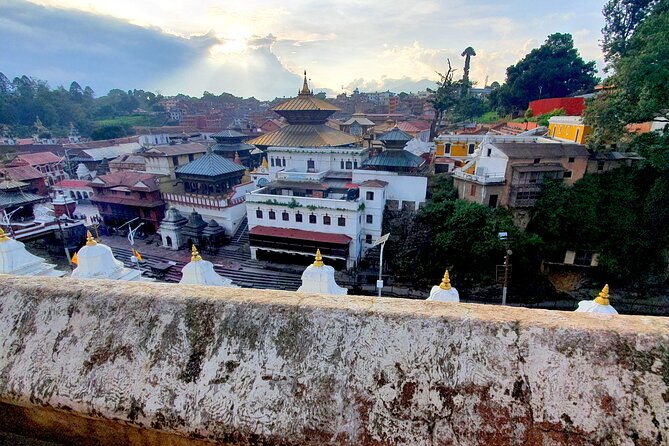
This is a private tour/activity, meaning only your group participates. That changes the experience in a real way. In crowded religious sites, being able to ask questions without competing with other people’s curiosity helps you get more from the tour, especially during the crematoria explanation where details matter.
Duration stays reasonable for a single-topic deep dive: 4 to 5 hours. The afternoon start also helps you avoid spending your whole day in one place. Still, plan your energy. You’ll be focused, watching, and processing meaning—so build in downtime before and after.
It’s also described as suitable for most travelers, with service animals allowed and public toilet access. If you’re planning physical needs around walking and standing, this is the kind of tour where being comfortable with crowds and uneven temple approaches is more useful than anything else.
Respect, emotions, and your best way to act during cremation and aarti
Because the tour includes the crematorium, your attitude matters more than your itinerary stamina. Come with respect, keep your voice low around solemn moments, and treat the explanation as your guide to how you should interpret what you’re seeing.
A helpful mindset: think of the guide as your translator of behavior. When you understand why someone is moving in a certain way, you stop judging it as strange and start recognizing it as purposeful. That’s exactly the kind of guidance praised when visitors mention in-depth learning and patience in answering questions.
For the aarti part, the same principle applies: you’re watching priests perform precise rituals, while local people also participate. If you’re there for photos only, you may miss the meaning. If you’re there to understand what each action signals, you’ll likely leave feeling the ceremony made sense, not only looked impressive.
Who should book this Pashupatinath Temple and crematorium tour?
Book it if you want more than surface sightseeing. You’ll likely enjoy it if you:
- want clear explanations of Hindu practice and symbolism at a major living temple
- are interested in how belief translates into real rituals around life and death
- appreciate expert routing so you can see more than the busiest viewpoint routes
- like ceremonies with a clear start-to-finish flow, ending with Sandhya Aarati
Skip—or consider another option—if:
- the crematorium setting will be upsetting for you
- you want an easygoing, low-intensity tour
- you prefer purely historical ruins with no ongoing ritual atmosphere
Should you book this in-depth Pashupatinath Temple and Aarati tour?
I’d book it if you’re the type of traveler who wants meaning, not just landmarks. The best part is the structure: temple context first, cremation explanation next with trusted local expertise, then Sandhya Aarati by the Bagmati river bank. That sequence helps you connect the dots instead of treating each moment as an isolated sight.
If you’re uneasy about death-related rituals, be honest with yourself. This tour goes there, and it does it respectfully—but it doesn’t soften the reality.
If you do book, do it ready to learn, not ready to multitask. Bring calm curiosity, keep questions coming, and let the ceremonies set the pace. You’ll probably end the half-day with a much clearer read on why Pashupatinath matters in Hindu life.
FAQ
How long is the Pashupatinath Temple, crematorium and Aarati in-depth tour?
It runs about 4 to 5 hours.
What time does the tour start in Kathmandu?
The start time is 2:00 pm.
Is pickup included?
Yes, pickup is offered.
What’s included in the tour price?
The tour includes bottled water, private transportation, all fees and taxes, admission tickets, and expert guides. Mobile ticket is also mentioned.
Do you visit the Hindu crematorium during the tour?
Yes. The crematoria stop is part of the tour, with an included admission ticket.
Is the tour private?
Yes. It’s a private tour/activity, and only your group participates.
Is free cancellation available?
Yes. You can cancel up to 24 hours in advance for a full refund. If you cancel less than 24 hours before the start time, the amount paid is not refunded.