REVIEW · EVEREST BASE CAMP TREKS
Everest Base Camp Trek
Book on Viator →Operated by Nepal Hiking Adventure Company - Private Day Tours · Bookable on Viator
One sentence tests you. Then the trail starts. This 14-day Everest Base Camp plan is popular for a reason: it balances altitude work, big scenery days, and culture stops in the Khumbu region. I like how the route is built around Namche Bazaar acclimatization and daily look-forward moments like Everest View.
I also love the mix of the big-name trekking beats—Everest Base Camp, Kala Patthar, and the Khumbu Icefall area—with quieter religious and local-life detours like Tengboche and Pangboche.
One possible drawback: the Lukla flight schedule can be weather-sensitive, so you should be mentally ready for itinerary shifts when conditions change.
In This Review
- Key points at a glance
- Why the Everest Base Camp route works in 14 days
- Kathmandu first: Thamel hotel nights and trip setup
- The Lukla flight leap: quick rides with serious consequences
- Day 2 to Phakding: Dudh Koshi valley first impressions
- Namche Bazaar: acclimatization that doubles as culture time
- Tengboche: monastery calm with big mountain drama
- Dingboche and Deboche: forests, meadows, and a slower pace
- Lobuche: memorials, moraine terrain, and the route getting serious
- Everest Base Camp day: beyond the postcard
- Kala Patthar at 5,550m: your dawn-view payoff
- Pangboche and the way down: returning through monastery country
- Lukla return: the Hilary suspension bridge and the last miles
- Price and logistics: what you’re paying for and what you should plan for
- Guide support that shows up in real moments
- Who this trek suits best (and who should think twice)
- Should you book this Everest Base Camp trek?
- FAQ
- Where does the trek start?
- How long is the Everest Base Camp trek?
- What is the total price?
- How does transportation work between Kathmandu and Lukla?
- Are flights included in the package price?
- Where do you sleep during the trek?
- What meals are included?
- What is the highest elevation on this trek?
- What fitness level do I need?
- What’s the cancellation policy if weather or plans change?
Key points at a glance
- 14-day pacing: acclimatization in Namche and an extra unwind day in Dingboche
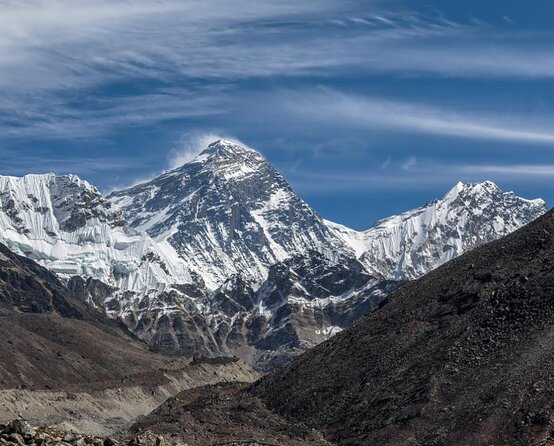
- Big-view payoff day: Kala Patthar at 5,550m for Everest dawn views
- Culture along the way: Tengboche and Pangboche monastery stops built into the trekking rhythm
- Realistic EBC approach: time at base camp plus the surrounding glacier and moraine terrain
- Small group size: maximum 8 travelers, so it feels organized instead of chaotic
- Flights included, logistics handled: Kathmandu/Lukla and return are part of the package, not left to guesswork
Why the Everest Base Camp route works in 14 days
The Everest Base Camp trek gets marketed like it’s one long camera-walk. It’s not. The altitude, the weather, and the physical grind all decide your pace. That’s why a 14-day itinerary matters: it gives you room to adjust before you push higher.
Here, the plan leans on two altitude-smart breaks. You acclimatize in Namche Bazaar at about 3,440m, and later you get a built-in rest/relax day in Dingboche. That doesn’t make the trek easy, but it makes it far more doable for people with moderate fitness.
I also like that the days are structured around movement with purpose. Some days are long hiking days. Some days are shorter enough that you can still enjoy places like monasteries and museum visits instead of just surviving.
You can also read our reviews of more hiking tours in Kathmandu
Kathmandu first: Thamel hotel nights and trip setup
Your trek starts with a Kathmandu airport pickup and a hotel near Thamel for the first night. You’ll also have a pre-trip meeting with your team and time to sort essentials before the jump to Lukla.
This is a genuinely practical start. Kathmandu is where you handle the stuff that can ruin a trek later: fitting layers, checking trekking shoes, topping up cash, and getting your first meal plan under control. Being near Thamel also helps because it’s a good base for last-minute items without turning your first day into errands all day.
The package includes 2 nights in Kathmandu on a bed-and-breakfast plan at a hotel in the Kailash Kutee category (or same category). That’s not luxury, but it’s a solid, functional place to sleep and reset.
The Lukla flight leap: quick rides with serious consequences
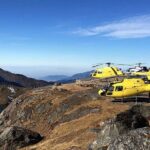
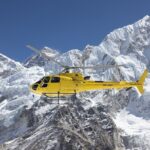
On Day 2 you fly about 40 minutes from Kathmandu (or Ramechap) to Lukla. Lukla is known for being one of the world’s most intense small-airport experiences. The key point for you: flights can be delayed or canceled when weather doesn’t cooperate.
That’s exactly why this package includes flight tickets for you (KTM–Lukla–KTM or Ramechap–Lukla–Ramechap). It doesn’t remove weather risk, but it does remove the extra stress of figuring out transport while you’re already tired and on a deadline.
There’s a flip side. When flights change, plans can shift in a way that’s outside anyone’s control. Keep that expectation in your head early, not as an afterthought.
Day 2 to Phakding: Dudh Koshi valley first impressions
After landing in Lukla, you walk northwest to Phakding for the night. This first trekking day matters because it sets rhythm. You’re not pushed straight into thin air; instead, you ease into the valley while your body learns what daily hiking feels like at altitude.
You’ll also get your first close look at Khumbu-region life—small villages, busy trails, and constant mountain views depending on the weather. Even if the peaks are cloudy, the trail itself gives you a steady “we’re really in it now” feeling.
One practical takeaway: treat this first day like warm-up training. It’s tempting to rush because you’re excited. Don’t. Save energy for Namche, the acclimatization days, and the longer pushes later.
Namche Bazaar: acclimatization that doubles as culture time
Day 3 brings the bigger trek step toward Namche Bazaar, and the route includes crossing suspension bridges and passing through the Monjo area. It’s one of those stretches where you’ll feel your lungs working but also feel the reward building.
Day 4 is your acclimatization day in Namche Bazaar (3,440m / 11,283ft). This matters because you’ll be gaining elevation again soon. Instead of adding more altitude every day, the plan gives you a “pause and adjust” day.
You also get optional culture time. You can visit the Sherpa Museum, which helps you understand the people who live, trek, and work in this region—and the mountaineering history tied to the Everest story. If you like context (and not just photos), this stop is worth your time.
The itinerary also points you toward Everest View Point and the area connected to Hotel Everest View, which is known for being one of the higher-placed viewpoints in the town area. You’ll use this day to see far and still be sensible about altitude.
Tengboche: monastery calm with big mountain drama
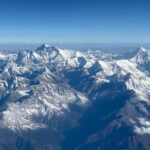
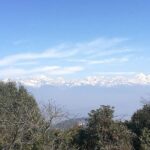
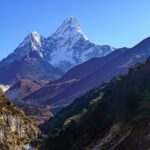
Day 5 heads toward Tengboche. The trail lifts above the Dudh Koshi along a high-level path, with mountain views including Everest, Nuptse, Lhotse, Thamserku, and Kwang (as listed in the route description).
This day is a mix of physical effort and mental payoff. You climb enough to feel the altitude, but you’re rewarded with the classic Khumbu “Himalayas in every direction” moments when visibility is good.
Then there’s Tengboche itself: the plan includes time connected to Tengboche Monastery, which creates a nice contrast. After days of steep trail focus, it’s refreshing to sit for a bit and let the place settle your mind.
Dingboche and Deboche: forests, meadows, and a slower pace
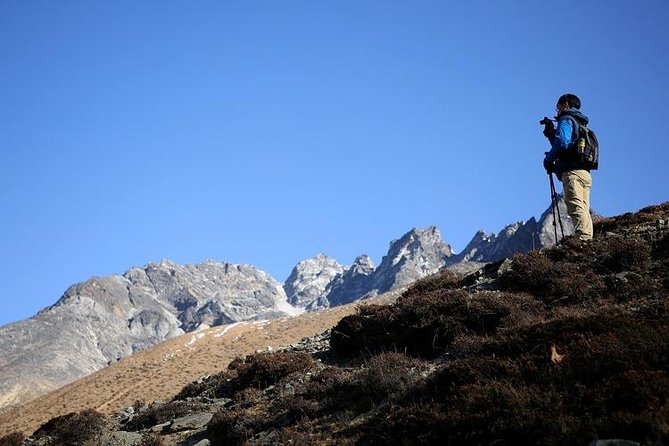
Day 6 takes you to Dingboche. The route goes through rhododendron forests and meadows and includes a stop area linked to Deboche, plus the Buddhist nunnery setting mentioned in the itinerary.
This is one of those “your body feels better because the scenery is different” days. Forest and meadows often feel less monotonous than purely rocky sections, and the variety keeps your pace steadier.
Day 7 is a shorter “extreme adventures” day off in Dingboche, essentially a relax day. You can choose a smaller walk if you want, but the purpose is recovery. This is also a good place to keep a close eye on how you’re tolerating altitude. The trek’s logic is simple: better to be cautious now than pushed later.
Lobuche: memorials, moraine terrain, and the route getting serious
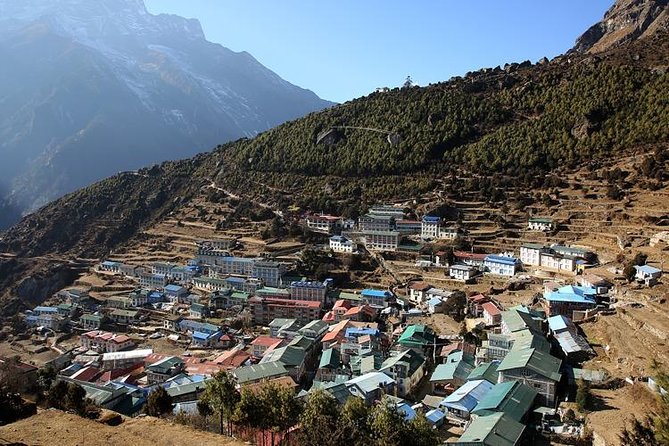
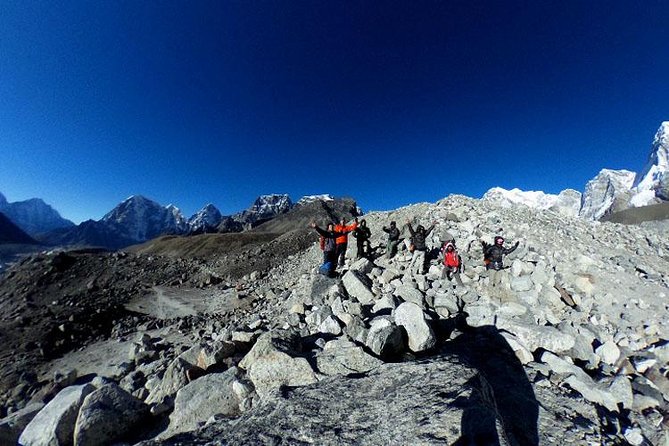
Day 8 moves you to Lobuche. The plan crosses a hill and includes Dughla village, plus memorials to Sherpas who lost their lives on Everest trips. Those stops can hit harder than you expect because they make the trek feel like more than a bucket-list hike.
You’ll also be walking along sections described as the Khumbu Glacier Moraine and you’ll get views like Kalar Pattar and Pumori. This is where the terrain starts feeling more rugged and the air usually feels thinner.
You should expect the day to feel “more demanding than it looks on paper.” If you’ve got extra time, focus on hydration and slow, even steps.
Everest Base Camp day: beyond the postcard
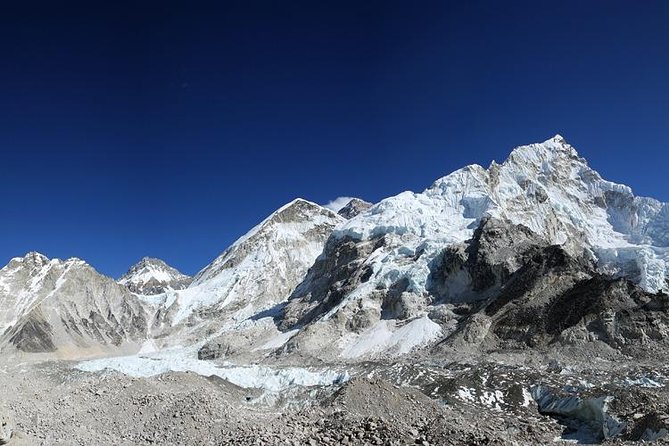
Day 9 is the big one: after lunch, you continue toward Khumbu Icefall and Everest Base Camp, with a trek through stony dunes, moraines, and streams. Then you tour the base camp area and the nearby glacier setting described in the plan.
Important reality check: base camp is not a quiet, empty place. It’s a working hub tied to the Everest season. Even when it’s calm around you, you’ll still feel the “infrastructure of mountaineering” vibe.
From a value standpoint, this day is essential because it’s the first moment you fully commit to the Everest zone. You’re not just passing through; you’re arriving.
Then Day 9 also includes Gorak Shep lodging. The short hop from base camp to Gorak Shep is steep and tiring, so it’s wise to treat it as part of the summit effort mentally.
Kala Patthar at 5,550m: your dawn-view payoff
Day 10 targets Kala Patthar at 5,550m, described as the highest elevation on the trek. Your guide schedules time for the viewpoint and the plan is clear: it’s famous for Everest dawn views.
This is the day most people remember. Even if you’ve seen Everest photos before, being up here changes the scale. It’s not just that the mountain looks bigger. Everything looks closer and sharper, and your brain has to catch up.
After the viewpoint, you descend back toward Pheriche for the overnight. The descent isn’t a freebie, but it’s a relief compared to climbing. Your body will feel the altitude less sharply once you come down.
Pangboche and the way down: returning through monastery country
Day 11 moves back toward Namche. The route includes a stop at Pangboche monastery, called the oldest monastery in the area, with visitation when you arrive. It also references a descent route via Tengboche and Tangboche, then continuing trekking back toward the Namche area.
This day is about shifting gears. You’ve already had your Everest peaks moment. Now you’re walking through the Khumbu again with a different mindset—more reflective, less “chase the next height.”
If you’re the type who likes little details, monastery stops are where you slow down. You’ll feel the culture more than on the steep trail segments.
Lukla return: the Hilary suspension bridge and the last miles
Day 12 treks down to Lukla. The plan describes passing through lush green backgrounds and local Sherpa hamlets, plus a stop at the Hilary suspension bridge area.
That bridge mention is more than trivia. It signals a classic feel-good end: you’re moving out of the high-altitude trekking pattern and back into lower, more lived-in paths. Still, “down” in the Himalayas doesn’t mean easy. Your legs will want recovery.
Day 13 then flies from Lukla by plane. Depending on conditions and the described seasonal logistics, you may fly via Ramechap (with a return transfer after).
Day 14 finishes with the trip back to Tribhuvan International Airport. You’ll have some free time on the final day, which helps if you want to do anything extra in Kathmandu before flying home.
Price and logistics: what you’re paying for and what you should plan for
At $1,300 for about 14 days, you’re paying for more than guide-led hiking. The package includes:
- airport pickup/drop on arrival and final departure
- “all fees and taxes” as listed
- flight tickets for you (KTM–Lukla–KTM or Ramechap–Lukla–Ramechap, with drive to Ramechap in peak season)
- flight tickets for the guide
- 2 nights in Kathmandu on a bed-and-breakfast plan
- meals: breakfast 13, lunch 11, dinner 11
That meal coverage can be a big value. At altitude, every meal decision costs time and energy. Having most meals arranged lets you focus on walking and staying hydrated.
What’s not included is also straightforward: personal expenses, beverages, and tips for the guide/diver, plus alcohol (only for those over 18, as stated). If you’re someone who buys drinks often or racks up lots of small extras, your true cost can climb—mostly because of what you choose to add.
One more value note: maximum group size is 8 travelers. Smaller groups can mean better support and less time waiting around. In a trek with weather delays and changing conditions, being in a small group helps you stay coordinated.
Guide support that shows up in real moments
This kind of trek is hard to predict. Weather changes. Feet hurt. Motivation dips. The difference is often how your guide responds.
Feedback tied to guide support includes names like Ram (and porter support from Amer), plus other guides such as Bishnu, Rajesh, Prakash, and Gore appearing in past experiences. The recurring theme in those names is calm problem-solving: keeping people steady on tough days, and in at least one situation, sharing gear and making the right call during a surprise snowstorm.
You don’t need a superhero. You need a guide who explains what’s happening, keeps your pace sensible, and watches altitude and energy like it’s part of the job (because it is).
Who this trek suits best (and who should think twice)
This trek fits people with moderate physical fitness who want a structured Everest Base Camp experience with acclimatization built in. If you’re comfortable hiking day after day and you follow pacing advice, you’ll likely handle the route well.
It’s also well-suited to travelers who care about more than summit icons. Monastery visits, the Sherpa Museum stop, and the memorial areas at Dughla give the journey meaning beyond distance.
Who should think twice? If you’re sensitive to altitude and have a history of altitude sickness, you should talk to a medical professional before committing. Also, if you can’t handle flight uncertainty from Lukla, build extra mental flexibility (and consider travel insurance, though that’s not listed here).
Should you book this Everest Base Camp trek?
Book it if you want a classic Everest Base Camp itinerary with altitude pauses and you like the idea of mixing major viewpoints with Sherpa culture stops. I especially like that the plan is organized for practical success: flights and most meals are included, the group is small, and you get both Namche acclimatization and a Dingboche recovery day.
I’d hesitate if Lukla-flight disruption would ruin your trip emotionally or logistically. This trek can still happen when weather cooperates, but you need to accept that some timing is weather-dependent.
If you’re ready for the mountains and you want a trip that feels organized without losing the human side of the Khumbu, this 14-day Everest Base Camp trek is a strong match.
FAQ
Where does the trek start?
It starts with a pickup in Kathmandu, with the first hotel night near Thamel.
How long is the Everest Base Camp trek?
The duration is about 14 days.
What is the total price?
The listed price is $1,300.
How does transportation work between Kathmandu and Lukla?
You fly from Kathmandu (or Ramechap) to Lukla, then fly back afterward. In peak season, the plan may include a drive to Ramechap due to Kathmandu airport traffic.
Are flights included in the package price?
Yes. Flight tickets are included for clients (KTM–Lukla–KTM or Ramechap–Lukla–Ramechap) and for the guide.
Where do you sleep during the trek?
The itinerary references lodge stays at trekking stops such as Phakding, Namche Bazaar, Gorak Shep, and others.
What meals are included?
Breakfast is included for 13 days, lunch for 11 days, and dinner for 11 days.
What is the highest elevation on this trek?
Kala Patthar at 5,550m is described as the highest elevation on the trek.
What fitness level do I need?
The trip states you should have a moderate physical fitness level.
What’s the cancellation policy if weather or plans change?
You can cancel up to 3 days in advance for a full refund. If it’s canceled due to poor weather, you’ll be offered a different date or a full refund.