REVIEW · EVEREST BASE CAMP TREKS
Everest Base Camp trek 14 days
Book on Viator →Operated by Sunrise Adventure Trek P. Ltd · Bookable on Viator
Everest feels closer with smart planning. This package handles airport transfers, Kathmandu–Lukla–Kathmandu flights, permits, trekking lodge stays, and the daily meal rhythm, so you can focus on the trail instead of spreadsheets. I especially like no-stress planning and the fact that they include a sleeping bag and down jacket.
You can count on daily meals (breakfast, lunch, dinner) while walking, which keeps the day moving. One consideration is altitude and effort: the trek goes through Namche, Dingboche, Lobuche, Everest Base Camp, and Kalapatthar, so this works best if your fitness is truly moderate and you’re ready for long uphill days.
In This Review
- Key things I’d budget time (and money) for
- A 14-day Everest Base Camp trek that aims to remove planning stress
- Kathmandu arrival: what you get before the mountains start talking
- The Lukla flight: fast, scenic, and kind of the start line
- Phakding to Namche Bazaar: the trail begins with views and routine
- Tengboche and the art of pacing: a big day without chaos
- Dingboche and Lobuche: your climb gets serious
- Everest Base Camp day: your reward comes with effort
- Kalapatthar sunrise hike at 5,550m: the headliner moment
- Coming back down toward Namche and Lukla without losing momentum
- What comes with the team: meals, permits, and the human support layer
- Meals and lodge stays that keep the day simple
- Sleeping bag and down jacket provided
- Guide and sherpa support, including real names
- Price and logistics: what you’re paying for at $1,380
- Who this Everest Base Camp trek suits best (and who should be cautious)
- My call: should you book this Everest Base Camp experience?
- FAQ
- How long is the Everest Base Camp trek on this package?
- Are Kathmandu–Lukla–Kathmandu flights included?
- Are trekking permits and TIMS card included?
- What cold-weather gear is provided?
- How many meals are included on the trek?
- What costs are not included in the $1,380 price?
Key things I’d budget time (and money) for
- Lukla flights are included: you’re not scrambling last minute for transport into the Everest region.
- Gear help is real: a sleeping bag and down jacket are provided if you need them.
- Permits and TIMS are handled: trekking permit and TIMS card are included, which removes a common headache.
- Acclimatization is built in: you get dedicated time in Namche and Dingboche to help your body adjust.
- You finish with culture: a cultural show and farewell dinner give the trip a strong closing note.
A 14-day Everest Base Camp trek that aims to remove planning stress
Everest Base Camp isn’t just a hike. It’s a logistics test: flights, permits, lodging in tiny mountain towns, and meal timing when the weather can be loud and the altitude can be louder. What I like about this tour is the plain, practical approach: most of the moving parts are lined up for you ahead of time.
You also get a group size capped at 18 travelers, which usually means the experience stays organized without turning into a moving crowd. Smaller groups tend to make guidance and meal pacing easier, especially when everyone’s altitude level is slightly different.
This is the kind of trek that becomes enjoyable when you’re not doing constant admin. The plan includes accommodations for 13 nights, transportation between trekking days, and the core framework of your daily routine. That matters because on the mountain, you want your brain on the view, not on the schedule.
You can also read our reviews of more hiking tours in Kathmandu
Kathmandu arrival: what you get before the mountains start talking
Your adventure starts in Kathmandu, with airport pick-up and departure included. You’ll also get a standard hotel in Kathmandu on a twin-sharing basis with breakfast.
Here’s the practical value: you’re not arriving to a blank page. In Kathmandu, you’ll likely spend time sorting final gear and adjusting to Nepal’s pace. The tour keeps that part simple by handling the big items like flight tickets and transport planning.
Also, the operator provides a T-shirt and a trip achievement certificate. That’s not the reason to go to Everest, but it’s a nice finishing touch that makes the trip feel like it had an end-to-end arc.
The Lukla flight: fast, scenic, and kind of the start line
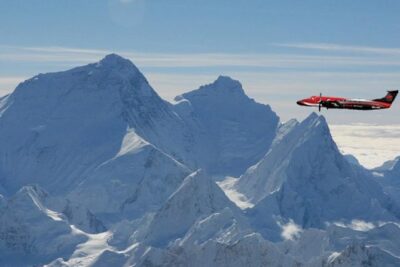
Day 2 is your jump from Kathmandu to Lukla by short flight, then a trek down to Phakding. The flight time is listed as 40–45 minutes, followed by a trek of about 3–4 hours (around 2,640m). This is a classic rhythm for Everest Base Camp trips: get high quickly, then move gradually.
What you should know for planning your own energy: after any flight, you want an easy first day. Dropping into Phakding lets your body settle while you start building trekking legs.
Because the tour includes the Kathmandu–Lukla flight tickets, you’re not left negotiating flight timing on your own. That tends to reduce stress, which is a real form of altitude-prep.
Phakding to Namche Bazaar: the trail begins with views and routine
On Day 3 you trek from Phakding to Namche Bazaar. The listed time is 5–6 hours, and the elevation jumps to about 3,440m (3,440m / 11,319ft). This is where the Everest region shifts from “a hike” into “a trek.”
Then comes Day 4: acclimatization in Namche Bazaar. You’re not being punished with more vertical work right away. Instead, you get the buffer your body needs as you climb toward the higher altitudes where oxygen gets thinner.
In Namche, I’d treat this time like a prep day, not a sightseeing checklist. Your goal is to sleep, hydrate, and keep moving at a gentle pace. The more you can make acclimatization feel normal, the more comfortable your next days tend to be.
Tengboche and the art of pacing: a big day without chaos
Day 5 takes you to Tengboche (listed around 3,860m / 12,694ft) for about 6–7 hours. Tengboche is known for big mountain views and the feeling that you’ve stepped into a sacred corner of the world.
Day 6 is Dingboche acclimatization, where you’re listed at about 4,410m. Then Day 7 includes another trek segment to Dingboche again in the schedule, with a 5–6 hour walk. Even if the timetable wording is a bit repetitive on paper, the intention is clear: you’re being given time to adjust before pushing toward higher terrain.
The pattern matters because Everest Base Camp trips can feel brutal when you rush. Here, the plan tries to keep you moving upward in steps, not in one giant leap.
Dingboche and Lobuche: your climb gets serious
After acclimatization, Day 8 goes from Dingboche toward Lobuche (about 4,910m / 16,207ft) in roughly 5 hours. This segment tends to feel like the start of the home stretch. You’re higher now, and you feel every climb more quickly.
At this stage, your pace and hydration matter. Lodges are simpler at elevation, so your comfort is tied closely to how well you manage the cold and how consistently you eat and drink.
Then comes Day 9, the key pivot day. You trek to Everest Base Camp, then return toward Gorakshep (listed 5,200m). The day is logged as B.L.D, so meals are part of the plan rather than something you hunt for after exhaustion.
Everest Base Camp day: your reward comes with effort
Day 9 is the day you’ve been working for: reaching Everest Base Camp. The trek-to-base-camp portion in a trip like this isn’t only about distance. It’s about holding steady in the thin-air routine long enough to get there.
Once you’re at base camp, you’ll understand why people call it life-changing. Not because it’s fancy, but because it’s raw: a staging area for humans on a massive scale, surrounded by giants that don’t care about your itinerary.
The practical win is that the day is organized so you still have support after you reach your goal. You return toward Gorakshep rather than ending the trip in one exhausted, uncertain mess.
Kalapatthar sunrise hike at 5,550m: the headliner moment
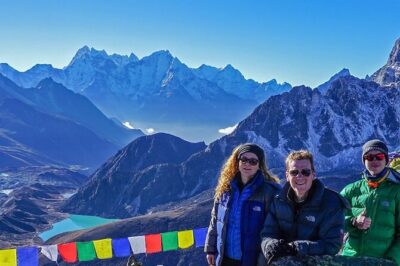
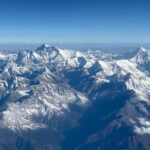
Day 10 is one of the most intense days: a hike to Kalapatthar (listed 5,550m / 16,962ft) for about 2 hours 30 minutes, then a long descent trek to Periche at around 4,200m over about 7 hours.
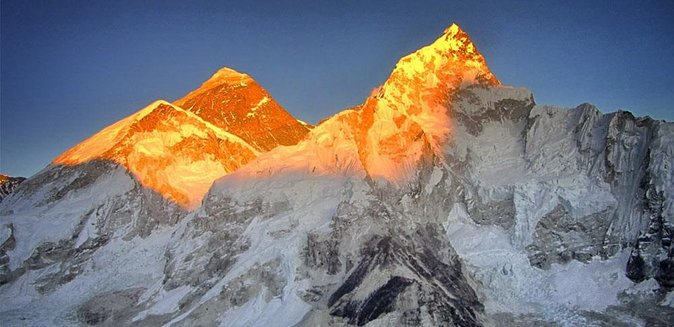
Why Kalapatthar is such a big deal: it’s typically the best angle for getting the mountain drama in one frame. Even if the view is not perfect every second, the effort to reach that altitude is a huge part of the satisfaction.
The descent afterward is important. It turns “high altitude adrenaline” into “movement with purpose.” By taking you down to Periche, the plan gives you a chance to physically recover rather than simply piling one hard day onto the next.
Coming back down toward Namche and Lukla without losing momentum
Day 11 is a trek back to Namche Bazaar (about 6 hours). Day 12 goes from Namche to Lukla (about 7 hours). This phase can be deceptively hard. You’re lower, yes, but legs are tired and the schedule still asks for consistent walking.
The advantage here is that the route is already mapped in a logical arc: return along the earlier stages so you’re not improvising. You’re also in the care of a team that knows where to expect lodges and how to plan meal timing around trekking.
Day 13 is your flight back to Kathmandu, listed as a B.D day. That’s a nice shift from “carry everything, stay warm” into “get cleaned up, eat normally, and process what you just did.”
What comes with the team: meals, permits, and the human support layer
The included package is built around the things that keep an EBC trek from becoming a stressful puzzle.
Meals and lodge stays that keep the day simple
The tour includes daily 3-time meals during trekking: breakfast, lunch, and dinner. That matters because at elevation, food choices can be limited and timing can shift based on weather and how fast your group moves.
Lodging during the trek is also included, with accommodations planned across the trekking days. You’re not hunting for rooms each night while tired and cold.
Sleeping bag and down jacket provided
This is one of the practical wins. Cold on the Everest trail isn’t just a discomfort; it changes your sleep, which changes how you handle altitude. Having a sleeping bag and down jacket in the plan helps you travel lighter and arrive better prepared.
If you already own your gear, you can still choose to use it. But if you’re coming from abroad and don’t want to buy cold-weather gear that you’ll never use again, this is a real value add.
Guide and sherpa support, including real names
The trek includes a guide, with the guide’s salary, accommodation, meals, and insurance covered. That support is essential on days where you need calm pacing and good judgment.
In feedback from people who’ve trekked with Sunrise Adventure Trek P. Ltd, guides like Suresh and Sobit come up for knowledge, friendliness, and ongoing check-ins about safety and coordination. Sherpa support is also part of the story, including mention of Pasang Sherpa, highlighted for summit experience.
Even without making it dramatic: on a trek like this, the value is less about big speeches and more about the steady, practical rhythm of a team that’s used to the mountains.
Price and logistics: what you’re paying for at $1,380
At $1,380.00 per person, this isn’t a budget shopping trip. You’re paying for flights, permits, lodging, meals, and the human support layer that makes a 14-day Everest Base Camp trek work smoothly.
Here’s what’s included in the cost, in plain terms:
- Airport pick up and departures in Kathmandu
- Kathmandu–Lukla–Kathmandu flight tickets
- Transport during trek segments (including A/C car and tourist deluxe bus where relevant)
- Standard hotel in Kathmandu (twin sharing, breakfast)
- Trekking lodge accommodations
- Sleeping bag and down jacket (if you need them)
- Daily trekking meals (breakfast, lunch, dinner)
- Trekking permit and TIMS card
- First aid medicine item, T-shirt, and achievement certificate
- Guide salary plus guide accommodation, meals, and insurance
- Cultural show and farewell dinner program
- Government tax official expenses
- Mobile ticket
What’s not included matters for your own budgeting:
- Extra meals in Kathmandu and personal expenses (including bar bills)
- Tour entrance fees
- Your international flights
- Travel insurance
- Tips for the trekking crew
So the real value question is this: do you want to plan, track, and source permits and logistics yourself? If not, this package reduces the friction. You pay money to buy time, certainty, and less problem-solving at altitude.
Who this Everest Base Camp trek suits best (and who should be cautious)
This tour is described as best for people with moderate physical fitness. You should take that seriously. The days include multiple 5–7 hour walks, plus the high-altitude push to Kalapatthar and the long descent afterward.
This trek is a strong fit if you:
- Want an organized plan with meals, lodging, and permits handled
- Prefer a guided team approach with small-group pacing (max 18)
- Don’t want to buy or manage cold-weather gear thanks to the sleeping bag and down jacket
You might want to rethink if you:
- Know you struggle with altitude or long walking days
- Want a fully DIY approach to hiking and logistics (because this package does the planning for you)
My call: should you book this Everest Base Camp experience?
If your goal is to reach Everest Base Camp with a clear plan, reliable support, and fewer logistical headaches, I think this is a solid choice. The standout practical pieces for me are the included flights, the permit/TIMS coverage, and the fact that cold-weather gear support is built in.
Where you should be honest is with your body and your budget. Altitude and effort are unavoidable, and the trip does not cover everything like international flights, travel insurance, tips, and Kathmandu extras.
If you want the mountain experience with the admin mostly handled, book with confidence and plan your own fitness accordingly.
FAQ
How long is the Everest Base Camp trek on this package?
The itinerary shown is a 14-day experience in total, starting with arrival in Kathmandu and ending with farewell and departure after your return flight.
Are Kathmandu–Lukla–Kathmandu flights included?
Yes. The package includes the flight tickets for Kathmandu to Lukla and back to Kathmandu, plus airport pick up and departures in Kathmandu.
Are trekking permits and TIMS card included?
Yes. A trekking permit and a TIMS card are included.
What cold-weather gear is provided?
If you need them, the tour provides a sleeping bag and a down jacket during the trek.
How many meals are included on the trek?
The trek includes three meals per day as listed in the itinerary: breakfast, lunch, and dinner.
What costs are not included in the $1,380 price?
Not included are international airfare, travel insurance, tips for the trekking crew, tour entrance fees, plus extra meals in Kathmandu and personal expenses such as bar bills.