REVIEW · EVEREST BASE CAMP TREKS
Everest Base Camp Trek with Helicopter Return to Lukla – 10 Days
Book on Viator →Operated by Luxury Holidays Nepal Pvt. Ltd. · Bookable on Viator
Few trips switch gears like this. You’ll tackle the classic Everest Base Camp hike up to Kala Patthar, then trade the long grind back down for a helicopter return that gives you an aerial sweep of the route you just earned.
I really like how the trek side is handled with guesthouse lodging and a licensed English-speaking guide who keeps logistics calm while also covering Sherpa culture and the big altitude picture. And I like that the package folds in the stuff that usually burns time and energy—permits, domestic flights to Lukla, a medical kit, and even basic trekking gear like a sleeping bag and duffel.
One consideration: everything depends on weather. Flights and the helicopter need it, and the trip can be adjusted or refunded if conditions don’t cooperate.
In This Review
- Key highlights you’ll feel on the trail
- Helicopter return changes the whole Everest rhythm
- Kathmandu to Lukla: flights, transfers, and start-day reality
- Trek pacing through Sherpa villages, forests, and the Dudh Koshi
- Namche Bazaar, Tengboche monasteries, and Dingboche acclimatization
- Everest Base Camp and Kala Patthar: the reason for the hard parts
- Helicopter back to Lukla: comfort with big-picture views
- Your guides: Ram, Rupak, and the power of calm support
- What’s included (and why that changes your real cost)
- Packing and gear: you’ll be ready earlier than you think
- Kathmandu farewell dinner: the culture finish you’ll remember
- Who should book this Everest Base Camp trek with helicopter return
- Should you book it
- FAQ
- Where does the trip start and what time?
- Are the flights to Lukla included?
- What permits does the trek include?
- Is the helicopter ride included?
- What meals are included during the trip?
- What if weather causes cancellations or delays?
Key highlights you’ll feel on the trail
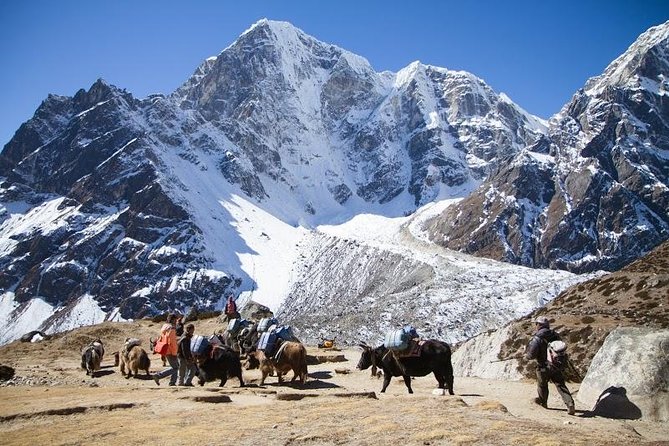
- Helicopter return from Gorakshep to Lukla saves your legs and rewards you with overhead views of the trek route
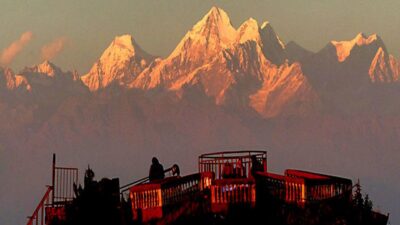
- Kala Patthar sunrise hike gives you the iconic Everest light show, when conditions are clear
- Guesthouse trekking with a licensed English-speaking guide keeps the high-altitude pace sensible
- Permits handled in advance so you spend less time on paperwork and more time on the mountains
- Kathmandu hotel stay plus a farewell dinner with Nepali dance makes the finish feel like a real celebration
- Small group size (max 15) means you’re not just a number in a busy queue
Helicopter return changes the whole Everest rhythm
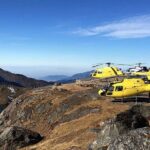
The classic Everest Base Camp journey is famous for two things: big days on foot and a long return that can feel like punishment after you finally reach your goal. This version flips that. You still hike to Everest Base Camp and you still earn Kala Patthar, but when it’s time to get back, you fly from Gorakshep to Lukla by helicopter.
For your body, that matters. After several days at high altitude, muscles tighten up and joints get cranky. A helicopter doesn’t remove the altitude cost you already paid, but it can spare you from the extra hours of descent and regrouping that would otherwise take over your last trekking day.
For your mind, it also matters. When you ride out from Gorakshep, you get a different kind of closure: the trek route becomes a visible line on the terrain. It’s a very practical way to turn all those bends and climbs into one final “oh wow” moment—without having to spend extra days walking it.
Still, keep expectations grounded: the helicopter is weather-dependent. If clouds swallow the route, you need to be flexible.
You can also read our reviews of more hiking tours in Kathmandu
Kathmandu to Lukla: flights, transfers, and start-day reality
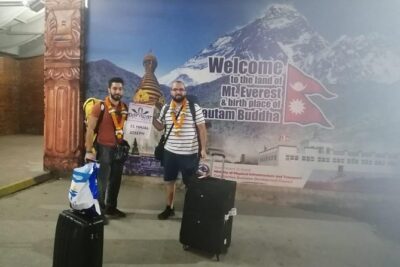
Your trip begins in Kathmandu with a planned start at Tribhuvan Airport (9:00 am). You’re picked up via private vehicle, which is one of those small details that saves you stress right out of the gate. You’ll also have a 3-star hotel in Kathmandu with breakfast included, so you’re not guessing where to eat or where to charge your devices after travel.
Then comes the part that shapes many Everest trips: the domestic flights. You’ll fly Kathmandu/Manthali to Lukla round-trip as part of the package. Lukla flights are famously weather-touchy, so I recommend treating them as a schedule you respect, not a schedule you fight.
A practical note for you: with helicopter return later, you might feel like you’re “done” with time pressure after your Lukla arrival. Don’t. This trek still involves high-altitude hiking, and you’ll want to keep your pace steady from day one. The smoother your mindset, the easier the acclimatization days feel.
Trek pacing through Sherpa villages, forests, and the Dudh Koshi
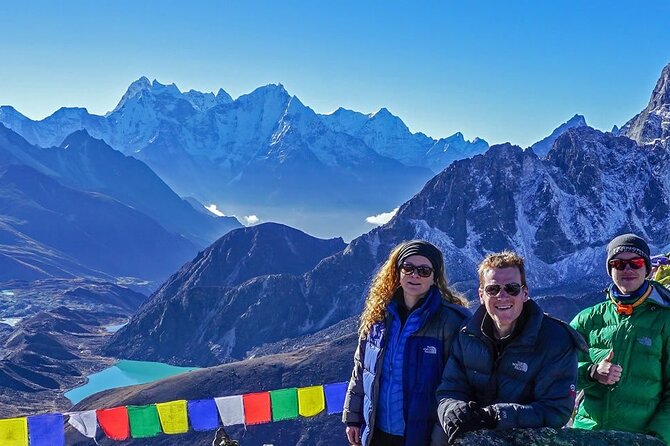
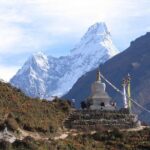
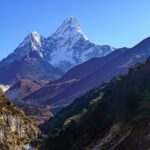
Once you’re trekking, the rhythm stays fairly consistent: gradual ascent, rest breaks, and guesthouse stays. The route description for this package includes Sherpa villages, lush forests, and time along the Dudh Koshi River. That’s a good mix because it gives you variation: you’re not just staring at rock and glacier edges every day.
Guesthouses also matter more than people think. They’re not luxury lodges, but they’re comfortable enough to help you recover: warm rooms when you can, familiar routines for meals, and a place to dry out layers. For this itinerary, lodging is set as standard guesthouses, which is exactly what you want when the goal is to keep your trek smooth rather than complicated.
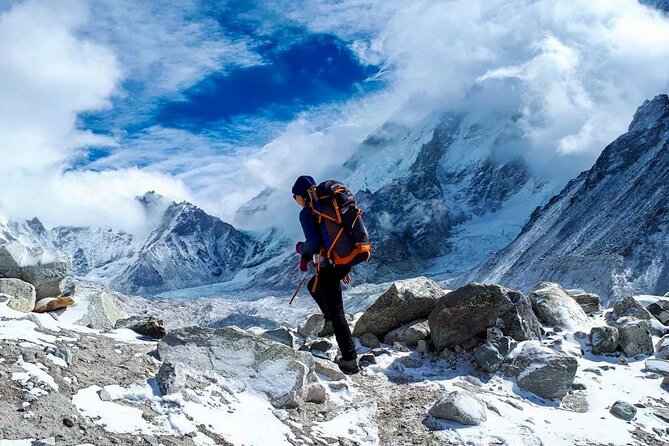
Now, the altitude truth you should plan for: even with a helicopter return later, you’ll still be hiking at elevation. The package is built for moderate physical fitness, but you should expect slow days when your breathing asks for it. If you can keep a steady, not-too-heroic pace, your whole trek gets more enjoyable.
Also, not all meals are treated the same. During the trek, all meals are included, but in Kathmandu, lunch and dinner are not. So pack your money habits accordingly: on trek days, you don’t need to think; in Kathmandu, you’ll.
Namche Bazaar, Tengboche monasteries, and Dingboche acclimatization
This is where the trip becomes more than just a workout with views. The itinerary includes three cultural/altitude anchors that help you understand the Everest region—and help your body adjust.
First up: Namche Bazaar. It’s a natural place to stop and reset. Even if you don’t shop, it helps you process what’s happening: you’re above the tree line soon, but you’re not at the “panic” stage of altitude yet. This is the kind of stop that makes the trek feel lived-in, not just vertical.
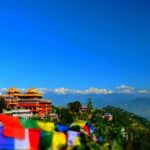
Then: Tengboche, where you’ll encounter monasteries. This is the spiritual side of the Himalaya that shows up in daily life—prayer flags, quiet spaces, and the sense that this landscape isn’t only about climbing. If you like cultural detail, these monastery stops are often where the trek feels most grounded.
Finally: Dingboche, which is specifically part of the acclimatization plan. The itinerary calls out acclimatizing there. Translation: don’t treat it like a speed bump. Acclimatization days are where you set yourself up for reaching higher points with fewer problems. If you’re tempted to “push through,” you’ll usually regret it later. A calm rhythm works best.
I’ll also say this about the guide factor: on a trek with acclimatization, having a licensed English-speaking guide can prevent common mistakes—like going too fast because the views feel urgent.
Everest Base Camp and Kala Patthar: the reason for the hard parts
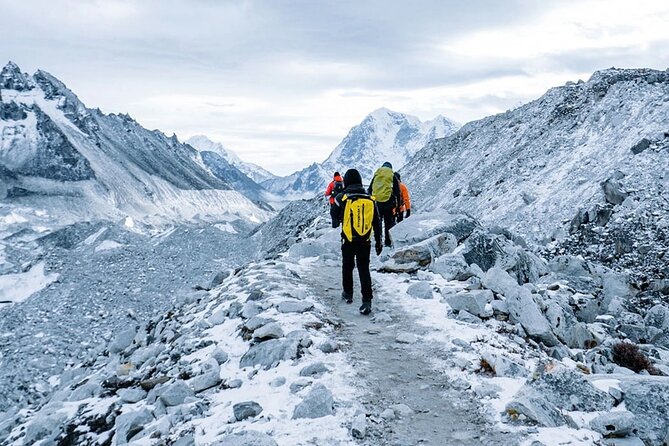
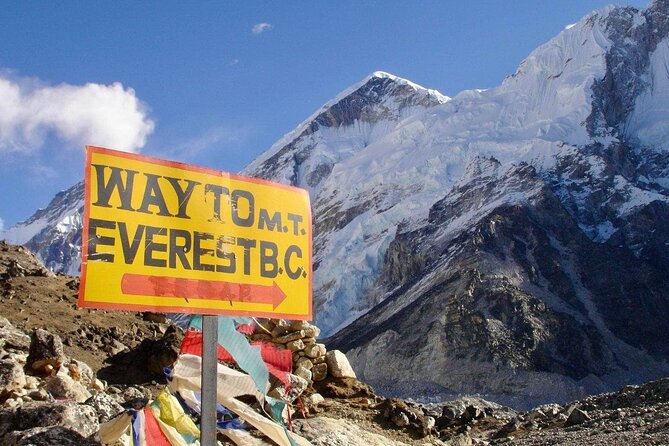
You reach Everest Base Camp and then hike up to Kala Patthar. That’s the core emotional arc of the trek.
At Base Camp, you’re not just standing near a landmark. You’re at the point people talk about for years, and the itinerary promises views of Everest’s majestic face. Even on days when the weather isn’t perfect, being there changes how the mountain feels. It stops being an image and becomes scale you can measure with your eyes.
Then you add Kala Patthar and the payoff shifts to light and timing. This package includes hiking to Kala Patthar for a sunrise over the Himalayas. Sunrise treks are a double challenge: it’s early, and cold adds effort. Still, that early start is often what makes the moment feel worth the discomfort.
If you want to get the most out of Kala Patthar, treat it like a weather-dependent window. Have layers ready. Keep your breathing steady on the climb. Bring your patience and you’ll be rewarded.
You can also read our reviews of more tours and experiences in Kathmandu
Helicopter back to Lukla: comfort with big-picture views
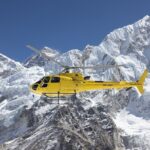
After the highest trekking highlights, you ride the helicopter from Gorakshep to Lukla. This is one of the more “value-dense” parts of the whole package because it’s not just convenience. It’s a visual recap.
From the air, you see the terrain in a way you can’t on foot. You can also understand how the trek route connects across ridgelines and valleys. That kind of perspective helps your brain store the trip as a map, not only as a series of memory photos.
Also, the helicopter is part of the included package, so you’re not budgeting separately for a last-day rescue plan. The logistics are handled inside the tour framework, which is great if you’d rather focus on trekking and not contingency planning.
Still, keep the realistic thought: helicopter flights require good weather. When conditions are bad, the tour states you’ll be offered a different date or a full refund. That’s the trade-off for building a high-touch experience around flying.
Your guides: Ram, Rupak, and the power of calm support
A lot of Everest success comes down to one thing: how well your team handles the human side of altitude. This operator’s guides show up repeatedly in feedback for being patient, helpful, and flexible. Names that come up include Ram and Rupak, plus additional team members like Dambar and Naren on other Himalayan treks.
Here’s what that means for you in real life:
- You’ll benefit from a licensed English-speaking guide who’s there to manage pacing and decisions, not just point directions.
- You’re more likely to get help that feels personalized. People get different needs at altitude: some need more breaks, some need moral support, some need better clarity on what comes next.
- You’re likely to be watched with genuine care. Feedback tied to the team emphasizes looking out for people’s condition, not just reaching checkpoints.
If you’re traveling with mixed ages or different fitness levels, that care matters even more. This trek has a maximum of 15 travelers, so you shouldn’t feel lost in a huge group.
What’s included (and why that changes your real cost)
The advertised price is $799 per person for about 10 days, and the included list is where the value gets serious. You’re not only paying for guiding and trekking. You’re also paying for the overhead that often adds up fast.
Here’s what’s included that matters on Everest:
- Permits for Sagarmatha National Park, TIMS, and Pasang Lhamu Entry
- Domestic flights (Kathmandu/Manthali to Lukla round-trip)
- Helicopter ride (Gorakshep to Lukla)
- Kathmandu lodging: 3-star hotel with breakfast
- Trekking lodging: standard guesthouses
- A medical kit as part of the package
- Basic trekking gear: a duffel bag, sleeping bag, T-shirt, and a map
- Farewell dinner in Kathmandu with Nepali cuisine and a cultural show
Also included are arrival and departure transfers by private vehicle, and taxes/official expenses.
What’s not included is also useful to know so you can budget like an adult (my favorite travel skill). You’ll need to arrange your international flights, get your Nepal visa on arrival, and buy insurance that covers medical and high-altitude evacuation. Meals in Kathmandu are only partly covered: lunch and dinner in Kathmandu are not included, while meals during the trek are included.
You’ll also likely want to budget for personal snacks and drinks on the trail, since those aren’t listed as included.
Packing and gear: you’ll be ready earlier than you think
One reason packaged treks can feel easier is the gear bundle. You’ll receive trekking gear including a duffel bag and sleeping bag, plus a T-shirt and map. That’s helpful if you don’t already own proper cold-weather sleeping gear.
Still, you should plan to bring your own essentials: warm layers, gloves, and a system for keeping water safe at altitude. The trek is short enough to stay focused, but cold can bite in the sunrise zone around Kala Patthar.
If you’re the type who hates carrying too much, focus on layering. Keep weight down, but don’t starve yourself of warmth. Cold makes you slow. Slow makes you tired. Tired makes you grumpy. Everest is already grumpy enough.
Kathmandu farewell dinner: the culture finish you’ll remember
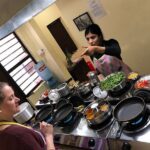
After the high points, you’ll return to Kathmandu and close with a farewell dinner featuring Nepali cuisine and a traditional cultural show, including Nepali dance.
This is more than a nice touch. A good trek ends with a moment that tells your brain you’re safe again. Dinner with dance gives you that reset: you swap “survive and summit” energy for “celebrate and breathe.”
If you want to make the most of the time in Kathmandu, keep some bandwidth. Your trek day doesn’t end the same way a city vacation ends. You’ll want a little room to recover, shop for small gifts, and plan your last meals.
Who should book this Everest Base Camp trek with helicopter return
This plan makes the most sense if you want the classic Everest highlights—Base Camp and Kala Patthar—but you don’t want the return to eat up your whole last day.
You’ll likely be a great match if:
- You’re in good enough shape for a high-altitude trek with some slow days.
- You want comfort in logistics, not a do-it-yourself adventure.
- You prefer a guided experience with a licensed English-speaking guide.
- You value the photo and perspective of a helicopter ride at the end.
You might rethink it if:
- You’re very uncomfortable with altitude. The hike is still the hike.
- You dislike schedule risk. Flights and helicopters depend on weather.
- You haven’t lined up evacuation insurance. The tour data is clear: insurance must cover medical and high-altitude evacuation.
Should you book it
I’d book this if your top priorities are Everest’s big moments, smoother logistics, and a helicopter return that saves your legs and gives you an aerial view of what you accomplished. The value is strong because the price covers permits, flights to Lukla, the helicopter, guesthouse lodging, a guide, and even basic gear.
Just go in with one mindset: altitude and weather don’t care about your itinerary. If you can stay flexible and you take acclimatization seriously, this trek feels like a smart blend of adventure and real relief at the end.
FAQ
Where does the trip start and what time?
The meeting point is Tribhuvan Airport in Kathmandu, with a start time of 9:00 am.
Are the flights to Lukla included?
Yes. The package includes domestic flights for the round-trip route Kathmandu/Manthali to Lukla.
What permits does the trek include?
Permits included are for Sagarmatha National Park, TIMS, and Pasang Lhamu Entry.
Is the helicopter ride included?
Yes. The helicopter ride is included for the route Gorakshep to Lukla.
What meals are included during the trip?
During the trek, all meals are included. In Kathmandu, lunch and dinner are not included, though breakfast is included with your hotel.
What if weather causes cancellations or delays?
This experience requires good weather. If it’s canceled due to poor weather, you’ll be offered a different date or a full refund. You can also cancel for a full refund up to 24 hours before the experience’s start time.