REVIEW · EVEREST BASE CAMP TREKS
Kathmandu: 14-Day Everest Base Camp with Kala Patthar Trek
Book on GetYourGuide →Operated by Welcome Nepal Treks P.Ltd · Bookable on GetYourGuide
That first walk at 5,000-plus meters changes everything. This 14-day Everest Base Camp trek combines Sherpa culture with big-mountain goals like Kala Patthar for dramatic Everest-range views. It’s the kind of trip where the journey feels as important as the summit-like moments.
Two things I like a lot: the pacing with real acclimatization stops (so you’re not just rushing uphill), and the hands-on guidance from an English-speaking team that keeps day-to-day logistics under control. One thing to think about: the Lukla flight can be weather-sensitive, so you’ll want patience if plans shift.
You’ll start with Kathmandu comfort, then move into the Khumbu where mornings are brisk, prayer flags appear more often, and your body slowly learns the altitude. It’s a serious trek, but it’s also very doable if you hike steady and follow your guide’s rhythm.
In This Review
- Key things to know before you go
- From Tribhuvan to Lukla: why this trek starts with an edge
- Phakding to Namche Bazaar: Sherpa villages, bigger skies, and a smart altitude pause
- Tengboche and Dingboche: prayer flags, monastery vibes, and controlled effort
- Lobuche and Gorak Shep: nearing Everest Base Camp without pretending it’s easy
- Kalapathar: the viewpoint hike you remember after the boots come off
- Lodges, meals, and the gear that makes cold feel manageable
- The guide and porter team: the difference between a trek and a mission
- Price and value: what $1,296 actually covers (and what you’ll pay for yourself)
- How tough is it, really: acclimatization days are not a luxury
- Weather and Lukla delays: what flexibility looks like in the real world
- Should you book this Everest Base Camp and Kala Patthar trek?
- FAQ
- What happens when I arrive in Kathmandu?
- Are flights included in the price?
- Is the national park permit included?
- Are meals included during the trek?
- Do I need travel insurance for this trip?
- What trekking gear does the tour provide?
- Who should not join this trek?
Key things to know before you go
- Lukla flight reality check: you’ll be flying to Lukla at 2,850 m, and weather can affect departures
- Namche Bazaar acclimatization: a rest day there plus a short excursion helps you adjust before the higher villages
- Day-by-day altitude climb: checkpoints like Tengboche (3,870 m) and Dingboche (4,410 m) keep you moving with purpose
- Everest Base Camp plus the viewpoint game: you’ll reach Base Camp (5,364 m) and later hike Kala Patthar (5,545 m)
- Tea houses are the base layer of the trip: lodge stays are included, but most trekking meals aren’t
- Guides and porters do the heavy lifting: you’ll have an experienced guide plus a porter setup of 1 porter for 2 people
From Tribhuvan to Lukla: why this trek starts with an edge
Your trip begins the easy way: when you arrive at Tribhuvan International Airport, you’re met and transferred to your Kathmandu hotel. This matters more than people think. It lets you sleep, organize your gear, and get ready for a flight the next day.
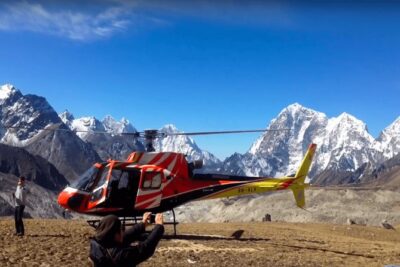
Next comes the heart of the Everest route: the domestic flight from Kathmandu to Lukla (2,850 m) and then the trek downhill-in-mindset logic that takes you toward higher altitudes. Lukla is famous for being challenging. You feel it immediately because the flight is short but intense, and the air already has that thin, clean chill when you land.
Practical tip: treat the Lukla day like a warm-up, not a normal travel day. Even if you feel fine, your body is adapting. Hydrate early and keep your first trekking day comfortably slow.
You can also read our reviews of more hiking tours in Kathmandu
Phakding to Namche Bazaar: Sherpa villages, bigger skies, and a smart altitude pause
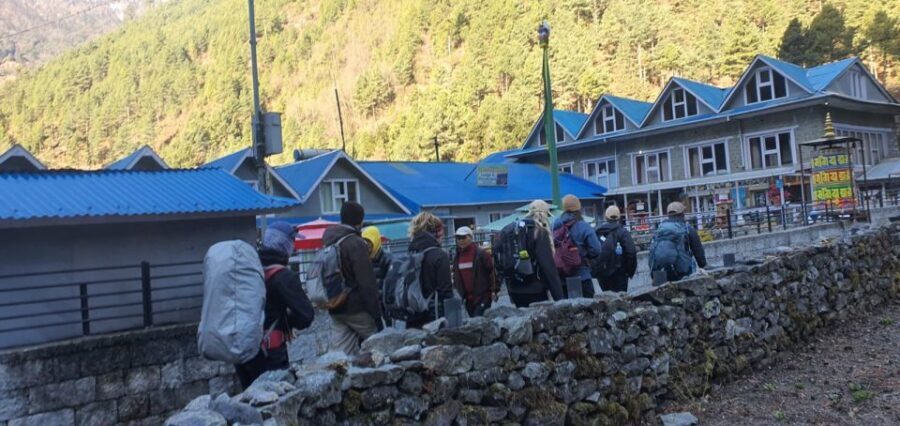
After Lukla, you trek to Phakding (2,640 m) in about 4–5 hours. This day typically feels like you’re building rhythm: you’re moving, but not sprinting, and you’re getting used to the rhythm of boots on trail plus the change in breathing.
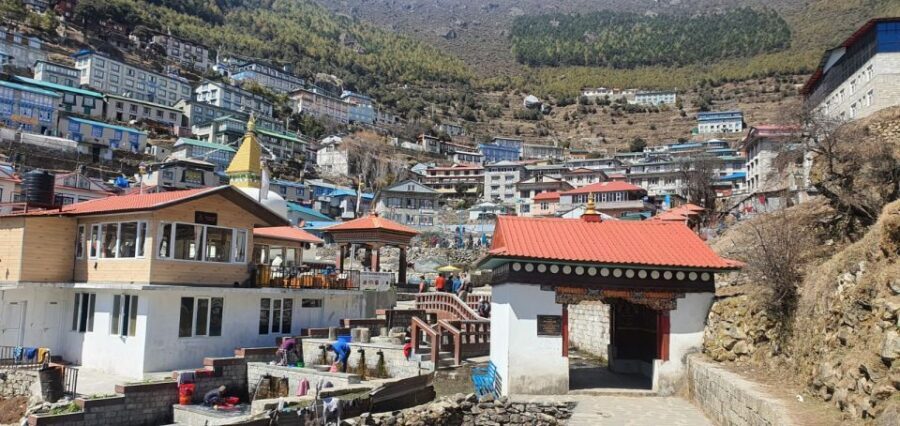
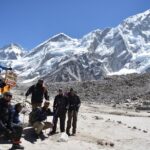
Then you go Phakding to Namche Bazaar (3,440 m), which usually takes 6–7 hours. This is where the trip starts to feel like the Khumbu you see in photos. Namche sits like a hub for the high routes, and you’ll notice Sherpa culture everywhere: busy paths, shopfronts, and the sense that the mountains are part of daily life, not just a destination.
The best part is your Namche day: you get a rest and acclimatization day there. Instead of just sitting, you’ll enjoy a 2–3 hour excursion. That’s a good plan because it helps your body adjust while you stay in the same altitude zone. Mentally, it also breaks the monotony and gives you time to slow down.
What to watch for: Namche is lively, but it’s not a theme park. It’s a working village. If you’re the type who likes real culture, this is one of the most rewarding stops on the whole trek.
Tengboche and Dingboche: prayer flags, monastery vibes, and controlled effort
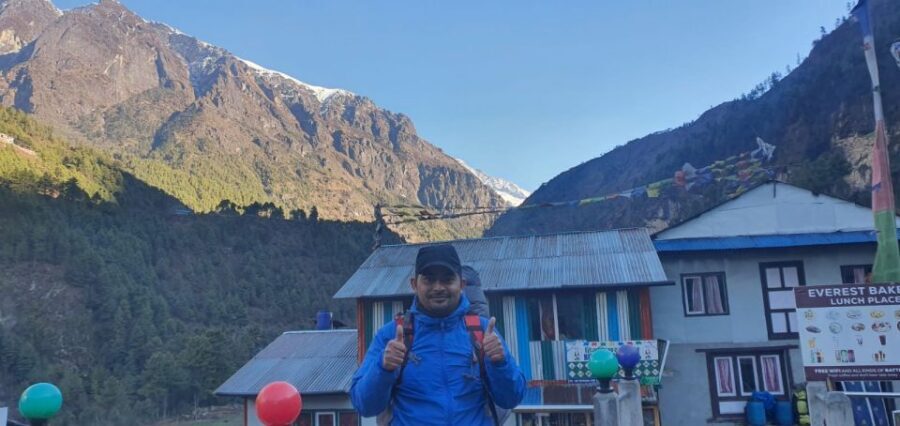
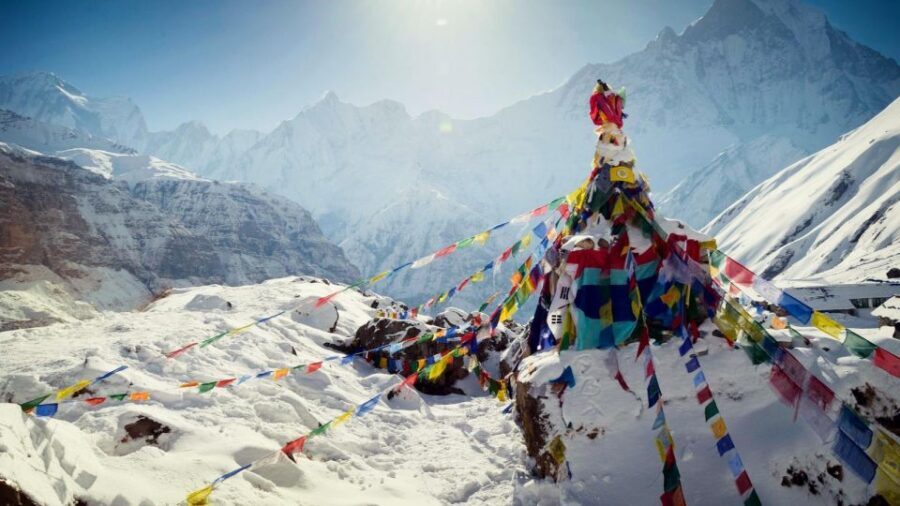
Day 5 takes you from Namche to Tengboche (3,870 m) over 5–6 hours. Tengboche is one of those places where the trail opens up and you feel the mountain scale. You’re not just hiking now—you’re staging for higher ground.
Day 6 climbs again to Dingboche (4,410 m) in 5–6 hours. Dingboche sits at a higher altitude plateau, where the air feels noticeably different. You’ll do another acclimatization stop on day 7, which is exactly how this kind of trek should be run. The goal is slow progress that gives your body time to catch up.
A drawback worth mentioning here: even with good pacing, days like this can test your stamina. If you try to keep a fast tourist pace, you’ll pay for it later. The right strategy is steady and quiet—small steps, consistent breathing, and no drama.
Lobuche and Gorak Shep: nearing Everest Base Camp without pretending it’s easy
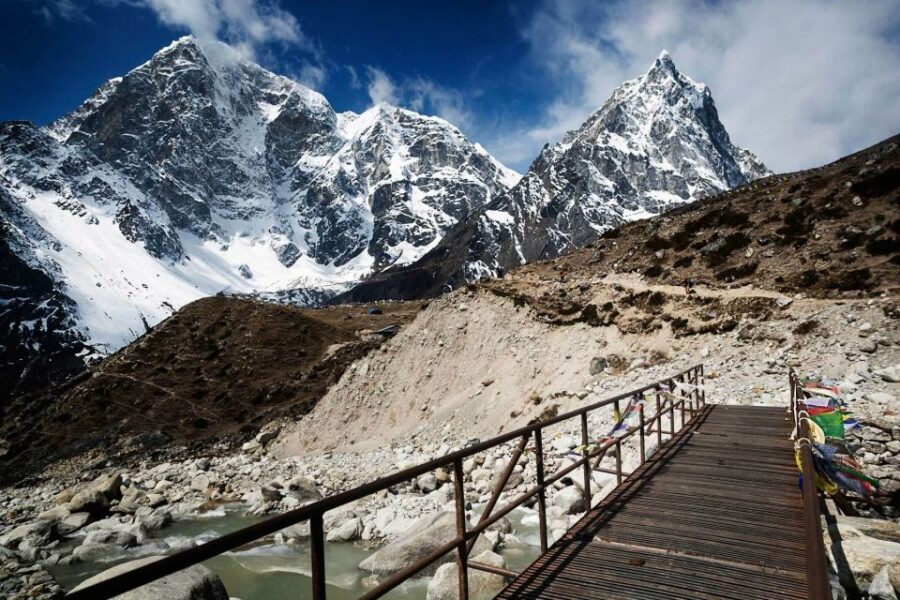
On day 8 you trek from Dingboche to Lobuche (4,940 m) for about 5–6 hours. This is higher and colder, and you’ll likely feel the altitude as more than a number. The higher you go, the more your body expects rest.
Day 9 is the big push day: Lobuche to Gorak Shep (5,170 m), then a hike up to Everest Base Camp (5,364 m) before returning to Gorak Shep. This is where the trek earns its reputation. You’ll see Everest’s scale up close, and you’ll also realize Base Camp isn’t about luxury or comfort—it’s about purpose. Your reward is that feeling of being right in the orbit of the world’s highest mountain.
What helps: accept that you’ll move slower than you want. Your strength matters, but altitude matters more. If you listen to your guide and keep your effort even, you’ll get there without turning it into a suffering contest.
Kalapathar: the viewpoint hike you remember after the boots come off
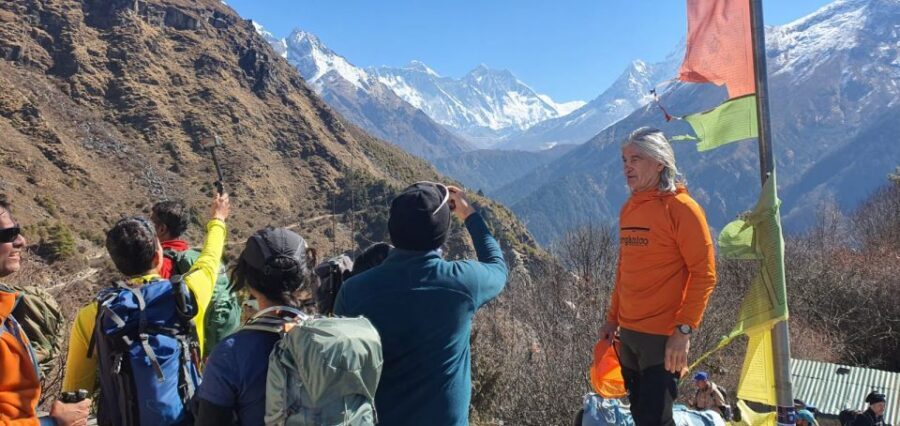
Day 10 brings the climb to Kala Patthar (5,545 m). This is the highest-feels moment for many hikers, mainly because it’s a long, cold grind where the air can tighten your lungs. But then the view usually does what it’s supposed to do: it reframes everything you thought you knew about distance.
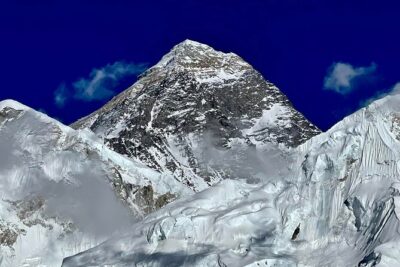
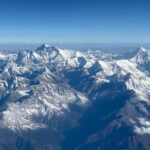
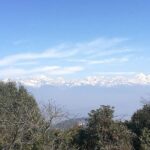
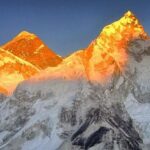
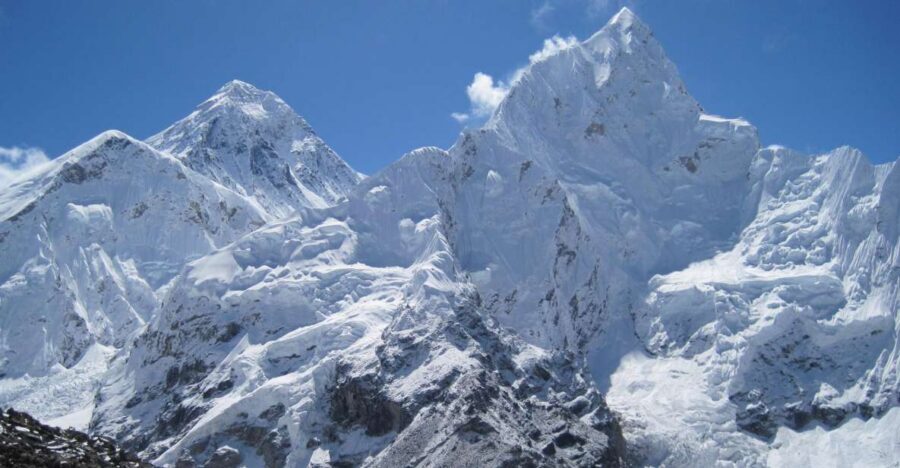
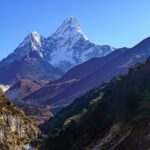
Kala Patthar is highlighted for a reason. You get sweeping views of Everest, Lhotse, Nuptse, and Ama Dablam. Even if you’ve studied photos, being on that ridge makes the mountains feel close enough to touch.
Then you start descending. Day 10 ends with trekking to Pheriche (4,371 m), and the next three days are a steady downhill return. Descents can feel easier, but they’re still active trekking days. Take care of your knees, drink consistently, and don’t rush just because you’re going down.
Lodges, meals, and the gear that makes cold feel manageable
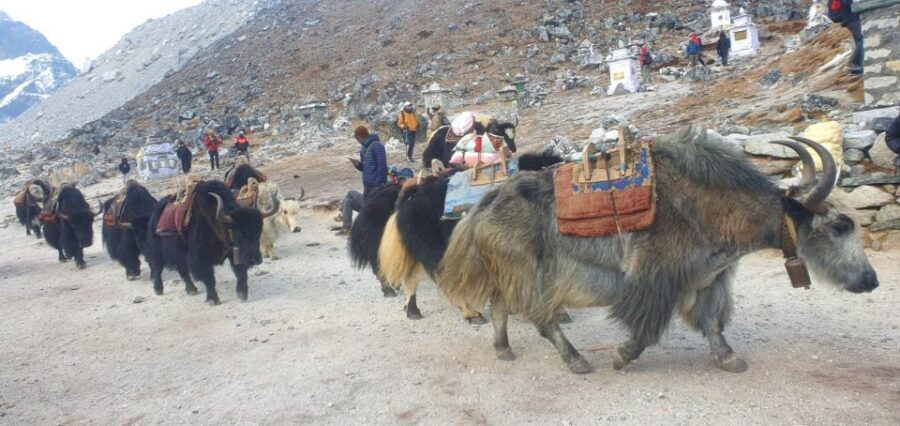
Your lodge stays during the trek are included. That’s a big deal because at altitude, “where am I sleeping?” quickly becomes “how well will I recover?” The tea house setup is basic, but usually warm enough to reset for the next day.
Meals during the trek are not included (no breakfast/lunch/dinner while you’re hiking). In practice, this means your day-to-day food plan depends on what the tea houses offer and how quickly you want to eat. The good news is that the route has a developed food supply chain for trekkers at these altitudes, so you’re not left guessing, but it does mean you should budget additional money.
Hot showers are also not included. Some lodges may offer showers, and you might catch a pleasant surprise. Just don’t plan your trip around guaranteed hot water.
Gear-wise, the tour includes a jacket, sleeping bag, and duffle bag to use if required. That can be a real value if you don’t want to buy rental gear in Kathmandu. Still, you should bring your essentials because what you wear matters for comfort:
- hiking shoes
- sunglasses and hat
- sunscreen
- long pants and socks
- insect repellent
- toilet paper
At altitude, the cold and sun team up. Sunglasses and sunscreen aren’t optional extras—they’re basic survival tools.
The guide and porter team: the difference between a trek and a mission
This trip runs because of people who handle the day-to-day mountain work. You’ll travel with an experienced guide and a porter setup of 1 porter for 2 people. Even if you bring a light pack, a porter can help you stay focused on walking rather than balancing weight.
In the feedback you can infer what matters most: English communication and organization. Guides are described as speaking very well and staying attentive, and that shows up in small moments—getting you on track, managing timing, and keeping you calm when the route or weather throws something unexpected at you.
You may also encounter guides like Anjan and Padam, and an organizer named Hari who’s reachable and responsive. The common thread is coordination. That’s what turns a high-altitude trek from chaos into a plan.
One more important note: your guide and porter insurance is covered in the package, but your own travel insurance with medical evacuation is not included. If you’re thinking about going, make that part of your homework.
Price and value: what $1,296 actually covers (and what you’ll pay for yourself)
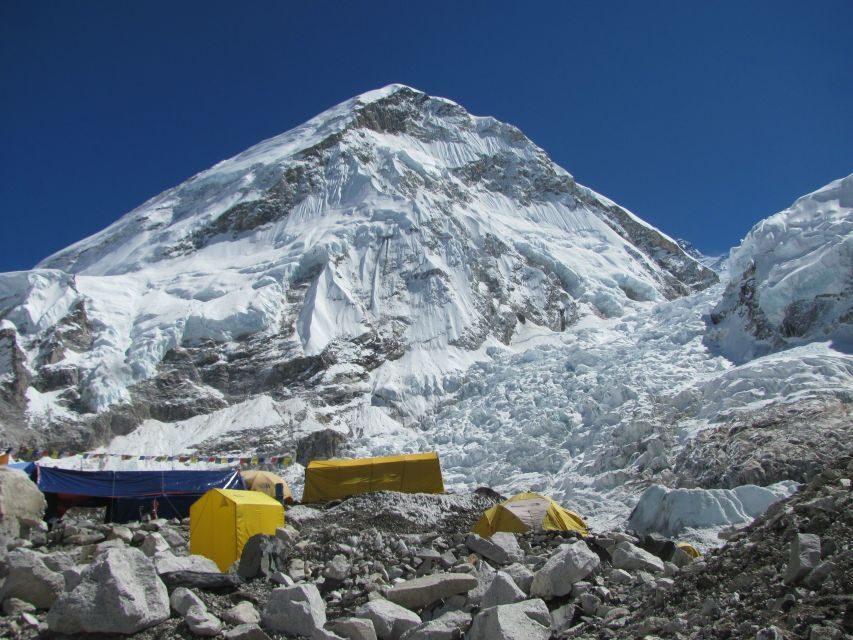
At $1,296 per person for 14 days, the value is strongest in the “hard-to-organize” items that would otherwise take time to coordinate yourself. This package covers:
- airport pickup/drop-off in Kathmandu
- domestic airport transfers by car
- two nights standard accommodation in Kathmandu with breakfast
- the Lukla flight round-trip (Kathmandu–Lukla–Kathmandu)
- paperwork plus Sagarmatha National Park permits
- lodges/tea houses during the trek
- an experienced English-speaking guide and the porter arrangement
- guide/porter food, accommodation, transportation, and insurance
The big exclusions are also clear, and you should plan for them:
- trek meals (breakfast/lunch/dinner during the trek are not included)
- Kathmandu lunch/dinner
- drinks (including alcohol and non-alcoholic beverages)
- hot showers
So the smartest budgeting approach is: treat the $1,296 as your trekking backbone plus key logistics, then add a personal daily allowance for meals and drinks. If you like to eat well and take your time, budget a bit more.
How tough is it, really: acclimatization days are not a luxury
This trek is not for everyone, and that’s not a scare tactic. It’s a reality check. It’s marked as not suitable for pregnant women, people with heart problems, and people with mobility impairments.
Even if you’re healthy, altitude is the main challenge. The itinerary builds acclimatization stops at Namche Bazaar and Dingboche, plus rest and gradual climb days before you hit Everest Base Camp and then Kala Patthar. That structure helps, but it doesn’t remove the altitude risk.
If you’re debating whether you’re fit enough, ask yourself:
- Can you hike for 4–7 hours daily at elevation without pushing hard?
- Do you have enough stamina for a colder, thinner-air finish?
- Will you listen to pacing advice even when you feel good early?
If you answer yes, you’re in the right zone.
Weather and Lukla delays: what flexibility looks like in the real world
Lukla weather can disrupt schedules. One of the most useful things you learn from real experiences is that a good operator doesn’t just shrug and end it. If the Lukla flight isn’t possible, you may be asked to wait and try again rather than being thrown onto a completely new plan.
That kind of flexibility matters because your body and your schedule are both affected by altitude. You’ll be glad you chose a trip that can handle a delay calmly, with a guide who stays organized and keeps you informed.
Practical mindset: pack patience into your mental luggage. When altitude + flights meet weather, the mountain sets the tempo.
Should you book this Everest Base Camp and Kala Patthar trek?
If you want the classic Everest route with Sherpa villages like Namche Bazaar and a strong chance of hitting the viewpoint moment at Kala Patthar, this is a solid match. The included permits, flight, guide, lodges, and key gear support make it efficient and reduce the stress of planning.
I’d especially recommend it if you:
- want an organized plan with acclimatization built in
- value having an English-speaking guide and porter support
- prefer to spend your energy on hiking, not paperwork and logistics
I’d pause if:
- you’re sensitive to flight uncertainty (Lukla weather can shift timing)
- you want a fully meal-inclusive package (trek meals and Kathmandu meals aren’t covered)
- you need accessibility or medical accommodations not supported for this route
If you book, do the prep work: choose proper trekking shoes, bring sun protection, plan for cold, and arrange evacuation-ready travel insurance. That’s what turns Everest from a gamble into a goal you can chase.
FAQ
What happens when I arrive in Kathmandu?
You’re met at Tribhuwan International Airport and transferred to your hotel. Airport pickup and drop-off is included by private car/van/bus, and there’s also domestic airport pickup and drop-off by car.
Are flights included in the price?
Yes. The package includes flight tickets for Kathmandu–Lukla–Kathmandu.
Is the national park permit included?
Yes. Sagarmatha National Park entry permits and fees are included.
Are meals included during the trek?
No. Breakfast, lunch, and dinner during the trek are not included, and lunch and dinner in Kathmandu are also not included.
Do I need travel insurance for this trip?
Yes. The tour requires valid travel insurance with medical evacuation in case of emergency.
What trekking gear does the tour provide?
The tour includes a jacket, sleeping bag, and duffle bag to use if required.
Who should not join this trek?
It’s not suitable for pregnant women, people with heart problems, and people with mobility impairments.