REVIEW · HIKING & TREKKING
Kathmandu: Nagarkot Sunrise & Hiking Trip
Book on GetYourGuide →Operated by Cordial Trek Pvt. Ltd. · Bookable on GetYourGuide
Waking up in the dark pays off in Nagarkot. This 6-hour Kathmandu-area outing is built around a Himalayan sunrise at Nagarkot, with a real shot at seeing Mount Everest on clear mornings, then it finishes with a hike through villages and forest to the ancient Changu Narayan Temple. It’s one of those days where the big views and the lived-in Nepal feel stay tied together.
What I like most is the chance to watch the mountains turn from shadow to snow-bright right after first light, usually from the Nagarkot viewpoint area. I also like how the day doesn’t stop at scenery: the walk ends at Changu Narayan Temple, a 4th-century UNESCO site dedicated to Lord Vishnu in his Narayan form, with old inscriptions and carvings you can actually take time with.
One possible drawback: the weather calls the shots. If clouds roll in, sunrise can be muted and Everest visibility drops fast, and in winter it can get cold at higher viewpoints, so you need real layers.
In This Review
- Key things to know before you go
- Nagarkot sunrise: the part your photos can’t fake
- Timing and weather: when to hope, and when to plan for disappointment
- The Nagarkot viewpoint tower: where the light turns cinematic
- The hike from Nagarkot down to Changu Narayan: villages, farms, and forest shade
- Changu Narayan Temple: UNESCO heritage you can actually look at
- Transportation, guide, and the private-group feel in practice
- Packing and comfort: do these small things and the day feels smoother
- Price and value: why this feels like a bargain (and when it isn’t)
- Who this Kathmandu trip suits best (and who should skip it)
- Should you book: my practical take
- FAQ
- What time does the trip depart from Kathmandu?
- How long is the Nagarkot sunrise portion?
- Is there a hike, and how long is it?
- How long is the entire experience?
- Do I get picked up and dropped off in Kathmandu?
- What’s included in the price?
- Are meals included?
- Is Everest guaranteed to be visible?
- Can I avoid the full hike?
- What should I bring?
- FAQ
- Is there an option for cancellation if plans change?
Key things to know before you go
- Nagarkot first light: early departure means you’re watching the peaks come alive at dawn.
- Possible Everest sighting: on clear mornings, the distant summit may be visible. Bring binoculars.
- Panoramic views from the viewpoint tower area: ideal for photos once the sky brightens.
- 3-hour hike through villages and forest: a moderate outing with plenty of local scenery along the way.
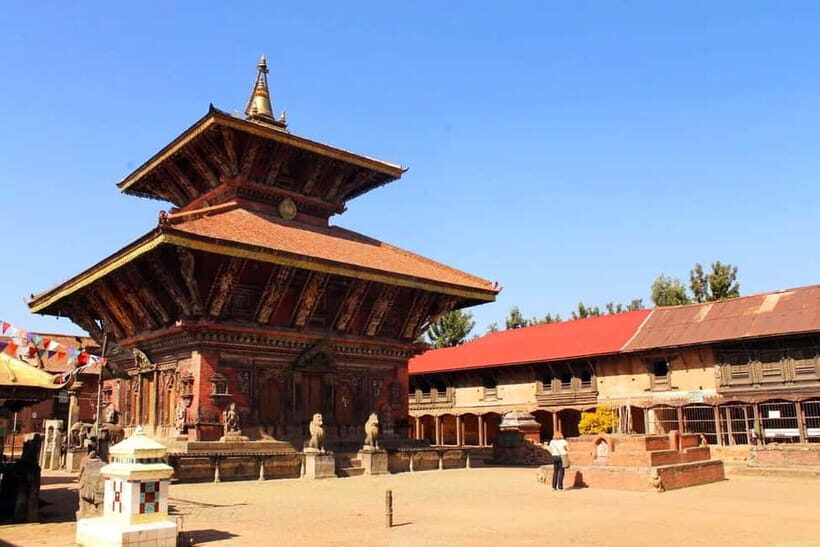
- Changu Narayan Temple UNESCO stop: an old, revered Lord Vishnu site with inscriptions and carved details.
- Winter cold at higher elevation: you’ll want proper outerwear, especially while waiting for sunrise.
Nagarkot sunrise: the part your photos can’t fake
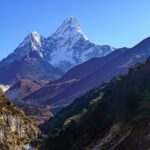
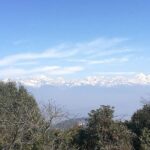
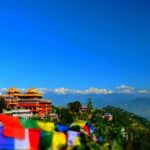
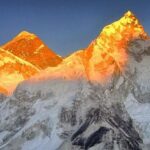
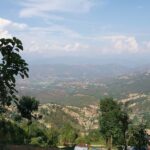
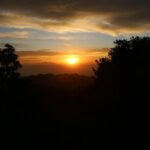
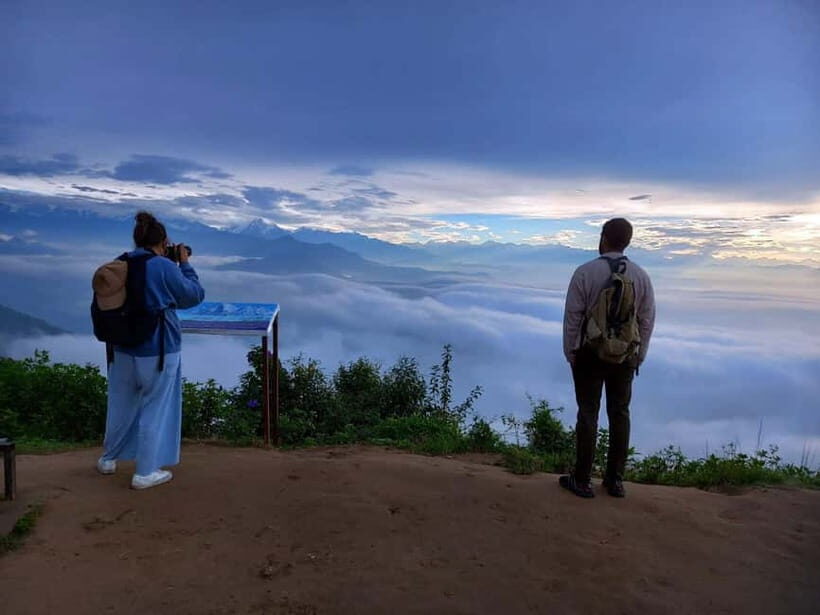
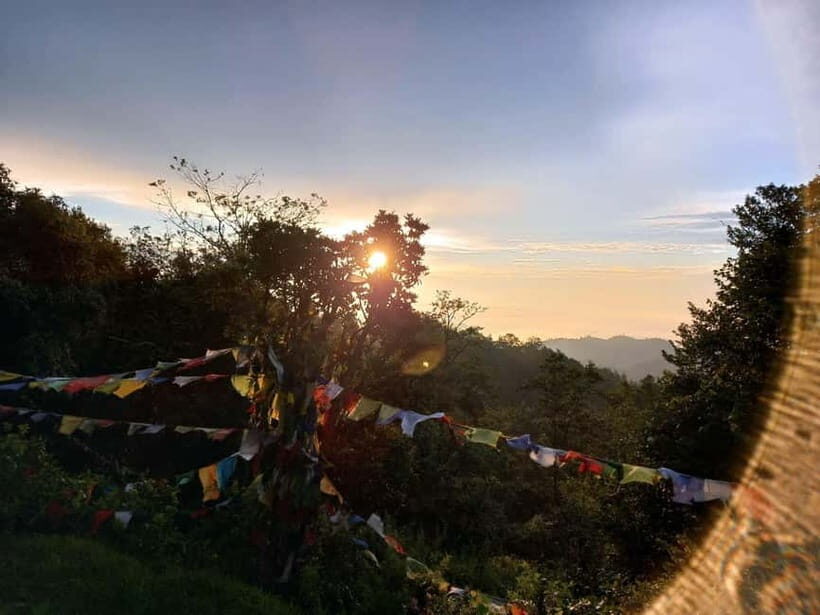
Nagarkot sits on the rim of the Kathmandu Valley, high enough that the morning air often feels crisp and the view opens wide. The trip is timed so you’re at the sunrise viewpoint as dawn begins to spread, when the snow-covered mountain faces start catching light. Even if Everest doesn’t show, you’re still getting that classic Himalayan “first glow” effect.
The planning here matters. You leave Kathmandu early (around 04:30 in summer and 04:45 in winter), then spend about an hour taking in sunrise. This isn’t a casual late-morning lookout. It’s a deliberate schedule that gives your eyes time to adjust and your camera a chance to capture the shift from gray to bright.
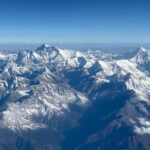
And yes, Everest is the big headline—but what makes this day work is the way Nagarkot’s vantage point sets up the view. The tour specifically recommends binoculars, because distant peaks can be faint or partially obscured. That’s your best bet for turning a maybe into a moment you remember.
You can also read our reviews of more hiking tours in Kathmandu
Timing and weather: when to hope, and when to plan for disappointment
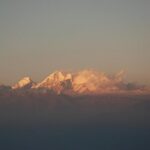
The whole experience runs on dawn visibility. Clear mornings are where Everest sightings become possible, and you’ll feel the difference in the quality of light. Clouds can flatten the sunrise and hide the distant ridgeline, which can make the day feel less dramatic than you’d hoped.
I’d treat weather as a dial, not a switch. Even in less-than-perfect conditions, you still tend to get something: soft mountain outlines, a changing sky, and the route to the temple after sunrise. But if you’re traveling in winter, also expect real cold while you wait. One practical warning from a winter experience: the viewpoint area is above 2,000 meters, so you’ll want warm layers before you’re standing around.
My advice is simple. Check forecasts, dress for cold waiting time, and don’t count on Everest as guaranteed. If it shows, great. If it doesn’t, you still have a solid walking-and-culture day ahead.
The Nagarkot viewpoint tower: where the light turns cinematic
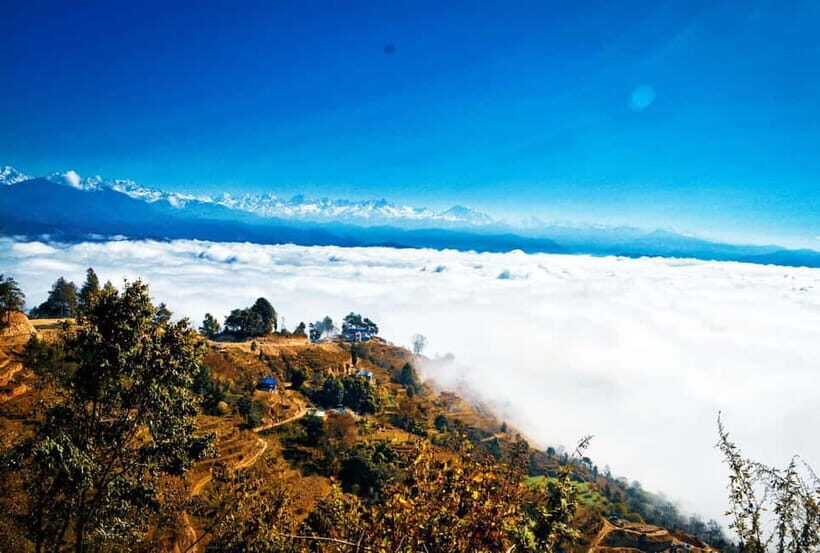
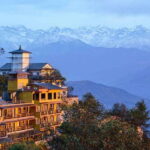
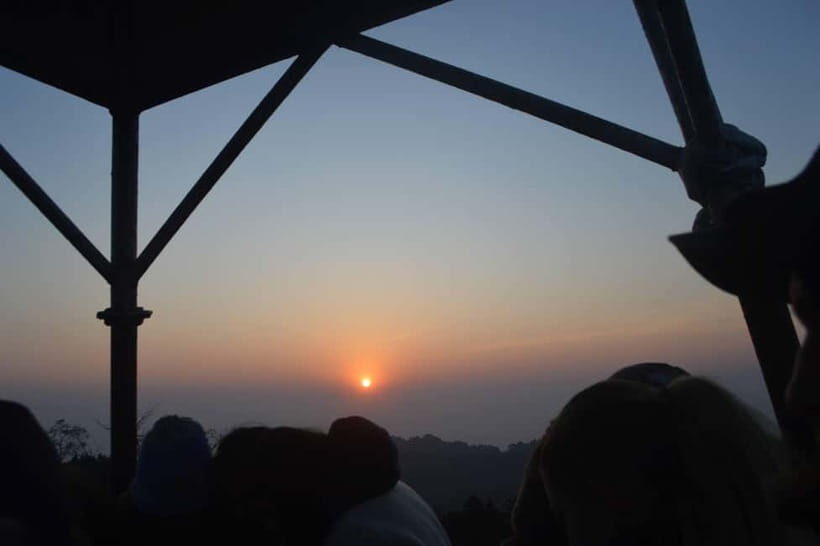
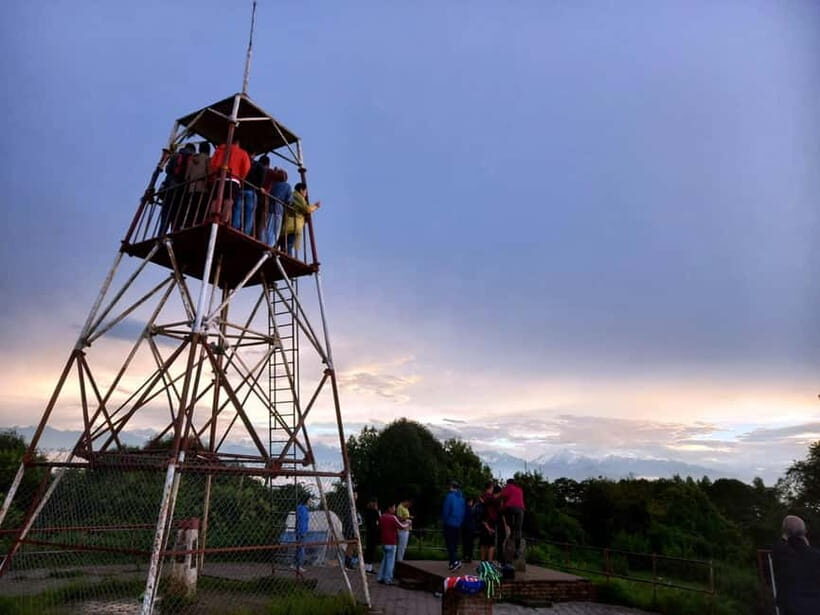
After your drive (about 1.5 hours), you get to Nagarkot in time for dawn. Then comes the payoff: the panoramic view from the viewpoint area (including the Nagarkot View Tower region). This is where you’ll watch the snow peaks emerge and where you can reposition for the best angle as the sky brightens.
If you want photos that don’t look washed out, sunrise timing is everything. Early light is lower and softer, which helps the mountains look more three-dimensional. Later, the contrast can rise and details fade a bit in haze—so staying put for the first moments pays off.
Binoculars are a smart move here. Everest is far enough that you may only spot it if the air is clear. Even if you’re scanning for one peak, you’ll probably end up enjoying the wider Himalayan wall in the background, which is part of why this works as a morning experience rather than just a quick stop.
The hike from Nagarkot down to Changu Narayan: villages, farms, and forest shade
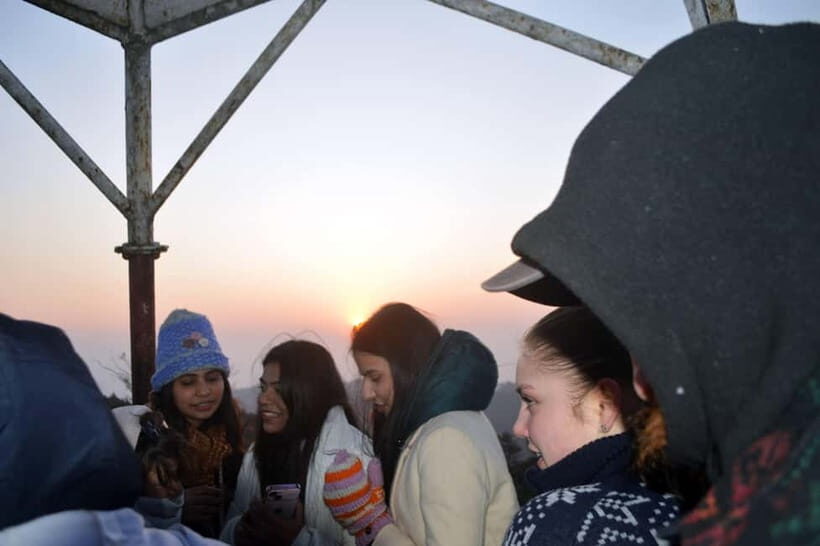
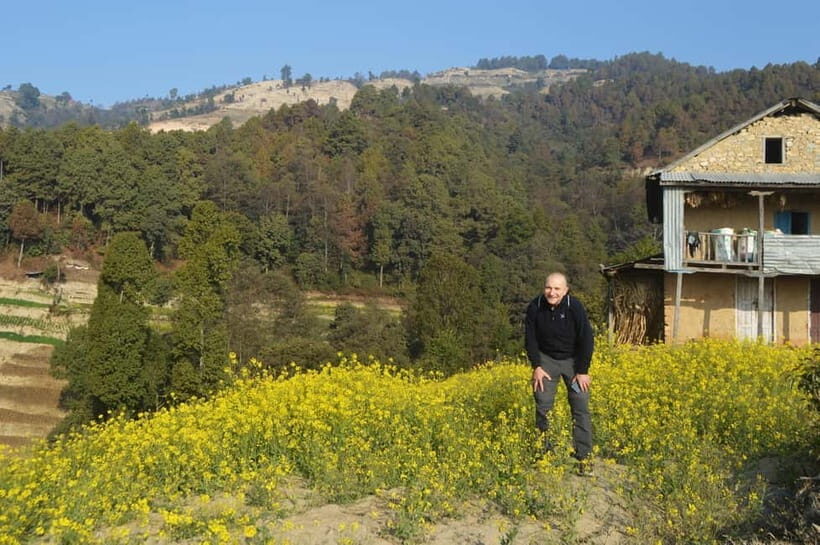
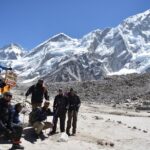
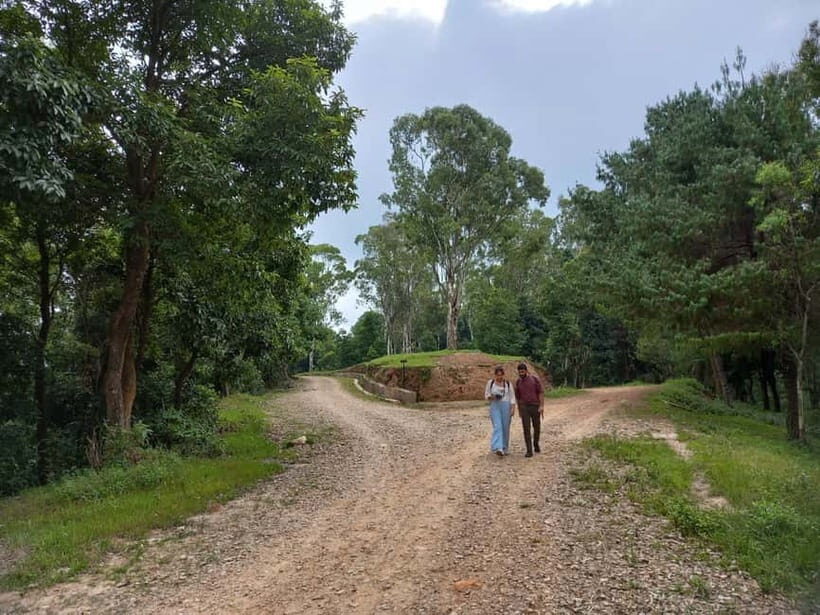
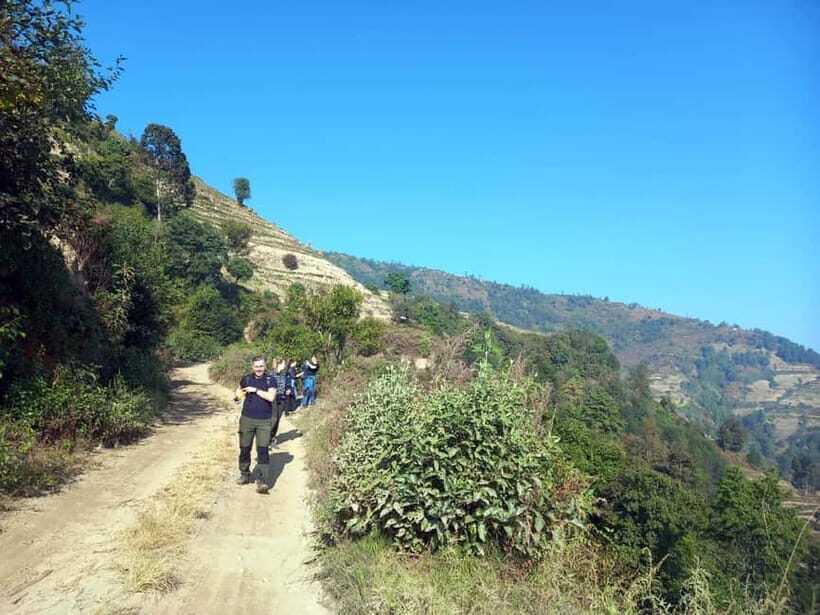
Once the sunrise portion is done, the day pivots into movement. You’ll head down toward Changu Narayan Temple, walking along trails that pass through local villages and green forest stretches. The hike portion is about 3 hours, and it’s designed to be doable for people with moderate fitness.
What you’re really hiking for isn’t only the destination. It’s the in-between Nepal: farm scenes, everyday village life, and shaded paths that break up the open views from Nagarkot. The route also tends to feel more comfortable because much of it is downhill, so your legs get a break compared to a steep slog up.
What to bring matters. Hiking shoes make a difference on uneven ground. If it’s dry, many people find normal comfortable sneakers workable, but rain changes everything—slippery paths and lower visibility make the hike less enjoyable and can reduce the mountain views earlier in the day.
If you prefer a slower, less walking-focused day, there’s an option for a car transfer directly to the temple after the sunrise period. That’s a good fit if you want the cultural stop without turning the day into a full trek.
Changu Narayan Temple: UNESCO heritage you can actually look at
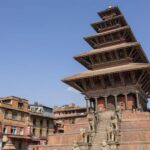
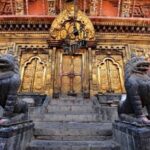
Changu Narayan Temple is the day’s cultural anchor, and it’s not a quick photo stop. It’s a 4th-century UNESCO World Heritage site dedicated to Lord Vishnu in his Narayan form. What makes the place stand out in a practical way is the attention to older details: ancient inscriptions and carved ornamentation that reward slow looking.
You’ll have a guided visit (around 1 hour), which helps you understand what you’re seeing. Without that context, these temples can look impressive but confusing. With a guide, you can connect carvings, symbols, and the temple’s long role in Nepal’s religious landscape.
Also, plan for the vibe. After the early morning and the hike, you’ll likely feel grateful for a calmer pace. This is where you get to sit with the craft and the meaning, then transition back toward Kathmandu without dragging out the day.
You can also read our reviews of more tours and experiences in Kathmandu
Transportation, guide, and the private-group feel in practice
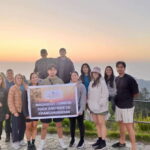
This trip is a private group experience with an English-speaking guide, plus pickup and drop in Kathmandu. That matters more than it sounds. You get a setup where questions are easy, the pacing can be adjusted, and you aren’t stuck matching other people’s energy.
The tour includes a private air-conditioned vehicle, bottled drinking water, and monuments entrance fees. For a trip that starts at dawn and includes both sunrise viewing and a temple visit, that combination is good value. You’re paying for the hard parts—early timing, transport, guiding, and the access costs—so you’re not scrambling for logistics once you’re there.
One realistic note on pace: some guides move confidently, and if you’re a slower hiker, you’ll want to say so early. The best strategy is to communicate your pace right after you set off. A guide who’s used to this route can usually manage the group without turning it into a stress test.
Packing and comfort: do these small things and the day feels smoother
You only need a small pack. The tour notes that luggage or large bags aren’t allowed, so travel light. Think camera, a warm layer, and whatever keeps you steady on uneven paths.
Bring:
- Camera (sunrise light is when your photos improve fast)
- Binoculars (especially for the Everest hunt)
- Hiking shoes
- Comfortable clothes, plus layers for cold waiting time
Winter is the big caution period. If you’re joining in colder months, plan for the viewpoint area being above 2,000 meters. Standby time at dawn can feel longer than you expect, so warmth needs to be ready before the sky changes.
Also, don’t forget you’ll be out for about 6 hours total, from pickup through return to Kathmandu. That means you need stamina, even if the hike is moderate. If you’re the type who gets cranky without snacks, keep that in mind—meals aren’t included.
Price and value: why this feels like a bargain (and when it isn’t)
The listed price is $3.58 per person, which is startlingly low for a day that includes private vehicle transport, an experienced English guide, bottled water, and entrance fees. Even when you factor in that meals aren’t included, the math still tends to favor the trip if you want both sunrise views and a guided heritage stop.
Where value can drop is when weather ruins the main headline. If clouds cover the horizon, Everest visibility disappears and sunrise can become less dramatic. Still, you keep the hike through villages and forest and the Changu Narayan Temple visit, which gives you a full cultural-natural day rather than a single-view gamble.
So I’d judge this trip on two outcomes:
1) Can you tolerate cold early mornings?
2) Will you still enjoy the day if Everest doesn’t show?
If the answer to both is yes, then the value is strong.
Who this Kathmandu trip suits best (and who should skip it)
This works well for:
- People staying in Kathmandu who want a single tight day outside the city
- Travelers who like sunrise, viewpoints, and photography time
- Anyone comfortable with a moderate hike (roughly 3 hours) through paths and village areas
- Culture-minded visitors who want a real temple visit with guided context
It’s not the right fit if:
- You have mobility impairments, since the hike portion and general travel setup may be difficult
- You dislike early mornings, because the departure happens before normal sunrise hours
Should you book: my practical take
Book this if you’re chasing the Nagarkot sunrise experience and want more than a quick viewpoint photo. The combination of early-morning mountain light, a guided UNESCO temple visit, and an actual village-and-forest walk makes the day feel complete.
Don’t book expecting Everest as a guarantee. Think of it as a bonus when conditions are clear. If you can handle cold waiting time and you’ll enjoy the Changu Narayan stop even without the headline peak, this is a smart, high-value choice.
FAQ
What time does the trip depart from Kathmandu?
In summer you leave around 04:30 AM, and in winter around 04:45 AM.
How long is the Nagarkot sunrise portion?
The sunrise and sightseeing time at Nagarkot is about 1 hour.
Is there a hike, and how long is it?
Yes. After sunrise, there’s a hike portion of about 3 hours.
How long is the entire experience?
The full trip lasts about 6 hours.
Do I get picked up and dropped off in Kathmandu?
Yes. Pickup and drop are included.
What’s included in the price?
You get pickup and drop, a private air-conditioned vehicle, an experienced English-speaking guide, bottled drinking water, and monument entrance fees.
Are meals included?
No. Meals are not included.
Is Everest guaranteed to be visible?
No. Everest visibility is possible on clear mornings, but it’s not guaranteed.
Can I avoid the full hike?
If you prefer a more leisurely pace, there is an option for a comfortable car transfer directly to the temple after sunrise.
What should I bring?
Bring a camera, hiking shoes, and comfortable clothes. Binoculars are recommended for the best chance at seeing distant peaks.
FAQ
Is there an option for cancellation if plans change?
Yes. You can cancel up to 24 hours in advance for a full refund.