REVIEW · EVENING EXPERIENCES
Kathmandu: Pashupatinath Evening Aarati Tour Private/Group
Book on GetYourGuide →Operated by Himalayan 360 · Bookable on GetYourGuide
The evening at Pashupatinath is the main event. You’ll start with a late-afternoon drive from Kathmandu, get a guided look around the temple complex, then settle in for the Bagmati River evening aarati, complete with chanting, bells, and oil lamps. It’s a simple, well-timed tour that trades a long day of sightseeing for one unforgettable ritual moment at a major Hindu shrine.
Two things I like a lot: a licensed English-speaking guide (with real Q&A time) and a tight focus on the 6 pm riverbank aarati instead of trying to squeeze in a dozen stops. One thing to consider: where you sit on the riverbank matters, and you may want to be proactive about your viewing spot.
This is the kind of tour that works because it keeps your head in the experience. You get a temple orientation first, so when the ceremony begins you know what you’re seeing and why it matters. You’ll also get the comfort of hotel pickup and drop-off in the Thamel area, which makes the whole thing feel easy after a day in Kathmandu.
Just don’t assume every viewing spot is equal. One booking feedback noted the guide’s chosen spot didn’t match what the guest wanted to focus on, and they ended up asking to adjust while feeling awkward. If you care about the ceremony view above everything else, speak up early and clearly.
In This Review
- Key things worth knowing before you go
- Evening Aarati at Pashupatinath: why this ritual hits different
- Kathmandu timing: late-afternoon pickup through the riverbank ceremony
- The temple complex walk: history and architecture, with breathing room
- Riverbank viewing strategy: getting the best spot for the ceremony you came for
- About the guide: why Amrit’s approach worked so well
- Private vs group value: what you gain (and what you don’t)
- Price and what you’re actually paying for ($22 per person)
- What to bring: camera, cash, and shoes that survive stone paths
- Who should book this aarati tour in Kathmandu
- Should you book the Pashupatinath evening aarati tour?
- FAQ
- What time does the evening aarati start?
- How long is the tour?
- Where are pickup and drop-off locations?
- Do you get a guided visit inside the Pashupatinath temple complex?
- What’s included in the price?
- What should I bring, and what costs aren’t included?
Key things worth knowing before you go
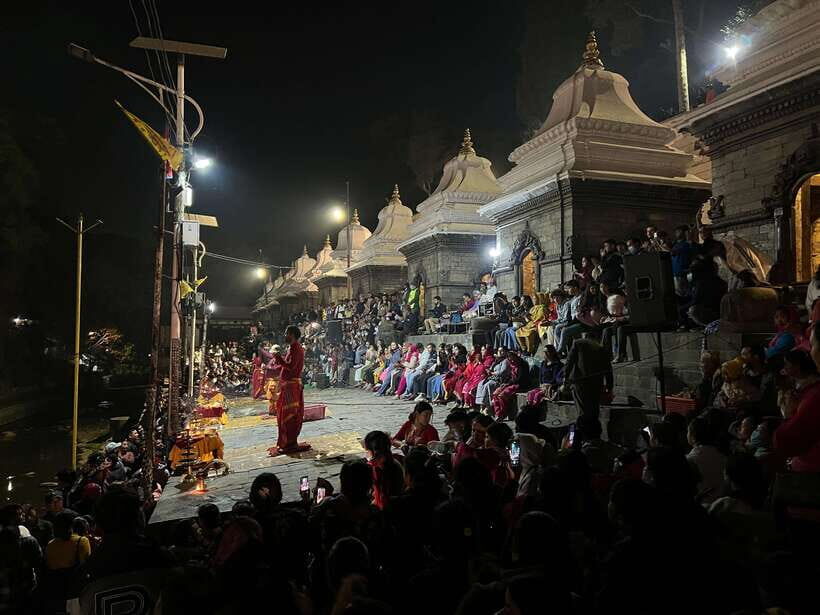
- 6 pm start on the eastern bank: plan to be settled before the ceremony begins.
- Guided temple walk plus free time: you get context, then space to wander on your own.
- Priests with oil lamps, bells, chanting, and incense: the ritual is sensory and visually rhythmic.
- Free-time at the site after orientation: you can pace yourself instead of rushing.
- Guide quality can make or break your photos: a good guide helps you choose the right spot.
- Thamel-only convenience: pickup/drop-off is built around Thamel or nearby.
Evening Aarati at Pashupatinath: why this ritual hits different
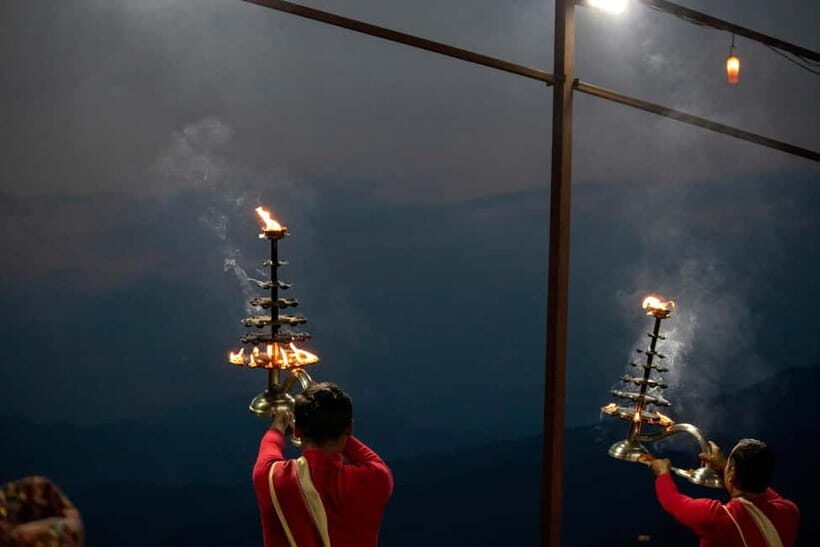
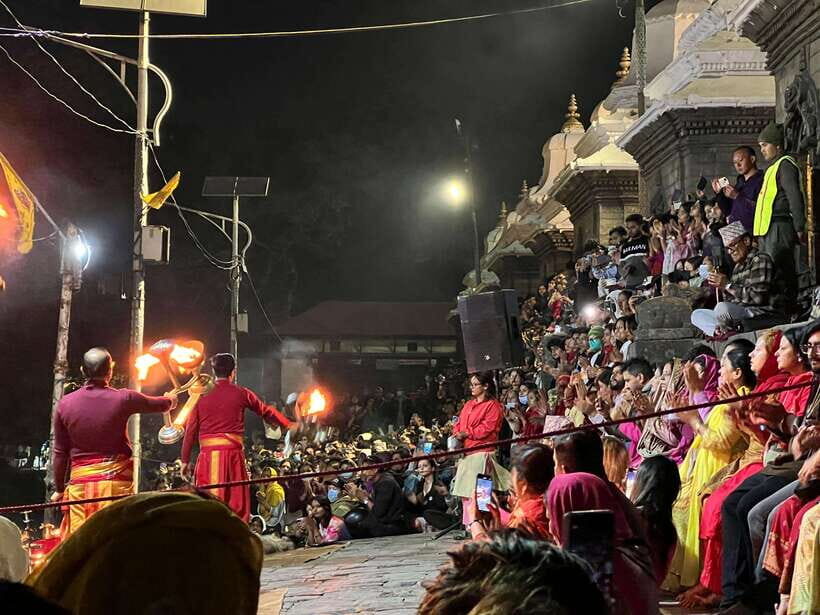
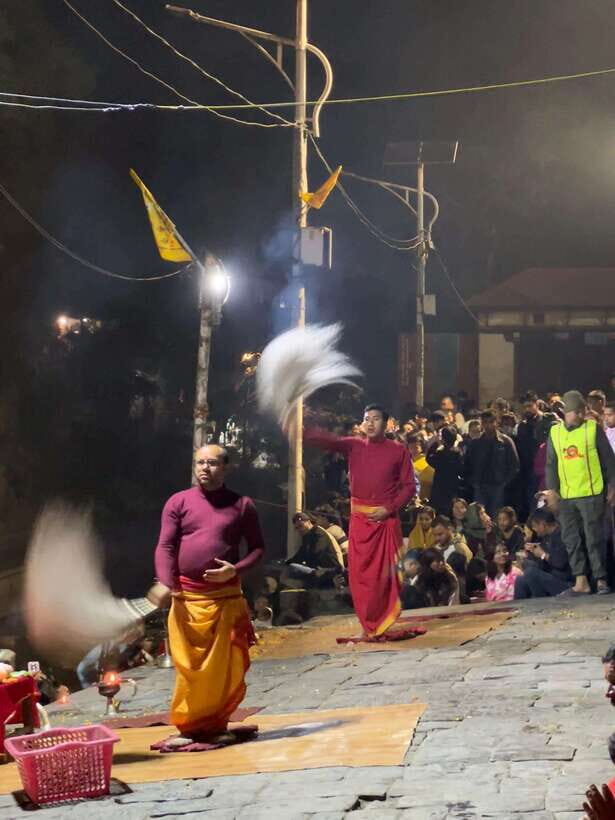
Pashupatinath is one of Nepal’s best-known Hindu shrines, and the evening aarati turns it into something you feel more than you can explain. The ceremony takes place on the Bagmati River banks, so the setting does work for you: the lights from oil lamps reflect through the evening atmosphere and the whole river area becomes part of the performance.
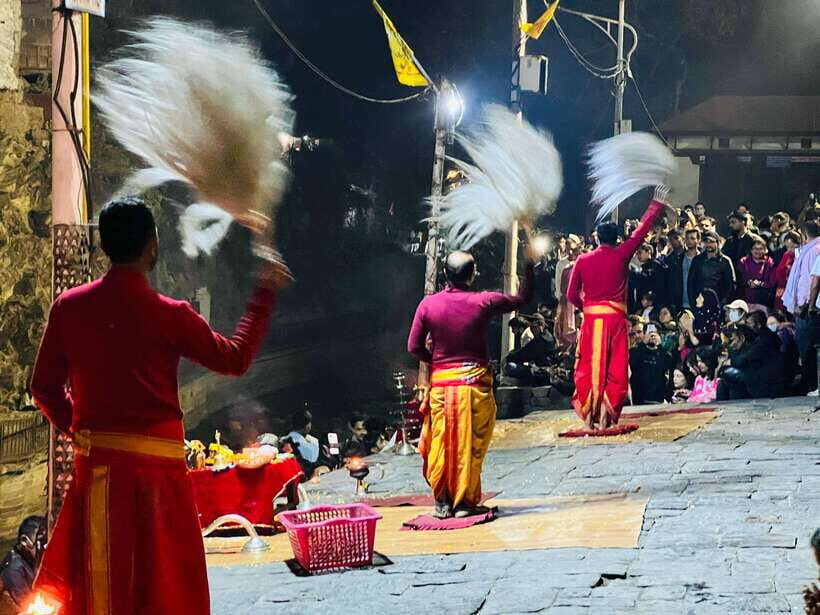
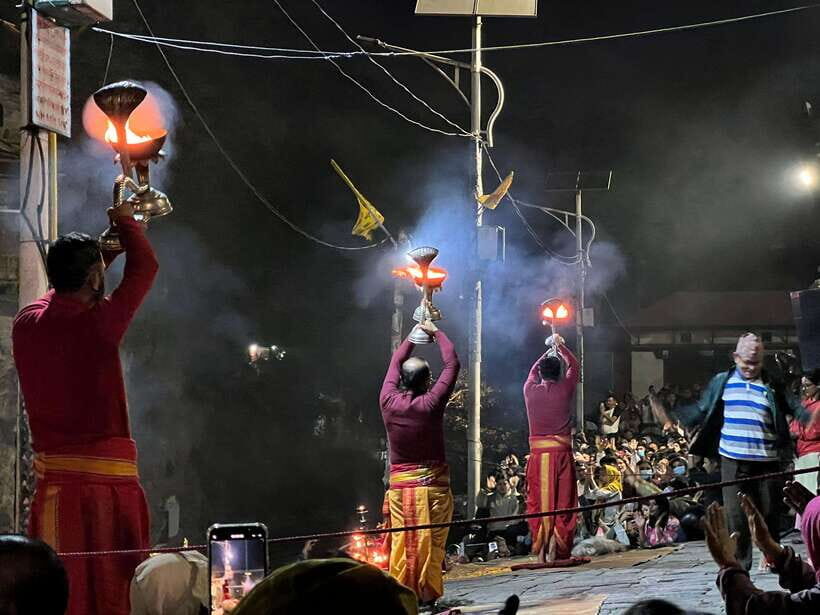
What makes this tour especially compelling is the mix of sounds and sights you’ll see and hear. You’ll experience Vedic mantras chanting, rhythmic bell ringing, incense burning, and live music with classical instruments and devotional hymns. Priests also wave oil lamps in intricate patterns, which gives the whole thing a strong visual structure, not just background spirituality.
I also appreciate the pacing. Instead of running you around for hours, it concentrates on the ritual moment and then supports it with a guided introduction. That makes your attention land where it should.
You can also read our reviews of more private tours in Kathmandu
Kathmandu timing: late-afternoon pickup through the riverbank ceremony
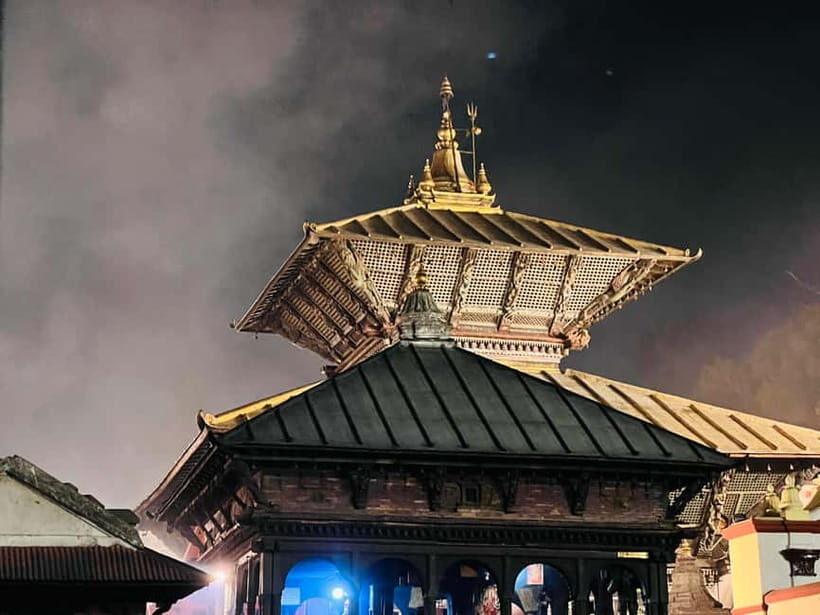
The day starts late afternoon. You’ll get picked up from your hotel in the Thamel area (or nearby), then ride to Pashupatinath Temple, enjoying views along the drive. This timing matters because it helps you arrive with enough daylight for the temple walk, without missing the evening ceremony window.
The temple portion includes a guided tour and a walk, followed by about 1.5 hours total on-site that includes free time. That free time is more useful than it sounds. It lets you recover your bearings, look around at your own pace, and take photos without feeling like you’re always moving because of someone else’s schedule.
At around 6 pm, the evening aarati begins on the eastern bank of the Bagmati River. That means you want your camera ready, your spot chosen, and your expectations set for standing and watching rather than shopping and strolling.
The temple complex walk: history and architecture, with breathing room
Before the ceremony starts, your guide brings you through the Pashupatinath temple complex with a focused overview. They’ll explain the site’s history, religious significance, and architectural beauty, which is exactly what you want before sitting down for ritual viewing.
This part is valuable because many visitors arrive during the main event without understanding what they’re looking at. A short orientation helps you connect the dots: why the setting is chosen, why the ritual steps follow, and why the priests’ movements look so intentional.
After the guided walk, you get free time to explore. This is where you can decide what kind of visitor you want to be. If you love details, use the break for extra looks and photos. If you’d rather conserve energy for the riverbank, treat this period like a reset button.
Riverbank viewing strategy: getting the best spot for the ceremony you came for
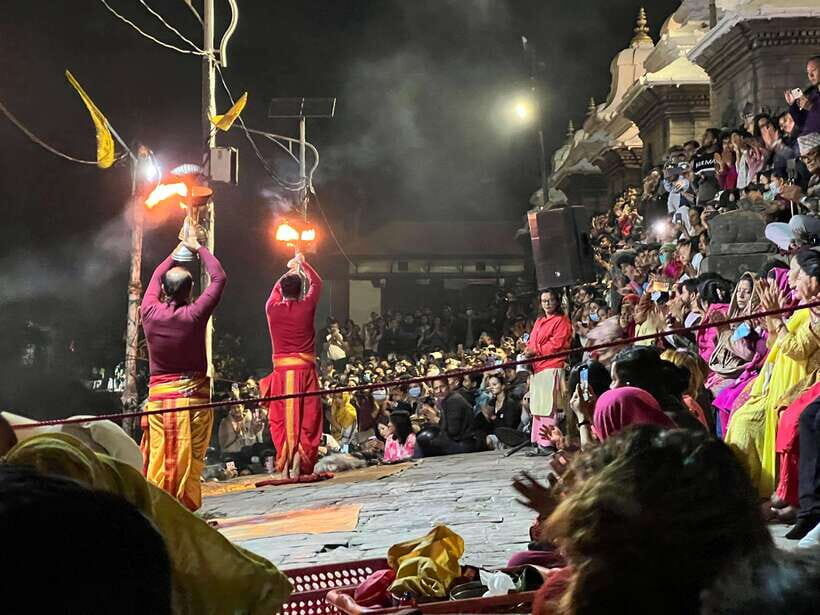
The aarati itself is the headline, and the only real “gotcha” is viewing. One booking feedback pointed out that a guide selected a spot that didn’t match the guest’s goal, especially since the focus was on the ceremony rather than surrounding activity. The guest had to interrupt conversation repeatedly to ask about moving.
Here’s how to avoid that kind of stress. When you arrive near the ceremony area, decide quickly what you want your photos and eyes to prioritize—people waving oil lamps, the chanting circle, or the wider riverbank scene. Then communicate your preference early to your guide, before the crowd thickens.
If you’re there early, it’s reasonable to ask for an adjustment. If you’re unsure, ask a simple question: Can you help me position where I’ll clearly see the oil lamps and priests? A good guide will take that seriously.
Also, plan for standing and close proximity. The ritual is surrounded by sound—chanting, bells, and live music—so you’ll get the full sensory effect if you’re willing to stay put and watch.
About the guide: why Amrit’s approach worked so well
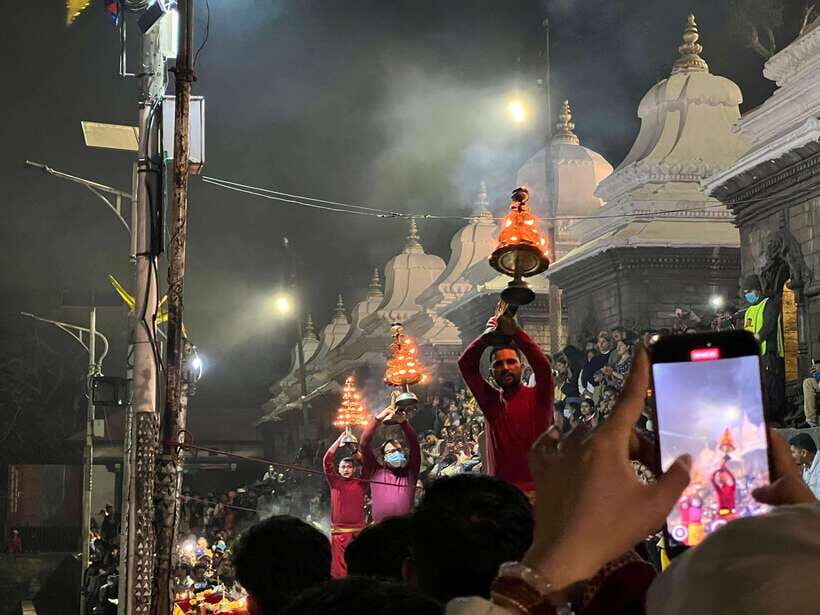
Guide quality shows up fast in tours like this, because the whole experience happens in one concentrated window. One positive review singled out Amrit, saying he was fantastic, informative, and answered many questions. That’s exactly the kind of guide who improves the ceremony experience.
If your guide is good, you’ll understand what you’re seeing as it happens. You’ll also feel more comfortable asking questions, rather than feeling like you’re interrupting a lecture. For you, that means fewer blank moments during the aarati and more “oh, that’s why” reactions.
On the flip side, a less ideal experience can happen if the guide’s chosen spot doesn’t fit your priorities or if the guide gets sidetracked by off-topic conversation while you’re trying to settle in. Your best protection is clear communication and arriving with a photo/priority idea in mind.
You can also read our reviews of more evening experiences in Kathmandu




Private vs group value: what you gain (and what you don’t)
This tour offers private group options, and it also runs as a group experience depending on what you book. Private can be worth it if you want more control over your pace, your questions, and your viewing preferences at the riverbank.
Even in a small group, the structure helps. You get hotel pickup, transport to the temple, a guided orientation, and then a ceremony viewing window. That’s the sweet spot for most people: you don’t need to coordinate timing yourself in Kathmandu.
For families or kids, the tour has limits: it isn’t suitable for children under 2 or under 5, and it isn’t listed as appropriate for wheelchair users. If you’re traveling with anyone who has mobility or age constraints, you’ll want to double-check fit before you pay.
Price and what you’re actually paying for ($22 per person)
At $22 per person for 2–3 hours, this is priced like an experience with real guidance and transport included. The value comes from three things you don’t want to DIY:
- Hotel pickup and drop-off in/near Thamel
- Transportation to and from Pashupatinath
- A licensed English-speaking guide who handles the temple orientation
You’re not paying for a long multi-stop itinerary here. You’re paying for convenience and focus, plus a guided lens that makes the ceremony more meaningful.
What’s not included matters for budgeting. Entry fees and food/drinks aren’t included, so plan either to bring cash for small extras or eat before the pickup. Since the tour lasts a few hours in the afternoon into early evening, you’ll likely want a full meal beforehand so you’re not scrambling.
What to bring: camera, cash, and shoes that survive stone paths
This is a practical tour, so pack like you’ll be walking and standing near the river. You’ll want:
- Comfortable shoes (temple paths can be rough and uneven)
- A camera (the oil lamps and riverbank atmosphere are photo-worthy)
- Cash (handy for any on-the-spot needs)
I also suggest you dress for evening cooling, because once you’re sitting/standing for ceremony viewing, you’ll feel the temperature more. The tour doesn’t mention specific weather gear, so use Kathmandu common sense.
Who should book this aarati tour in Kathmandu
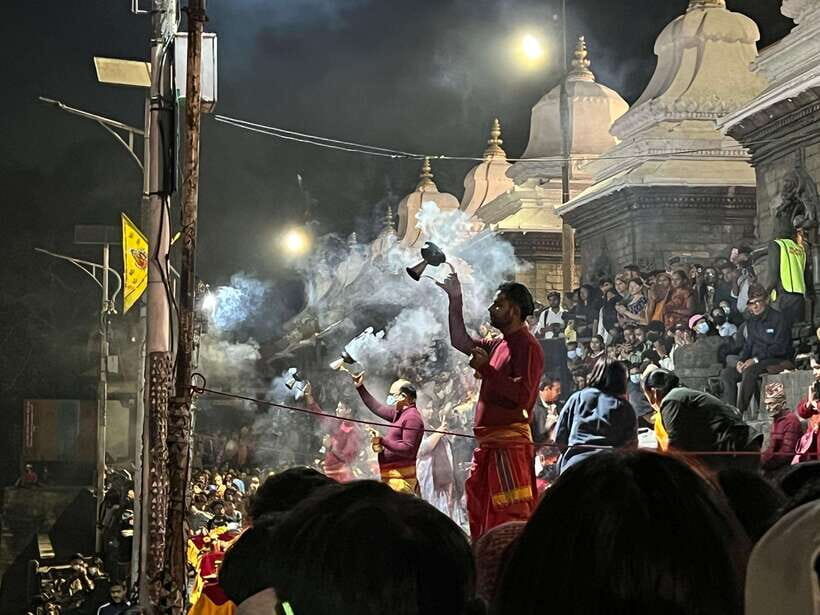
This tour is ideal if you want one strong cultural anchor in your Kathmandu days. You’ll especially enjoy it if you like religious traditions, live music, and ritual performance that uses light, sound, and chanting as the main story.
It’s also a good choice if you’re short on time. At 2–3 hours, it slots neatly between daytime plans and an evening return to your hotel.
If you’re traveling with someone who doesn’t like crowds or standing for long stretches, consider that the aarati area can get busy. And if you’re a wheelchair user, the tour is not suitable per the tour info.
Should you book the Pashupatinath evening aarati tour?
I’d book it if your goal is simple: see the evening aarati at Pashupatinath with real context, without wrestling transport across Kathmandu. The mix of guided temple orientation plus a ceremony viewing window at about 6 pm is a sensible way to get maximum meaning in limited time.
I’d think twice only if you’re extremely picky about your exact viewing angle and you don’t plan to speak up. Ask early about where you’ll be positioned for the oil lamps and priests’ movements. If you do that, you’re likely to come away with the kind of emotional, memorable evening people talk about.
FAQ
What time does the evening aarati start?
The evening aarati starts at about 6 pm on the eastern bank of the Bagmati River.
How long is the tour?
It runs about 2 to 3 hours total.
Where are pickup and drop-off locations?
Hotel pickup and drop-off are available from Thamel or nearby locations. The listed drop-off options are Thamel Marg and Thamel.
Do you get a guided visit inside the Pashupatinath temple complex?
Yes. You’ll receive a guided tour of the temple complex, plus free time to explore on your own.
What’s included in the price?
Hotel pickup and drop-off (from Thamel or nearby), transportation to and from Pashupatinath, and a licensed English-speaking guide. Taxes and service charges are included.
What should I bring, and what costs aren’t included?
Bring comfortable shoes, a camera, and cash. Food and drinks, and any entry fees, are not included.