REVIEW · HIKING & TREKKING
Private Manaslu Circuit Trek at Himalayas
Book on Viator →Operated by Himalayas On Foot - Day Tours · Bookable on Viator
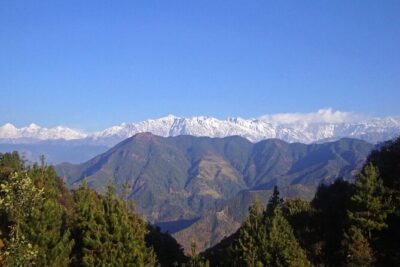
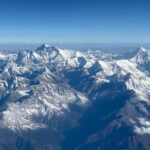
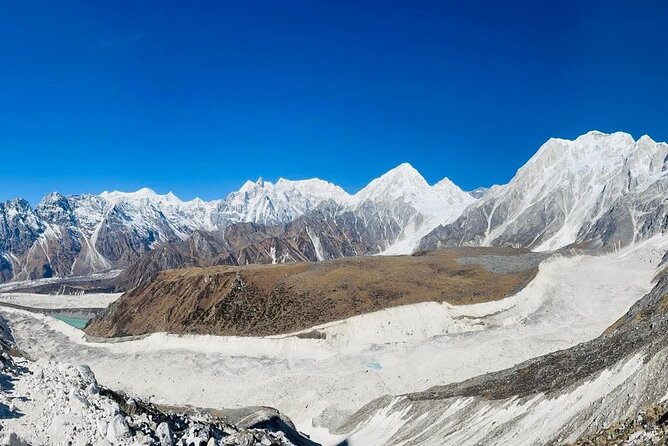
High-altitude days start with one good plan. The private Manaslu Circuit trek is built for real Himalayan trekking: permits, guided pacing, and long views toward Mt. Manaslu (8,163m) without the usual crowds. You’ll walk through villages influenced by Tibetan culture, then climb toward the Larkya La crossing as the trail gradually lifts.
What I like most is how the itinerary gives your body room to adjust. You get acclimatization built in around Manaslu Base Camp (Day 7) and a second acclimation/exploration day in Samdo (Day 9). That matters, because this trek climbs high enough that rushing is a bad idea.
The main consideration is the altitude and cold you’ll face, especially around the 5,160m Larkya La day. Also, while most meals and key gear are covered, drinks, Kathmandu meals, and tips aren’t included—so your day-to-day spending can add up fast if you’re not careful.
In This Review
- Quick takeaways
- Why the Manaslu Circuit feels quieter and more human
- Price and what you truly get for about $1,500
- Before you start: fitness, altitude, and gear decisions
- The itinerary, day by day: from Machha Khola to Dharapani
- Day 1: Kathmandu to Machha Khola (around 1,400m)
- Day 2: Machha Khola area to Jagat (around 1,410m)
- Day 3: Jagat toward Pewa (around 1,860m)
- Day 4: Pewa to Namrung (around 2,630m)
- Day 5: Namrung toward Lho (around 3,180m)
- Day 6: Lho to Sama Gaon (around 3,530m)
- Day 7: Acclimatization day near Manaslu Base Camp (around 4,400m)
- Day 8: Base camp area toward Samdo (around 3,690m)
- Day 9: Samdo acclimatization and a hike toward trade pass views (around 3,690m)
- Day 10: Samdo toward Dharamshala / Larkya base area (around 4,460m)
- Day 11: Larkya La Pass day (around 5,160m)
- Day 12: Descent toward Bimthang (around 3,720m)
- Day 13: Bimthang/Dharapani area and return to Kathmandu (around 1,963m)
- The guide setup: pace control, safety tools, and team energy
- Lodges, food, and the comfort math you should expect
- Who should book this private Manaslu Circuit—and who should pause
- Should you book the private Manaslu Circuit trek?
- FAQ
- What is the duration of the Manaslu Circuit trek?
- What is the highest altitude on this trek?
- Are the permits included?
- How do you get to and from the trail?
- What kind of lodging and food are included during the trek?
- Are drinks included during the trek?
- Do I get a porter included for my bag?
- What gear is provided if I don’t have it?
- Is this trek truly private?
Quick takeaways
- Restricted-area and conservation permits included: Manaslu Restricted Permit, MCAP, and ACAP are handled for you
- Acclimatization days are part of the schedule: Day 7 at Manaslu Base Camp and Day 9 in Samdo
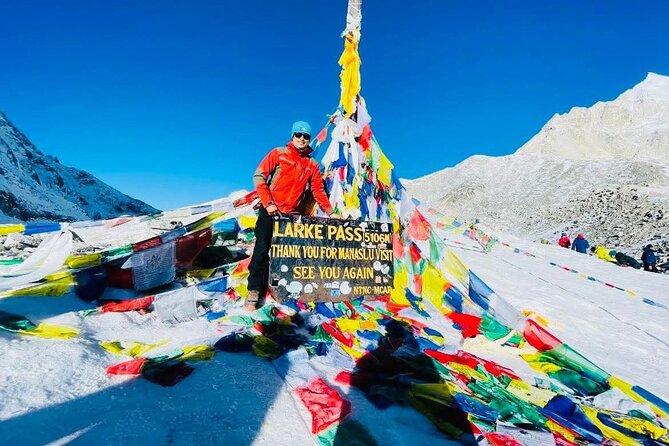
- The high point is real: Larkya La at 5,160m, with views of Cho Danda and Larkya Peak
- Tea house / lodge trekking with most meals covered: 13 breakfasts, 13 lunches, and 12 dinners
- Private group only, with support from a government-licensed guide and insurance/first-aid tools like an oximeter
Why the Manaslu Circuit feels quieter and more human
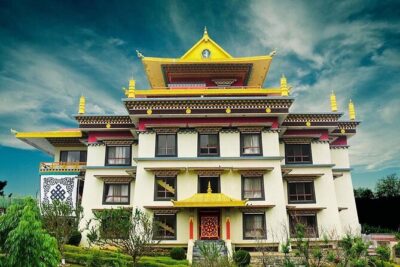
Manaslu is Nepal’s serious trekking country, and it’s popular for a reason—but the Manaslu Circuit is still the sort of route that feels less like a conveyor belt. You’ll spend your time in smaller villages where prayer wheels, mani walls, and Buddhist-influenced culture show up naturally along the trail. It’s not staged. It’s part of daily life.
I also like the way the trek balances wilderness time with cultural contact. You’re not just walking from one view to the next. You’ll pass through places like Namrung, Lho, and Sama Gaon—small settlements where the trail energy shifts from forested walking to higher, colder terrain.
You can also read our reviews of more private tours in Kathmandu
Price and what you truly get for about $1,500
At $1,500 per person for roughly 13 days, the value is strongest if you want the heavy logistics handled: permits, guide, food plan on the trek, and the “how do we get there” part.
Here’s where your money goes:
- Transport: Kathmandu to Machha Khola by bus, and Dharapani back to Kathmandu by bus
- Guide and safety basics: a professional, government-licensed trekking guide (with insurance and food), plus a well-equipped first aid kit and oximeter
- Lodge support: tea house / lodge accommodation during the trek
- Permits: Manaslu Restricted Permit, Manaslu Conservation Area Permit (MCAP), and Annapurna Conservation Area Permit (ACAP)
- Key gear if you need it: sleeping bag, down jacket, and duffle bag if necessary (they’re returned after the trek)
- Food on the trail: breakfast (13), lunch (13), dinner (12), plus a farewell dinner on the last night in Kathmandu
What’s not covered (and worth budgeting for):
- Kathmandu meals and all drinks during trekking (hard and soft drinks)
- Porter (your bag strategy is on you unless your trek setup includes someone through your operator—your listing doesn’t say porter is included)
- Personal travel insurance and any rescue/evacuation costs
- International airfare and visa fees/taxes
- Tips for the guide and porters
One more practical point: because this is a restricted trekking area, you’ll need at least two people to book. That’s not a dealbreaker, but it does affect solo plans.
Before you start: fitness, altitude, and gear decisions
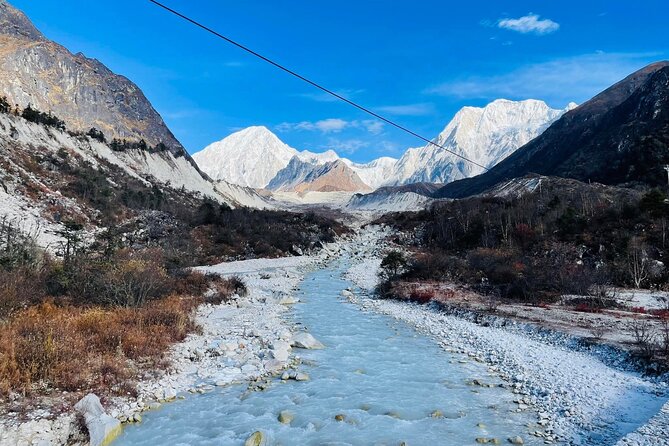
This trek is for people with moderate physical fitness. The schedule includes some days with shorter walking hours, but the altitude trend is steady and the Larkya La crossing is the big test.
Your max altitude is listed as 5,160m (Larkya La Pass). Even with acclimatization, you should treat that day like the centerpiece of the whole trip, not an afterthought.
Gear-wise, you’re not totally on your own. You can get a sleeping bag, down jacket, and duffle bag if necessary, then return them after the trek. Still, you’ll want to bring your own personal layering system (base layers, warm mid-layer, gloves, hat), good socks, and boots you know work for multi-day trekking—because “provided jacket” doesn’t mean “you’re ready for any weather.”
The itinerary, day by day: from Machha Khola to Dharapani
Below is what each day is doing, not just where you sleep. I’ll also call out the likely tradeoffs.
Day 1: Kathmandu to Machha Khola (around 1,400m)
You drive from Kathmandu toward Machha Khola, the start point of the trek. Expect a long day of travel time (about 7–8 hours), and a low start altitude that helps your body ease into the rhythm.
Consideration: travel days can make you feel “not ready” even when you are. This is a good day to keep expectations simple: rest, eat, and don’t overpack your energy.
You can also read our reviews of more hiking tours in Kathmandu
Day 2: Machha Khola area to Jagat (around 1,410m)
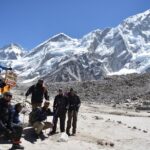
You walk about 6–7 hours on a trail that’s described as narrow and includes a crossing over the Tharo Khola. You’ll reach Khorlabesi, and there’s a hot spring along the way, which is a nice reset after the day’s push.
Drawback to plan for: narrow trail segments mean you’ll move carefully. If you’re rushing, you’ll burn energy without saving time.
Day 3: Jagat toward Pewa (around 1,860m)
Another walking day (about 7 hours of travel time is listed, with trekking underway) that lifts you higher. This is where the scenery starts to feel more “high valley” and less lowland, and you’ll likely notice colder air as the elevation climbs.
What to watch: keep your pace smooth. The goal is to arrive tired, not wrecked.
Day 4: Pewa to Namrung (around 2,630m)
You leave Pewa after breakfast and trek toward Namrung (around 2,630m). This day is described as another scenic trek, and the altitude jump means you’ll feel the day working a little harder.
Tradeoff: more altitude, often cooler nights. Bring layers you can actually manage while walking.
Day 5: Namrung toward Lho (around 3,180m)
Day 5 is listed as a shorter trekking day (about 4 hours), but it’s still a big step up to around 3,180m. Shorter walks at higher altitude are usually a clue: it’s part of keeping you functional for the days ahead.
Tip: use the time. Relax, hydrate, and get an early start if the morning air is cold.
Day 6: Lho to Sama Gaon (around 3,530m)
You move to Sama Gaon (around 3,530m). This continues the transition from village trekking into more exposed, higher-feeling routes, and the air is likely thinner than at the start.
Consideration: don’t treat Day 6 like a day off. Your body is still adapting.
Day 7: Acclimatization day near Manaslu Base Camp (around 4,400m)
You reach Manaslu Base Camp area (around 4,400m) and use the day mainly to acclimatize. These are the kinds of days that make or break how you handle the rest of the circuit.
Why it’s valuable: you’ll likely spend time resting and adjusting, not sprinting. This reduces the temptation to push too hard later.
Day 8: Base camp area toward Samdo (around 3,690m)
You trek for about 4–5 hours to Samdo (around 3,690m). The route descends toward the Budhi Gandaki River and heads back toward Manaslu Base Camp trail segments (the schedule mentions the Larkya La trail route).
Tradeoff: even when you descend, cold can still feel sharp. Keep moving steadily, and don’t let wind drain your energy.
Day 9: Samdo acclimatization and a hike toward trade pass views (around 3,690m)
You spend the day in Samdo for acclimatization. The plan includes exploring the village and a hike up the valley to one of the trade passes to Tibet, with excellent views.
Good to know: this is a “flex” day in spirit. If you’re feeling strong, hike; if not, you still have village time. The point is adjustment, not athletic bragging.
Day 10: Samdo toward Dharamshala / Larkya base area (around 4,460m)
Trek about 4–5 hours toward Dharamshala (around 4,460m). The itinerary mentions crossing a wooden bridge over the Budhi Gandaki and crossing two streams.
Practical note: bridges and stream crossings can slow you down. Use them as calm pacing moments rather than something to rush through.
Day 11: Larkya La Pass day (around 5,160m)
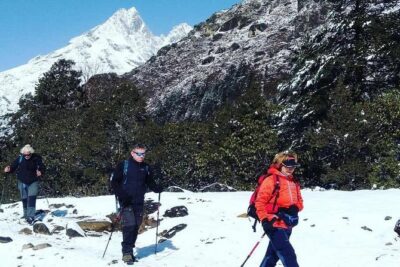
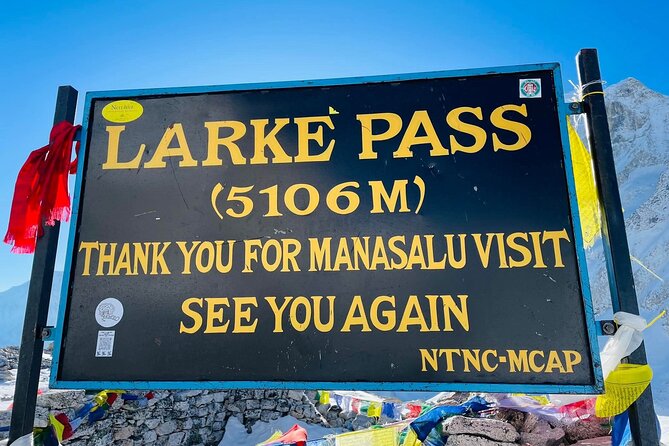
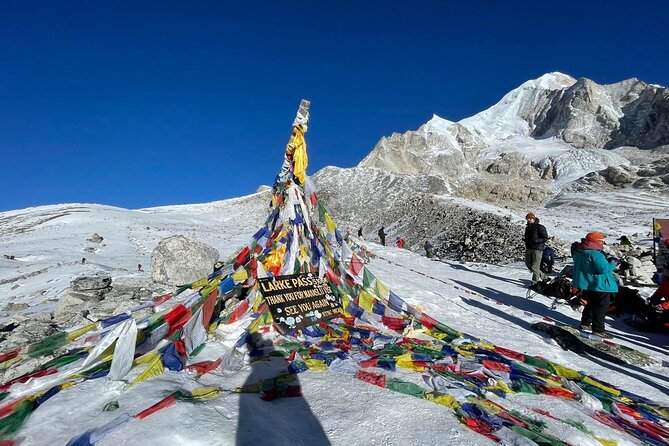
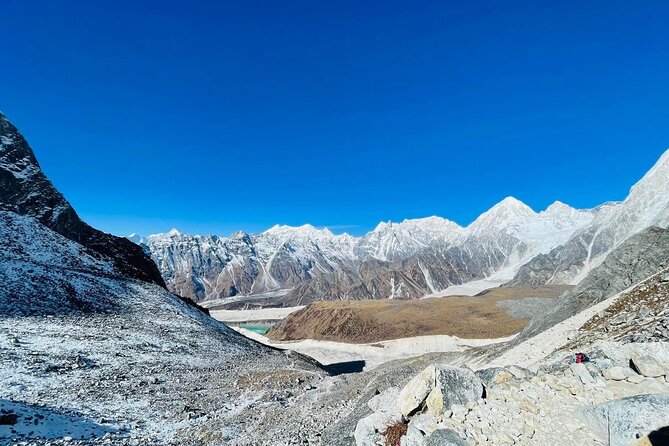
This is the high day. You walk about 7–8 hours and reach Larkya La Pass (5,160m), then continue toward the pass area (listed as Larkya Phedi or Larkya Base Camp). There are views of Cho Danda and Larkya Peak, and the trail passes through moraines of glacial terrain.
The main consideration: plan for cold, fatigue, and the fact that your breathing will feel different. The best strategy is steady movement and short, controlled bursts rather than big heroic steps.
Day 12: Descent toward Bimthang (around 3,720m)
You trek/transition after the pass to Bimthang (around 3,720m). The itinerary lists travel time (about 9 hours), which signals a longer effort day focused on getting you down and re-settled.
Drawback: after a pass day, legs feel heavy. This is where a consistent pace and enough rest earlier in the trek pays off.
Day 13: Bimthang/Dharapani area and return to Kathmandu (around 1,963m)
You finish around Dharapani (around 1,963m), then travel back by bus (about 8–10 hours listed). You’ll be done with the trek and head toward the city.
What makes this day worth it: you finally get back to “normal” altitude while still feeling the emotional high of having crossed Larkya La.
The guide setup: pace control, safety tools, and team energy
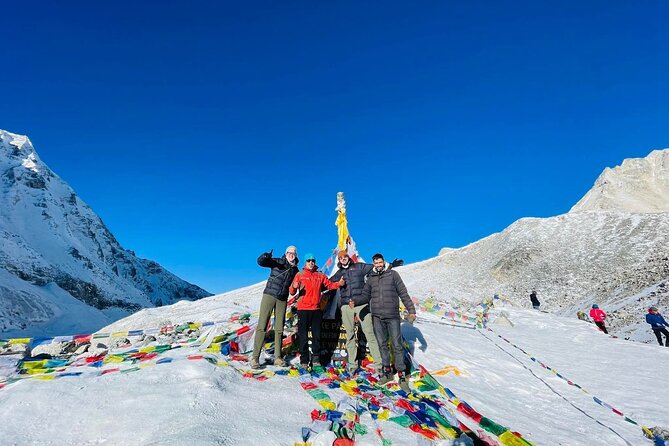
This is a private tour, so you’re not getting dumped into a giant mixed group. Your guide is a professional with government license and insurance, and they’re also listed as handling food needs for the trek period.
One thing I really respect is the inclusion of practical safety tools: a well-equipped first aid kit and an oximeter. At high altitude, having the ability to check oxygen saturation isn’t just “nice.” It supports smart decisions.
The human side matters too. In past trek experiences with guides named Yaka, the emphasis is described as caring, kind, and very tuned to your needs. Another guide, Raj, is praised for matching pace and keeping things comfortable and safe even when people wanted to walk fast. And an assistant named Laxman helped by carrying bags for the group, which reduced stress on the walking days.
Even if your exact team may differ, the pattern is consistent: you’re trekking with people who take pace seriously.
Lodges, food, and the comfort math you should expect
This trek uses tea house / lodge accommodation. That usually means small rooms, basic comforts, and common-sense heating/warming rather than luxury. The good news: your meals are largely covered on the trail.
You get:
- Breakfast for 13 days
- Lunch for 13 days
- Dinner for 12 days
- A farewell dinner on the last night in Kathmandu
What you’ll need to plan for:
- Kathmandu meals aren’t included
- Drinks during trekking aren’t included (hard and soft drinks)
If you like to sip hot drinks all day, or you want to grab extra snacks, budget for that early so you don’t start regretting choices halfway up the trail.
Also, since porter service isn’t listed as included, think through what you want to carry. Even with lodge support, you’ll likely be responsible for your day-to-day pack unless your trek setup adds a carrier. That’s not something to assume. It’s something to confirm before you leave.
Who should book this private Manaslu Circuit—and who should pause
This trek fits best if you want:
- A private experience with your own group only
- A route in Nepal’s restricted trekking zones with permits handled
- A trek built around acclimatization, not just climbing and hoping
- Village culture with Tibetan-influenced traditions along the way
- Tea house trekking where logistics are managed
You should think twice if:
- You’re very sensitive to altitude and cold, even with acclimatization
- You don’t budget for drinks and Kathmandu meals
- You’re counting on a porter being included (it’s not listed)
The minimum of two people for a restricted trek also affects planning. If you’re solo, you’ll need to confirm whether you can join the operator’s private structure with another person or arrange a pair.
Should you book the private Manaslu Circuit trek?
If you want a high-altitude trek that’s run with structure—permits handled, a licensed guide, acclimatization days in the middle, and a clear plan for the Larkya La crossing—this one makes a lot of sense. The price is easier to swallow when you see what’s included: conservation permits, most trek meals, lodge nights, safety basics like an oximeter, and key cold-weather gear if you need it.
My “yes, book it” checklist:
- You’re okay with moderate fitness plus sustained altitude effort
- You want a more quiet feeling than the most crowded routes
- You budget for the extras: drinks, Kathmandu meals, tips, and personal insurance
My “pause and check” checklist:
- Confirm your bag-carrying plan (porter isn’t listed as included)
- Make sure your travel insurance covers rescue/evacuation needs, since emergency helicopter service is arranged through insurance
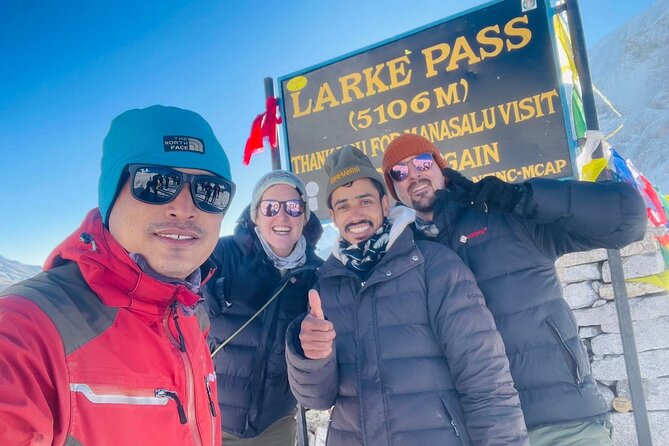
- Pack so you’re warm and steady on the 5,160m pass day
If you do those things, the Manaslu Circuit can be one of Nepal’s more satisfying trekking achievements: fewer crowds, real mountain country, and a route that treats your body like it matters.
FAQ
What is the duration of the Manaslu Circuit trek?
The trek is listed as 13 days (approx.), running from Kathmandu to Machha Khola by bus, then back to Kathmandu by bus after finishing near Dharapani.
What is the highest altitude on this trek?
The highest altitude listed is 5,160m at Larkya La Pass.
Are the permits included?
Yes. The package includes the Manaslu Restricted Permit, Manaslu Conservation Area Permit (MCAP), and Annapurna Conservation Area Permit (ACAP).
How do you get to and from the trail?
You’ll travel Kathmandu to Machha Khola by bus, and Dharapani back to Kathmandu by bus.
What kind of lodging and food are included during the trek?
You’ll stay in tea house / lodge accommodation. Meals on the trek include breakfast (13), lunch (13), and dinner (12).
Are drinks included during the trek?
No. All drinks during trekking (hard and soft drinks) are listed as not included.
Do I get a porter included for my bag?
A porter is listed as not included. You should plan based on your own bag needs, unless your operator confirms additional support for your group.
What gear is provided if I don’t have it?
The package can include sleeping bag, down jackets, and a duffle bag if necessary, and they are returned after the trek.
Is this trek truly private?
Yes. It’s listed as a private tour/activity, meaning only your group participates, and because it’s restricted, at least two people are required to book.