REVIEW · KATHMANDU
Private Half Day Tour in Kathmandu
Book on Viator →Operated by Cordial Trek Pvt. Ltd. · Bookable on Viator
Three hours can feel like a week.
This private Kathmandu Valley tour packs real UNESCO power into a short window, and it’s guided in a way that makes the place click fast. I like that you get a trusted local guide who explains what you’re seeing at Kathmandu Durbar Square and Swayambhunath, and I like the flexibility to choose which two UNESCO sites you’ll focus on. One drawback: the biggest monuments aren’t free, so entrance fees can add up quickly.
You’ll be picked up and taken around in an air-conditioned vehicle, which is a big deal in Kathmandu when the day gets warm or traffic gets weird. And at $40 per person (plus entrance fees), it’s a solid value if you want structure without losing the feel of being on the ground with locals. If you’re the type who wants to linger for hours in one place, you might feel a bit rushed—3 hours is meant to be a focused taste, not a long sit-down.
In This Review
- Key things to know before you go
- Choosing Your Two UNESCO Stops in Kathmandu Valley
- Price Reality Check: $40 plus entrance fees you should budget
- How the Half Day Runs: 3 Hours, Pickup, AC Ride
- Kathmandu Durbar Square: Newari Carvings and the Nautale Durbar
- Swayambhunath (Monkey Temple): Mahachaitya, Sacred Names, and 360° Views
- The Real Value: Guides Who Translate Culture (Nilakantha, Kamal, Kumar)
- What You Should Bring (So the Day Feels Easy)
- Who This Tour Fits Best (and Who Might Prefer More Time)
- Should You Book This Kathmandu Valley Half Day Tour?
- FAQ
- How long is the private half-day tour in Kathmandu Valley?
- What’s included in the $40 per person price?
- Are monument entrance fees included?
- Which UNESCO World Heritage Sites can I visit?
- Is this tour private or shared with other groups?
- Are food and drinks included?
- Can I cancel for a full refund?
Key things to know before you go
- Two UNESCO World Heritage stops in one half-day: you choose which pair you want to see.
- Private means it’s just your group: no shoulder-to-shoulder scramble to keep your pace.
- Entrance fees are extra: monuments entrance fees are listed at $20 per person.
- Guides make the difference: names like Nilakantha Acharya, Kamal, and Kumar show up in strong feedback.
- Air-conditioned transport + pickup: practical comfort for a 3-hour outing.
- Mobile ticket: less paper, easier to manage during the day.
Choosing Your Two UNESCO Stops in Kathmandu Valley
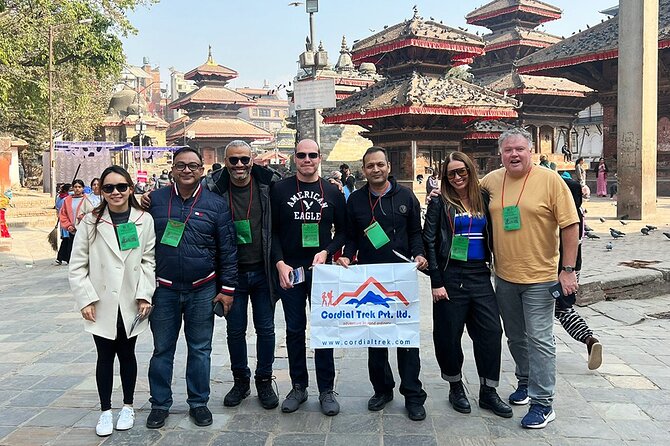
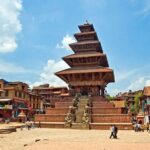
The biggest decision here is simple: you pick from three itinerary options, and each one takes you to two of the five UNESCO sites in Kathmandu Valley. The sites on the list are Kathmandu Durbar Square, Swayambhunath (Monkey Temple), Patan Durbar Square, Pashupatinath Temple, and Boudhanath Stupa.
That matters because Kathmandu is not a “one-size-fits-all” city. If you love palace courtyards and carved architecture, you’ll likely gravitate toward a Durbar Square option. If you want views and religious symbolism, Swayambhunath and Boudhanath tend to be the headliners. If you’re focused on Hindu religious life, Pashupatinath will pull you in.
In the itinerary you’ll commonly see booked, you start at Kathmandu Durbar Square and then head to Swayambhunath. Even in a short format, that combo gives you a good contrast: royal-era stonework and temple courtyards first, then a hilltop stupa site with a broad view over the valley.
Practical tip: when you choose your two sites, think about how much you enjoy stairs and viewpoints. Swayambhunath is a hilltop experience, so if you’re traveling with someone who tires easily, it’s worth planning that first stop thoughtfully.
You can also read our reviews of more private tours in Kathmandu
Price Reality Check: $40 plus entrance fees you should budget
The tour price is $40.00 per person for a half-day outing of about 3 hours. That price already covers the basics that make a tour feel worth it in Kathmandu: pickup, air-conditioned vehicle transport, and an experienced guide.
But the monuments entrance fees are not included. The listed entry cost is $20.00 per person. So in real-world budgeting, you should expect your paid total to land closer to $60 per person, before food.
Food and drinks are not included either. That’s normal for short city tours, but it still affects value. If you plan to grab snacks after the tour, set aside a bit of cash or be ready with payment options where you’ll eat.
The other value signal here is that it’s private, with group discounts mentioned. If you’re traveling as a small group, privacy can make the price feel more fair than group tours where you’re herded along.
How the Half Day Runs: 3 Hours, Pickup, AC Ride
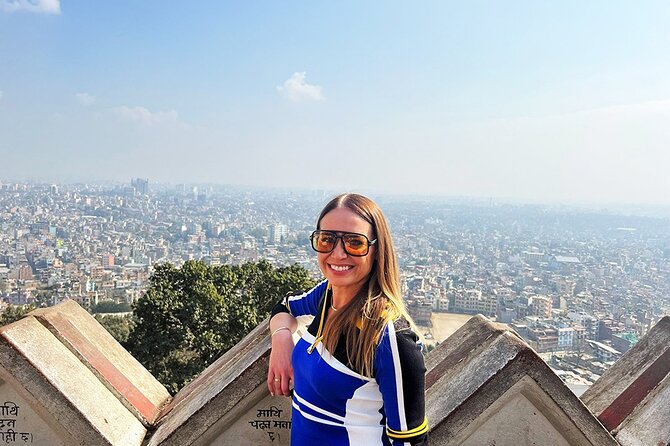
This is built around a 3-hour city tour format. That’s long enough to see two major sites and get meaningful explanations, but short enough that you stay alert instead of exhausted.
Here’s how to think about the flow:
- You get picked up (the tour says pickup is offered), then you transfer in an air-conditioned vehicle.
- You arrive at the first UNESCO site and spend enough time to notice details—facades, courtyards, major monuments.
- Then you move to the second site for your second “wow” moment.
- You finish with enough daylight left for your own exploring or lunch.
For your planning, the biggest thing is timing. Kathmandu sites can involve uneven steps and walking on stone or uneven ground. The tour duration doesn’t mention downtime, so you’ll want to dress and behave like you have a walk ahead of you.
What I’d do: wear grippy shoes, bring sun protection, and keep your day flexible. In cities like Kathmandu, travel time can stretch with traffic, so having a tour that’s designed for a tight half-day window is a good way to avoid losing your day to delays.
Kathmandu Durbar Square: Newari Carvings and the Nautale Durbar
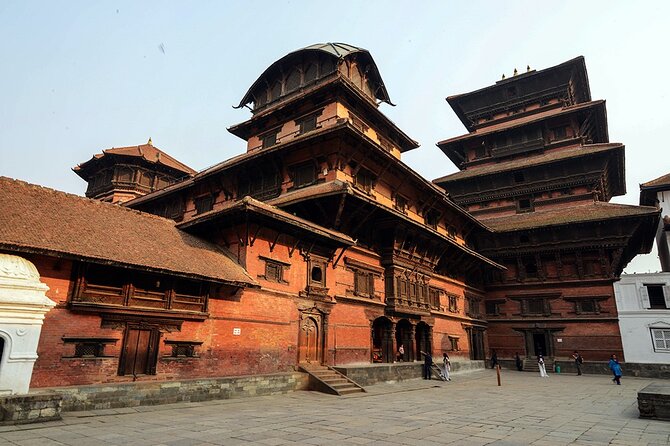
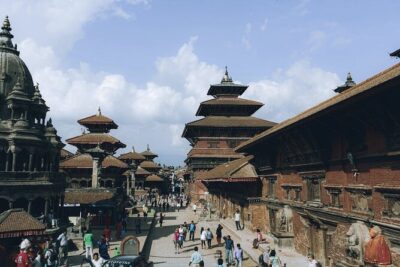
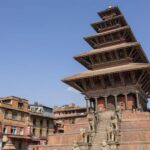
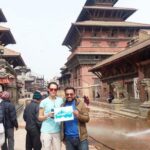
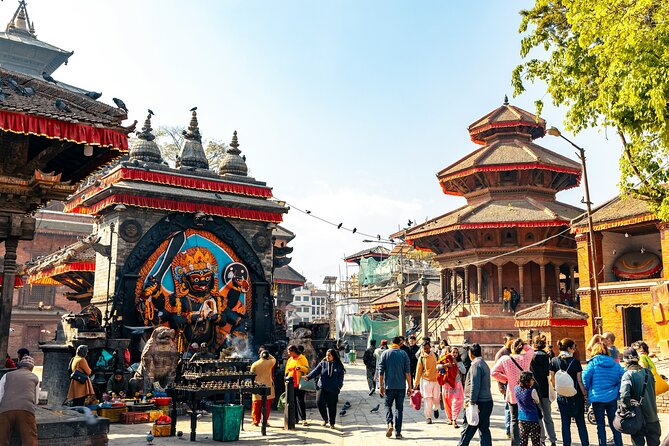
Kathmandu Durbar Square is one of the three Durbar Squares in the valley that are UNESCO World Heritage Sites. You’re stepping into a royal palace courtyard world, where the story runs across centuries.
A few things make this stop special:
- Construction began as far back as the third century, but major structures were added later.
- The outer complex has 16th-century temples built during the reign of Malla kings.
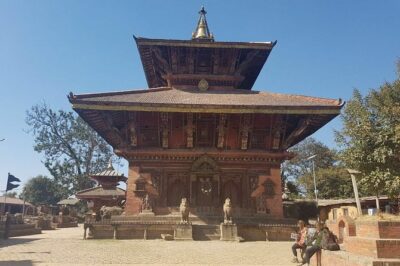
- The architecture is marked by meticulously carved facades tied to Newari design traditions.
- The central square is surrounded by palace complexes from the Malla and Shah periods.
- One of the best-known highlights is the Nautale Durbar, a nine-story palace built by Prithvi Narayan Shah.
When you’re there, try not to treat it like a checklist of temples. Let the layout guide you. Look at how the courtyards open and how the carvings frame entrances and key structures. These details are the point—Durbar Squares aren’t just buildings, they’re designed social space. People historically gathered here for ceremony, power, and community life.
If you care about context, a good guide is a huge advantage. In the feedback for this type of tour, guide names like Nilakantha Acharya came up for doing exactly this: teaching visitors what the buildings mean and why they look the way they do. That’s the difference between seeing stonework and understanding why it’s so famous.
Possible drawback to keep in mind: this kind of heritage site can be crowded depending on the time of day. If your group wants quiet photos and slow looking, plan for that reality and don’t assume you’ll always have a clean shot.
Swayambhunath (Monkey Temple): Mahachaitya, Sacred Names, and 360° Views
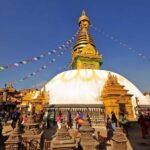
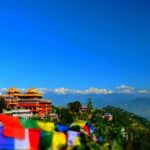
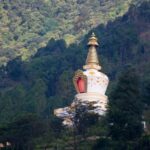
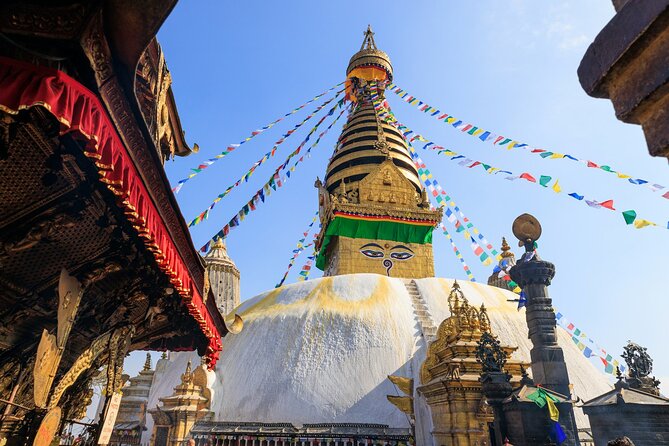
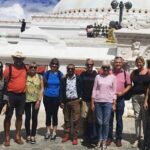
Swayambhunath is the second stop, and it’s often the one that gives you a stronger sense of the valley as a whole. The site centers on a large stupa called the Mahachaitya.
What makes this place culturally interesting is that it carries layered identities:
- The Tibetan name for the site means Sublime Trees, pointing to the variety of trees on the hill.
- The name Swayambhu is also tied to an origin meaning like self-sprung.
- For Buddhist Newars, Swayambhu holds a central role in mythological history and daily religious practice, and it’s described as the most sacred Buddhist pilgrimage site.
- For Tibetans and followers of Tibetan Buddhism, it’s said to be second only to Boudha.
- There’s also a Hindu name connection: the text notes it as a Hindu-named site as well.
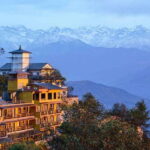
Then there’s the practical payoff: the hilltop provides a 360-degree view of the valley. Even if you’ve seen photos before, that kind of panorama helps you understand how Kathmandu’s heritage sites sit within the city’s geography.
A small planning note: because Swayambhunath is on a hill, the visit will feel like a walk-plus-stops experience. If you’re bringing someone with limited mobility, you’ll want to pace carefully. For most people, this is still very doable in half a day—especially if you’ve got a guide to help manage timing and routes.
If you’re a photo person, this is where I’d spend time. Not just on monuments, but on the city view. It’s the kind of thing that makes the rest of your Kathmandu time feel more connected.

The Real Value: Guides Who Translate Culture (Nilakantha, Kamal, Kumar)
A short tour lives or dies on the guide. For this Kathmandu Valley experience, the most praised aspect in the available feedback is how well guides explain what you’re looking at and how they adjust to what your group wants.
Three guide names show up repeatedly:
- Nilakantha Acharya: described as excellent, with tours that teach visitors so much about Durbar Square and Monkey Temple that the sites start to make sense, not just look impressive.
- Kamal: noted for patience, answering questions, and expanding on the history of each location in a way that you’d struggle to get alone.
- Kumar: praised for being very knowledgeable and informative, especially for learning a great deal in a short time.
Beyond facts, the other key point is customization. Some feedback highlights that the guide catered the tour to what the visitor wanted to see and took time for things like photos. That’s not just “nice service.” In a half-day format, customization helps you prioritize the details you’ll remember later.
If you like learning in a grounded, human way, this format fits. You’re not stuck in lecture mode. You’re walking through real sites, and the guide adds meaning at the moment you’re standing in front of it.
What You Should Bring (So the Day Feels Easy)
Nothing in the tour description says what’s provided beyond transport and a guide. So I’d plan like you’re responsible for your own comfort.
At minimum, have:
- Comfortable shoes for heritage stone and steps
- Sun protection (Swayambhunath in particular is a hilltop)
- A way to pay for entrance fees (since they’re not included and listed at $20 per person)
- Money for food and drinks afterward (also not included)
Also, because it’s private and you have a guide, it’s smart to show up with your priorities. If you’ve got a short list of questions—about the royal history at Durbar Square, or the layered religious meanings at Swayambhunath—write them down. You’ll get more out of your time.
Who This Tour Fits Best (and Who Might Prefer More Time)
This tour format is a good match if you:
- Have limited time in Kathmandu Valley and want two UNESCO sites without planning a full day
- Want a guided explanation that helps you understand what you’re seeing
- Appreciate the comfort of an air-conditioned vehicle with pickup
- Prefer a private setup where your group can set the rhythm
It might be less ideal if you:
- Want to spend a long, unhurried day inside one complex
- Don’t like any kind of walking or stairs, because both Durbar Square and a hilltop site like Swayambhunath involve movement
- Prefer total independence with no guide-led context
But for most first-timers, it’s exactly the kind of half-day that gives you orientation. You come away knowing what matters, what’s special, and where you might want to return later for slower wandering.
Should You Book This Kathmandu Valley Half Day Tour?
I’d book it if you want a fast, guided introduction to UNESCO heritage that doesn’t eat your whole day. With two major sites and a strong emphasis on explanation—especially from guides like Nilakantha Acharya, Kamal, and Kumar—it’s the kind of tour that helps you see more than the obvious photo spots.
There’s one decision you should make before booking: which two sites matter most to you. Once you pick your pair, the short 3-hour structure becomes an advantage rather than a limitation.
Also, plan ahead. The average booking timing is about 11 days in advance, so if you’re traveling during a busy season, don’t leave this for the last minute.
My bottom line: if you’re budgeting around $40 plus about $20 in entrance fees, you’re buying time saved, comfort with pickup/AC, and context you’d likely miss going on your own. For a first look at Kathmandu Valley, it’s a strong use of half a day.
FAQ
How long is the private half-day tour in Kathmandu Valley?
The tour duration is about 3 hours.
What’s included in the $40 per person price?
The tour includes an air-conditioned vehicle, an experienced tour guide, and a 3-hour city tour. Pickup is offered.
Are monument entrance fees included?
No. Monuments entrance fees are listed as $20.00 per person and are not included.
Which UNESCO World Heritage Sites can I visit?
You can choose from itineraries that visit two of these five UNESCO sites: Kathmandu Durbar Square, Swayambhunath (Monkey Temple), Patan Durbar Square, Pashupatinath Temple, and Boudhanath Stupa.
Is this tour private or shared with other groups?
This is private. Only your group will participate.
Are food and drinks included?
No. Food and drinks are not included.
Can I cancel for a full refund?
Yes. Cancellation is free, and you can cancel up to 24 hours in advance for a full refund. If you cancel less than 24 hours before the start time, the amount paid is not refunded.