REVIEW · BHAKTAPUR & PATAN DAY TRIPS
Bhaktapur & Patan Durbar Square Day Tours
Book on Viator →Operated by Himalayan Travel Consultant · Bookable on Viator
Four squares, one day, plenty to see. This tour is a focused walk through how kings once lived, with time to watch everyday life in Bhaktapur. I love the structured route through Bhaktapur’s Dattatraya, Taumadhi, and Durbar squares, and I love how the guide keeps the story clear and answers real questions. One thing to plan for: monument entrance tickets, food, and tips are not included, so you may need to budget extra once you’re there.
I also like that this is set up for comfort and sanity: a private air-conditioned vehicle, pickup offered, and a local English-speaking guide who can help you read what you’re seeing. With a 9:15am start and about 6 to 8 hours on the clock, it’s a good value day if you want Kathmandu Valley heritage without trying to piece together transport and directions yourself.
In This Review
- Key highlights at a glance
- Why Bhaktapur and Patan Durbar Squares belong on your Kathmandu day
- Meeting in Kathmandu: what the 9:15am start changes
- Bhaktapur’s three main squares: Dattatraya, Taumadhi, and Durbar
- Dattatraya Square: a good opening act
- Taumadhi Square: where courtyards and feel come together
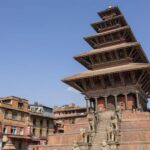
- Bhaktapur Durbar Square: the royal centerpiece
- Patan Durbar Square and its wood carvings and courtyards
- The Golden Temple stop: a 12th-century anchor
- Guide power: how Rajendra Manandhar turns questions into meaning
- Price and value: is $50 per person a fair deal?
- Transportation, group feel, and photo-friendly pacing
- What to budget for during the day
- Who this tour suits best
- Should you book Bhaktapur & Patan Durbar Square Day Tour?
- FAQ
- What time does the tour start?
- How long is the Bhaktapur & Patan Durbar Square day tour?
- What does the tour cost and what is the price per person?
- What’s included in the price?
- Are monument entrance tickets included?
- Is there free cancellation?
Key highlights at a glance
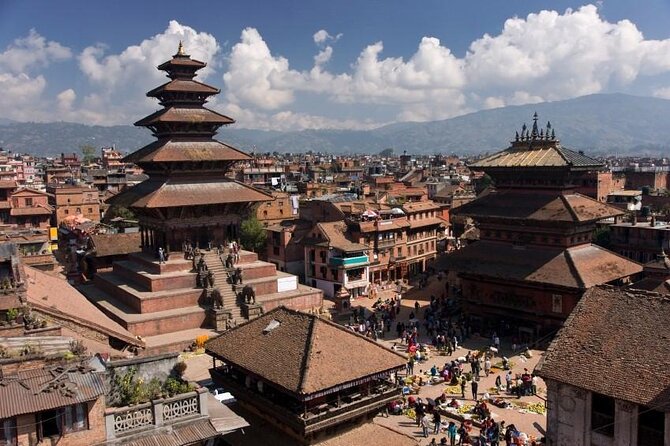
- Three Bhaktapur squares in one day: Dattatraya Square, Taumadhi Square, and Durbar Square
- Patan Durbar Square’s wood carving and courtyards, plus a look at monastery life
- Golden Temple visit with roots stretching back to the 12th century
- Local English-speaking guide who can explain the layers and answer questions
- Private setup with pickup and your group only, in an air-conditioned vehicle
- Tickets and meals are extra, so plan spending beyond the $50 tour price
Why Bhaktapur and Patan Durbar Squares belong on your Kathmandu day
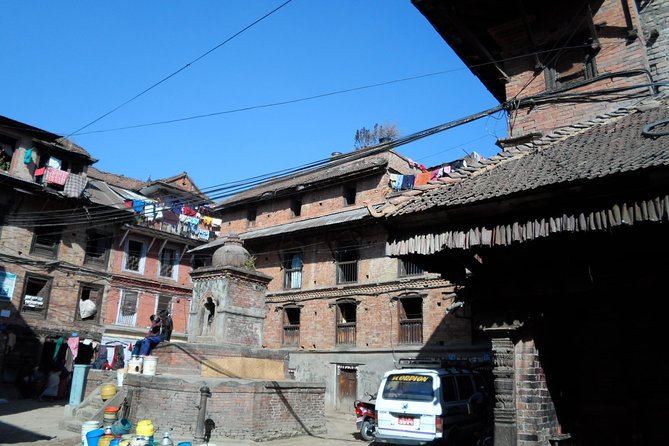
If you like places where you can still feel old power in the stones, this route makes sense. Bhaktapur and Patan are both known for their durbar squares and courtyard culture, where architecture wasn’t just decoration—it was part of how life worked.
What I like about combining the two is the contrast. In Bhaktapur, you’re guided toward the squares that help you picture how kings lived, while also picking up glimpses of how people live now. Then Patan shifts the focus to craftsmanship—especially wood carving—and the kind of carved courtyards where you can slow down and actually look.
This is also one of those days where a guide earns their keep fast. Without context, durbar squares can blur together into more temples and buildings. With the right explanations, you start noticing details: layout, symbolism, and why certain spaces matter.
You can also read our reviews of more tours and experiences in Kathmandu.


Meeting in Kathmandu: what the 9:15am start changes
The tour kicks off at 9:15am, and that matters more than you might think. A morning start helps you arrive before the day gets hot and before you’re dealing with peak crowds everywhere at once. It also keeps your day from turning into a late, rushed sprint across multiple sites.
You’re also set up with a private air-conditioned vehicle and pickup offered. That’s not just comfort. It means less time thinking about logistics and more time using your eyes and questions while your guide is fresh and focused.
This is a private tour/activity, meaning only your group participates. If you’re the type who likes asking follow-up questions, that one-on-one feel (within the group size) can make a real difference in how much you get out of each stop.
Bhaktapur’s three main squares: Dattatraya, Taumadhi, and Durbar
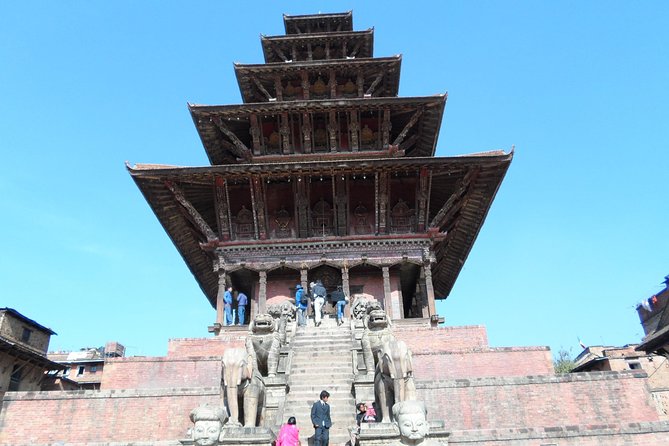
Bhaktapur is often where first-time visitors start to understand the Kathmandu Valley as more than a skyline view. Here, the story is lived-in stone. This tour routes you through three key squares, so you’re not just checking one landmark and calling it a day.
Dattatraya Square: a good opening act
You start with Dattatraya Square, one of the anchors in Bhaktapur. It’s the kind of spot where your guide can help you connect what you see to how royal life and public life intersected. Even if you don’t call yourself a history person, you’ll pick up what the spaces were for and how they were meant to work.
A practical tip: treat the first stop like a warm-up. Use it to find your footing—watch how people move through the square, and get your bearings before you start chasing details like carvings and temple elements.
Taumadhi Square: where courtyards and feel come together
Next is Taumadhi Square, which is especially good for slowing down. Courtyard culture is a big deal in these cities, and this stop helps you get used to reading those transitions: street to square, square to inner space, inner space to temple view.
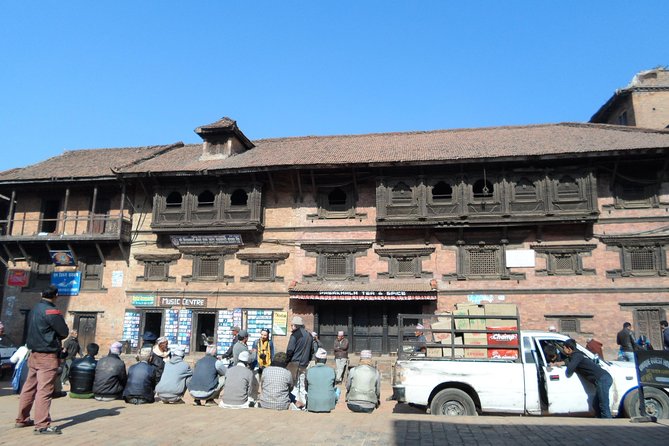
If you like street-level travel, this is where you’ll likely feel the daily rhythm of Bhaktapur rather than only absorbing big monuments. You’re not just touring a museum; you’re walking through a place that still works.




Bhaktapur Durbar Square: the royal centerpiece
Finally, you reach Bhaktapur Durbar Square, the main draw in the city’s layout. This is where the tour’s promise hits hardest: you get a real idea of how kings were lived, not in a vague way, but through the way the spaces are arranged and emphasized.
One consideration: durbar squares can be physically busy—steps, uneven surfaces, and constant looking up. If you want lots of photos, bring your patience. If you want fewer stairs and less climbing, tell your guide early and you can plan your pace.
Patan Durbar Square and its wood carvings and courtyards
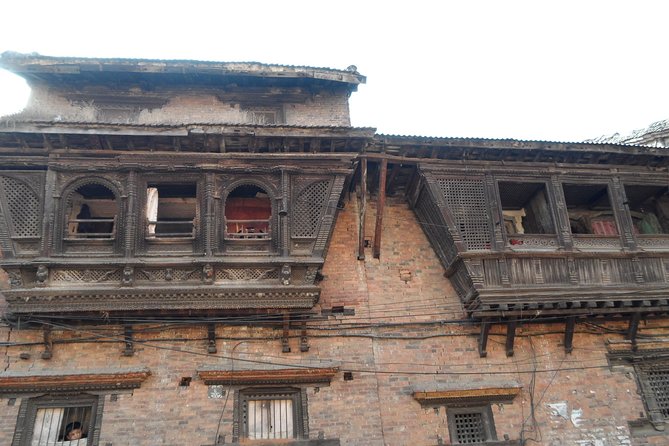
After Bhaktapur, the day moves to Patan Durbar Square, famous for wood carving and old courtyards. If you’ve ever looked at a carved column and wondered how anyone carved those shapes by hand, this is where you’ll get a more satisfying answer—at least visually.
Patan also has monastery life baked into the experience. The tour idea here isn’t just about seeing buildings. It’s about seeing the setting where religious and community routines overlap. That’s why the courtyards matter. They create the in-between spaces where daily life plays out alongside sacred spaces.
One of the best ways to enjoy Patan Durbar Square is to give yourself permission to stop. Don’t just walk through for the overview shot. Pause in the courtyard edges and let the guide explain what you’re looking at. You’ll get more out of the carvings when you know what to focus on.
Another practical note: wood carving details can be tricky to photograph if lighting is harsh or if you’re squeezed. If your group is photo-hungry, ask your guide to choose angles that avoid people blocking the frame.
The Golden Temple stop: a 12th-century anchor
The tour continues to the Golden Temple, noted here as dating back to the 12th century. Even if you’ve seen other temples around Kathmandu Valley, this stop has a different feel because it’s positioned as a historic anchor. It’s the kind of place where you stop thinking in hours and start thinking in centuries.
This part of the day is a good reset. After durbar squares and courtyards, the Golden Temple gives you a focal point where the architecture and atmosphere help you slow down again.
Since monument entrance tickets are not included, keep an eye on any on-site fees your guide mentions. If you’re trying to keep total spending predictable, ask early how much you should expect for tickets so you don’t get stuck later.
Guide power: how Rajendra Manandhar turns questions into meaning
The standout from the reviews is the guide experience, and specifically Rajendra Manandhar. People praised him for being kind and patient, and for being very knowledgeable in a way that stays practical instead of turning into a lecture.
What you’ll likely notice: he doesn’t just recite dates. He explains history with the goal of helping you understand what you’re standing in front of. That’s why random questions get welcomed instead of ignored. He also takes photos of the group, which is a small thing that makes a big difference—especially when you want pictures but you’re traveling with others.
If you want a guide to add value, don’t be shy. Ask about daily life, not just royal life. Ask what details mean in simple terms. That’s where tours like this become more than sightseeing.
Price and value: is $50 per person a fair deal?
At $50.00 per person, this tour lands in a price band that can feel surprisingly reasonable—mainly because you’re getting a private air-conditioned vehicle plus a local English-speaking tour guide. You’re not paying for a vague overview. You’re paying for transportation comfort and for someone to interpret what you’re seeing across multiple sites.
Now, the honest part: monument entrance tickets, food and drinks, and tips are not included. That means your final day cost isn’t just the $50. But if you plan for tickets and bring or budget for a meal, the overall value still holds up because you’re covering a lot of ground efficiently.
Duration is listed as about 6 to 8 hours, which is long enough to feel full without being so long that you burn out. It’s also consistent with a day that includes multiple squares and a Golden Temple visit—so you’re not just getting one stop and heading back.
Also worth noting: it’s booked far in advance on average (about 75 days). If your dates are fixed, don’t wait. This kind of focused day tour can sell out.
Transportation, group feel, and photo-friendly pacing
You have pickup offered and you travel in a private vehicle with air conditioning. For many people, that’s the difference between enjoying a heritage day and just surviving it. You can use the drive time to ask questions or review what your next stop will focus on.
Because it’s private (only your group participates), you’re less likely to feel like cattle. That’s great for people who want to pause, ask, and take a second look. It also tends to make it easier for the guide to manage photo moments—like getting group shots in locations where everyone can fit.
One small drawback to consider: since it’s private and guided, you may feel time pressure if you personally move slower or faster than the pace. The good move is simple—tell the guide your preferred pace right away. That helps keep the day comfortable instead of stressful.
What to budget for during the day
Here’s the practical side of what’s included and what isn’t, so you can plan your spending and avoid last-minute surprises.
Included:
- private air-conditioned vehicle
- local English-speaking tour guide
Not included:
- monument entrance tickets
- tips
- food and drinks
That last point matters. After a 6 to 8 hour day, hunger can hit fast. If you don’t want to spend extra in tourist pockets, plan a simple snack strategy. If you do want a sit-down meal, build in the expectation that the day might run a bit longer than you think—especially if your guide is coordinating ticket time.
If you’re the type who hates unexpected costs, ask your guide about ticket timing early. It keeps your budget steady and your schedule calm.
Who this tour suits best
This tour makes the most sense if you want:
- a guided day through durbar squares in both Bhaktapur and Patan
- help understanding what you see beyond the surface
- a comfortable day plan with a private vehicle
- photo moments handled by the guide (you won’t have to constantly hand your phone back and forth)
It’s also a good match for people who like the Kathmandu Valley as a living place. The tour is designed to show you how kings lived, yes—but also to observe local lifestyles in Bhaktapur. That combination gives you depth without making the day feel like a textbook.
If you’re traveling solo, a private guide can also be great value in practice, because you get context tailored to your pace. If you’re with family, the guided structure often keeps everyone together and reduces the decision fatigue of planning sites one by one.
Should you book Bhaktapur & Patan Durbar Square Day Tour?
If you want a one-day plan that covers major Kathmandu Valley heritage spots without juggling transport or guessing what’s important, I’d book this. The value equation is strong when you factor in the private air-conditioned vehicle and a real guide who explains clearly—especially with Rajendra Manandhar, who is specifically praised for patience and for answering questions.
I’d consider skipping or changing your plan only if you’re trying to keep your total spending locked to the headline price. Since entrance tickets and meals are not included, you’ll need to budget a bit more for the full day cost. Also, if you strongly prefer unguided exploring, you might feel guided pacing limits your freedom.
For the right traveler, though, this is exactly the kind of day tour that makes Kathmandu Valley feel understandable fast—without rushing through the details that make Bhaktapur and Patan special.
FAQ
What time does the tour start?
The tour starts at 9:15am.
How long is the Bhaktapur & Patan Durbar Square day tour?
The duration is approximately 6 to 8 hours.
What does the tour cost and what is the price per person?
The price is $50.00 per person.
What’s included in the price?
The tour includes a private air-conditioned vehicle and a local English-speaking tour guide.
Are monument entrance tickets included?
No. Monument entrance tickets are not included.
Is there free cancellation?
Yes, there is free cancellation. You can cancel up to 24 hours in advance for a full refund.