REVIEW · 1-DAY TOURS
Amazing 1 Day Trekking Experience in Kathmandu Nepal
Book on Viator →Operated by Shishir Thapa · Bookable on Viator
Stairs, temples, and valley views in one day. This is a private Kathmandu valley trek that starts with a ride up to Chandragiri, then swaps city noise for hillside paths, temples, and lookout moments at your own pace. What I like most is the Chandragiri cable car start (views right away), and the fact that lunch is included so you don’t have to figure out food mid-trek.
The one real consideration is physical: you’ll tackle uneven stairs and steep up-and-down sections. If you’re fit and used to climbing, it feels like a serious day workout with payoff at the top. If stairs make you nervous, plan on slowing down and leaning on your guide’s pacing.
In This Review
- Key highlights at a glance
- Why Chandragiri Feels Right for a One-Day Escape
- Price and What’s Actually Included in $130
- Morning Pickup and How the Day Flows
- Bhaleshwar Mahadev Temple: Cable Car to the Top
- Champadevi to Pharping: Temples, Pine Forests, and a Shift in Mood
- Taudaha Lake: Where the Valley Turns Quiet
- The Real Work: Uneven Stairs, Heat, and Footwear
- Guide Shishir Thapa and the History You’ll Actually Use
- Weather, Cloud, and Cable Car Changes
- Should You Book This Kathmandu Valley Day Hike?
- FAQ
- How long is the Kathmandu valley trek?
- What time does the tour start?
- Is pickup from my accommodation included?
- Is lunch included?
- Are the Chandragiri hill admission and cable car tickets included?
- Is this a private hike or a shared group tour?
- What’s included for water and fees?
- Do I need to tip the guide or driver?
- What should I do if the weather is bad?
- Can I participate if I’m not an expert hiker?
Key highlights at a glance
- Chandragiri cable car included with easy access to the main viewpoint area
- Temple stops built into the route so sightseeing is part of the climb
- Pharping’s monastery area on the way adds a different religious flavor to the day
- Taudaha Lake visit brings a quieter, more reflective break from walking
- Private trek pacing means you can pause for photos or rest without the group pressure
- Licensed guide (Shishir Thapa) helps you understand what you’re seeing, not just where to go
Why Chandragiri Feels Right for a One-Day Escape
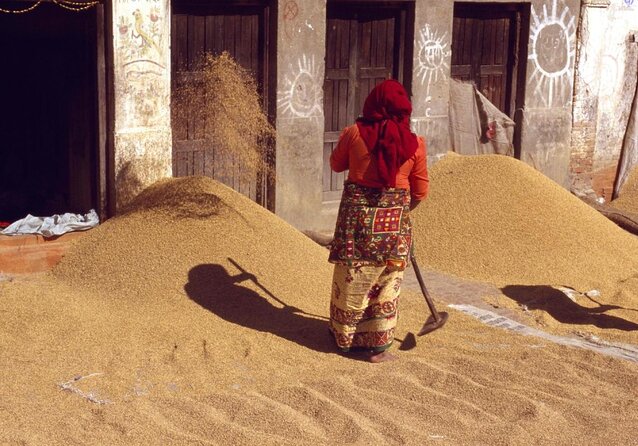
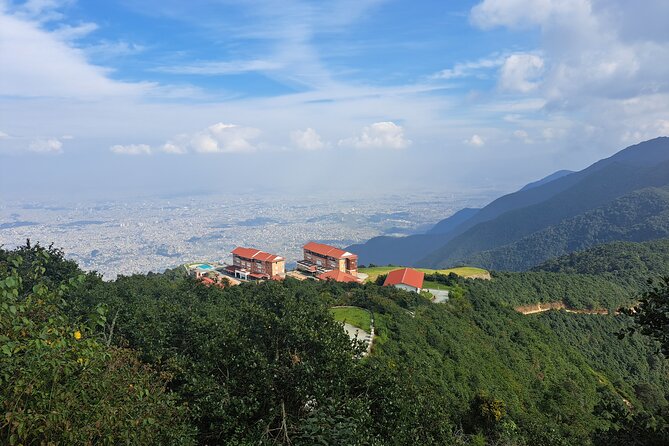
Chandragiri is one of the surrounding hills of the Kathmandu valley, and it’s famous for big viewpoints. The practical magic here is timing: you’re not spending all day just getting uphill. You start with a cable car ride to the Chandragiri temple zone, which means you get the dramatic “wow” earlier, then you spend the rest of the morning and afternoon hiking between hilltop and valley-edge stops.
The route also plays well with first-time visitors. You get a Hindu temple highlight, a second temple viewpoint stop, a trip through Pharping (a town with pine forests and monasteries), and then Taudaha Lake for a calmer finish. In other words, it’s not just walking for walking’s sake—you’re collecting scenes across the valley, with cultural stops along the way.
And because it’s private, the day doesn’t feel like you’re being marched. Your guide can help you choose when to push, when to rest, and how to handle the stair-heavy parts so they stay manageable.
You can also read our reviews of more hiking tours in Kathmandu
Price and What’s Actually Included in $130
At $130 per person for an approximately 8-hour outing, this can be good value because the price covers the stuff that usually adds up fast in Nepal: transport, entry/admission, and the Chandragiri cable car ticket.
Here’s what’s included:
- Private transportation to and from your Kathmandu accommodation area
- Lunch (veg or non-veg lunch pack from Hot Breads in Thamel)
- Entry for Chandragiri hill
- Cable car ticket
- Mineral water
- All fees and taxes
- Professional licensed guide
And here’s what’s not included: tips for your driver and guide (recommended).
To judge value, I look at whether the essentials are bundled. This one is: you’re paying for the day as a package, not piecing together tickets while you’re already tired. If you’ve ever done a half-day tour where the real costs hit at the last minute, you’ll appreciate how “covered” this feels.
Also note the trip includes a mobile ticket and mentions group discounts. The hike itself is private for your group, so you get personal pacing, even if you come as part of a larger party.
Morning Pickup and How the Day Flows
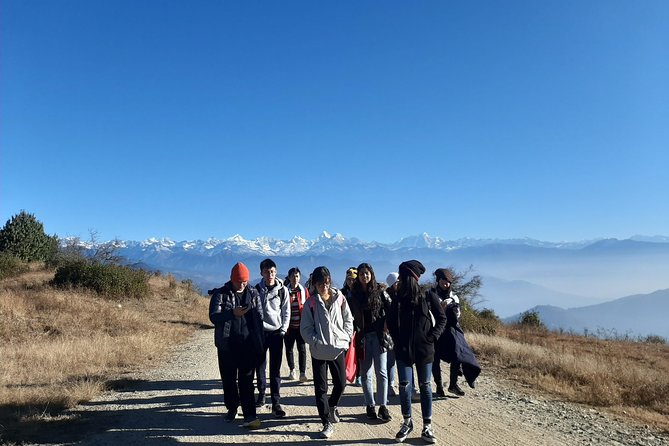
The start time is 8:30 am, and pickup is offered, so you’re not left figuring out how to get out to the hills on your own. The day is built to fit into one work-free block—around 8 hours total, including time for walking, temple stops, and breaks.
You’ll move through several distinct phases:
1) Ride up and enter the temple area
2) Short stops along viewpoints and hilltop temples
3) Continue hiking down-and-around toward Pharping
4) Finish with Taudaha Lake and the return
The practical advantage of this structure is that you’re never “stuck” in one long blur of stairs without any mental reset. You get frequent scene changes, plus brief time buffers at stops (the schedule includes around 30 minutes at the temple/viewpoint stops and about 15 minutes at Taudaha).
If you get motion-sick or feel wiped out by frequent transitions, plan on taking it easy early. Wear comfortable shoes right away. Your legs will do the talking later.
Bhaleshwar Mahadev Temple: Cable Car to the Top
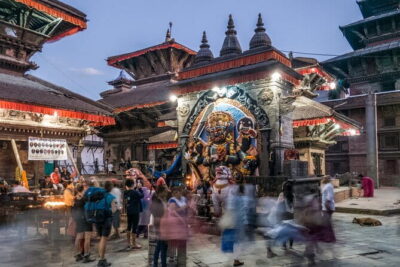
Bhaleshwar Mahadev Temple sits at the top of the Chandragiri hill area, and it’s one of the well-known Hindu temples in the Kathmandu region. The big advantage of starting here is that you get a temple setting right after the cable car ride, so you’re not just arriving for a view—you’re arriving into a place people actually worship.
Expect a strong sense of activity around the temple zone. It’s a spot that draws hundreds of Hindus daily (so you’ll see everyday faith, not just tourist posing). There’s also time built in—about 30 minutes—which is enough to take in the setting and ask questions without feeling rushed.
What I especially like about this part of the day is the history layer you can tap into through your guide. With licensed guide Shishir Thapa, the focus isn’t only on directions. You’ll get context for what you’re seeing, and that makes the temple stop feel more meaningful than a quick photo stop.
Drawback-wise, temple areas often come with crowds and uneven ground near points of interest. Comfortable footwear helps you move confidently without worrying about slipping or tripping.
Champadevi to Pharping: Temples, Pine Forests, and a Shift in Mood
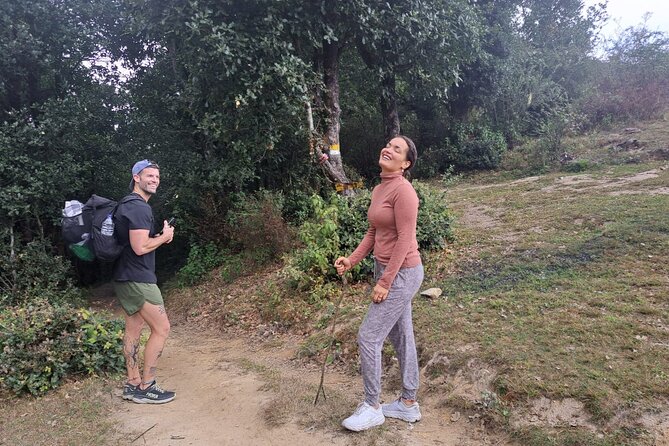
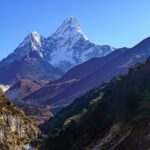
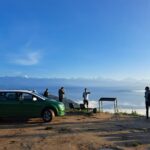
After Bhaleshwar, you keep hiking through the Chandragiri hill surround. One highlight stop is Champadevi, a small Hindu temple that also serves as a viewpoint. You’ll spend about 30 minutes here, which is perfect for a slow look over Kathmandu city with mountains in the background if visibility is good.
Champadevi matters because it breaks up the day’s rhythm. Instead of only climbing or only descending, you get a natural pause at a hilltop. It’s also a reminder that the Kathmandu valley isn’t flat—even when you’re “just” sightseeing, you’re moving through different elevation pockets.
Then the route heads toward Pharping, a town in the southern core of the Kathmandu valley. Pharping has a different vibe from the hilltop temple area: more green surroundings and the feel of pine forests, along with famous Buddhist monasteries. The trip around Pharping gives you religious variety in a way that’s integrated into the hiking route, not tacked on as a separate tour.
You’ll have about 30 minutes there. That timing isn’t about doing everything—it’s about getting a taste and letting the change in atmosphere land: Hindu temple zones, then Buddhist-monastery surroundings, then eventually back toward quieter nature.
If you’re hoping for panoramic views at every turn, understand that visibility can vary. Cloudy or hazy conditions can soften mountain views. Still, the walking and the cultural pacing hold the day together.
You can also read our reviews of more tours and experiences in Kathmandu
Taudaha Lake: Where the Valley Turns Quiet
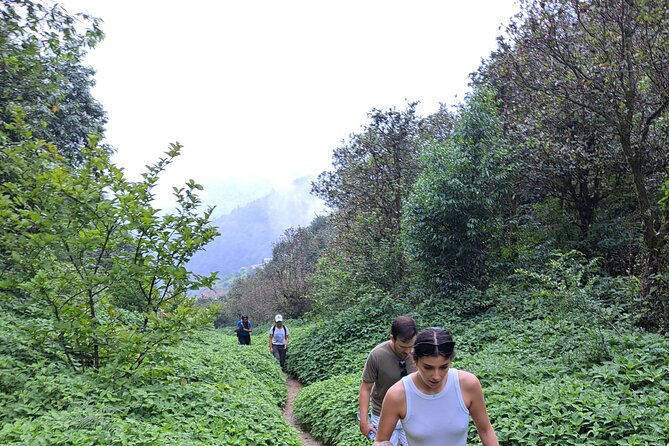
The last major stop is Taudaha Lake, with about 15 minutes set aside. It’s described as the oldest lake in Kathmandu valley, and it’s treated as a memorial lake tied to the valley’s ancient past—when Kathmandu valley was historically a large lake before human civilization transformed it.
That makes Taudaha a nice emotional contrast to the stair-heavy hill sections. You go from climbing and temple atmosphere to something more still. The time is short, so think of it as a “pause point” rather than a long lakeside hang.
If you’re traveling with someone who doesn’t love long hikes, this stop can be a sanity-saving break. Even for fit hikers, it’s a good place to slow down, sip included mineral water, and let your legs reset before you head back.
One tip from the reality of the day: when you’re tired, you don’t always notice details. Make a small effort here to look around—some of the day’s best moments are in the quiet pauses, not only at the highest viewpoints.
The Real Work: Uneven Stairs, Heat, and Footwear
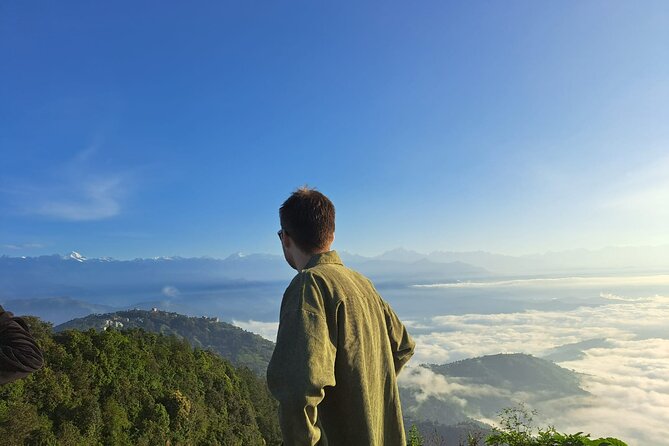
This trek lives up to the reputation of being challenging in a very specific way: a lot of up-and-down steps. The terrain can be uneven, and you’ll spend time climbing and descending more than you might expect for what’s marketed as a one-day activity.
Comfortable shoes are not optional here. Think traction and cushioning, because you’ll be stepping on irregular surfaces while you’re tired. I’d also take a practical lesson from the day’s feedback: bring water and plan to drink early, not only when you feel thirsty.
June in Kathmandu can be hot and hazy, and visibility for mountain views isn’t guaranteed. That’s not a problem with the route—it’s just weather. If it’s hot, your job becomes finishing comfortably rather than forcing perfect photos.
The good news: the pace is flexible because this is private. If you need to stop every few minutes, your guide can adjust. The goal is steady effort, not hero speed.
Guide Shishir Thapa and the History You’ll Actually Use
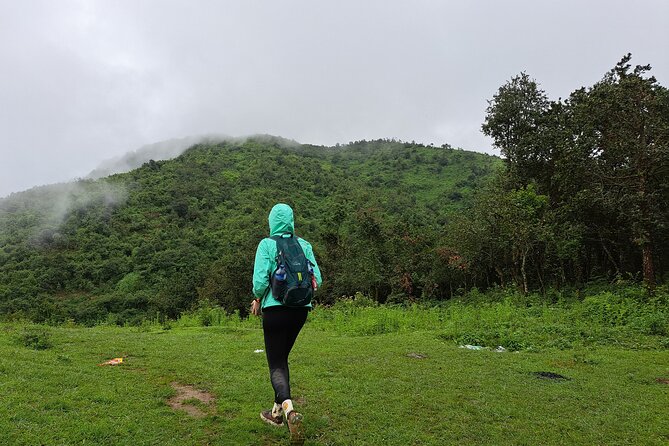
A big reason this experience scores highly is the guide connection. Your guide here is Shishir Thapa, and his style comes through in how he handles both practical pacing and explanation.
You’ll get details about the Bhaleshwar Mahadev Temple’s context, and your guide also connects what you’re seeing to the broader Hindu and Buddhist worlds around Kathmandu. That’s important because temples in the Kathmandu valley aren’t just scenery. They’re places where people practice, and understanding the why makes the visit click faster.
There’s also the “comfort factor.” Feedback highlights that Shishir can be patient and encouraging—especially helpful if stairs are challenging or if you want time to rest. In a day trek, a good guide isn’t a luxury. It’s the difference between white-knuckling the descent and finishing the day feeling proud.
Weather, Cloud, and Cable Car Changes
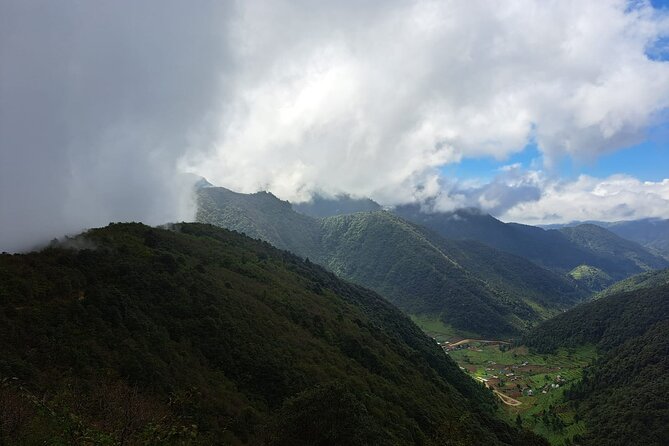
This experience depends on decent conditions. It requires good weather, and if it’s canceled due to poor weather, you should expect a different date or a full refund.
One more real-world possibility: cable car disruptions. A past experience included cable car closure due to damage, and the guide communicated clearly and offered an alternative plan (a sunrise and day hike option in another area). That tells me two things you’ll want to keep in mind:
- You should plan for the day’s schedule to be flexible if conditions change
- Having a guide who can think on their feet matters, especially when the cable car is part of the design
So don’t panic if the morning feels cloudy. The valley still offers walking, temples, and cultural stops. Just manage expectations about crisp mountain visibility.
Should You Book This Kathmandu Valley Day Hike?
I’d book this if you want a full day of variety without the stress of organizing tickets, transport, and route pacing yourself. The included cable car ticket, admission fees, lunch, and mineral water make it feel like a properly planned day—especially for a first visit to Kathmandu.
You should also book if you enjoy cultural stops paired with hiking. Bhaleshwar Mahadev, Champadevi, Pharping, and Taudaha Lake create a day that’s not repetitive. It’s also private, so you can slow down on the stairs without feeling like you’re holding anyone up.
Hold off or choose carefully if you know stairs are your weak spot. This trek is doable for many people, but it’s not a gentle stroll. If you’re comfortable climbing uneven steps and you pack water, you’ll get a strong payoff: viewpoints, temples, monastery-area scenery, and a memorable break from Kathmandu’s pace.
FAQ
How long is the Kathmandu valley trek?
Plan on around 8 hours for the excursion.
What time does the tour start?
The start time is 8:30 am.
Is pickup from my accommodation included?
Pickup is offered, and transportation is included as part of the experience.
Is lunch included?
Yes. Lunch is included as a veg or non-veg lunch pack from Hot Breads, Thamel.
Are the Chandragiri hill admission and cable car tickets included?
Yes. Entry/admission for Chandragiri hill is included, along with the Chandragiri cable car ticket.
Is this a private hike or a shared group tour?
This is private for your group. Only your group participates.
What’s included for water and fees?
Mineral water is included, and all fees and taxes are covered.
Do I need to tip the guide or driver?
Tips for your driver and guide are not included, and they are recommended.
What should I do if the weather is bad?
This experience requires good weather. If it’s canceled due to poor weather, you’ll be offered a different date or a full refund.
Can I participate if I’m not an expert hiker?
Most people can participate, but you should be ready for uneven stairs and steep sections. Comfortable shoes and water help a lot.