REVIEW · KATHMANDU
Discover Nepal’s Treasures: A 9-Day Private Tour
Book on Viator →Operated by KJ Adventure Nepal Private Limited · Bookable on Viator
Nepal’s variety hits fast and hard. This private 9-day route stitches Kathmandu’s temple circuit to Chitwan wildlife and Pokhara’s views, with the planning handled by KJ Adventure Nepal. I like that you get pickup and door-to-door transfers so you’re not juggling taxis and timetables on day one.
On the sightseeing days, you’re not just dropped at monuments. You’ll travel with an experienced English-speaking guide for Kathmandu and Pokhara, and Chitwan is led by a local English-speaking naturalist. I also like the hands-on Chitwan rhythm, including a canoe ride on the Rapti River and wildlife time that can include the rare Marsh Mugger crocodile.
One possible drawback: the tour includes lots of breakfasts, but lunches and dinners in Kathmandu and Pokhara are not included. It’s also a trip with multiple long drives, so you’ll want to arrive with decent energy and a flexible mindset.
In This Review
- Key things I’d circle before you book
- Kathmandu’s sacred circuit: Durbar Square, Swayambhunath, Pashupatinath, Boudhanath
- The road to Chitwan: a 5–6 hour transfer that earns its keep
- Chitwan jungle day: canoe on the Rapti River and time with a naturalist
- Pokhara transfer and that all-important decompression
- Sarangkot before sunrise: the 1,592m view plan
- Bhaktapur Durbar Square and Nagarkot: culture by day, hill views by evening
- Price and logistics: what $1,250 per person buys (and what it doesn’t)
- Who this private tour fits best
- Should you book this 9-day Nepal tour?
- FAQ
- Where does the tour start?
- Is there pickup from the airport or hotel?
- How long is the tour?
- Is this tour really private?
- Are guides included?
- What happens in Chitwan besides driving there?
- Is the Sarangkot sunrise trip included?
- What hotels are used?
- What meals are included, and what’s not?
- What’s not included in the price?
Key things I’d circle before you book
- Private transfers across major regions: Kathmandu to Chitwan to Pokhara and back, handled for you.
- English-speaking guiding on key days: Kathmandu (Day 2) and Pokhara (Day 6) are guided.
- Chitwan jungle activities with a naturalist: plus canoe time for bird watching and rare crocodiles.
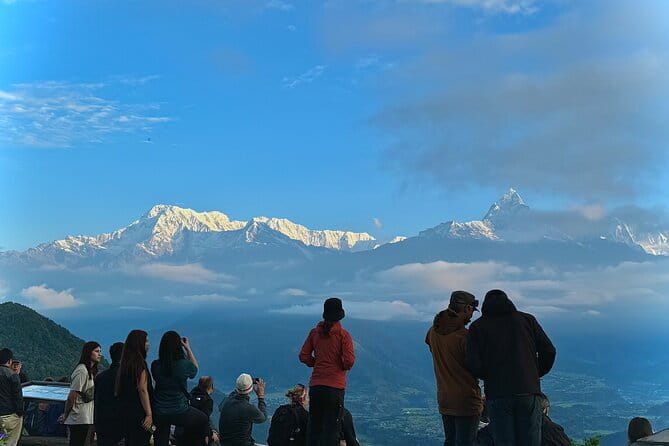
- Sarangkot sunrise planning: you’re up before dawn to target the big view from 1,592m.
- Real cultural stops, not just photos: Kathmandu Durbar Square, Pashupatinath, Boudhanath, Bhaktapur Durbar Square.
- Kunjan coordination: communication is described as easy and responsive before you arrive.
Kathmandu’s sacred circuit: Durbar Square, Swayambhunath, Pashupatinath, Boudhanath
If you only see one city in Nepal, Kathmandu still won’t be simple. This tour gives you a concentrated day that walks through Hindu and Buddhist Nepal side by side, with stops that feel connected even when the religions are different.
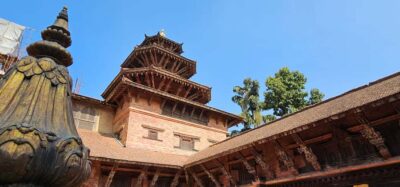
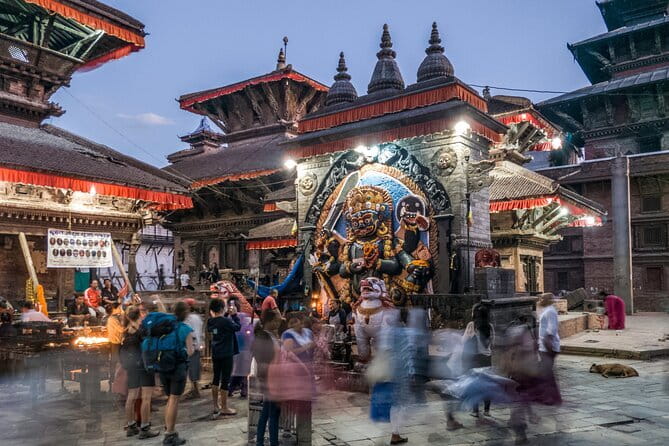
Start at Kathmandu Durbar Square, the historic seat tied to Nepal’s old royal power. The draw here is the cluster of temples and stonework that has survived political shifts, earthquakes, and changing dynasties. It’s a good place to get your bearings fast, because you’re immediately looking at the architectural language Nepal used for centuries to express devotion and authority.
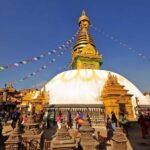
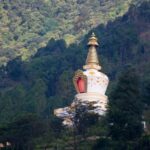
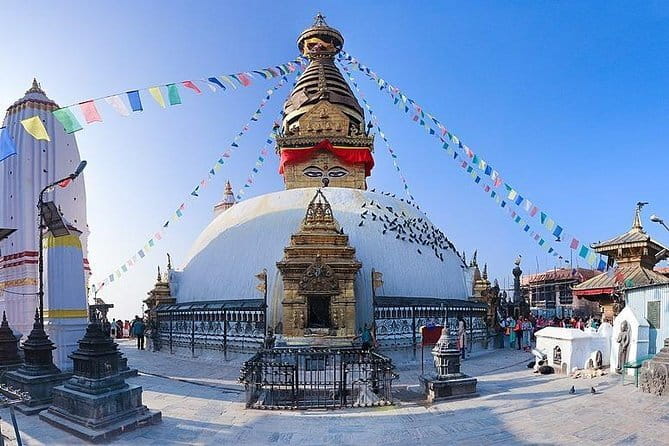
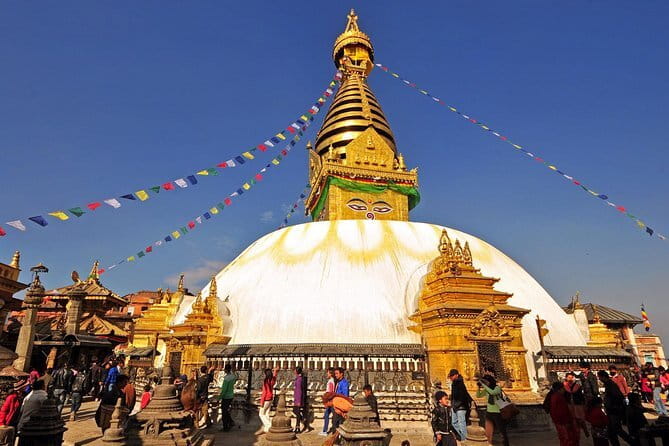
Then you head to Swayambhunath, a Buddhist stupa perched on a hillock. It’s famous for symbolism and ancient architecture, and the setup helps you understand why people call it one of the must-sees in Kathmandu. Expect to spend time slowing down—this one rewards looking up, not just walking through.
Next is Pashupatinath Temple, one of the holiest Hindu shrines in the region and described as the largest Hindu temple in South Asia. You’ll also see the distinctive presence of Shiva lingam imagery. This is where Kathmandu shifts from sightseeing to something more personal: the site feels active, reverent, and very much part of daily religious life.
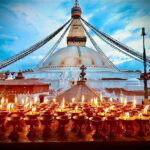
Finally, end at Boudhanath Stupa, widely considered one of the biggest and oldest Buddhist monuments in the world. It’s especially significant in Buddhist tradition, and the fact that this stop is on the same day as Pashupatinath makes the contrast (and connection) hit harder. If you want a day that explains Nepal’s cultural layers without requiring a long academic course, this is that day.
Practical note: your time at each stop is set, and you’ll be walking between them. Wear shoes you don’t mind getting dusty or scuffed, and keep water handy. The places are important, but the logistics are real.
You can also read our reviews of more private tours in Kathmandu
The road to Chitwan: a 5–6 hour transfer that earns its keep
Getting to Chitwan National Park takes a drive of about 5–6 hours via the Mugling-Narayanghat road. That’s not short, but it’s also not time wasted. The value here is that you’re not doing a chaotic half-day trying to switch modes of transport.
Along the drive, you’ll pass through the plains and scenery that changes as you leave Kathmandu’s hill setting behind. The package also sets you up for an efficient wildlife schedule once you arrive: you’re there, settled, and ready for the next day’s jungle activities.
One small thing to keep in mind: the day before Chitwan is generally lighter on major admissions, and the true action hits once you’re actually in the park zone. If you get motion sickness easily, consider bringing what works for you and don’t book this leg on an empty stomach.
Chitwan jungle day: canoe on the Rapti River and time with a naturalist
Chitwan is where the tour turns from monuments into motion. This is your full day in the wilderness, with regular jungle activities run with a local English-speaking naturalist, plus jungle entry fees included.
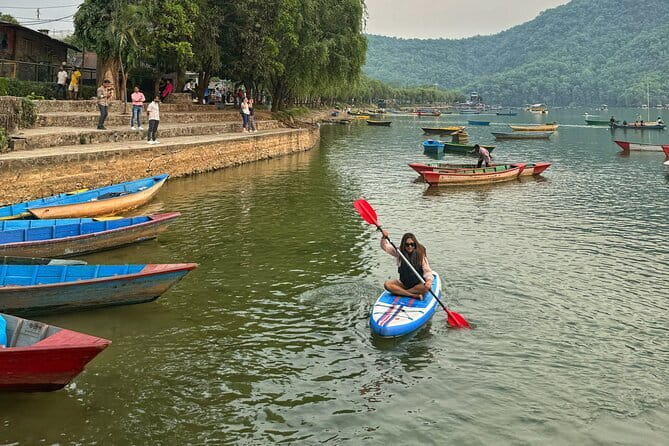
The highlight is the canoe ride along the Rapti River. This is built for bird watching, and the river approach changes how you spot wildlife—less searching, more observing. It also helps you slow your brain down. Jungle time isn’t about checking off a list; it’s about being patient.
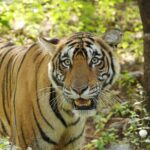
The tour also specifically includes wildlife watching that can include rare crocodiles, and the plan calls out the Marsh Mugger. You’re not shown a zoo-style guarantee here, but you are getting the right kind of guided environment that increases your odds of seeing what makes Chitwan special.
One extra detail I appreciate: the naturalist is local and English-speaking, which means you should be able to ask real questions and get real answers, not just a scripted tour line.
And yes, wildlife surprises happen. One previous guest even said they saw rhinos. That’s not something you should bank on, but it’s a reminder that Chitwan can deliver more than the obvious.
Pokhara transfer and that all-important decompression
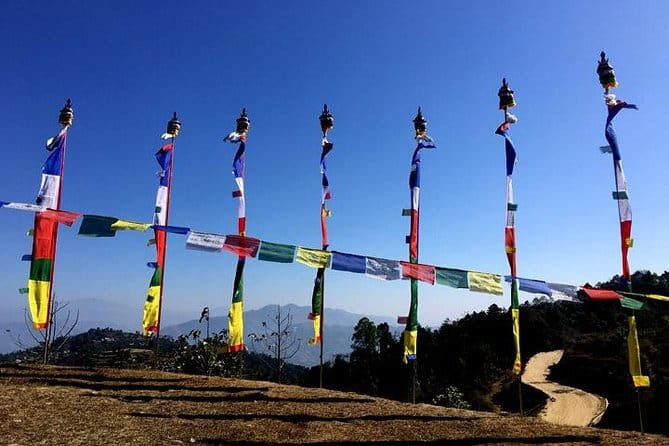
Pokhara is often the place where your trip starts feeling like a trip instead of a schedule. You’ll travel from Kathmandu by road for about 5–6 hours via the Prithvi Highway, and the ride is described as scenic, with terraced fields and green valleys.
When you arrive, the package keeps things practical: you’re checked into a 3-star hotel (twin share) with breakfast included. You’re also given time to reset before the sunrise mission at Sarangkot the next morning.
If you’ve been sightseeing hard in Kathmandu, Pokhara can feel like relief. Not because it’s empty, but because it gives you room to breathe. You’ll still be busy, just in a different way.
Sarangkot before sunrise: the 1,592m view plan
This tour’s early wake-up day is Sarangkot, at an elevation of 1,592m. You go before sunrise for a reason: this viewpoint is known for stunning sunrise viewing, and it’s built into the schedule so you’re not guessing your timing.
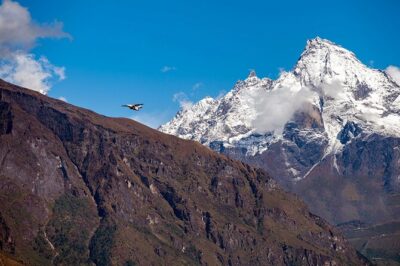
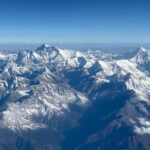
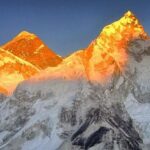
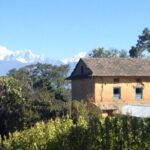
The attraction here is simple: you’re chasing light. Sunrise from a hill station changes everything—shadows, depth, and the way mountains cut across the sky. The tour description also mentions glimpses of the surrounding Himalayan views, so it’s a classic “start the day with your jaw open” kind of stop.
Practical advice: bring something warm even if the day looks mild when you left town. Hill mornings can cool down fast. Also, eat beforehand if you can, or plan for breakfast timing after you’re back. Cold + hungry can make sunrise feel like punishment instead of reward.
Bhaktapur Durbar Square and Nagarkot: culture by day, hill views by evening
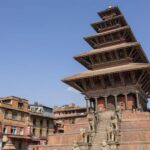
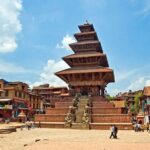
After you return to Kathmandu, you don’t just rest. The tour sends you to Bhaktapur Durbar Square, an ancient city area in the Kathmandu Valley’s eastern side. This stop is scheduled for about 3 hours and includes entrance fees.
Bhaktapur is known for its cultural strength, and the value of spending time here is that it feels less like a single famous monument and more like a living heritage zone. You’ll get a slower, more detailed feel than on the more compressed Kathmandu temple day.
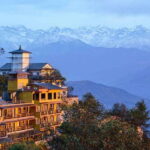
After Bhaktapur, the schedule drives you to Nagarkot, about 32 kilometers north of Kathmandu, a popular hill station for sunrise and sunsets. Here you stay overnight at Hotel Mystic Mountain, with breakfast and dinner included for that final night.
This is a smart pairing: cultural heritage first, then a viewpoint where the day ends with sky and light. It gives your brain a different kind of memory than temple stones and shrine courtyards.
Price and logistics: what $1,250 per person buys (and what it doesn’t)
At $1,250 per person for roughly nine days, the big question is value. Here’s what you’re getting that usually costs extra when you book everything on your own:
- Private surface transfers across Kathmandu, Chitwan, Pokhara, Kathmandu again, and Nagarkot.
- Accommodation in twin share rooms: 3-star in Kathmandu and Pokhara, Green Park Chitwan or similar in Chitwan, and Hotel Mystic Mountain in Nagarkot.
- Breakfast included for 7 days, with additional included meals: lunch 2 times and dinner 4 times (including a farewell dinner).
- Guiding on the most structured sightseeing days: an experienced English-speaking guide for Kathmandu and Pokhara.
- Chitwan entry fees and jungle activities with a local English-speaking naturalist.
- Entrance fees for Kathmandu and Pokhara sightseeing stops.
What’s not included is equally important:
- International airfare and the Nepalese visa fee.
- Travel insurance and rescue insurance.
- Lunch and dinner in Kathmandu and Pokhara.
- Tips for guide and driver, plus personal expenses.
So for whom is this price fair? If you want a guided, low-stress route with private driving and set costs for entrance fees and key activities, this can feel like good value. If you’re the type who loves public buses, don’t mind negotiating, and plan meals around your own schedule, you might be able to do it cheaper. But the time you save and the smooth handling can be worth real money—especially if it’s your first trip to Nepal.
A small logistics detail you’ll want ready: the tour starts at 8:00 am at Nepali Ghar Hotel (26 Amrit Marg, Kathmandu 44600), and the provider offers pickup at the airport or from your hotel in Kathmandu.
Who this private tour fits best
This is a strong match if you want:
- A private trip where only your group participates.
- Clear, structured days for the big-ticket sights: Kathmandu monuments, Chitwan jungle time, and Sarangkot sunrise.
- English-speaking guidance on the days that benefit most from interpretation.
- A mix of culture and wildlife without trying to build your own route from scratch.
It may not be the best fit if:
- You hate early mornings. Sarangkot is before sunrise.
- You want a lot of free time in each city. The schedule is active.
- You’re trying to keep food costs fully included. Kathmandu and Pokhara lunches and dinners aren’t covered.
If you’re traveling solo or as a couple, the “private for your group” setup can feel reassuring, and the coordination contact named in planning messages is described as responsive and organized, including airport transfer support.
Should you book this 9-day Nepal tour?
I’d book it if you want a first Nepal trip that’s organized without feeling mechanical. The combination of Kathmandu’s major spiritual sites, Chitwan’s guided nature day, and Pokhara plus Sarangkot hits the essentials without demanding marathon hikes or extra booking homework.
Book it with eyes open if budget food flexibility matters to you, since Kathmandu and Pokhara lunches and dinners are on you. Also be honest about your tolerance for driving days. Nine days is enough to see a lot, but it’s still nine days.
If you want a smooth “culture + wildlife + views” plan with private transfers and English-speaking guidance on the key days, this one is a solid choice.
FAQ
Where does the tour start?
It starts at Nepali Ghar Hotel, 26 Amrit Marg, Kathmandu 44600, Nepal, with a start time of 8:00 am.
Is there pickup from the airport or hotel?
Yes. You’ll be received by a representative of KJ Adventure Nepal at Tribhuvan International Airport or your hotel in Kathmandu, and then transferred to your hotel.
How long is the tour?
It’s a 9-day private tour, approximately.
Is this tour really private?
Yes. It’s listed as private, meaning only your group participates.
Are guides included?
Yes. The tour includes an experienced English-speaking tour guide for Kathmandu and Pokhara sightseeing on Day 2 and Day 6, and a local English-speaking naturalist for Chitwan jungle activities.
What happens in Chitwan besides driving there?
You get a full day of jungle activities, including a canoe ride along the Rapti River for bird watching and wildlife viewing, with entry fees included.
Is the Sarangkot sunrise trip included?
Yes. You start early before sunrise for an excursion to Sarangkot, a viewpoint at 1,592m known for sunrise views.
What hotels are used?
Kathmandu and Pokhara use 3-star category hotels with twin share rooms and breakfast. Chitwan is Green Park Chitwan or similar with all meals. Nagarkot includes Hotel Mystic Mountain with breakfast and dinner.
What meals are included, and what’s not?
Breakfast is included for 7 days. Lunch is included 2 times, and dinner is included 4 times (including a farewell dinner). Lunch and dinner in Kathmandu and Pokhara are not included.
What’s not included in the price?
International airfare, Nepalese visa fee, travel and rescue insurance, lunch and dinner in Kathmandu and Pokhara, personal expenses, and tips for the guide and driver.