REVIEW · NEPALI COOKING CLASSES
Kathmandu: Momo Making Class with a Local Chef
Book on GetYourGuide →Operated by Epic Adventures Private Limited (EAPL) · Bookable on GetYourGuide
Momo making in Thamel is messy, practical fun. You’ll learn how to shape and cook momos step by step, and the class runs as a small group so you’re not just watching. The one thing to keep in mind: you’ll want clothes you’re okay getting flour and steam on.
In this 1-hour session with an English-speaking chef/instructor, you go beyond the eat-only version. You mix dough, prep filling, fold dumplings, and cook them until they’re ready to eat. The payoff is simple: you taste what you made, right there in class.
If you’re tight on time in Kathmandu, this is a good hit of local food culture. And if you hate the idea of messy hands, you can still do it, but you’ll spend the whole time thinking about your sleeves.
In This Review
- Key Highlights You’ll Feel Right Away
- Why Momos Are Worth a Class in Kathmandu
- Finding Nepal Cooking School in Thamel (Paknjaol Marg Spot)
- The 1-Hour Flow: Dough, Filling, Folding, Cooking
- Start with the dough basics
- Build the filling
- Shape and fold the dumplings
- Cook the dumplings
- Ingredients and Techniques: What You’ll Actually Learn
- The Tasting Part: Your Dumplings at the Table
- Small Group Size and English Instruction: Better Than a Crowd
- What to Bring (So You Don’t Worry While You Cook)
- Value in Kathmandu: Skill for One Hour, Not Just a Meal
- Who Should Book This Momo Making Class
- Quick Practical Tips Before You Go
- Should You Book This Momo Making Class?
- FAQ
- How long is the momo making class?
- Where is the meeting point in Thamel?
- What will I make during the class?
- Is the class taught in English?
- How big is the group?
- Do I get to eat the momos I make?
- What ingredients are used in momo preparation?
- What should I bring with me?
- Is transportation included to and from the class?
- Is there free cancellation?
Key Highlights You’ll Feel Right Away
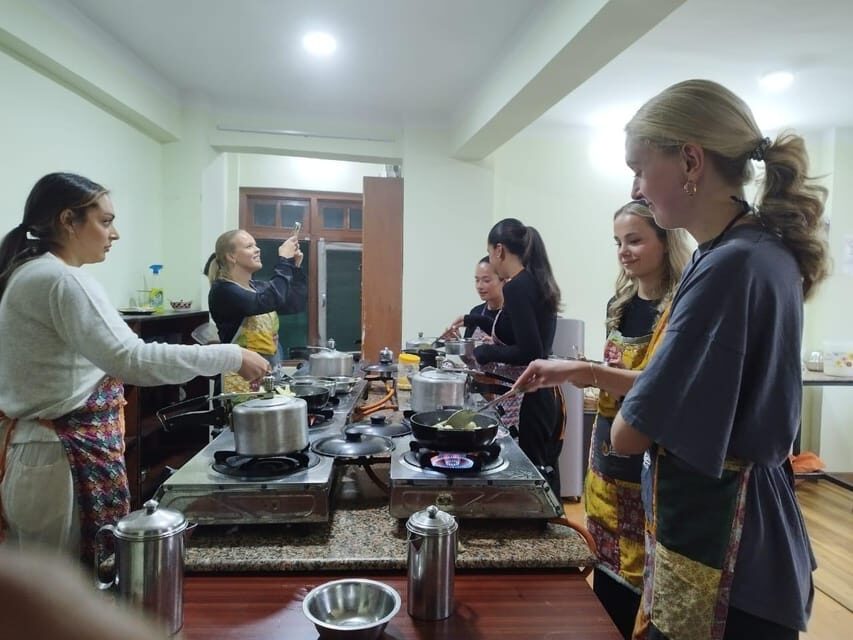
- Hands-on momo technique, from dough to folding and cooking
- Authentic ingredients, like flour, water, vegetables, spices, and meat if you’re not vegetarian
- Small group size up to 8 participants for more attention
- Cook, then eat immediately, with a meal featuring your dumplings
- English instruction, so the steps are clear from start to finish
Why Momos Are Worth a Class in Kathmandu
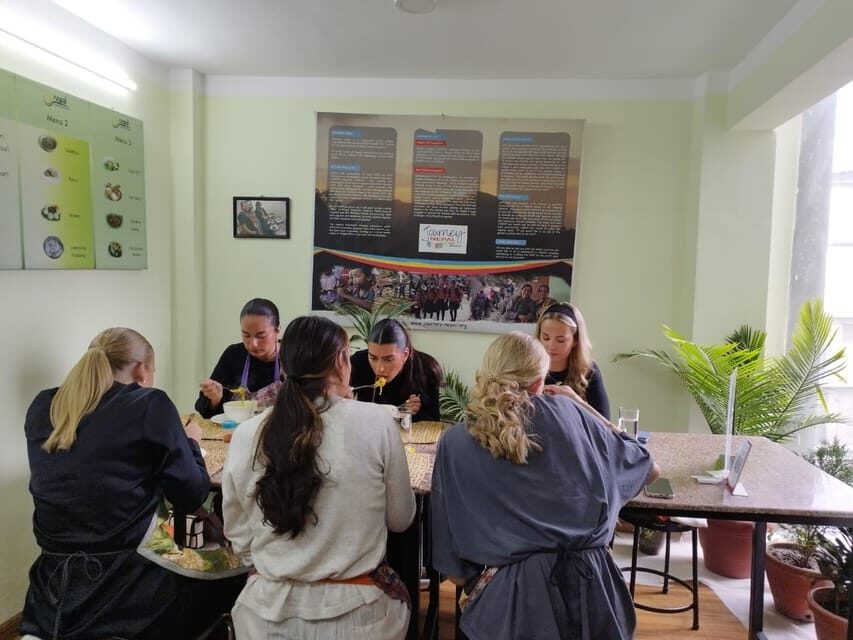
Momos are dumplings you’ll find across Nepal, the Himalayas, and up through Tibetan food traditions. In Kathmandu, they’re one of those foods that feels casual when you order them, but complicated once you watch someone fold the dough. That’s why a short class works so well here. You don’t need a full cooking weekend to learn the core steps.
I like this style of experience because it teaches the “how,” not just the “what.” You’re not just tasting. You’re learning the mechanics: dough texture, filling balance, and how the fold changes the final result.
You’ll also get a feel for local ingredient logic. Flour plus water becomes the foundation. Spices and seasonings do the heavy lifting in the filling. And vegetables and (if you choose non-vegetarian) ground meat give you the flavor engine. Once you understand that basic recipe structure, ordering momos later feels more grounded.
You can also read our reviews of more tours and experiences in Kathmandu
Finding Nepal Cooking School in Thamel (Paknjaol Marg Spot)
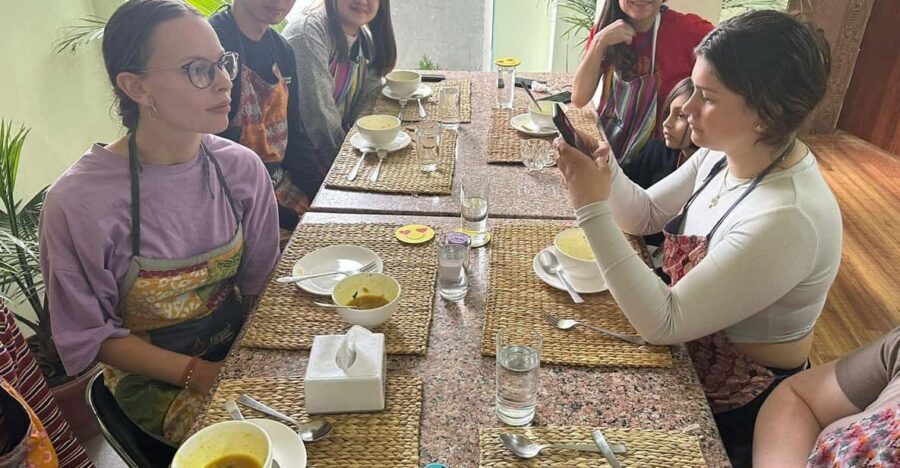
Your start point is in Thamel, at Nepal Cooking School. The meeting location is on Paknjaol Marg, opposite the Ganesh Temple, inside the building of the delicious pizza restaurant. You’ll go to the third floor.
This matters more than it sounds. Thamel can feel like a maze of side streets, and cooking classes move fast. If you arrive a few minutes early, you’ll have time to locate the third-floor entrance calmly and get settled before aprons and instructions start.
Also, plan for stairs. The activity details point to a specific third-floor location, so I’d assume you’ll be walking up. It’s not a deal-breaker, but it helps to know so you’re not surprised.
The 1-Hour Flow: Dough, Filling, Folding, Cooking
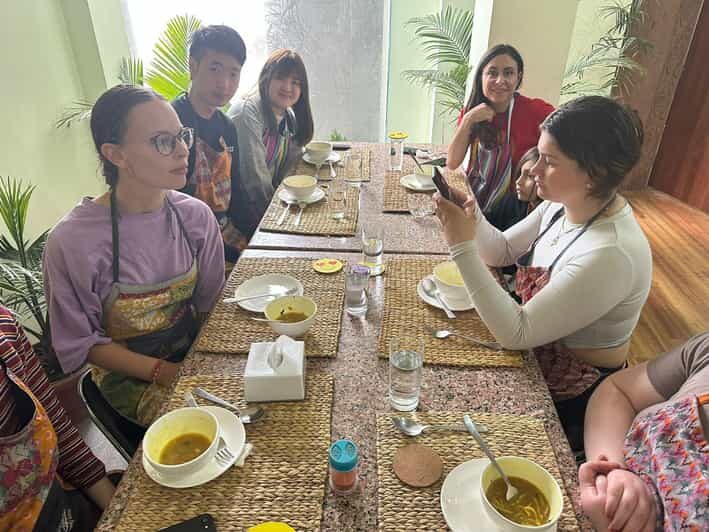
This is a compact class, clocking in at one hour total. That means the instructor keeps things moving and you’ll likely rotate through the main tasks without long breaks.
Here’s what you can expect during that hour:
Start with the dough basics
You’ll mix dough—hands-on. That’s usually where the class becomes real. Dough in a cooking setting is different from dough in your head. You’ll learn what “working dough” feels like and how it comes together using flour and water.
Build the filling
Next comes the filling: vegetables and spices, plus ground meat if you’re not vegetarian. Even if you’ve eaten momos for years, making the filling helps you understand how flavors get distributed.





Shape and fold the dumplings
Then you get to the heart of momo-making: shaping. Folding is where most people learn the most, because it’s part engineering and part comfort level. The instructor shows you the method, and you copy it with your own hands.
Cook the dumplings
Finally, you cook the momos. This is the stage that turns “practice shapes” into something edible and satisfying. You’ll see how the dumplings respond to heat and how they end up ready to eat.
The class ends with a meal featuring the dumplings you made, often with dipping sauces or sides. That last part matters because it closes the loop. You learn the process and then immediately taste the outcome.
Ingredients and Techniques: What You’ll Actually Learn
This class is built around ingredients that are common in momo preparation: flour, water, and filling elements like vegetables, spices, and (if applicable) ground meat.
What I like about learning with real ingredients is that you stop treating momos like a mysterious “street food.” You understand the pattern:
- dough is the wrapper, and its texture affects everything
- filling is flavor and moisture control
- folding is the seal that shapes the dumpling experience
If you’re the kind of person who reads menus and wonders how things get made, this is the right level of challenge. It’s technical enough to be interesting, but not so intense that you’re stuck in the kitchen all day.
And because it’s an English-led class, the steps stay understandable. You’re not guessing at terminology while your hands are covered in dough. That keeps the experience enjoyable instead of stressful.
One practical note: cooking classes like this tend to be fast-paced. If you have zero cooking confidence, you’ll still do fine, as long as you’re willing to try. The instructor is there to guide you through the main steps, not just watch you work.
The Tasting Part: Your Dumplings at the Table
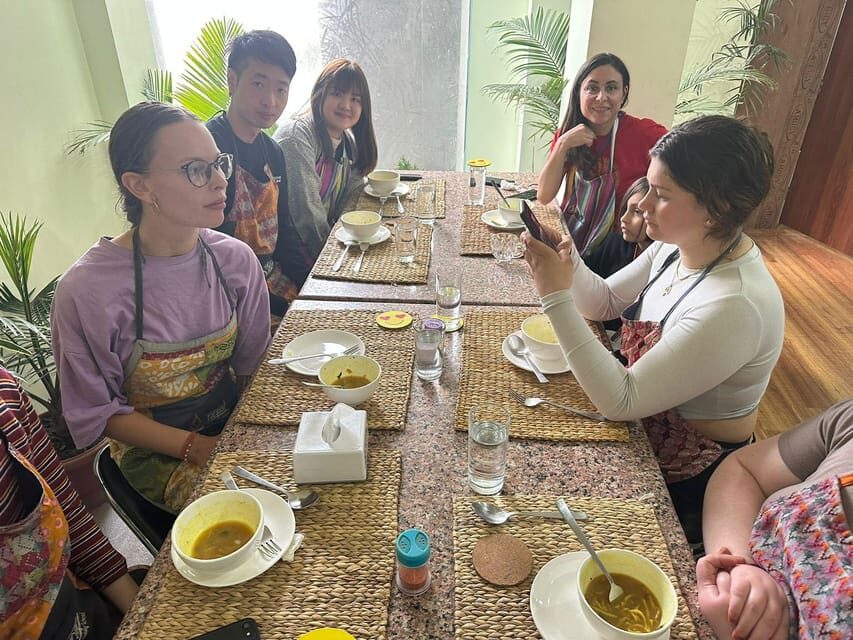
After cooking, you’ll enjoy a meal featuring the momos you made. This is usually served with dipping sauces and/or sides, which is exactly how momo is meant to be eaten.
The tasting is where you learn what to adjust next time. If the dough feels too thick or too thin, you’ll know immediately. If the filling tastes a little bland, you’ll connect that to spices and seasoning choices.
Even when a dumpling looks a little different from the instructor’s, it can still taste great. The first batch you make doesn’t have to be perfect to teach you something useful. It just needs to be real, hot, and eaten.
In one class experience from recent bookings, the chef explained the process clearly and was very helpful, and the momos tasted very good. That’s the vibe you want here: instruction that makes the steps click, and a final result you can actually be proud of.
Small Group Size and English Instruction: Better Than a Crowd
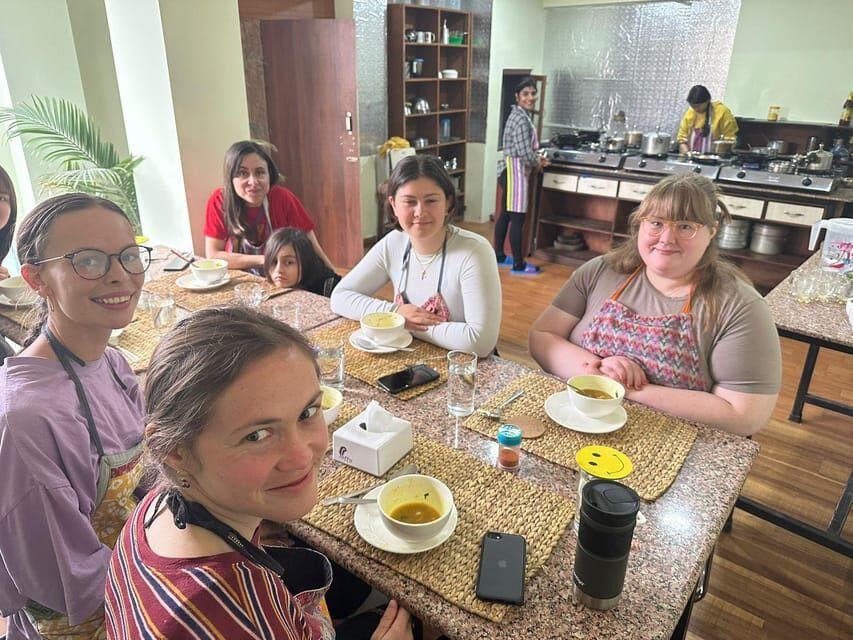
The group size is limited to 8 participants. That detail is a big deal for a hands-on class.
With a small group, you’re more likely to get individual attention during tricky parts like folding. You can also ask quick questions without feeling like you’re interrupting. If you’ve ever watched a class where one person asks a question and the rest of the group waits, you’ll appreciate how this setup prevents that.
The class is taught in English too, which keeps the learning smooth. You don’t need a translator to understand what you’re doing with your hands.
And because the full duration is one hour, the timing stays clear. You’ll know you’re in and out, and you can build the rest of your day around it.
What to Bring (So You Don’t Worry While You Cook)
This class is hands-on, so your packing matters.
Bring:
- comfortable clothes
- clothes that can get dirty
- ingredients
That last line about ingredients is interesting. It’s listed as something you should bring, so follow that instruction. If you’re traveling light, this is the kind of activity where you’ll want to double-check what’s meant by ingredients so you don’t arrive confused.
In practice, I’d also suggest:
- wear sleeves you don’t mind getting a little flour-y
- keep hair tied back if you’re prone to getting messy
- arrive ready to work with steam, too
Cooking classes reward the calm mindset. Don’t try to look pristine. Just focus on learning the steps.
Value in Kathmandu: Skill for One Hour, Not Just a Meal
Even without a stated price here, you can judge value in a straightforward way. You’re paying for:
- an instructor-guided process
- ingredients provided for momo preparation
- a meal using what you made
- the chance to learn a repeatable method
A plate of momos from a restaurant can be delicious, but you get one taste. In this class, you get the underlying technique: dough, filling, shaping, and cooking. That’s value because you can take it home as confidence, even if you never attempt the full recipe again.
Also, one hour is a low commitment. If you’re busy in Kathmandu and you want one food-focused activity that’s active instead of passive, this fits nicely. You come away with a story you can tell and a real skill you can use the next time dumplings are on the menu.
Who Should Book This Momo Making Class
This class is a strong fit if you:
- want a hands-on food experience rather than a sightseeing-only day
- like learning practical cooking steps you can repeat
- enjoy Nepal’s Himalayan food flavors and want to understand dumpling basics
- prefer small group instruction in English
It’s also a good match for people who are overwhelmed by big tours. One hour, one meal, one focused goal. You know what you’re there for.
If you have mobility limits that make stairs or hands-on work hard, you’ll want to think carefully. The meeting point is on the third floor, and you’ll be actively shaping and cooking.
Quick Practical Tips Before You Go
A few small things help this class go smoothly:
- Arrive a little early to find the Paknjaol Marg entrance and the third floor without rushing.
- Wear clothes you won’t stress about. Flour is not polite.
- Keep an eye on the instruction about bringing ingredients, since it’s listed as required.
- If you’re vegetarian, the class description mentions ground meat is used if not vegetarian. You’ll want to align your preferences with what the class supports.
Also, do yourself a favor: keep your next plans flexible enough to enjoy the meal. You’ll be cooking and eating as part of the session, so don’t stack something that requires you to be super fresh immediately after.
Should You Book This Momo Making Class?
I’d book it if you want a Kathmandu food experience that’s short, hands-on, and ends with you eating what you made. The combination of dough-to-dumpling practice, small group size up to 8, and English instruction makes it easier to learn than a typical one-note food tour.
Skip it if you’re looking for lots of sightseeing during the day. This isn’t a long cultural day. It’s a focused cooking session. That’s a benefit for time-crunched travelers, but it’s not a replacement for exploring temples and neighborhoods.
If you’re on the fence, the best deciding factor is your comfort with getting a little messy. If that sounds fun, you’ll likely have a great time.
FAQ
How long is the momo making class?
The class lasts 1 hour.
Where is the meeting point in Thamel?
Meet at Paknjaol Marg, opposite the Ganesh Temple, in the building of the delicious pizza, third floor.
What will I make during the class?
You’ll prepare the dough, make the filling, shape the dumplings, and cook them.
Is the class taught in English?
Yes, the instructor language is English.
How big is the group?
It’s a small group with a limit of 8 participants.
Do I get to eat the momos I make?
Yes. You’ll have the opportunity to taste your creations, and the meal features the dumplings you made.
What ingredients are used in momo preparation?
The class uses ingredients commonly used for momos, including flour, water, vegetables, spices and seasonings, and ground meat if you are not vegetarian.
What should I bring with me?
Bring comfortable clothes, clothes that can get dirty, and ingredients.
Is transportation included to and from the class?
No. Transportation to and from the class location is not included.
Is there free cancellation?
Yes. You can cancel up to 24 hours in advance for a full refund.